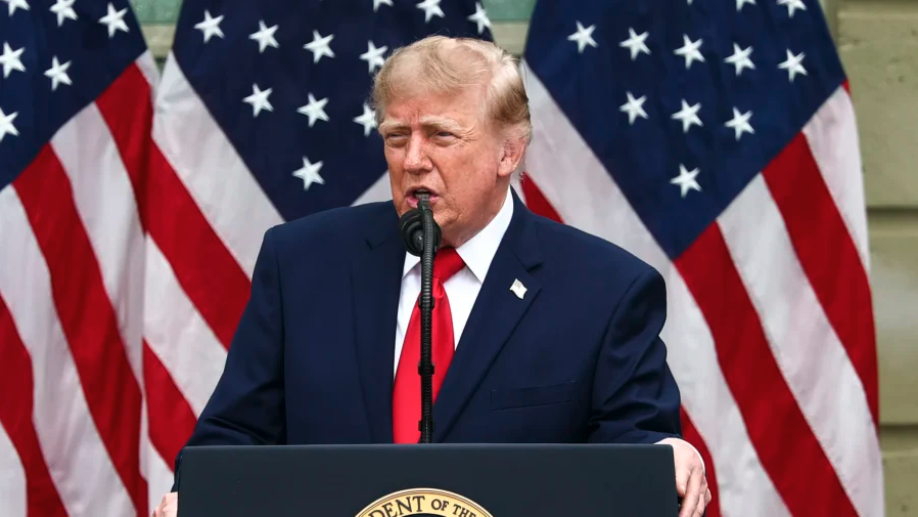
Trump suggests the United States could ultimately remain in Iran and retain control of its oil, drawing a comparison with his administration’s approach to Venezuela as the conflict continues to drive global energy prices higher.
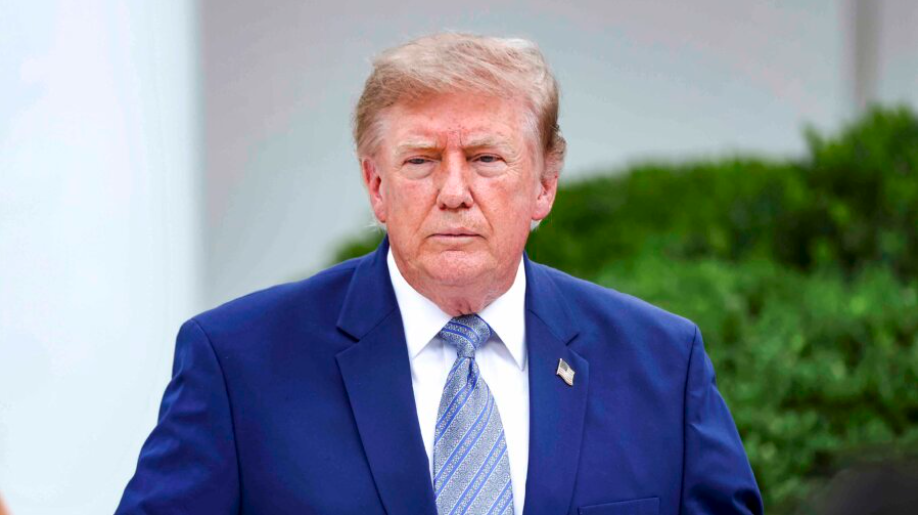
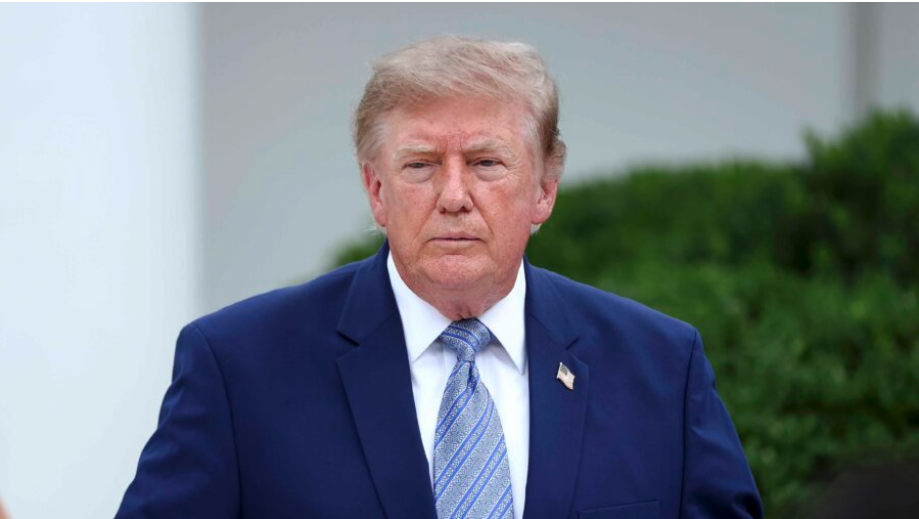
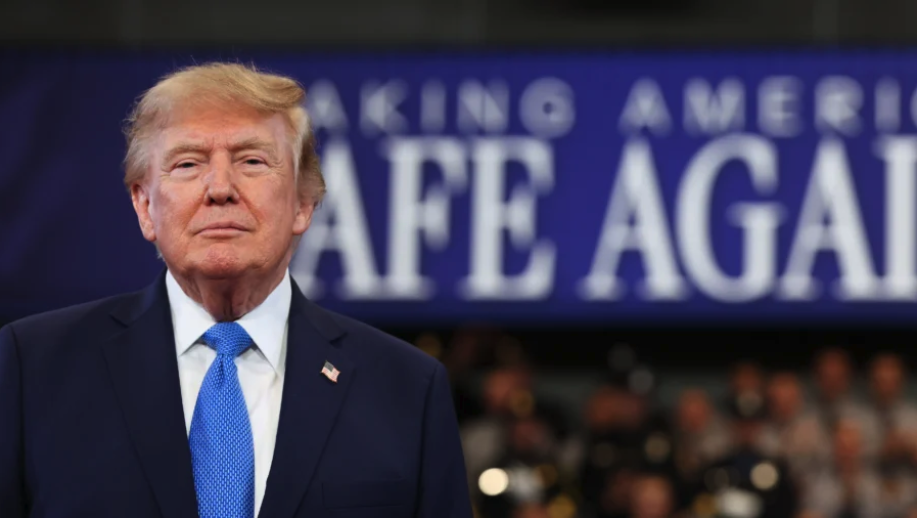
President Donald Trump said Sunday that the United States could ultimately remain in Iran and “keep the oil,” drawing a comparison with his administration’s move to take control of some of Venezuela’s oil reserves.
“We’ll ultimately get out [of Iran], unless we decide to stay and keep the oil like Venezuela,” Trump said at the Trump International Golf Course in Ireland. He added that U.S. revenue from Venezuela has “paid for the war many times.”
Trump did not provide further details about a potential oil agreement with Iran or indicate whether he would be willing to deploy U.S. troops in the country. The White House did not immediately respond to a request for comment Sunday.
Just over six months ago, the United States began launching strikes against Iran in an effort to end the country’s nuclear ambitions. Trump has repeatedly said that Tehran cannot be allowed to obtain a nuclear weapon.
Iran has also launched attacks on commercial oil vessels in the Strait of Hormuz, a strategically important waterway through which a significant share of the world’s traded oil passes. The attacks have contributed to increases in gasoline and energy prices both in the United States and around the world.
On Saturday, the British military’s UK Maritime Trade Organization said it had received a report of an “incident” in the Strait of Hormuz, where a vessel was reportedly struck by an unknown projectile while transiting the waterway. A fire broke out aboard the ship, and local officials were working to evacuate crew members, according to the organization.
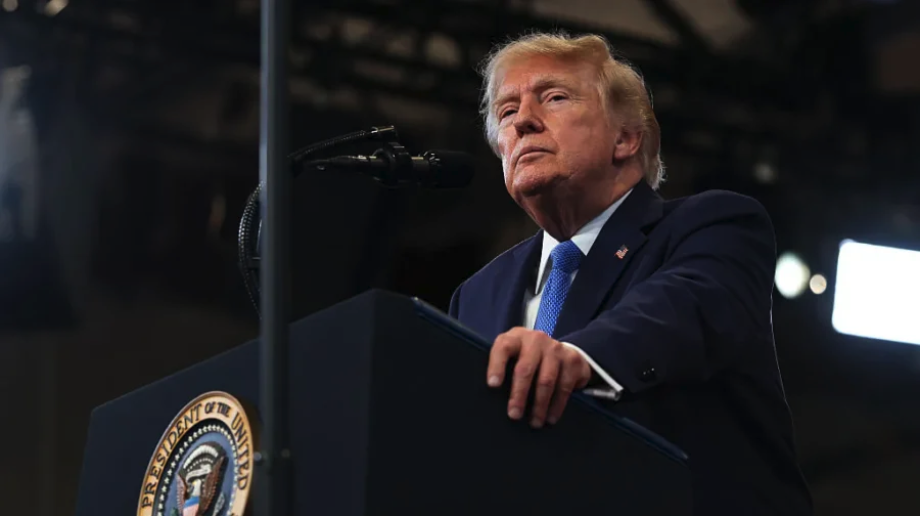
Speaking at the Irish Open golf championship, Trump also predicted that gasoline prices would “drop like a rock” once the war with Iran ends. He said he believes the conflict will come to an end this year.
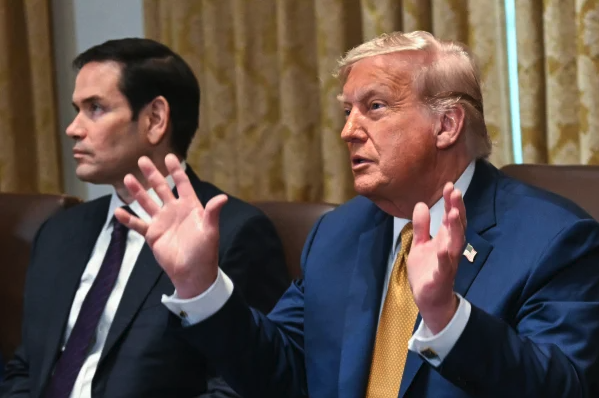
Trump said he would only agree to the “right deal” and would not accept an agreement he believes would be detrimental to U.S. interests. He also asserted that Iran was “calling constantly” to pursue peace talks.
Earlier this year, the U.S. military launched an operation to capture Venezuelan leader Nicolás Maduro before extraditing him to the United States. Maduro faces felony drug charges and pleaded not guilty in January.
In August, the White House announced a deal with Venezuela under which the United States would take control of 65 billion barrels from the South American nation’s vast oil reserves.
Vessels transit the Strait of Hormuz off the coast of Iran’s southern port city of Bandar Abbas on Sept. 7, 2026. (ATTA KENARE / AFP)
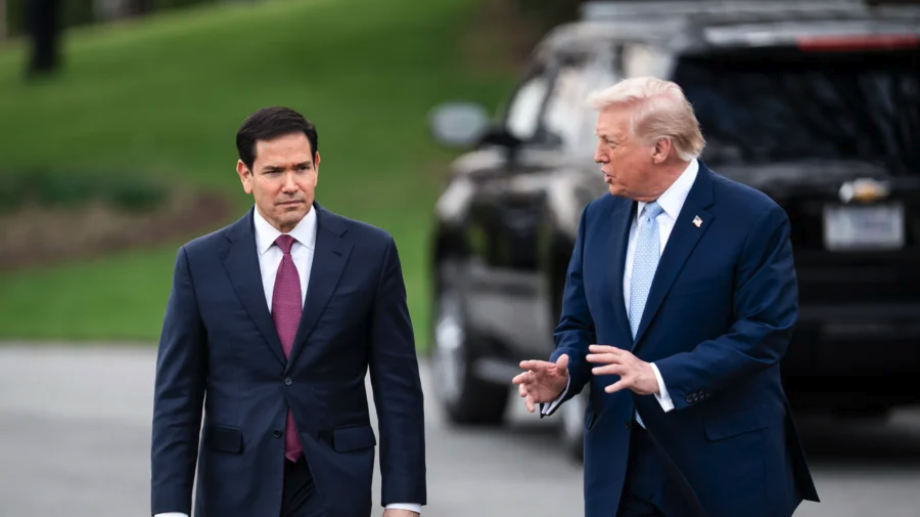
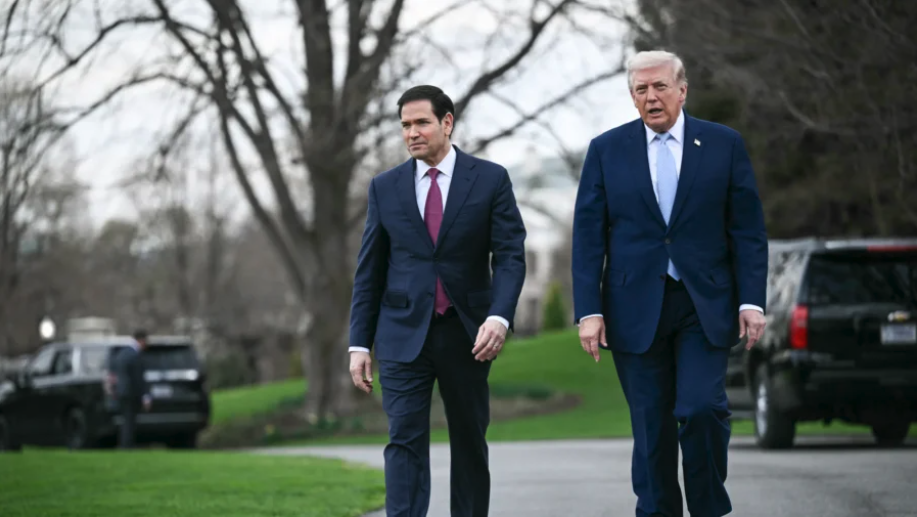
“This deal is a huge win for both the American and Venezuelan people,” Secretary of State Marco Rubio wrote in a post on X in late August. “It demonstrates how President Trump’s bold foreign policy is driving America First wins: securing stable reserves and low-cost oil in our Hemisphere and lowering gas prices here at home.”
Oil prices have remained relatively elevated in recent days amid strikes in Saudi Arabia. As of Sunday afternoon, both Brent crude and West Texas Intermediate remained above $100 a barrel.
According to the American Automobile Association (AAA), the average gasoline price in the United States rose by roughly 17 cents to $4.31 per gallon over the past seven days.
Saudi Arabia’s Energy Ministry announced last week that it was shutting down the East-West oil pipeline after it was attacked, while the Yemen-based Houthi terrorist organization moved to capture cities closer to the Red Sea in recent days. The Houthis also launched attacks inside Saudi Arabia over the past week.