
Tehran signals cautious stance on negotiations while Washington halts envoy trip, citing internal divisions in Iranian leadership and lack of progress
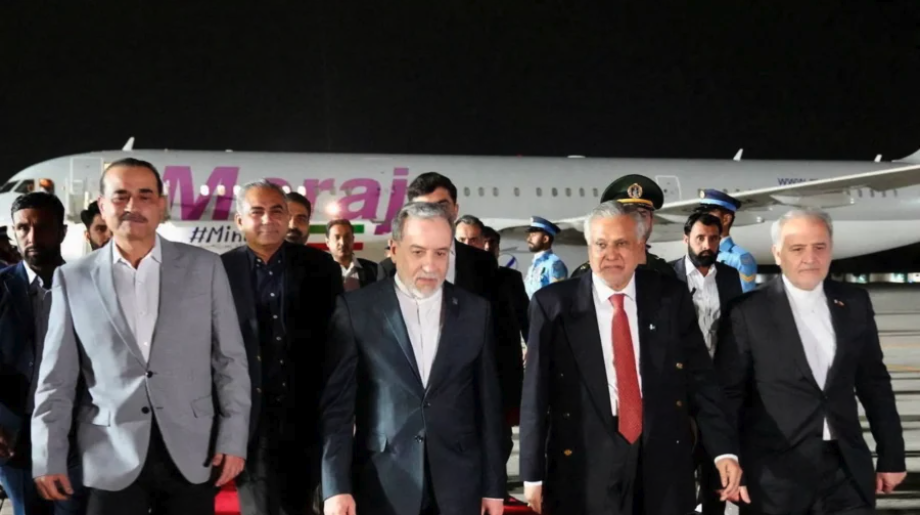
Iranian Foreign Minister Abbas Araghchi departed Pakistan for Oman on Saturday without meeting U.S. negotiators, following talks with senior Pakistani officials in Islamabad. The move came as U.S. President Donald Trump abruptly canceled a planned visit by American envoys.
Iranian state-affiliated outlet Fars reported on April 25 that Araghchi left Islamabad for Muscat, the second stop on his regional tour, after meetings with Pakistani Prime Minister Shehbaz Sharif and other officials.
Iran’s Foreign Ministry later confirmed that Araghchi had arrived in Muscat, where he is scheduled to meet Omani officials to discuss bilateral relations and regional developments.
In a post on X, Araghchi described his visit to Pakistan as “very fruitful,” stating that he conveyed Iran’s position on a “workable framework to permanently end the war on Iran.”
“Have yet to see if the U.S. is truly serious about diplomacy,” he added.
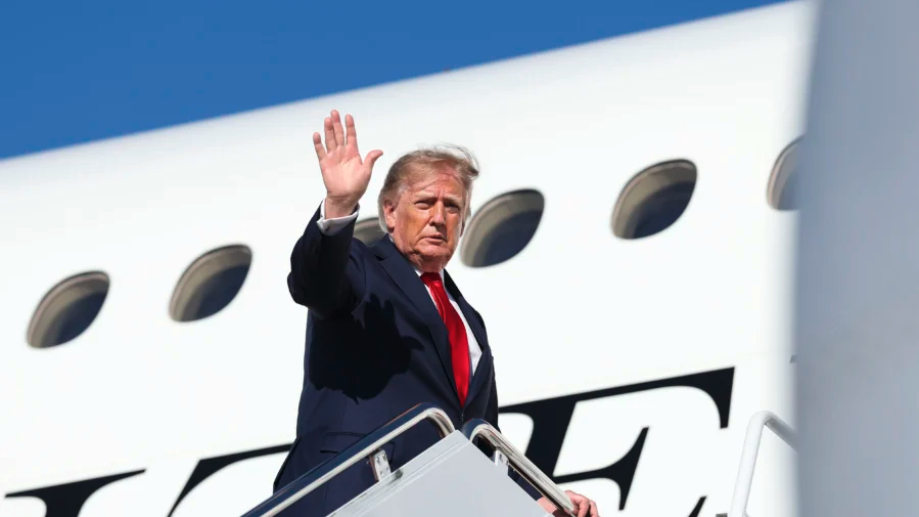
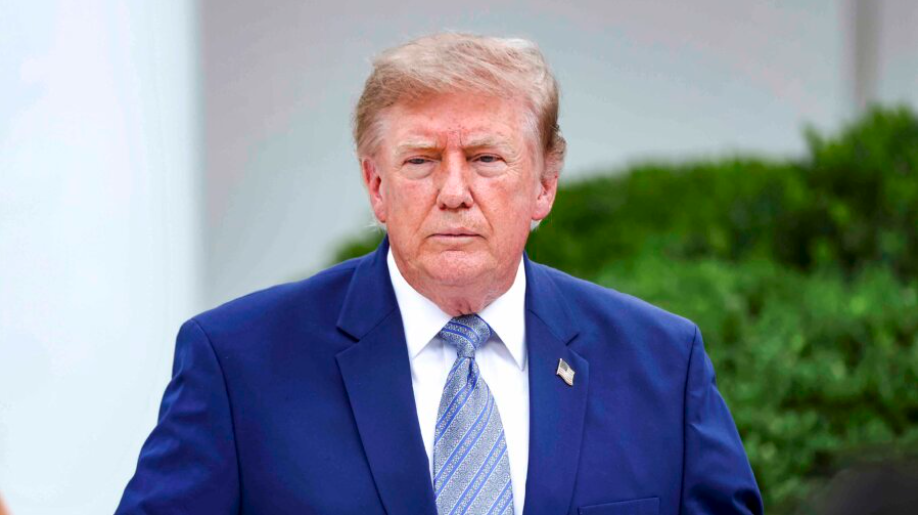
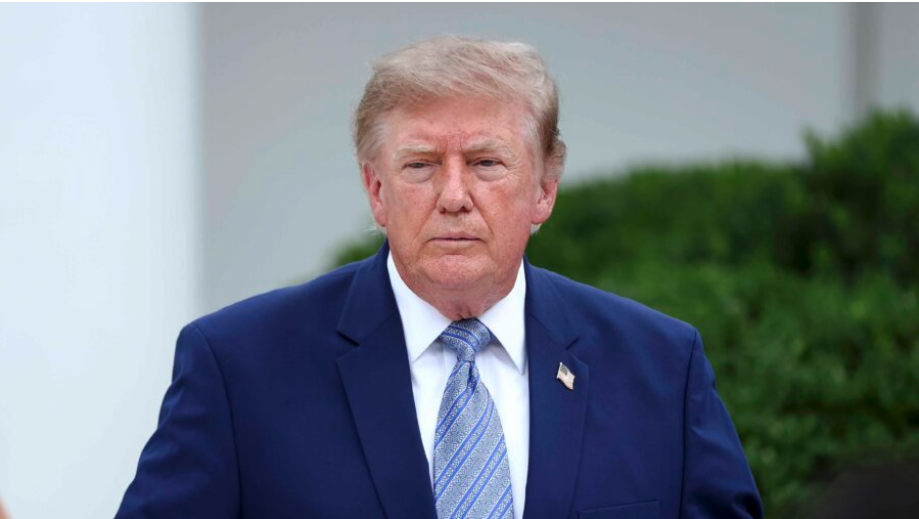
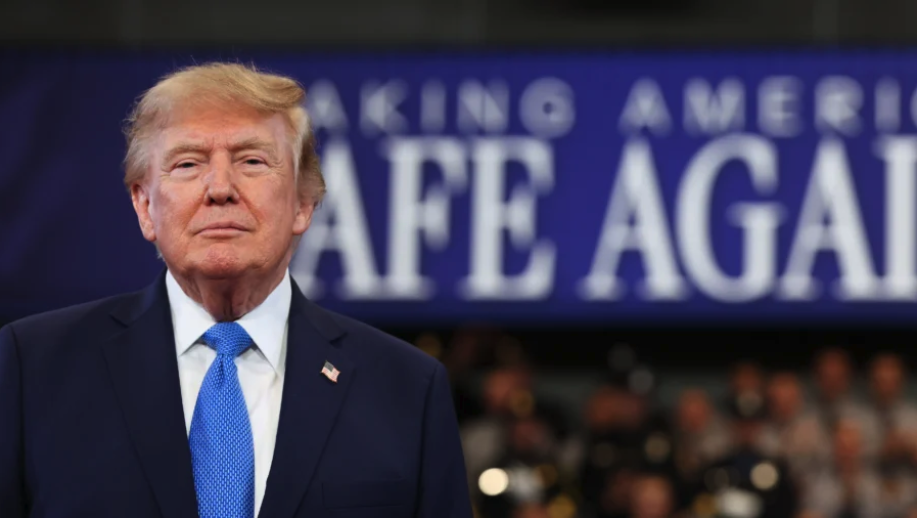
The development followed Trump’s announcement that he had canceled a planned trip by U.S. special envoy Steve Witkoff and Jared Kushner to Pakistan, citing a lack of progress in negotiations and “infighting and confusion” within Iran’s leadership.
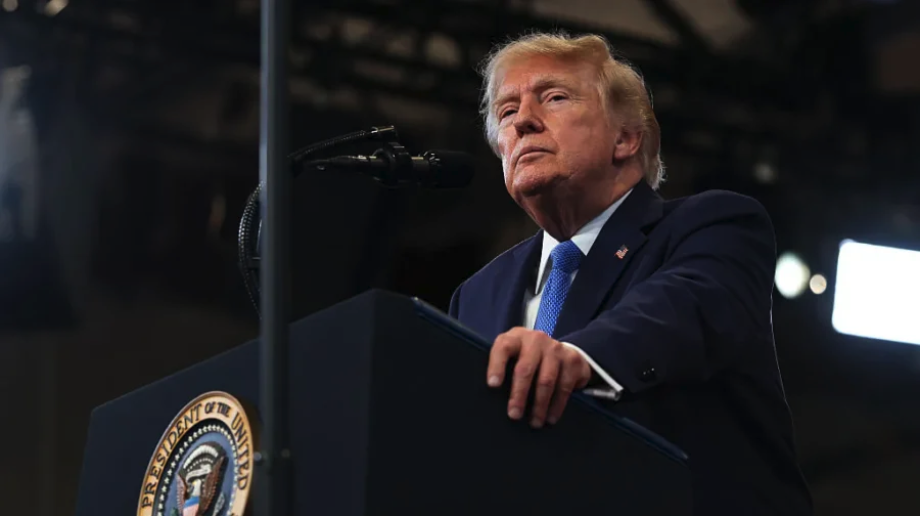
“I just cancelled the trip of my representatives,” Trump wrote on Truth Social. “Too much time wasted on traveling, too much work! Besides which, there is tremendous infighting and confusion within their ‘leadership.’ Nobody knows who is in charge, including them.”
Trump added: “We have all the cards, they have none! If they want to talk, all they have to do is call.”
In a phone interview with Axios reporter Barak Ravid, Trump said the decision did not necessarily signal a return to hostilities.
“No, it doesn’t mean that. We haven’t thought about it yet,” he said when asked whether the move implied a resumption of the war.
Araghchi’s visit to Islamabad was part of a broader diplomatic effort involving Pakistan as an intermediary between Washington and Tehran, amid attempts to reach a negotiated settlement.
Video footage and official statements showed Araghchi meeting Sharif and Pakistani army chief Asim Munir, along with other senior officials.
Sharif described the talks as “warm” and “cordial” in a social media post, noting that both sides exchanged views on regional developments and ways to strengthen bilateral ties.
Ahead of the visit, Iranian officials had indicated they would not engage directly with U.S. representatives. Foreign Ministry spokesperson Esmaeil Baghaei said Tehran’s positions would instead be conveyed through Pakistan.
The White House had initially stated that Witkoff and Kushner would travel to Islamabad for potential negotiations under a fragile ceasefire, citing signs of progress and a possible Iranian proposal addressing U.S. demands.
The diplomatic push followed weeks of escalation after coordinated U.S. and Israeli strikes on Iran, prompting Tehran to retaliate by effectively blocking the Strait of Hormuz, a key global route for oil and gas shipments.
The disruption sharply reduced vessel traffic through the chokepoint, unsettling energy markets and raising concerns over prolonged supply shocks. Fatih Birol, head of the International Energy Agency, told CNBC the situation represents the “biggest energy security threat” the world has ever seen, with approximately 13 million barrels per day of oil lost and major disruptions affecting key commodities such as fertilizer.
Previous rounds of talks in Islamabad on April 11–12 failed to produce a breakthrough, and Trump had earlier extended a two-week ceasefire to allow more time for diplomacy.
War Pressure and Maritime Disruptions
The renewed diplomatic activity comes amid escalating U.S. pressure targeting Iran’s economy and military capabilities, including an expanded naval blockade affecting vessels linked to Iranian ports.
U.S. Secretary of War Pete Hegseth said this week that at least 34 ships had been turned back under the blockade, which Washington says is intended to cut off Tehran’s oil revenues and supply networks.
Military officials have broadened enforcement efforts globally, boarding and seizing vessels suspected of transporting Iranian oil and tracking ships beyond the initial blockade zone.
Meanwhile, Iran’s restrictions on traffic through the Strait of Hormuz have sharply limited oil shipments. Shipping data from April 24 showed just five vessels transiting the strait in a 24-hour period, compared with roughly 130 per day before hostilities began on Feb. 28.
The disruption has shaken energy markets, with Brent crude rising about 16 percent this week amid uncertainty over the conflict and prospects for a diplomatic resolution.
In an effort to ease domestic supply pressures, Trump on Friday extended a waiver of the Jones Act for 90 days, allowing foreign-flagged vessels to transport fuel between U.S. ports.
Despite signs of diplomatic momentum, regional tensions remain elevated. Israeli Defense Minister Israel Katz said earlier this week that Israel is prepared to launch “different and deadlier” large-scale operations against Iran, pending U.S. approval.
Katz stated that potential military objectives would include further weakening Iran’s leadership and crippling critical infrastructure.