
U.S. Secretary of State says Washington expects Tehran’s response on ending the conflict while military confrontations continue near the world’s most critical oil route
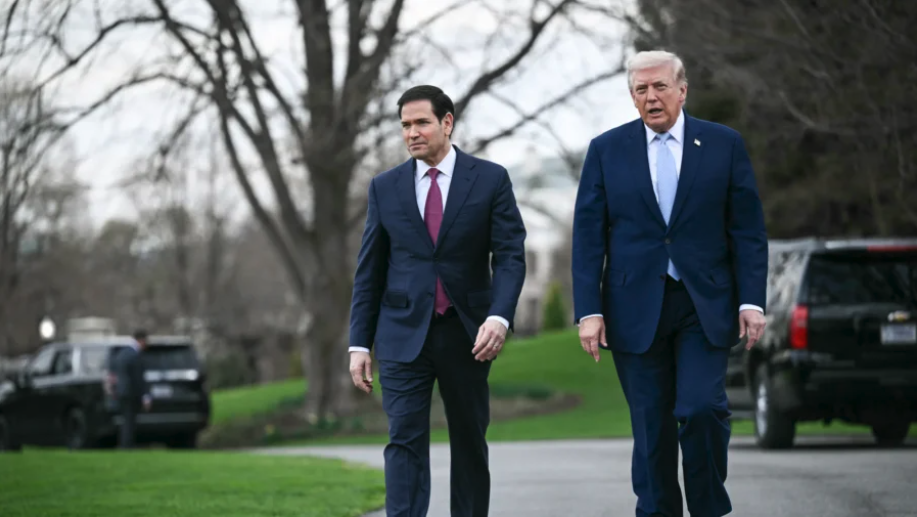
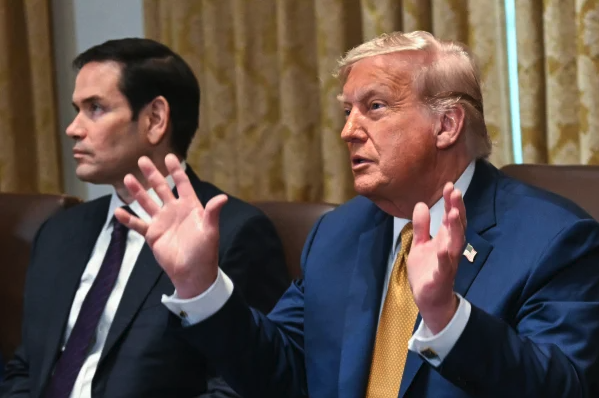
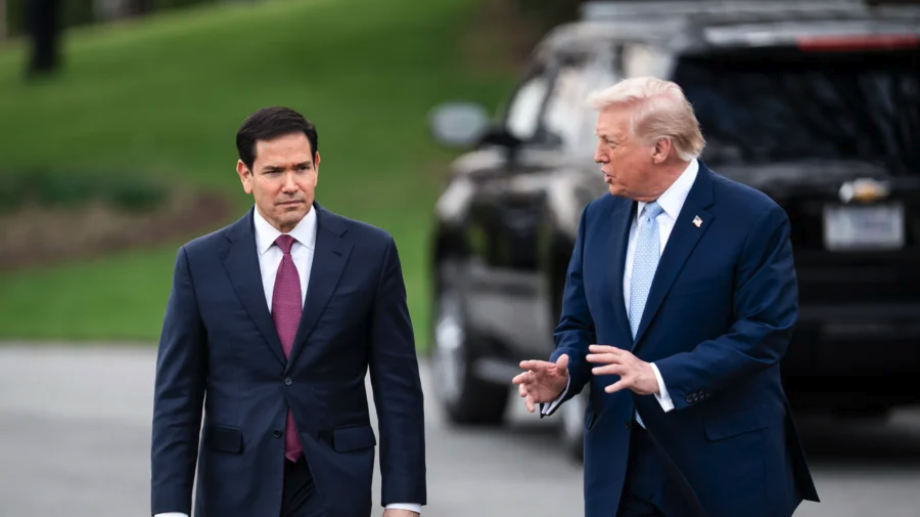
U.S. Secretary of State Marco Rubio said the White House was expecting a proposal from the Iranian regime on May 8 regarding efforts to end the war, as American and Iranian forces continued clashing in the region in recent days.
“We’re expecting a response from them today at some point. We have not received that yet,” Rubio told reporters on Friday during a visit with the Pope in Italy while discussing negotiations between Washington and Tehran.
Rubio added that U.S. officials hope the Iranian proposal is “something that can put us into a serious process in negotiation.”
The secretary also said the U.S. government is aware of reports that Iran is attempting to establish “some agency that’s going to control traffic” in the Strait of Hormuz, a vital shipping corridor through which nearly one-fifth of the world’s oil supply passes.
“That would actually be unacceptable,” he said.
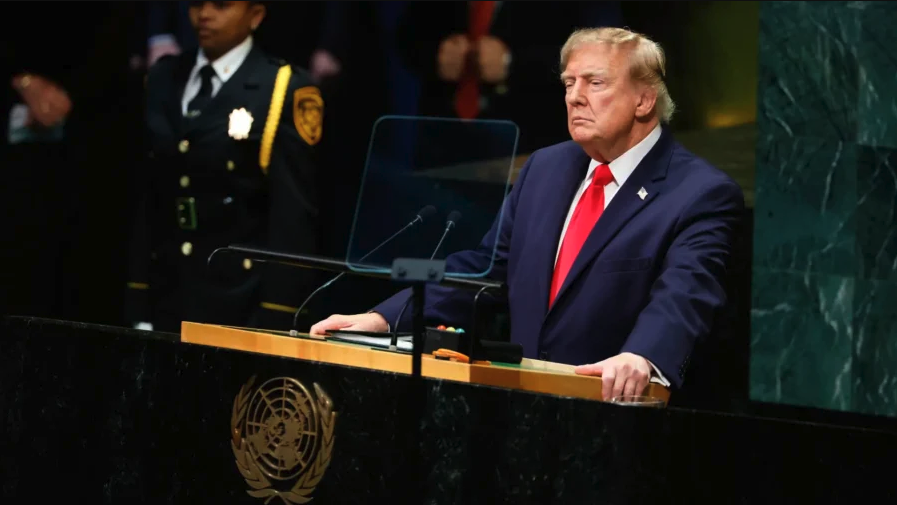
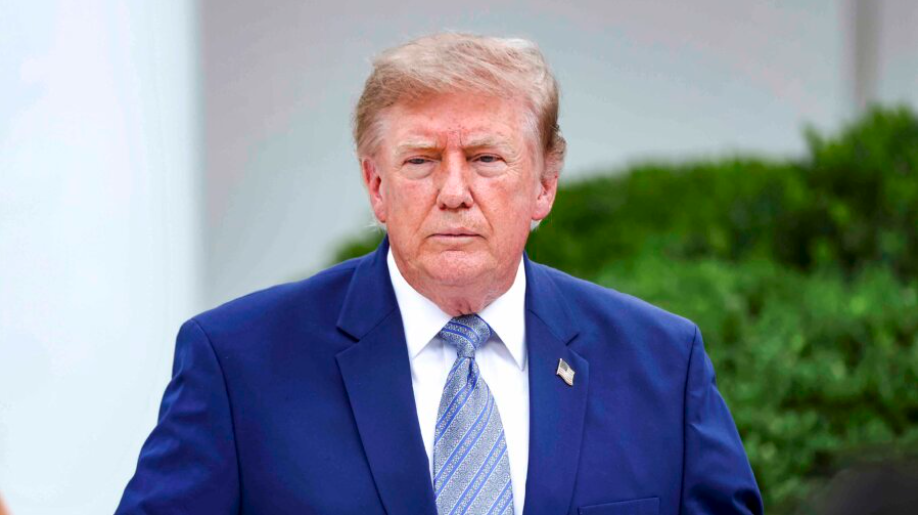
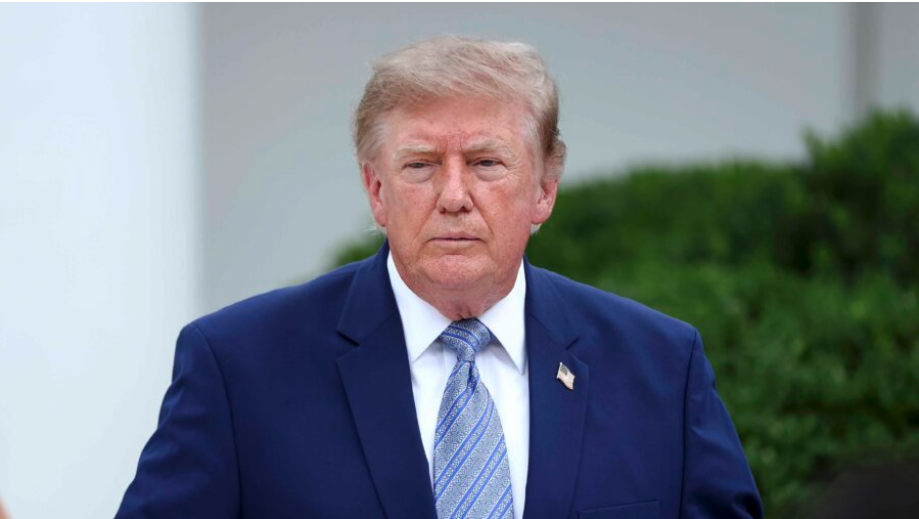
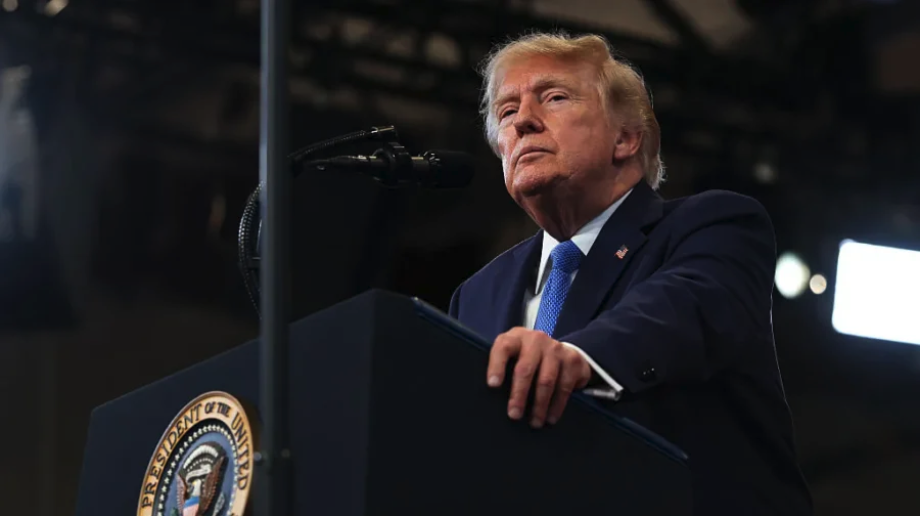
President Donald Trump wrote on Truth Social that a ceasefire remained in place despite renewed tensions after three U.S. Navy destroyers came under attack while transiting the Strait of Hormuz and American forces responded.
“Three World Class American Destroyers just transited, very successfully, out of the Strait of Hormuz, under fire. There was no damage done to the three Destroyers, but great damage done to the Iranian attackers,” Trump wrote on Thursday.
He later told reporters in Washington that the ceasefire was still holding and downplayed the confrontation.
“They trifled with us today. We blew them away,” Trump said.
Last month, a ceasefire between the two countries was announced and has largely remained in effect. Meanwhile, the U.S. military has enforced a naval blockade on Iranian ports, turning back or stopping dozens of vessels.
However, an official from Iran’s Islamic Revolutionary Guard Corps said Friday that the United States violated the ceasefire by “targeting an Iranian oil tanker” near the Strait of Hormuz and another vessel entering the waterway near the United Arab Emirates, according to the semi-official Islamic Republic News Agency (IRNA).
Since the conflict began, Trump has repeatedly stated that Iran cannot be allowed to obtain a nuclear weapon and said that condition was embedded in a proposal presented by Washington to Tehran. Iran has maintained that its nuclear program is intended for civilian purposes and denied seeking nuclear weapons, while the United States, Israel, and several European nations have long accused Tehran of enriching uranium to weapons-grade levels.
“There’s zero chance. And they know that, and they’ve agreed to that. Let’s see if they are willing to sign it,” Trump said Thursday regarding the proposal.
Earlier this week, Trump told reporters during a White House event that the United States would obtain Iran’s enriched uranium, though he did not explain how that would be carried out.
On Friday morning, United States Central Command (CENTCOM) said two additional Iranian vessels accused of violating the U.S. blockade were disabled while attempting to enter an Iranian port in the Gulf of Oman.
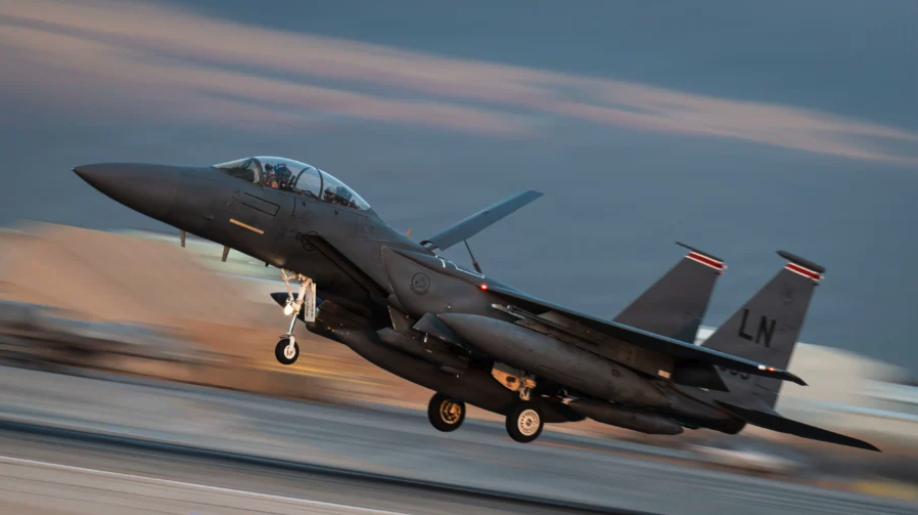
According to CENTCOM, the two Iranian-flagged ships attempted to reach the port before two U.S. Navy F-18 fighter jets disabled both vessels “after firing precision munitions into their smokestacks.” The command said the incident occurred on May 8.
CENTCOM also stated that another vessel was disabled on May 6 while attempting to enter an Iranian port in the Gulf of Oman.