

Planned reduction beyond initial 5,000 troops sparks bipartisan alarm in Washington and underscores growing tensions with European allies amid shifting defense priorities
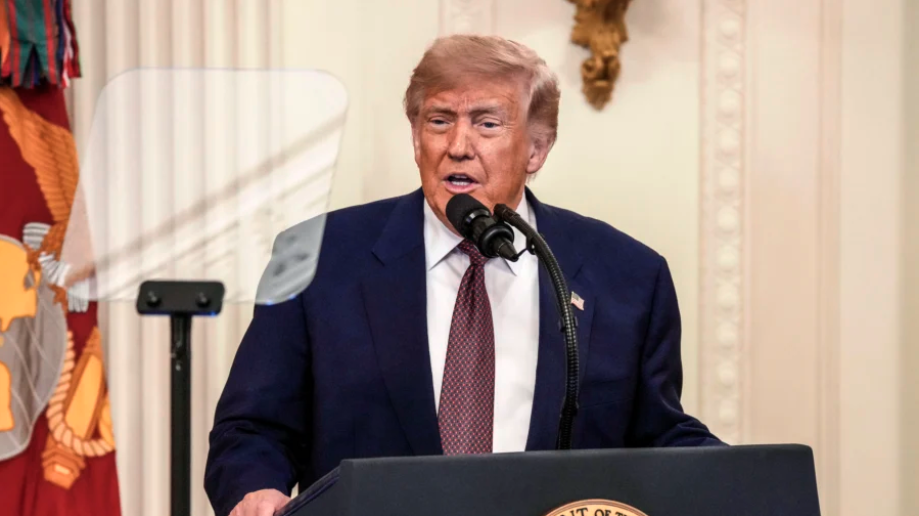
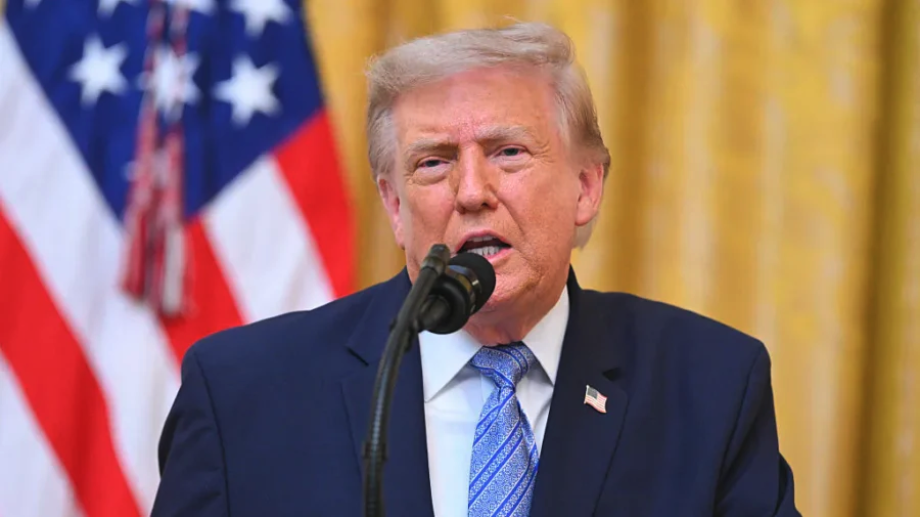
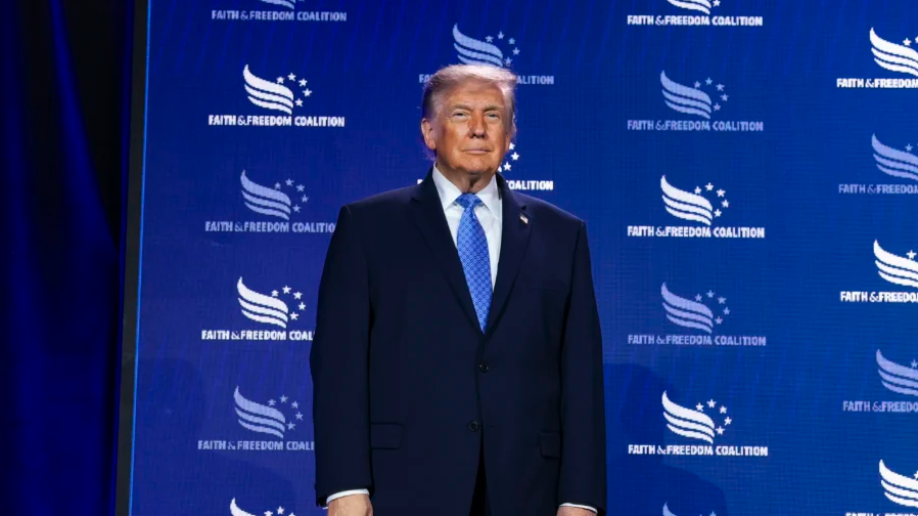
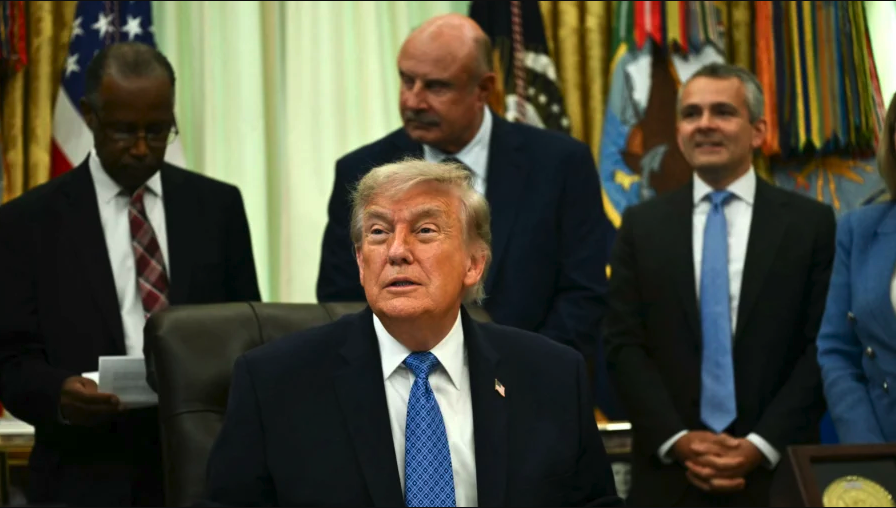
WEST PALM BEACH, Fla.—President Donald Trump said Saturday that the United States will significantly reduce its military presence in Germany, signaling a broader effort to scale back America’s role in European security.
The Pentagon had announced Friday that approximately 5,000 troops would be withdrawn from Germany. However, when asked about the move a day later, Trump indicated that the reduction would go much further, without providing a detailed explanation.
“We’re going to cut way down. And we’re cutting a lot further than 5,000,” Trump told reporters in Florida.
Earlier Saturday, German Defense Minister Boris Pistorius responded calmly to the initial announcement, saying the move was expected after years of similar warnings from Trump. He emphasized that European nations must assume greater responsibility for their own defense, while also highlighting the mutual benefits of trans-Atlantic security cooperation.
“The presence of American soldiers in Europe, and especially in Germany, is in our interest and in the interest of the U.S.,” Pistorius told the German news agency dpa.
The planned withdrawal has drawn bipartisan concern in Washington, with Democrats criticizing the move and Republicans warning it could send the “wrong signal” to Vladimir Putin, whose full-scale invasion of Ukraine has entered its fifth year.
Trump’s decision comes amid criticism of European allies for their reluctance to support his campaign alongside Israel against Iran. He has also targeted several European leaders, including Friedrich Merz, Spanish Prime Minister Pedro Sánchez, and British Prime Minister Keir Starmer.
Merz recently criticized the war in Iran, stating that the United States was being “humiliated” by Iranian leadership and pointing to what he described as a lack of strategic direction in Washington.
Tensions have also extended to trade. Trump accused the European Union of failing to comply with its trade agreement with the United States and announced plans to raise tariffs to 25 percent on cars and trucks produced in the bloc—a move expected to significantly impact Germany’s automotive industry.
At least one European lawmaker described the proposed tariff increase as “unacceptable,” accusing Trump of violating U.S. trade commitments.
U.S. Force Presence and Strategic Shifts
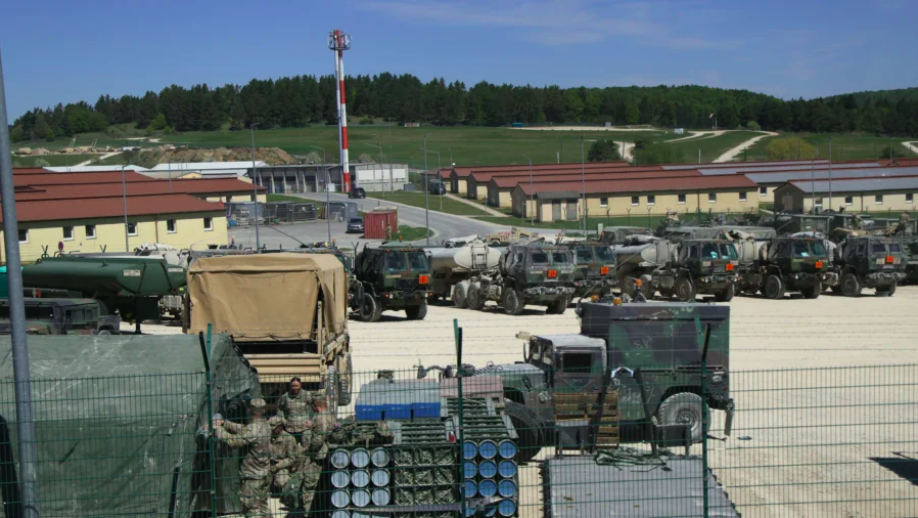
A withdrawal of 5,000 troops would represent roughly one-seventh of the approximately 36,000 U.S. service members currently stationed in Germany. The Pentagon has provided limited details on which units or operations will be affected and did not expand on the plan following Trump’s latest remarks, referring instead to its earlier statement.
The drawdown is expected to take place over the next six to 12 months. During his first term, Trump proposed withdrawing 9,500 troops from Germany, but the plan was not implemented and was formally halted by President Joe Biden in 2021.
Overall, between 80,000 and 100,000 U.S. personnel are typically deployed across Europe, depending on operational needs and rotations. That number increased after Russia launched its full-scale invasion of Ukraine in February 2022, and NATO allies have anticipated for over a year that those additional forces would eventually be reduced.
Pistorius reiterated that Europe must take on more responsibility for its own security, while noting Germany’s recent efforts to strengthen its military capabilities, accelerate procurement, and expand infrastructure.
A spokesperson for NATO, Allison Hart, said the alliance is working with the United States to better understand the details of the troop reduction.
“This adjustment underscores the need for Europe to continue to invest more in defense and take on a greater share of the responsibility for our shared security,” she said, pointing to ongoing progress toward a target of allocating 5 percent of economic output to defense among member states.
Pentagon Review and Strategic Assets
Pentagon spokesperson Sean Parnell said the decision followed a “thorough review” of U.S. force posture in Europe, taking into account operational requirements and conditions on the ground.
Germany hosts key U.S. military installations, including the headquarters of U.S. European and Africa Commands, Ramstein Air Base, and the Landstuhl Regional Medical Center, which has treated casualties from conflicts in Afghanistan and Iraq. U.S. nuclear capabilities are also based in the country.
Among the permanent units stationed in Germany is the 2nd Cavalry Regiment, along with an aviation brigade and other forces considered critical to U.S. and NATO deterrence capabilities.
Congressional Reaction
Following strong criticism from Democrats, Republican leaders of congressional armed services committees also expressed concern. Senator Roger Wicker and Representative Mike Rogers warned that the withdrawal could weaken deterrence and embolden Russia.
They also stated that the Pentagon had canceled a planned deployment of the Army’s Long-Range Fires Battalion, though this was not addressed in the Pentagon’s official statement.
Wicker and Rogers emphasized that any significant change to U.S. military posture in Europe requires coordination with Congress.
“We expect the Department to engage with its oversight committees in the days and weeks ahead on this decision and its implications for U.S. deterrence and trans-Atlantic security,” they said in a joint statement.
They added that Germany has responded to calls from Trump to increase defense spending and has supported U.S. operations, including by providing access to bases and airspace during the conflict with Iran.