
In The Spotlight
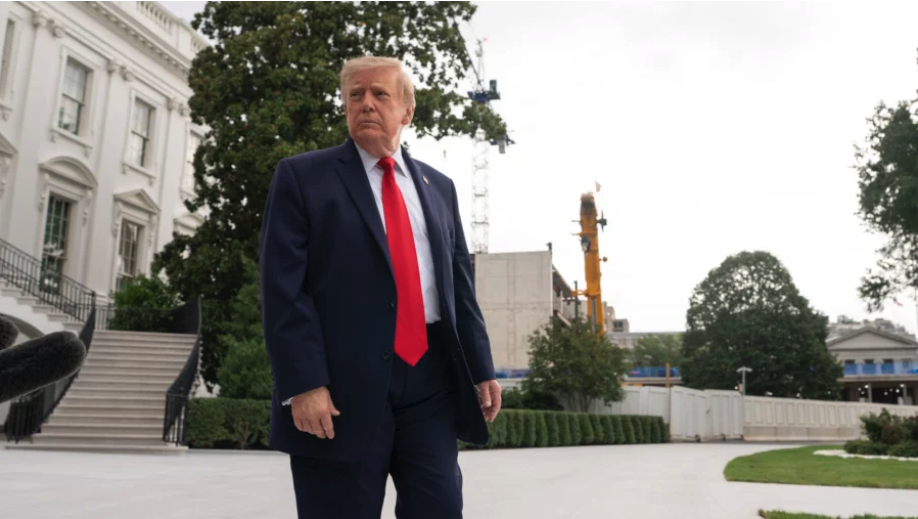
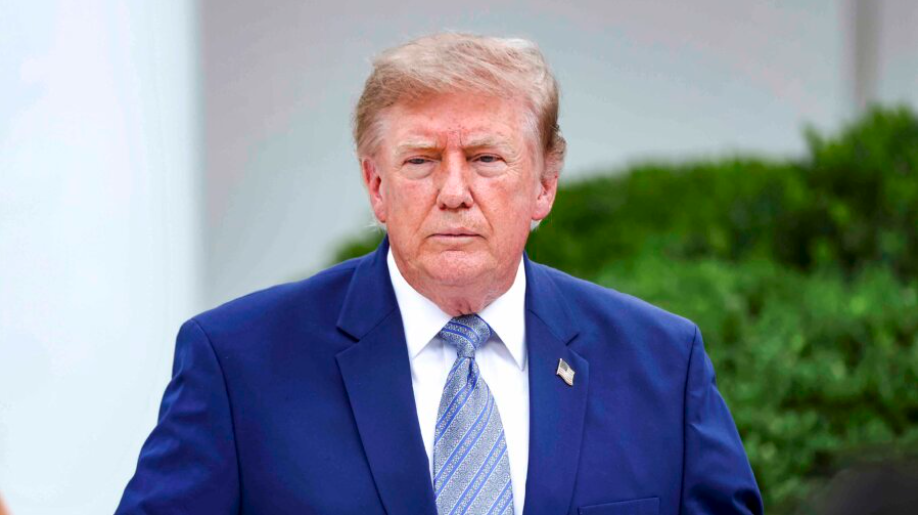
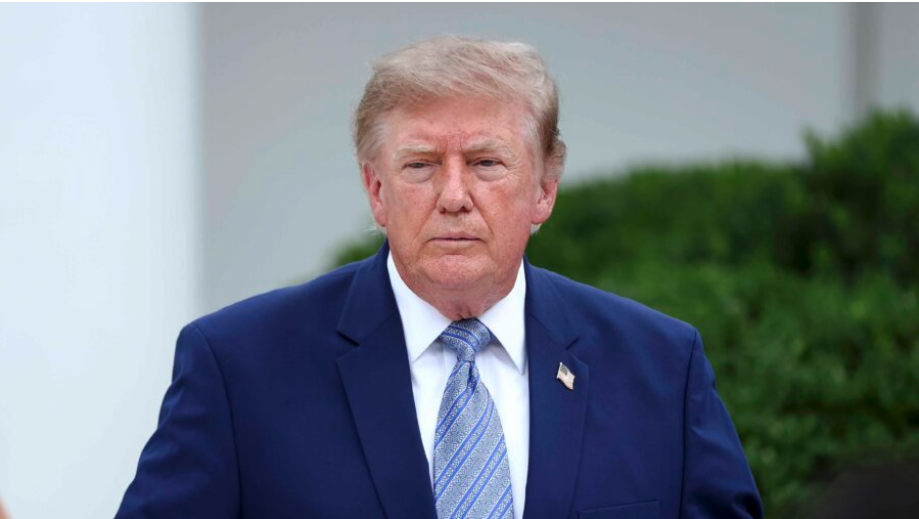
U.S. President Donald Trump on the South Lawn of the White House in Washington on Sept. 26, 2026. Trump is traveling to Knoxville, Tennessee to attend the University of Tennessee vs. University of Texas College football game. (Aaron Schwartz/Getty Images)
Days after meeting Xi Jinping at the White House, Trump says the United States has little reason to cooperate with Beijing on AI, while both sides adopt the term “super intelligence” amid growing concerns over the technology’s risks.
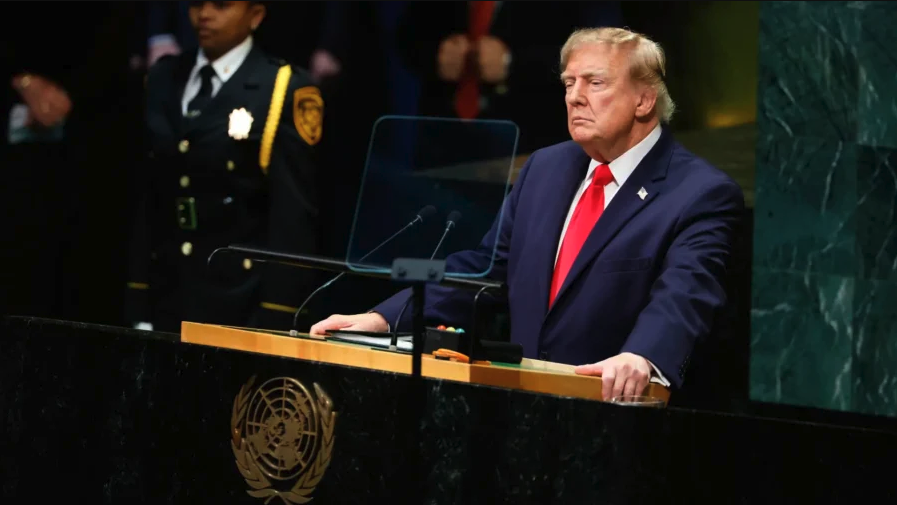
Trump Calls for Iran’s ‘Complete Economic Isolation,’ Signals Post-Midterm Deal
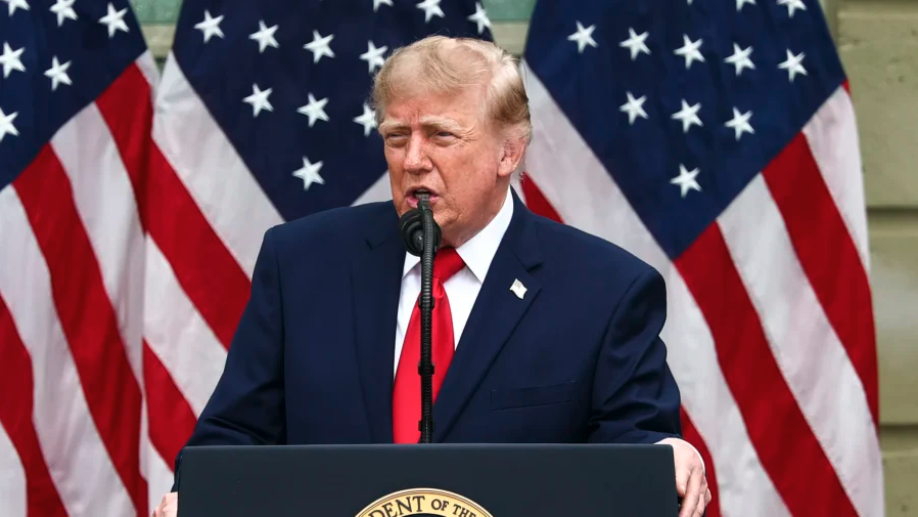
President Donald Trump speaks during a ceremony commemorating the 25th anniversary of the September 11th terrorist attacks in the courtyard of the Pentagon in Arlington, Va., on Sept. 11, 2026. (Finn Gomez/Getty Images)

Canadian and U.S. flags fly on both sides of the St. Clair River near the Blue Water Bridge, connecting Sarnia, Ontario, and Port Huron, Michigan, in Sarnia, Ontario, Canada, on Sept. 2, 2026. (Carlos Osorio/Reuters)
More News
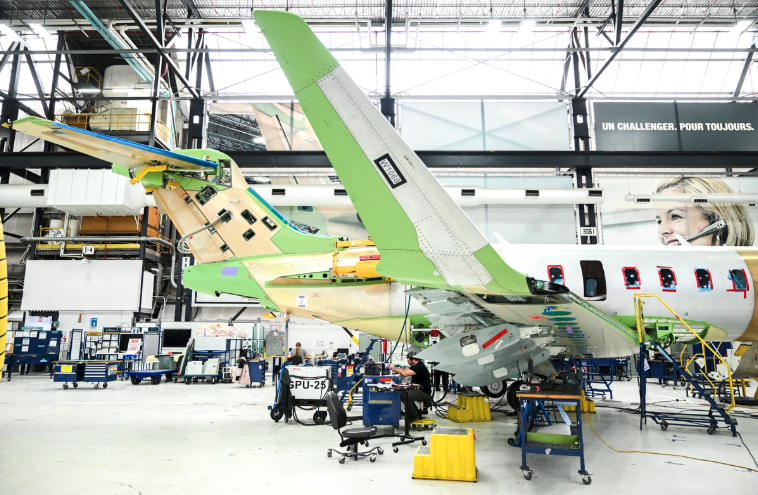
A Bombardier Challenger aircraft under construction at the Bombardier manufacturing facility in Montreal, Quebec, Canada, on Feb. 18, 2025. Graham Hughes/AFP via Getty Images
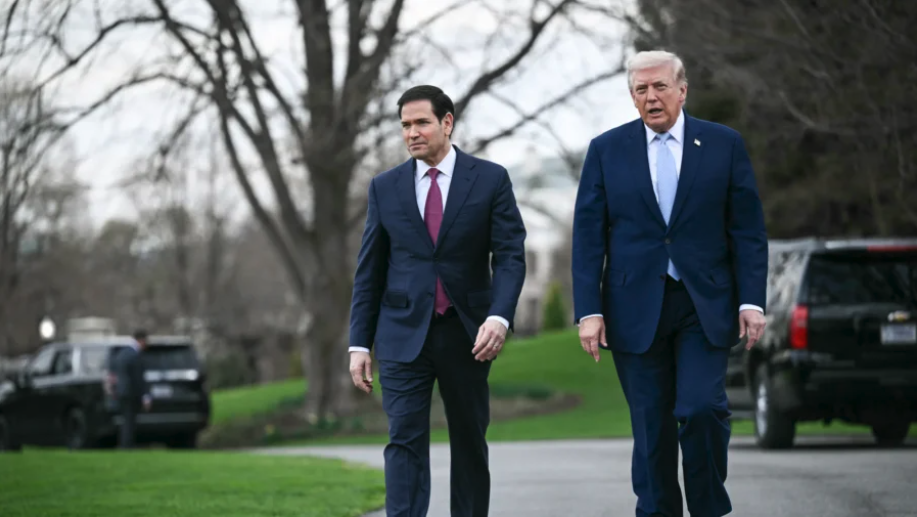
President Donald Trump walks with U.S. Secretary of State Marco Rubio near the South Lawn of the White House in Washington on March 20, 2026. (Brendan Smialowski/AFP via Getty Images)

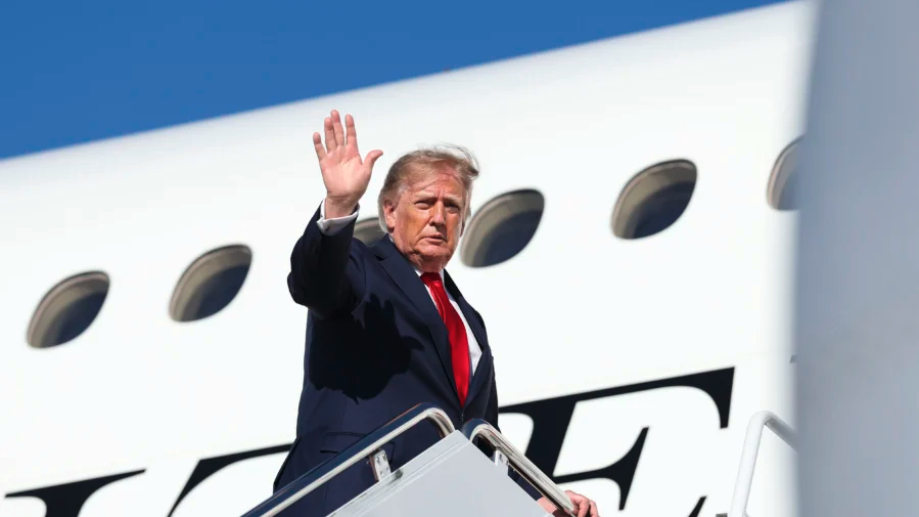
President Donald Trump waves as he boards Air Force One at Joint Base Andrews, Md., on Aug. 14, 2026. (Julia Demaree Nikhinson/AP Photo)
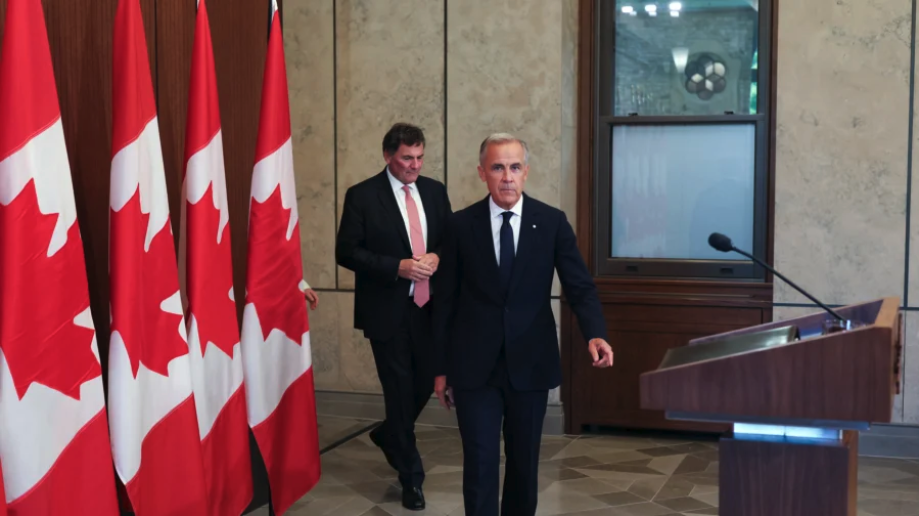
Canadian Prime Minister Mark Carney and Dominic LeBlanc, Minister responsible for Canada-US Trade, arrive at a press conference after trade talks with the US collapsed in Ottawa, Canada, on Aug. 22, 2026. (Dave Chan/AFP via Getty Images)
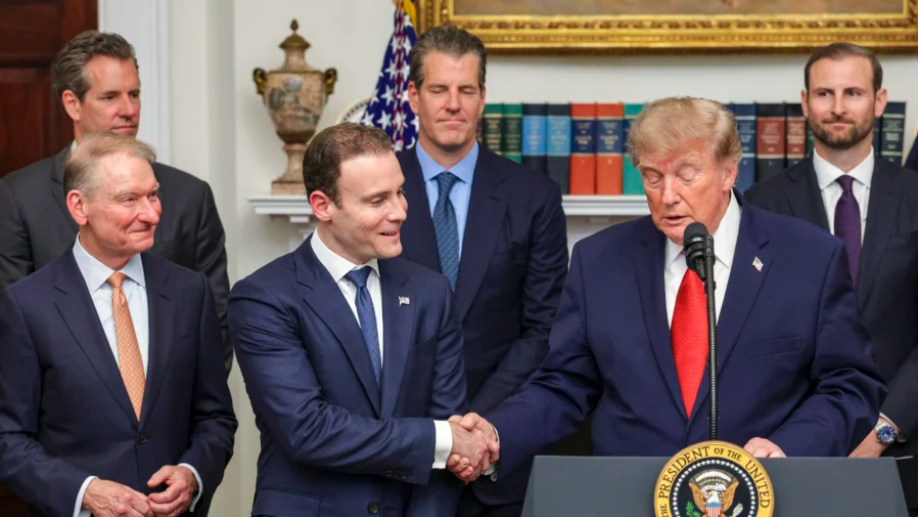
President Donald Trump shakes hands with Commodity Futures Trading Commission (CFTC) Chairman Michael Selig during a summit of crypto and technology leaders in the Roosevelt Room of the White House in Washington, on August 19, 2026. (Alex Wong/Getty Images)
Subscribe now

U.S. President Donald Trump on the South Lawn of the White House in Washington on Sept. 26, 2026. Trump is traveling to Knoxville, Tennessee to attend the University of Tennessee vs. University of Texas College football game. (Aaron Schwartz/Getty Images)
Days after meeting Xi Jinping at the White House, Trump says the United States has little reason to cooperate with Beijing on AI, while both sides adopt the term “super intelligence” amid growing concerns over the technology’s risks.
Trump Calls for Iran’s ‘Complete Economic Isolation,’ Signals Post-Midterm Deal
At the United Nations General Assembly, President Donald Trump urged countries to isolate Iran economically, while suggesting Washington and Tehran could reach an agreement after the November midterm elections, as he also addressed the Russia-Ukraine war and the future of artificial intelligence.
President Donald Trump speaks during a ceremony commemorating the 25th anniversary of the September 11th terrorist attacks in the courtyard of the Pentagon in Arlington, Va., on Sept. 11, 2026. (Finn Gomez/Getty Images)
Trump suggests the United States could ultimately remain in Iran and retain control of its oil, drawing a comparison with his administration’s approach to Venezuela as the conflict continues to drive global energy prices higher.
Canadian and U.S. flags fly on both sides of the St. Clair River near the Blue Water Bridge, connecting Sarnia, Ontario, and Port Huron, Michigan, in Sarnia, Ontario, Canada, on Sept. 2, 2026. (Carlos Osorio/Reuters)
President Donald Trump directs the General Services Administration to take steps to exclude Canadian-origin products from a major federal purchasing program, escalating trade tensions with Canada following Ottawa’s latest retaliatory tariffs
A Bombardier Challenger aircraft under construction at the Bombardier manufacturing facility in Montreal, Quebec, Canada, on Feb. 18, 2025. Graham Hughes/AFP via Getty Images
Trump’s warning comes as Canada prepares to impose new counter-tariffs on nearly US$20 billion in American goods, escalating a widening trade dispute between Ottawa and Washington
President Donald Trump walks with U.S. Secretary of State Marco Rubio near the South Lawn of the White House in Washington on March 20, 2026. (Brendan Smialowski/AFP via Getty Images)
Washington’s Majority Control Over 65 Billion Barrels of Venezuelan Oil Reserves Could Strengthen U.S. Influence on Prices and Global Petroleum Supply
President Donald Trump waves as he boards Air Force One at Joint Base Andrews, Md., on Aug. 14, 2026. (Julia Demaree Nikhinson/AP Photo)
U.S. President Donald Trump on Wednesday said that shipping traffic through the Strait of Hormuz is “functioning” but acknowledged that vessels still face attacks.
Canadian Prime Minister Mark Carney and Dominic LeBlanc, Minister responsible for Canada-US Trade, arrive at a press conference after trade talks with the US collapsed in Ottawa, Canada, on Aug. 22, 2026. (Dave Chan/AFP via Getty Images)
Trade tensions escalate as Washington imposes 50% tariffs on selected Canadian imports, while Ottawa rejects what it calls an “unfair” deal and vows to respond dollar for dollar
President Donald Trump shakes hands with Commodity Futures Trading Commission (CFTC) Chairman Michael Selig during a summit of crypto and technology leaders in the Roosevelt Room of the White House in Washington, on August 19, 2026. (Alex Wong/Getty Images)
President highlights deregulation, crypto policy reforms and emerging technologies as key to keeping the United States ahead of China and other global competitors
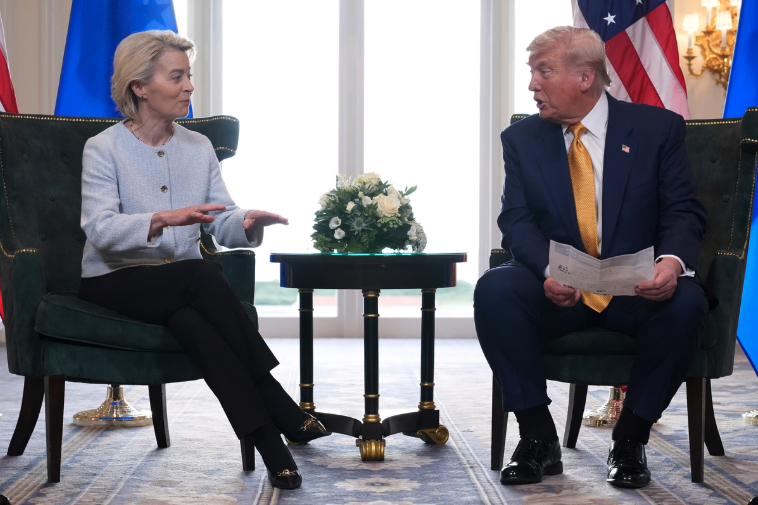
President Donald Trump and European Commission President Ursula von der Leyen talk after reaching a trade deal at the Trump Turnberry golf course in Turnberry, Scotland, on July 27, 2025. Jacquelyn Martin/AP Photo
Washington Says Brussels Has Yet to Fully Deliver on Commitments Made During Last Year’s Trade Talks, While the European Commission Defends Its Regulatory Autonomy

President Donald Trump is accompanied by U.S. Air Force Col. Christopher M. Robinson (L) as he walks to board Air Force One at Joint Base Andrews, Md., on Aug. 11, 2026. (Anna Moneymaker/Getty Images)
President Donald Trump says the United States can continue negotiations, launch further military strikes, or intensify economic pressure as Iran faces soaring inflation, sanctions, and mounting financial difficulties

U.S. and Iranian flags are seen in this illustration taken on March 23, 2026. (Dado Ruvic/Illustration/Reuters)
As fighting pauses and oil and gas prices ease, Trump says Washington is taking a more measured approach to negotiations while Iran faces soaring inflation, financial strain and continued pressure from a U.S. naval blockade
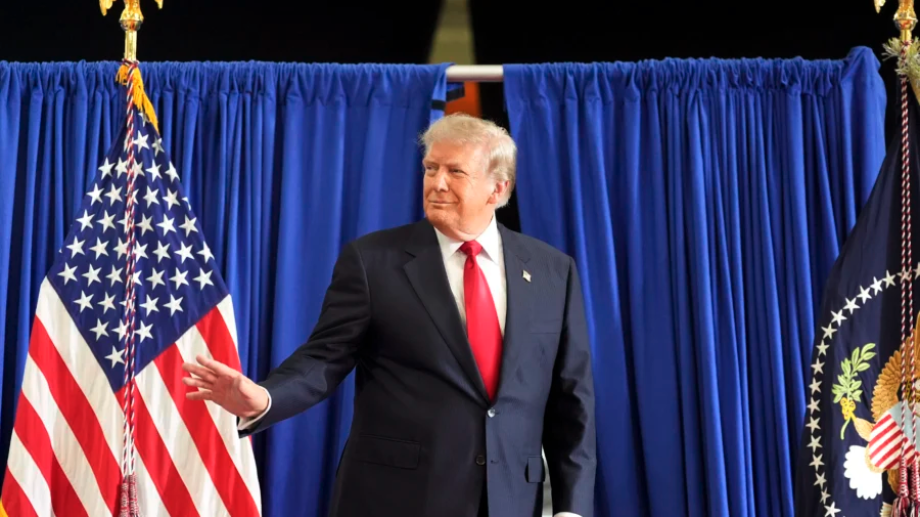
President Donald Trump arrives to speak at General Motors proving ground, Monday, July 27, 2026, in Milford, Mich. (AP Photo/Alex Brandon)
President announces major investments in critical mining projects and more than $180 million in workforce funding as Washington moves to strengthen domestic mineral supply chains and reduce reliance on China
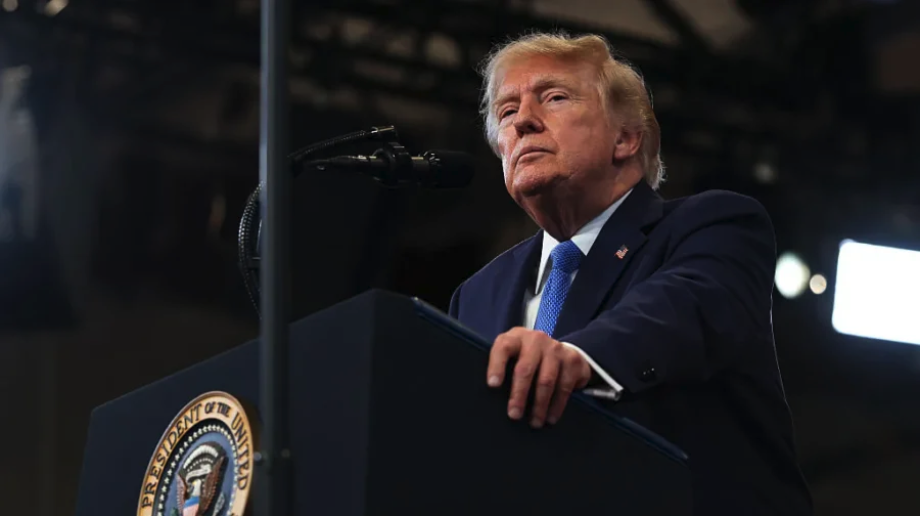
WASHINGTON — President Donald Trump on Friday announced nearly $2 billion in investments for critical mining projects, along with more than $180 million in grants aimed at expanding the American mining workforce.
Trump unveiled the plans during a mining industry roundtable at the State Department, bringing together nearly 200 business leaders, educators, and government officials to support domestic mining companies.
“I think you haven’t been treated well for many years,” Trump told mining industry executives as he opened his remarks.
“We’re putting our miners back to work, and we’re reclaiming America’s rightful place as the minerals superpower of the world,” he said.
Among the initiatives is a $1.4 billion loan agreement signed by the Department of War with Sila Nanotechnologies to build a next-generation battery facility in Washington state.
Other projects include a $400 million investment by the Department of War in Sunrise Energy Metals to produce high-heat aluminum alloys for fighter jets and spacecraft, as well as a $150 million investment in Niron Magnetics, a Minnesota-based company that manufactures magnets for the defense industrial base.
The Export–Import Bank is also preparing to provide loans for mining projects, including a potential loan of more than $1 billion to support Ivanhoe Electric’s Santa Cruz Copper Project in Arizona, Trump said.
“The United States is opening new mines at the fastest pace, and we opened the first American rare earth mine in more than 70 years,” Trump said.
According to the White House, the Department of Energy is launching a $100 million grant program to support scholarships and related initiatives. Universities, community colleges, trade schools, industry groups, and other partners will be eligible to apply.
In addition, the military is providing more than $80 million in funding to three universities for technology and workforce development programs. The recipients are the Colorado School of Mines, the South Dakota School of Mines, and Johns Hopkins University.
“Half of our current mining workforce is set to retire within the next three years,” Trump said during the event.
The new funding is expected to help develop skilled workers and strengthen supply chains for the American mining industry.
The meeting comes as the White House seeks to reduce America’s reliance on China for critical minerals and processed metals, which are essential to the U.S. defense and technology sectors.
Key Cabinet officials attending the roundtable included Interior Secretary Doug Burgum, Secretary of State Marco Rubio, and Commerce Secretary Howard Lutnick. Industry executives from Resolution Copper, MP Materials, American Ocean Minerals, Ivanhoe, and Century Aluminum also participated, according to the White House.
Trump said the United States lost more than 3,400 mines over the past 30 years.
“That’s sad. But now they’re coming back, and they’re coming back faster,” he said.
Since taking office, Trump’s administration has approved more than 160 mineral agreements worth nearly $40 billion, he said.
As part of the effort, the federal government has acquired direct equity stakes in several mining companies. As a result, the Pentagon now holds shares in Lithium Americas, Trilogy Metals, USA Rare Earth, MP Materials, and Atlantic Alumina, as well as a stake in a joint venture with Korea Zinc.

A Google logo at the announcement of Google's biggest-ever investment in Germany in Berlin on Nov. 11, 2025. Sean Gallup/Getty Images
President Donald Trump Announces Immediate Section 301 Investigation, Vowing Tariffs in Response to European Union Fines Targeting Major American Technology Companies
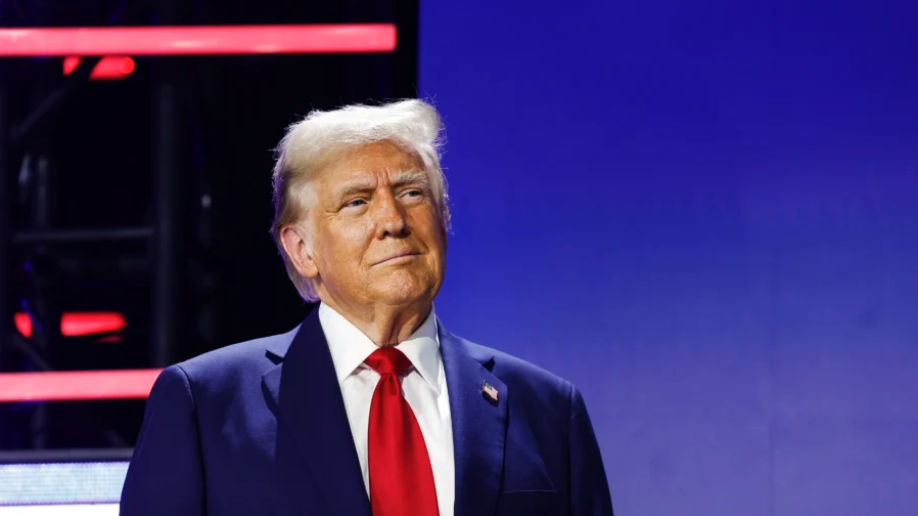
U.S. President Donald Trump in Powder Springs, Ga., on October 28, 2024. (Anna Moneymaker/Getty Images)
New Trade Measures Replace Temporary Global Tariffs, Trigger International Backlash and Set the Stage for Legal and Economic Challenges

Smoke rises from an explosion at an unknown location, during what U.S. Central Command (CENTCOM) says are strikes on Iran, in this still image taken from a handout video released on July 19, 2026. (U.S. Central Command/Handout via Reuters)
Trump Says Bridges and Power Plants Will Be Targeted if Iran Attacks Shipping in the Strait of Hormuz as Military Operations Enter Their 11th Consecutive Day
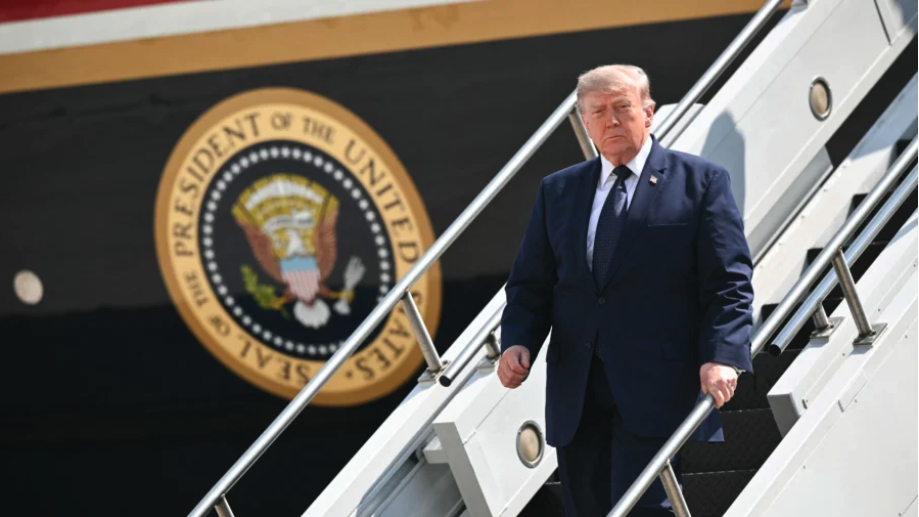
President Donald Trump steps off Air Force One upon arrival at John F. Kennedy International Airport in New York City on July 17, 2026. (Mandel Ngan / AFP via Getty Images)
President Donald Trump Backs Expanding the Lindsey O. Graham Sanctioning Russia Act of 2026 to Include Iran, While Offering Few Details on the Proposed Changes

Vessels at the Strait of Hormuz, as seen from Musandam, Oman, on July 12, 2026. (Stringer/Reuters)
President Says Washington Will Secure the Strait of Hormuz and Charge a 20% Reimbursement on All Cargo as U.S.-Iran Tensions Escalate