



President informs Congress that combat operations have ceased at 60-day deadline while lawmakers dispute legal interpretation amid ongoing ceasefire and naval blockade
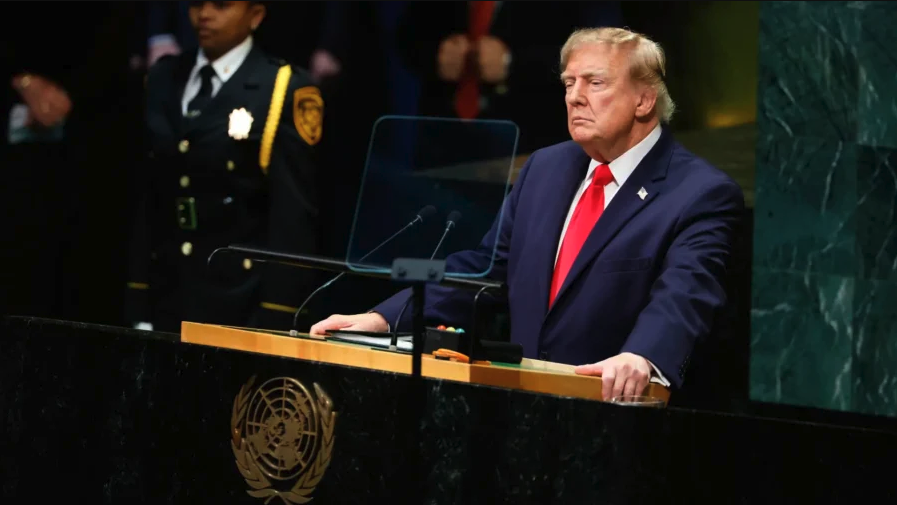
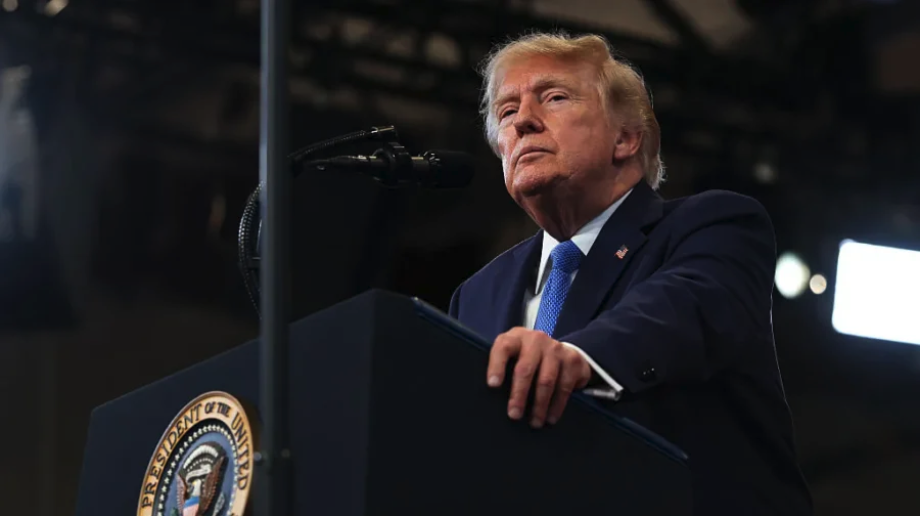
WASHINGTON — President Donald Trump on May 1 formally notified Congress that hostilities with Iran, which began on Feb. 28, have ended.
The notification came exactly 60 days after Trump initially informed Congress that U.S. forces had entered combat operations against Iran. Under the War Powers Resolution, a president must terminate the use of U.S. Armed Forces within 60 days unless Congress declares war or provides specific authorization.
Although the 60-day period has elapsed, Washington and Tehran have since entered into a ceasefire.
“There has been no exchange of fire between United States Forces and Iran since April 7, 2026,” Trump wrote in his letter to Congress. “The hostilities that began on February 28, 2026, have terminated.”
During an April 30 hearing of the Senate Armed Services Committee, Sen. Tim Kaine highlighted a provision in the War Powers Resolution allowing a president to extend military engagement for an additional 30 days without congressional authorization if deemed necessary.
Kaine questioned Secretary of War Pete Hegseth on whether the administration would seek such an extension or request congressional approval for prolonged military action. Hegseth responded that the ceasefire effectively paused the 60-day timeline.
“We are in a ceasefire right now, which our understanding means the 60-day clock pauses or stops in a ceasefire,” Hegseth said.
Kaine countered that he does not believe the administration’s interpretation aligns with the language of the 1973 law.
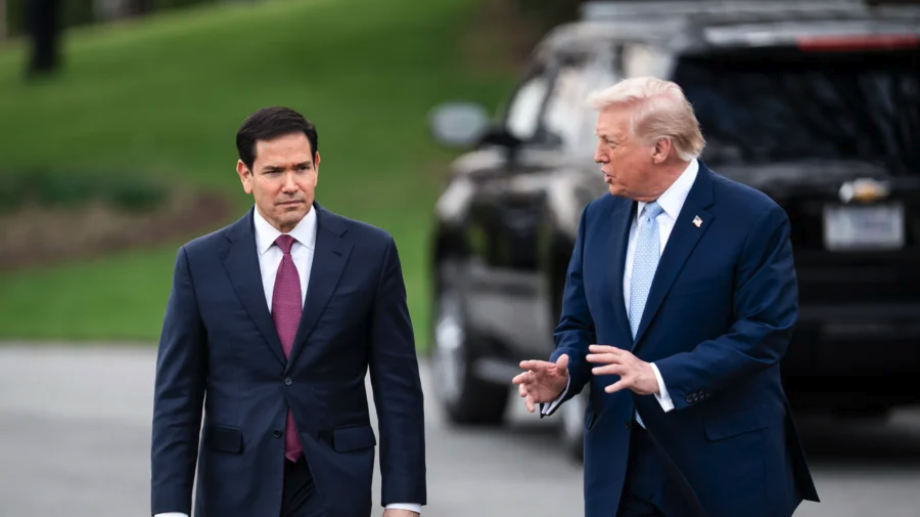
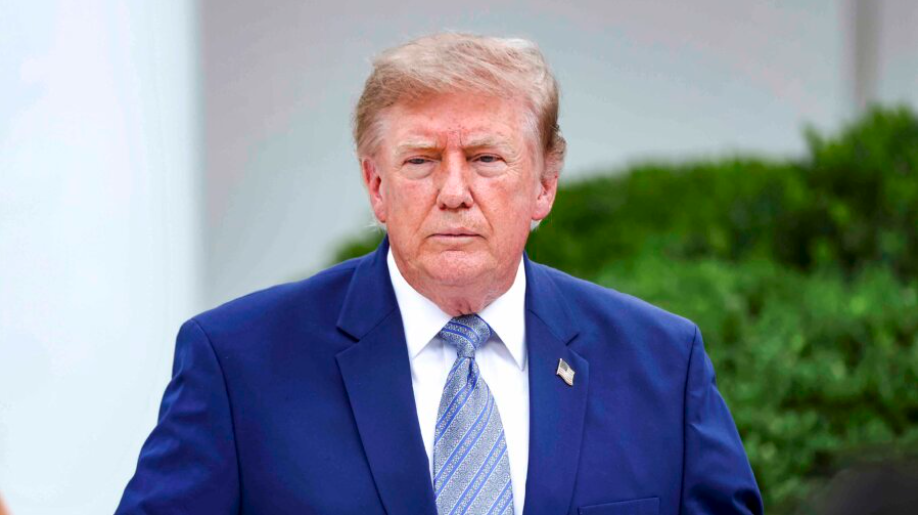
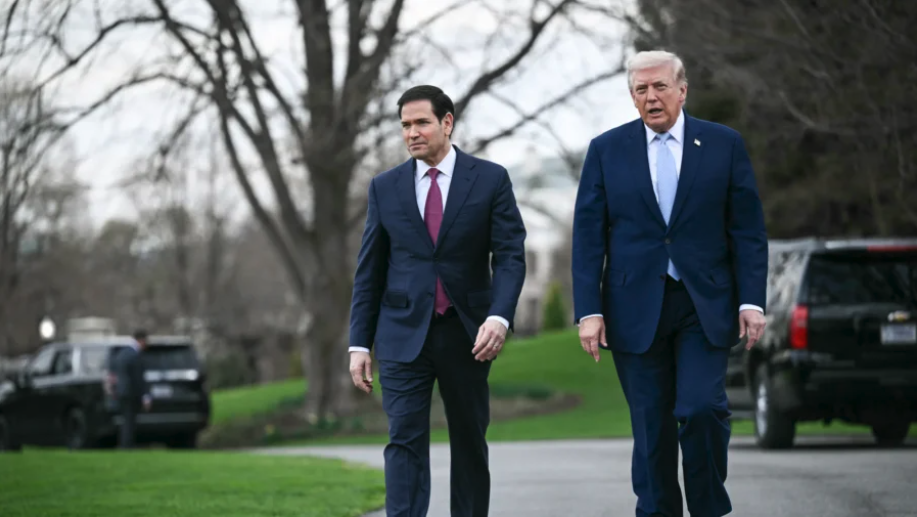
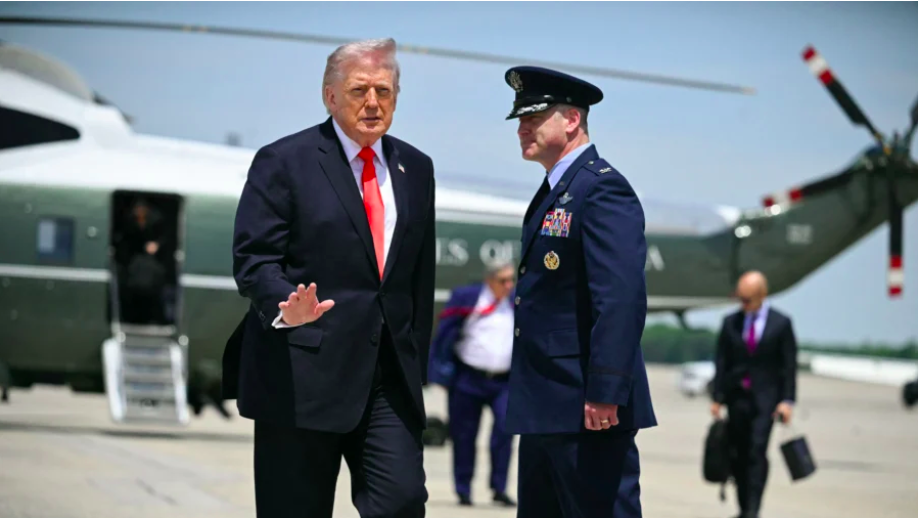
Speaking to reporters on the White House lawn on May 1, Trump reiterated that the ceasefire pauses the timeline, allowing room for potential future military action.
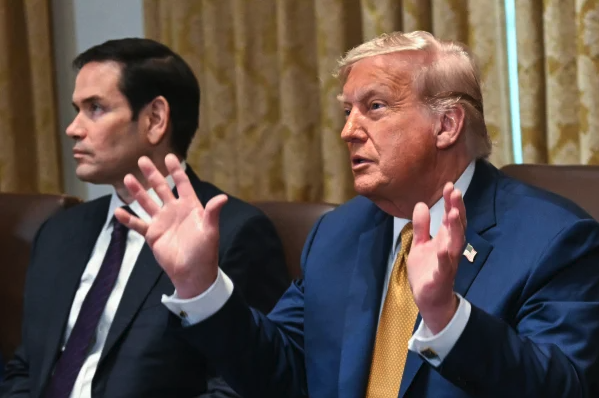
“We’re on our way to another victory, a big victory, and I don’t think that it’s constitutional what they’re asking for. These are not patriotic people that are asking,” Trump said.
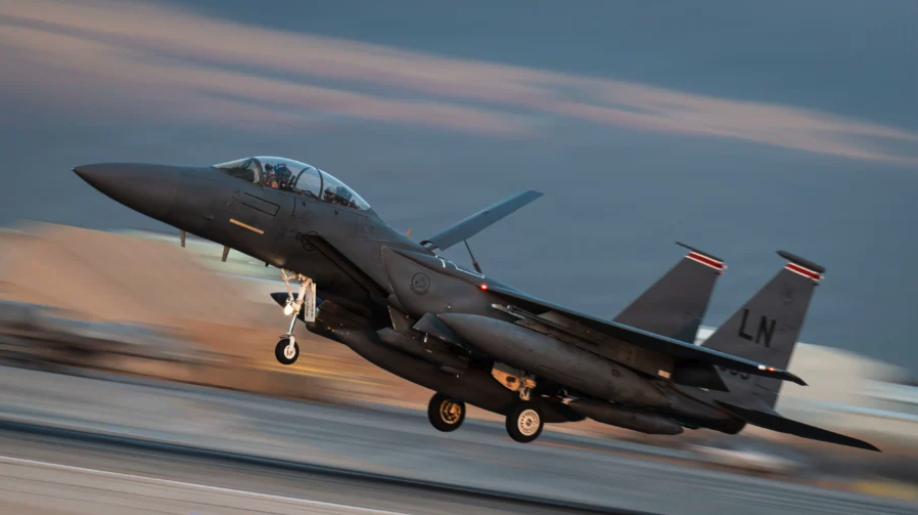
Despite the ceasefire, U.S. forces have continued enforcing a naval blockade on vessels attempting to enter or leave Iranian ports.
United States Central Command reported that in one enforcement action, a U.S. warship fired on the engine room of an Iranian cargo vessel before troops boarded and took control. Additional boarding operations targeting Iran-linked ships have also been conducted during the blockade.
“There’s no pause button in the Constitution, or the War Powers Act. We’re at war. We’ve been at war for 60 days,” Sen. Richard Blumenthal wrote in a May 1 post on X.
Blumenthal argued that the ongoing blockade constitutes “a continuing act of war.”
The White House, when asked to respond to Blumenthal’s remarks, referred to Trump’s May 1 letter to Congress but offered no further comment.
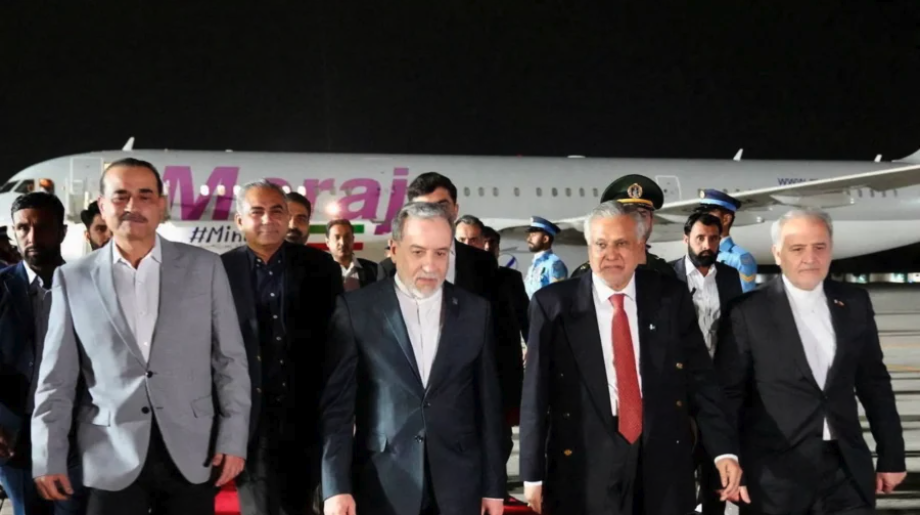
Meanwhile, Washington and Tehran continue negotiations aimed at expanding the current ceasefire into a long-term peace agreement, though progress has been limited. Speaking with reporters outside the White House on Friday, Trump said he remains dissatisfied with the terms proposed by Iran.
“We’re doing everything—in terms of negotiating right now, in terms of the negotiation—telephonically,” he said. “They made strides, but I’m not sure if they ever get there.”