
U.S. President claims Tehran signaled internal breakdown and requested swift access to key waterway as Washington maintains pressure amid fragile ceasefire
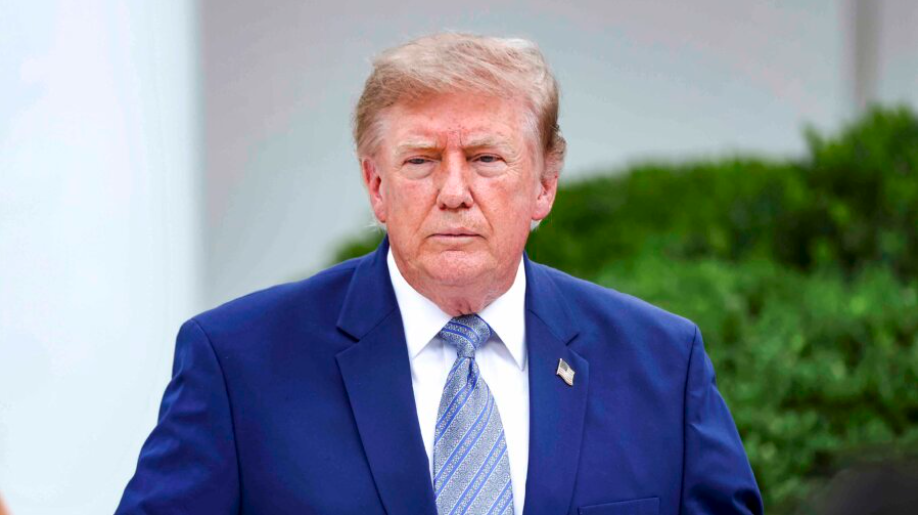
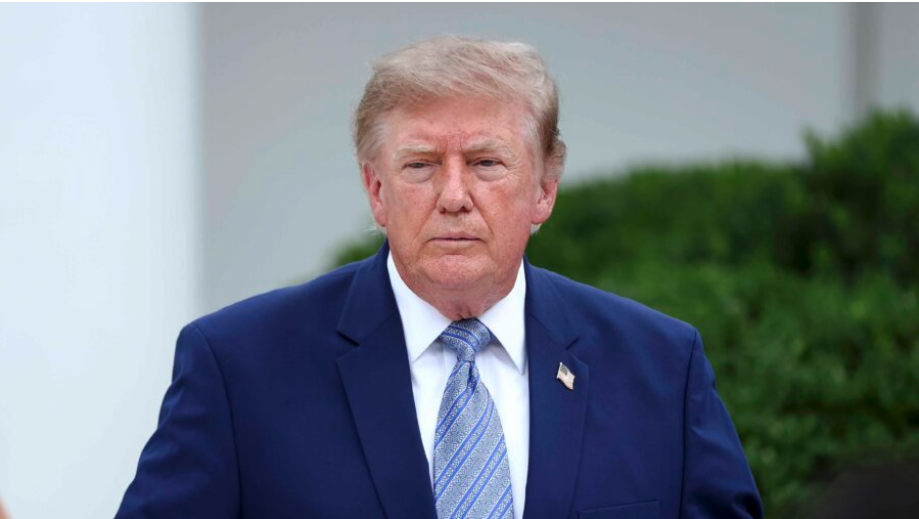
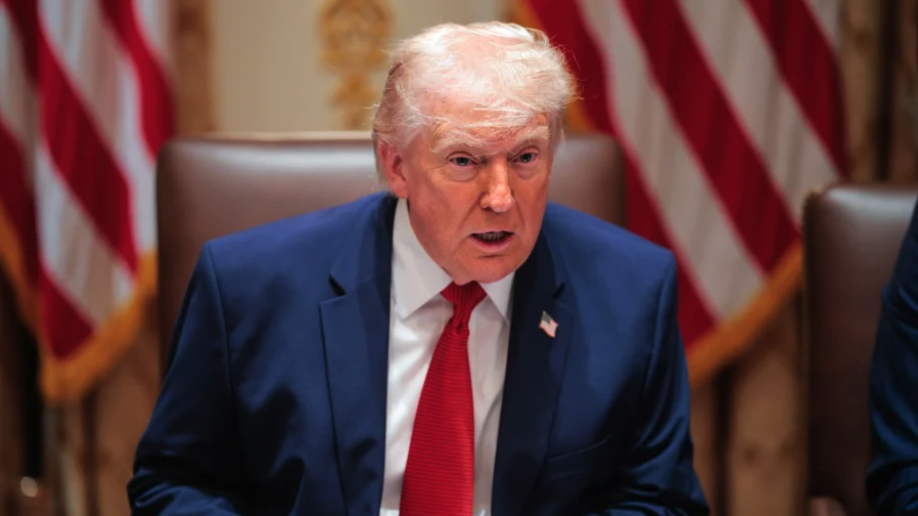
President Donald Trump said Tuesday that Iran has informed his administration it is in a “state of collapse” and is seeking the reopening of the Strait of Hormuz amid what he described as leadership instability.
In a Truth Social post on the morning of April 28, Trump wrote, “Iran has just informed us that they are in a ‘State of Collapse.’”
“They want us to ‘Open the Hormuz Strait,’ as soon as possible, as they try to figure out their leadership situation,” he added.
The president did not provide further details regarding the communication from Tehran. In recent days, Trump said he would extend a ceasefire period to allow time for a proposal to be presented to what he described as the regime’s “seriously fractured” leadership.
He later stated that internal divisions between hardline and moderate factions have effectively left Iran without clear leadership. U.S. and Israeli strikes beginning in February reportedly killed dozens of senior Iranian officials, including leader Ali Khamenei. His son, Mojtaba Khamenei, was named as the country’s top leader but has not appeared publicly since.
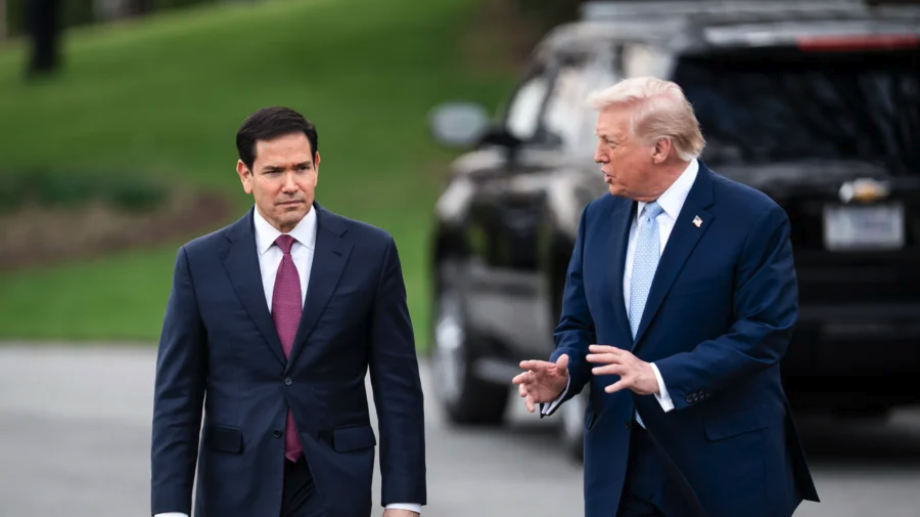
U.S. Secretary of State Marco Rubio warned Monday that Washington would not accept any attempt by Iran to control or restrict traffic through the Strait of Hormuz, as a ceasefire between the two sides has largely held.
Speaking to Fox News, Rubio addressed reports that Iran had proposed reopening the strait after recent talks were canceled, saying the United States cannot allow Tehran to dictate access to the international waterway or impose tolls.
“What they mean by opening the straits is, ‘Yes, the straits are open, as long as you coordinate with Iran, get our permission, or we’ll blow you up, and you pay us,’” Rubio said.
“They cannot normalize, nor can we tolerate them trying to normalize, a system in which the Iranians decide who gets to use an international waterway and how much you have to pay them to use it.”
He emphasized that the strait constitutes an international waterway.
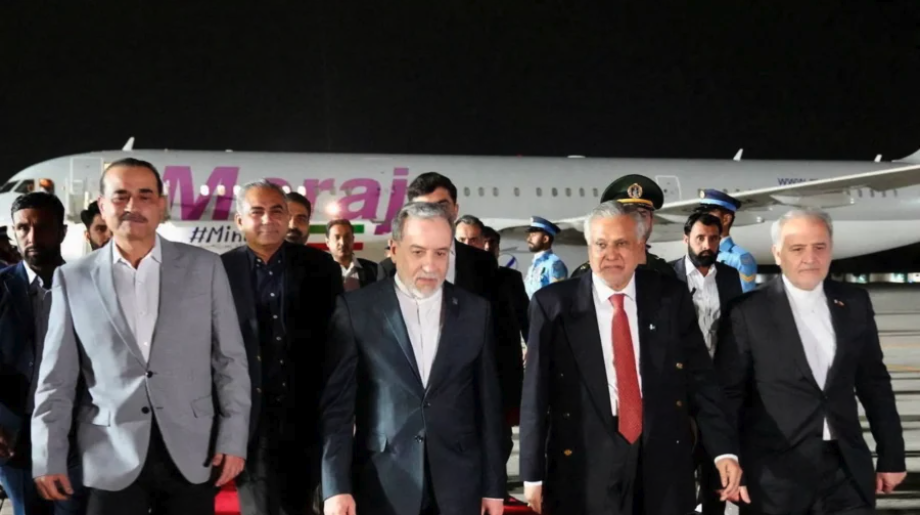
On April 26, Trump said in another Truth Social post that planned meetings between U.S. officials and Iranian representatives in Pakistan were canceled, citing excessive travel time and asserting that Washington holds a strong negotiating position.
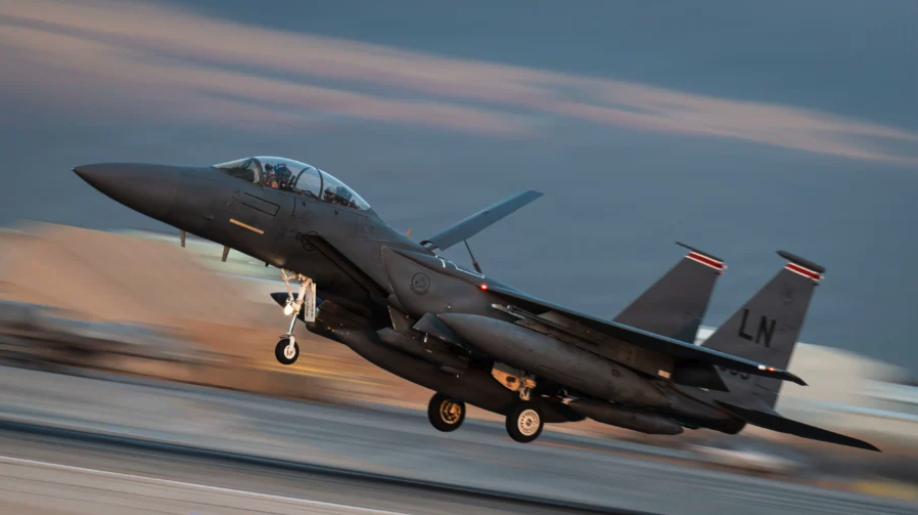
A ceasefire announced earlier this month remains in place, while the U.S. military continues enforcing a naval blockade on Iranian ports to increase economic pressure. Beginning Feb. 28, U.S. and Israeli forces carried out strikes targeting Iranian military assets and senior leadership.
United States Central Command reported that more than three dozen vessels have been turned back or halted since the blockade began in early April. On Monday evening, the command said a U.S. destroyer intercepted the vessel M/T Stream after it attempted to reach an Iranian port.
Trump has reiterated that Iran must not obtain nuclear weapons and must reopen the Strait of Hormuz, a vital route linking the Persian Gulf to the Indian Ocean. Approximately one-fifth of global oil traffic typically passes through the strait, and its disruption has driven up energy prices.
The White House did not immediately respond to a request for comment Tuesday.