
U.S. President signals doubts over Tehran’s 14-point framework, citing unresolved grievances as tensions rooted in decades-long conflict remain central to negotiations
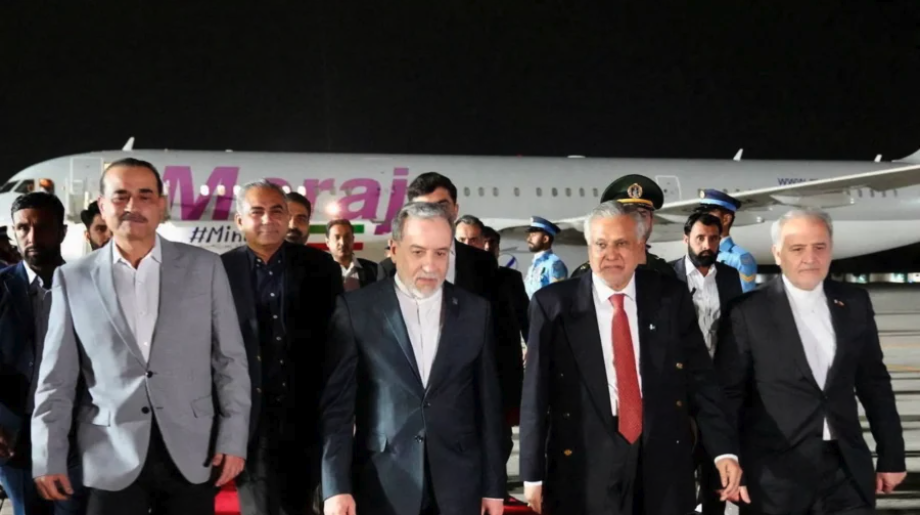
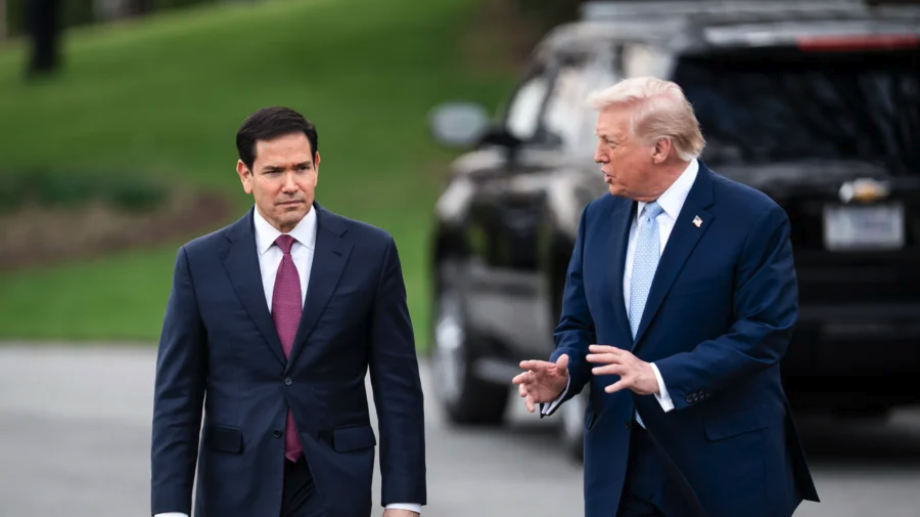
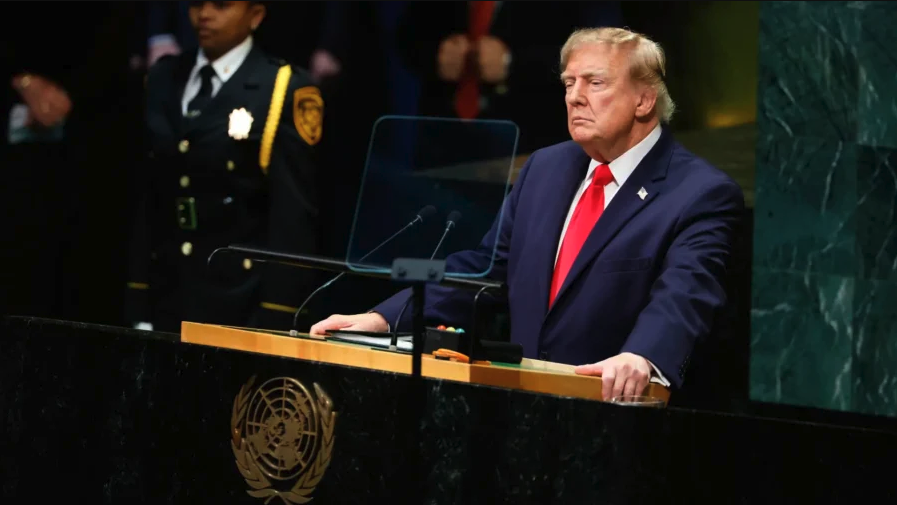
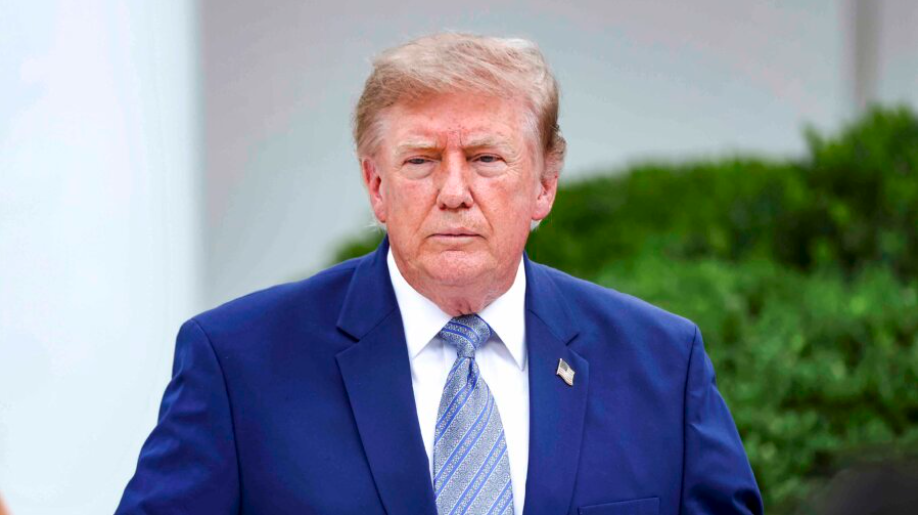
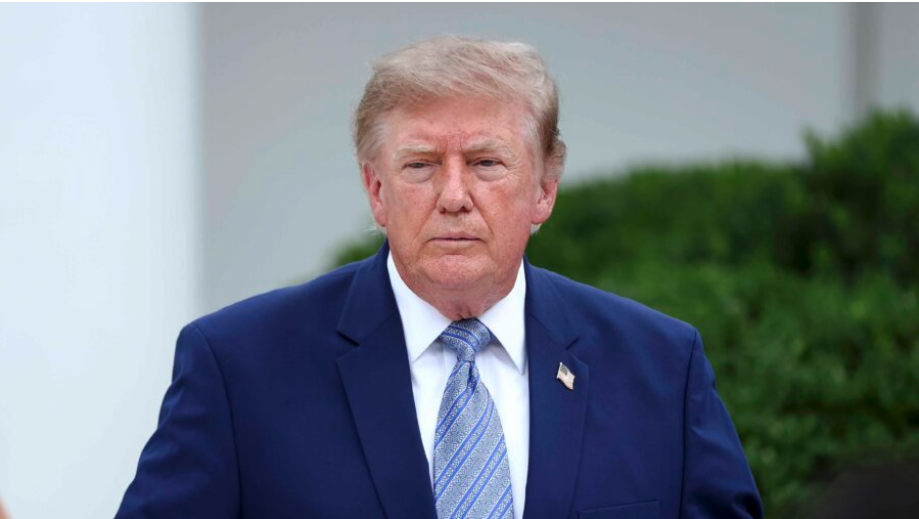
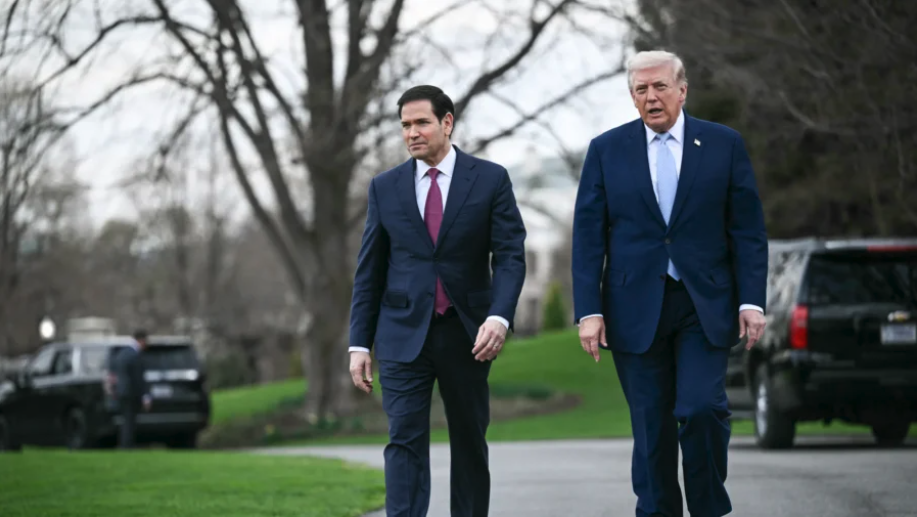
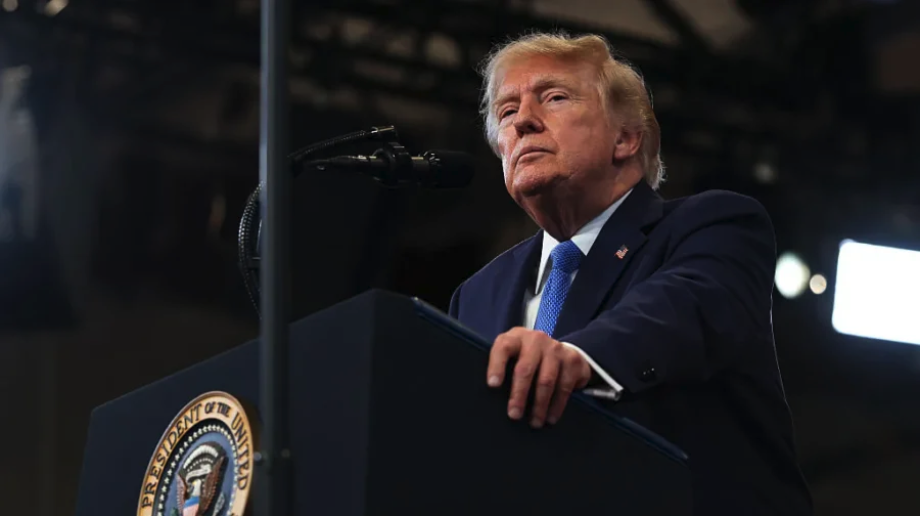
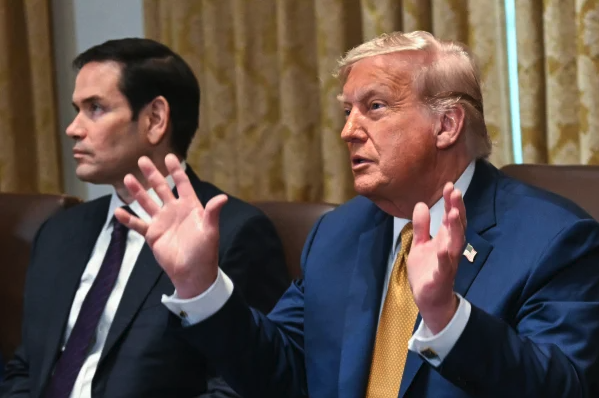
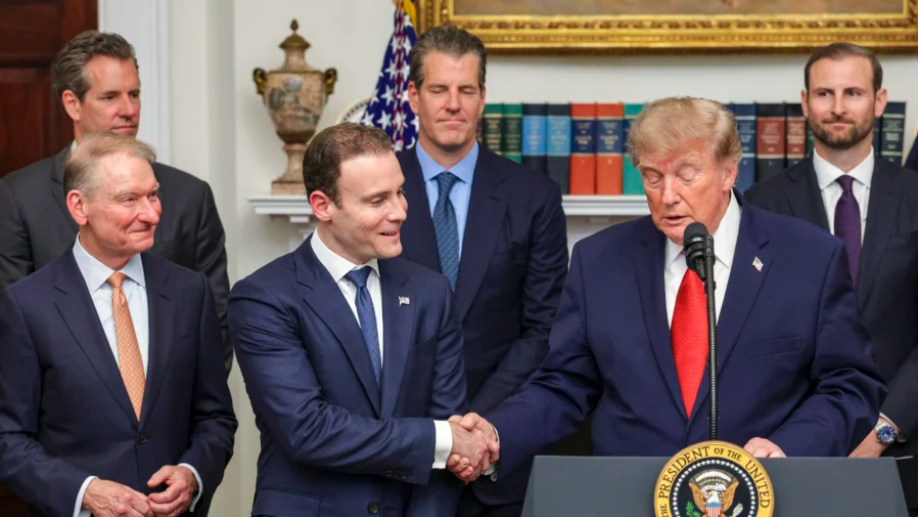
President Donald Trump said on May 2 that he will review a new peace framework submitted by Iranian negotiators, while expressing skepticism that the proposal would lead to an acceptable agreement.
“I will soon be reviewing the plan that Iran has just sent to us, but can’t imagine that it would be acceptable in that they have not yet paid a big enough price for what they have done to Humanity, and the World, over the last 47 years,” Trump wrote in a post on Truth Social.
Relations between Washington and Tehran have remained strained since the Iranian Revolution, when Islamic revolutionaries overthrew Iran’s last Shah and established the country’s current Shia Muslim leadership structure. Revolutionary activists took 66 U.S. citizens hostage on Nov. 4, 1979, releasing them on Jan. 20, 1981.
The United States has consistently designated Iran as the world’s leading state sponsor of terrorism in the decades since.
Trump has frequently described U.S.–Iran relations since 1979 as a 47-year war.
According to Iran’s state-run PressTV, Tehran’s latest proposal outlines a 14-point framework that includes ending fighting on all fronts, halting the ongoing U.S. blockade of Iranian ports, securing guarantees against future hostilities, withdrawing U.S. forces from areas near Iran, lifting sanctions, releasing frozen Iranian assets, and providing reparations.
PressTV also reported that the proposal includes a “new mechanism” for the Strait of Hormuz, though it offered limited details about how it would function.
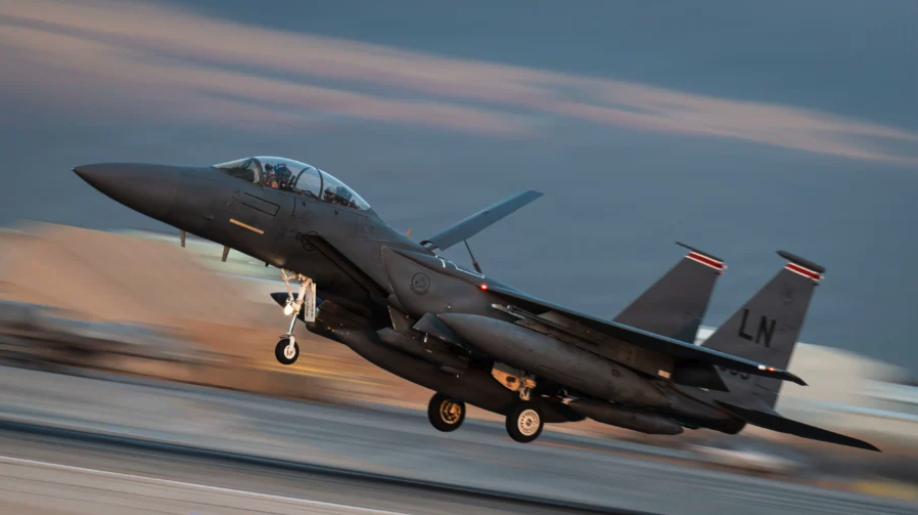
Following the launch of U.S. and Israeli attacks on Iran on Feb. 28, Iranian forces began targeting shipping in the Strait of Hormuz, disrupting commercial traffic through the vital international waterway.