
President Highlights Sharp Decline in Energy Prices as Markets Respond to Washington and Tehran’s Interim Agreement, While Regional Tensions Continue to Influence Oil Supply
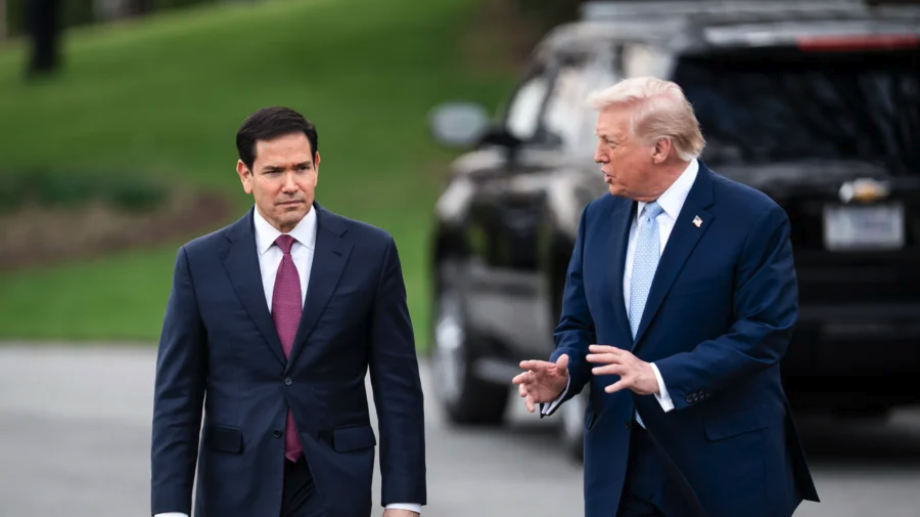
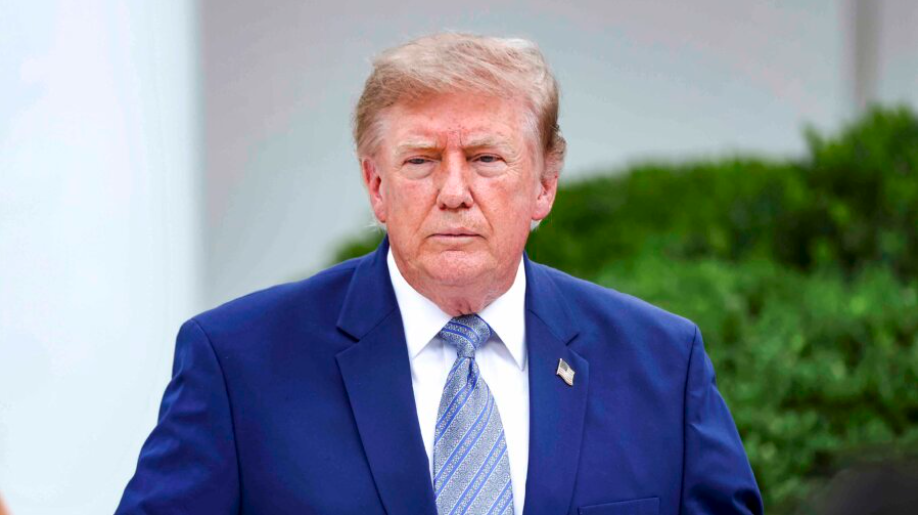
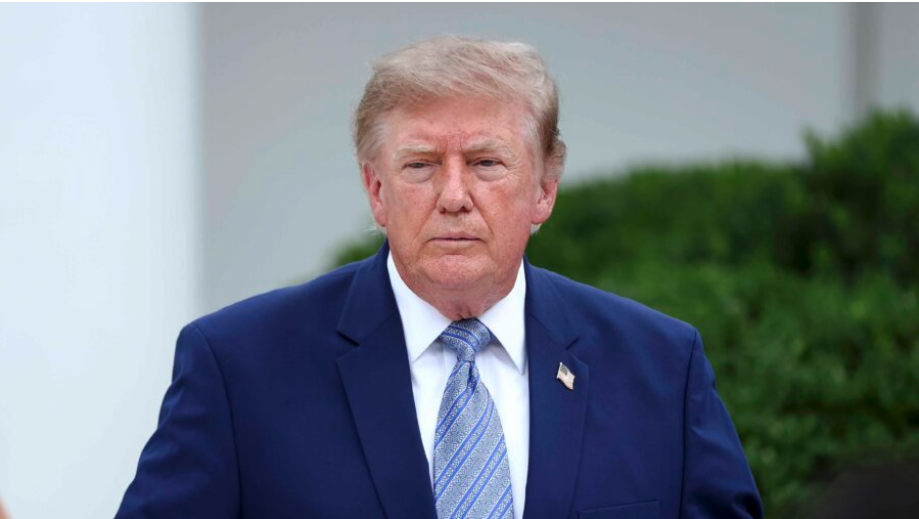
President Donald Trump said on Monday that gasoline and oil prices are continuing to decline rapidly following the signing of an interim peace agreement between Washington and the Iranian regime.
“Gas prices coming down, fast!” Trump wrote on June 29 on Truth Social, capitalizing every word of the post. He also urged the public to “Report any abuses at retail level,” referring to an earlier statement about a Department of Justice investigation into gas stations allegedly engaged in price gouging.
In a separate post, Trump said the price of West Texas Intermediate (WTI) crude oil had fallen significantly after surging during the conflict with Iran. He described the military campaign as part of an effort to pressure Iran into abandoning its nuclear program, a long-standing objective of his administration.
“WTI CRUDE - $69, and heading down,” Trump wrote. “This is less than it was prior to the start of the Denuclearization of Iran!”
By Monday afternoon, WTI crude had edged higher to around $70 per barrel, while Brent crude also rose to approximately $73 per barrel.
During the conflict, after U.S. and Israeli forces launched strikes against Iran and Tehran attempted to close the strategic Strait of Hormuz, WTI crude prices climbed above $110 per barrel and remained above $100 for much of the fighting.
The increase in oil prices also affected consumers in the United States. According to GasBuddy, the national average price for regular gasoline exceeded $4.50 per gallon in mid-May.
Data from the American Automobile Association (AAA) showed that, as of June 29, the average price of regular gasoline had fallen by less than one cent from the previous day to approximately $3.86 per gallon. One month earlier, the national average stood at $4.39 per gallon.
Chevron Chief Financial Officer Eimear Bonner said last week that gasoline prices are expected to continue declining if tensions in the Middle East ease. She noted that reductions in crude oil prices typically take time before being reflected in prices at the pump.
“It’s going to take time, though,” Bonner told CNBC on June 25. “There is a lag between, you know, oil prices and reductions in oil prices and when that shows up at the pump, but we expect that prices will come down as things continue to normalize.”
Oil prices have fallen sharply since the United States and Iran signed a memorandum of understanding to end the fighting, although public disagreements between Tehran and Washington have continued over control of the Strait of Hormuz, a critical waterway through which roughly one-fifth of the world’s traded oil passes.
Meanwhile, tensions resurfaced over the weekend after Iran launched attacks on a vessel transiting the Strait of Hormuz as well as targets in Bahrain and Kuwait. The U.S. military responded with strikes against Iranian military targets before a U.S. official confirmed on Sunday evening that additional planned attacks had been called off.