


President Donald Trump Backs Expanding the Lindsey O. Graham Sanctioning Russia Act of 2026 to Include Iran, While Offering Few Details on the Proposed Changes
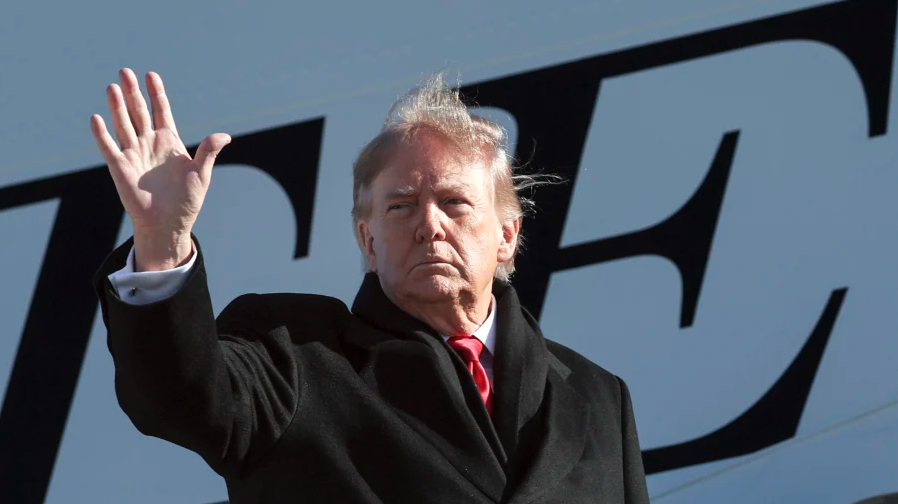
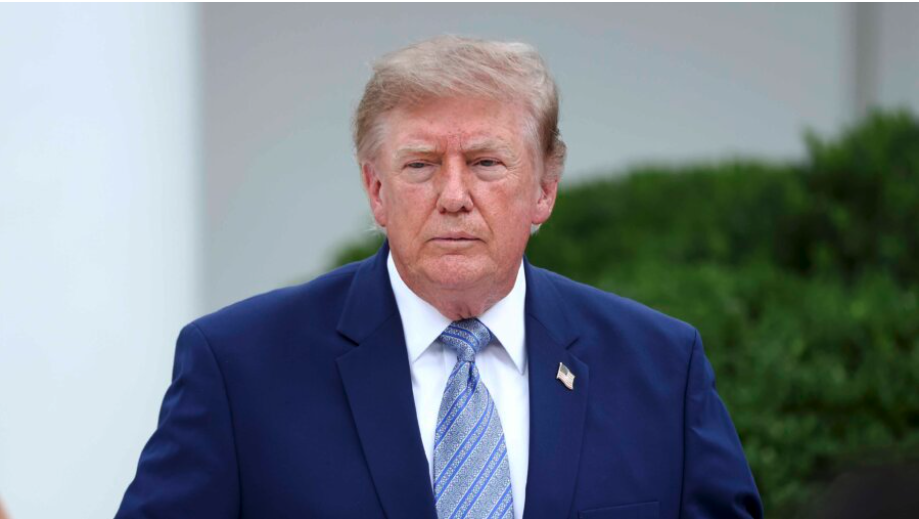
President Donald Trump on Sunday urged lawmakers to expand a Russia sanctions bill by adding Iran, saying the move reflected the wishes of the late Sen. Lindsey Graham (R-S.C.).
“That’s what Lindsey wanted to do, and it was going to happen. IMPORTANT!!!” Trump wrote on Truth Social.
The president did not provide additional details about how he wants to modify the legislation or specify what new sanctions against Iran should be included.
Trump’s remarks came one day after the U.S. State Department issued a worldwide travel advisory for Americans, warning of the potential for further escalation involving Iran. The department also cautioned that Iran-backed or Iran-supportive groups could target U.S. interests overseas.
The United States already enforces broad sanctions on Iran through multiple executive orders and federal laws targeting the country’s energy, financial, shipping, defense, and other sectors. The Treasury Department’s Office of Foreign Assets Control oversees the sanctions program and has continued to announce new Iran-related sanctions in recent weeks.
On July 10, the Treasury Department imposed sanctions on Iranian financier Ali Ansari and several exchange houses accused of moving billions of dollars on behalf of sanctioned Iranian banks through shell companies designed to conceal the regime’s financial activities.
Although the executive branch has continued expanding sanctions on Iran, Trump indicated that Congress should also address the country through the pending Russia sanctions legislation.
Sens. Richard Blumenthal (D-Conn.) and Darline Graham (R-S.C.) introduced the Lindsey O. Graham Sanctioning Russia Act of 2026 on July 16. The measure updates an earlier version of the bill that Graham introduced in April 2025, which was referred to the Senate Banking, Housing, and Urban Affairs Committee but never advanced out of committee.
The revised legislation was introduced with the backing of more than 60 bipartisan cosponsors.
Named in honor of Graham, who died on July 11, the bill is intended to continue his effort to impose tougher sanctions on Russia.
Some lawmakers had previously argued that the original proposal's sanctions on Russia were too sweeping and could have unintended economic consequences for key U.S. allies. The Trump administration also raised concerns about the earlier version, arguing that the president should retain the flexibility to waive sanctions when doing so serves the nation’s best interests.
“Ukraine is at a critical crossroads—and we must meet this pivotal moment with a powerful sanctions bill,” Blumenthal said in a statement on July 16.
“As Ukraine turns the tide on the battlefield, our Russia sanctions bill would be historically impactful in stopping Russia’s murderous slaughter. … Sanctions provide a path toward peace. Our bill is the product of lengthy, detailed, difficult bipartisan work, and now has broad bipartisan support.”