The president’s three-day diplomatic trip includes ASEAN and APEC engagements, trade negotiations, a Quad leaders’ meeting, and a potentially consequential trilateral discussion with Chinese leader Xi Jinping and Russian President Vladimir Putin.
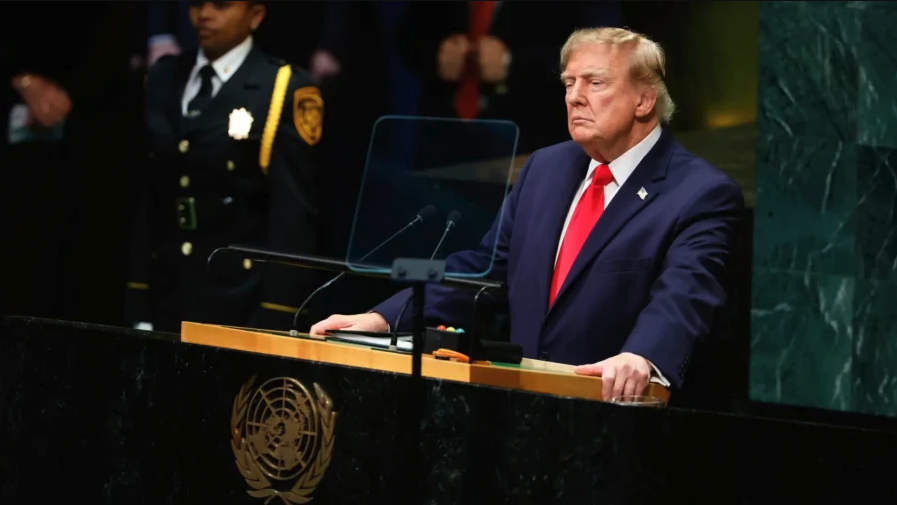
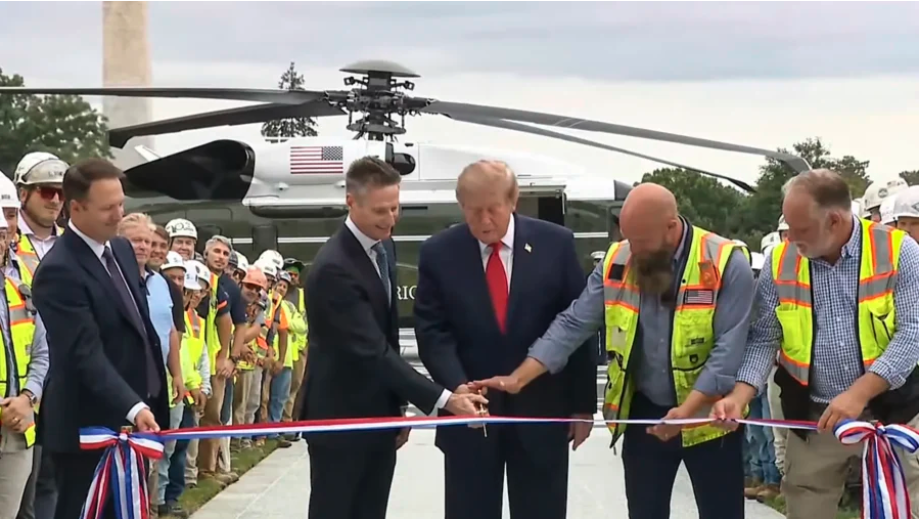
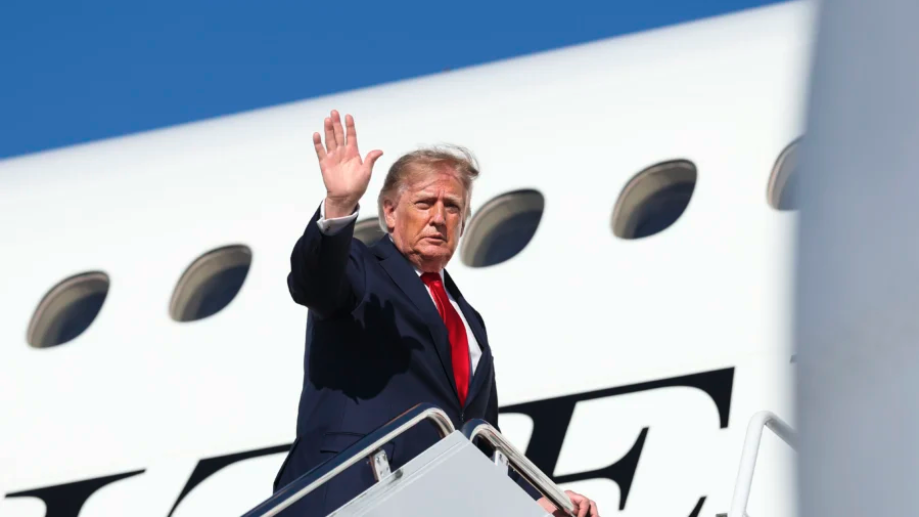
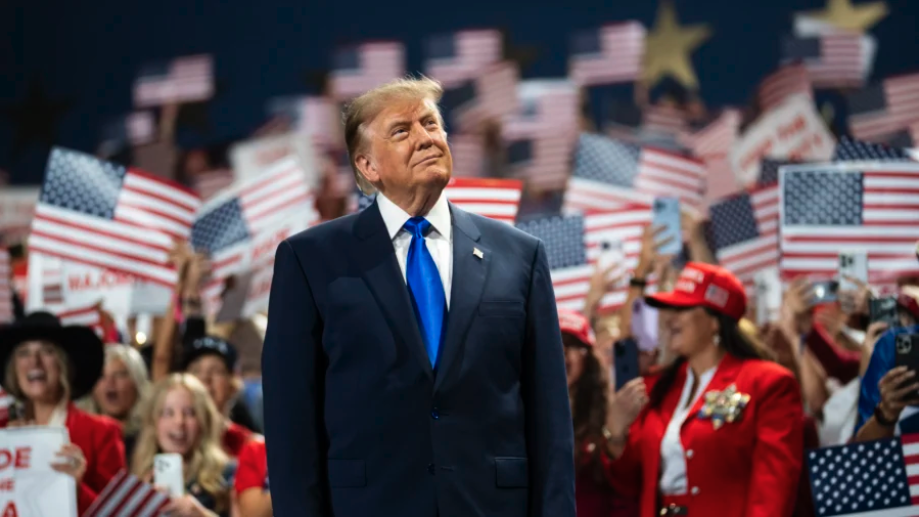
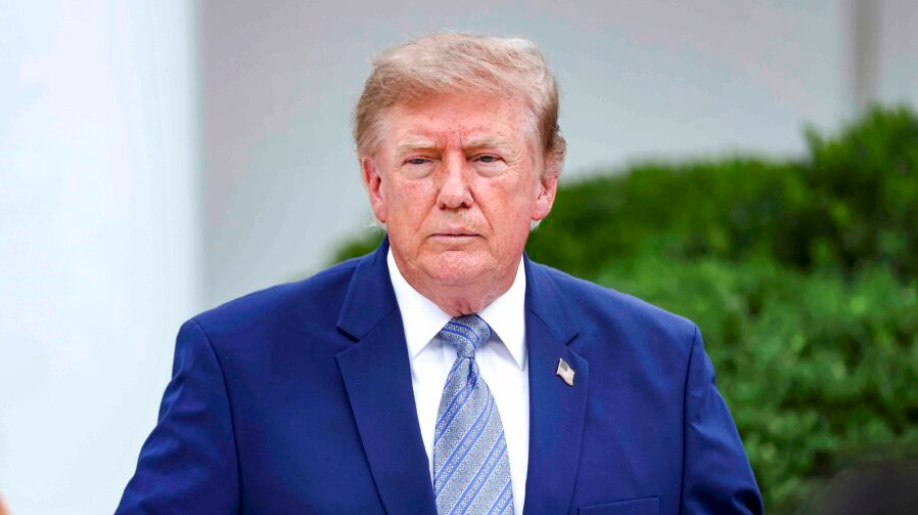
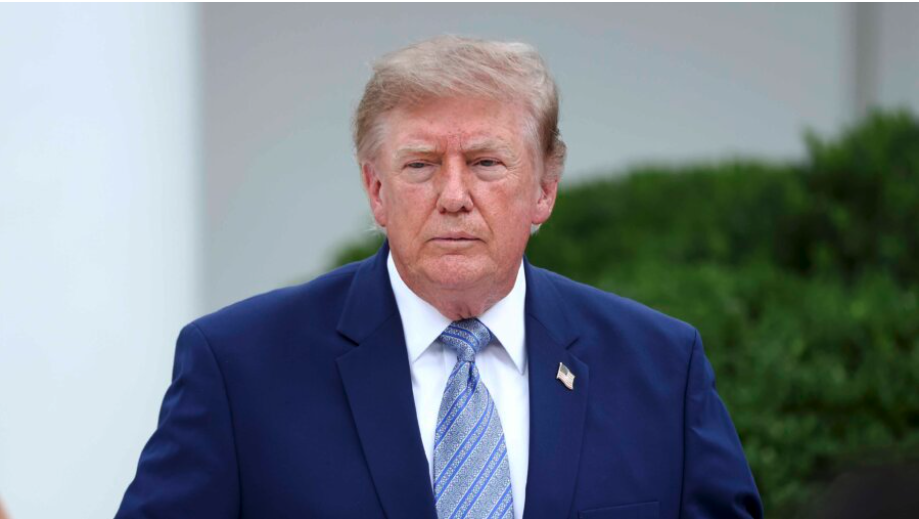
MANILA, Philippines— President Donald Trump is traveling to Asia for his first international trip since the midterm elections, with scheduled stops in the Philippines and China.
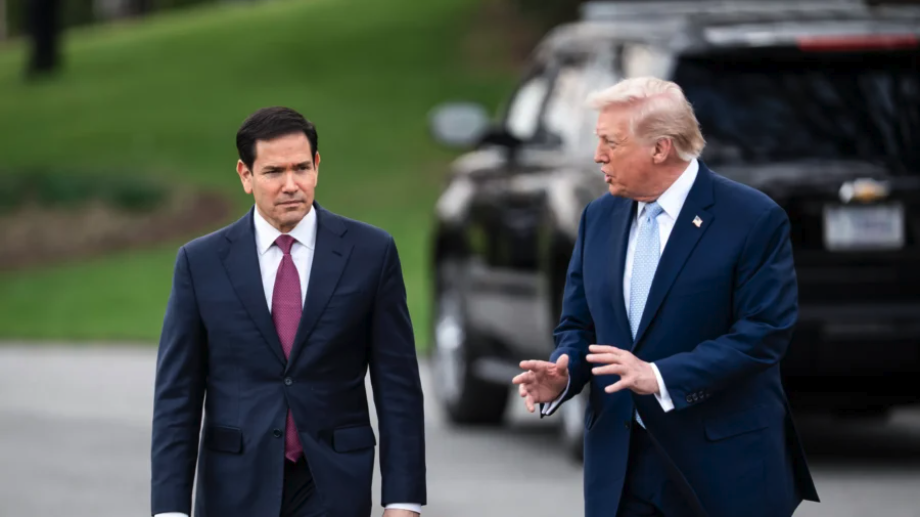
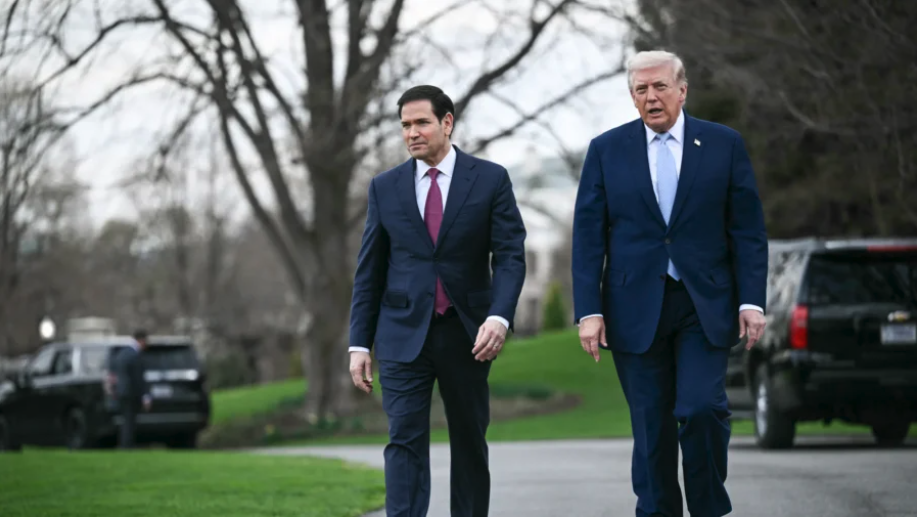
The presidential delegation includes Secretary of State Marco Rubio, Treasury Secretary Scott Bessent, Commerce Secretary Howard Lutnick, and White House Chief of Staff Stephen Miller.
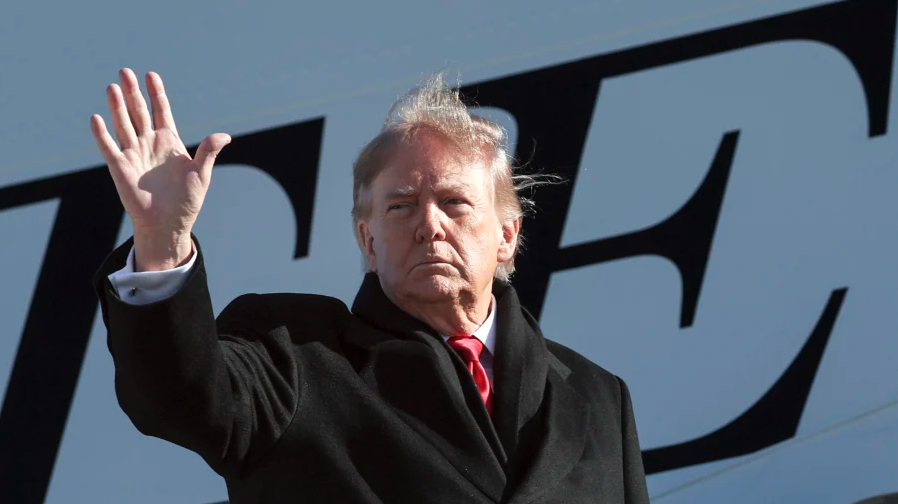
Air Force One departed Washington on Nov. 16 and is scheduled to return on Nov. 19. The three-day trip features a packed schedule of high-stakes meetings with world leaders, including a proposed trilateral discussion involving Russian President Vladimir Putin and Chinese Communist Party (CCP) leader Xi Jinping.
Trump also hinted at a possible meeting with North Korean leader Kim Jong Un as he departed the White House on Nov. 16.
Trump is scheduled to arrive in Manila on Nov. 17, as international delegations gather in the Philippines for the Association of Southeast Asian Nations (ASEAN) conference. The president is expected to attend a special summit reception and dinner.
Attending the ASEAN conference “signals that the U.S. is engaging in something that’s very, very important to Southeast Asia, and recognizes that Southeast Asia continues to be an area of significant competition between the U.S. and China,” Edgard Kagan, former U.S. ambassador to Malaysia, told reporters during a Nov. 9 press briefing.
A trade agreement between the United States and Thailand is expected, along with other announcements.
Another priority is advancing the Pax Silica initiative, a U.S.-led effort established by the State Department in November 2025 to secure supply chains and critical minerals needed for artificial intelligence, which the Trump administration has dubbed “super intelligence.”
Trump is also expected to encourage Asian nations to purchase advanced computing technology from U.S. suppliers rather than Chinese manufacturers.
In addition, the president will meet with leaders of the Quad, representing the United States, Japan, India, and Australia. The meeting will mark his first engagement with the group since returning to the White House, following delays caused by tariff disputes.
Regional Partnerships
The timing of the meetings sends a message to the CCP that the United States is strengthening political and economic partnerships across the region, according to analysts.
“It’s fair to say the Chinese are not fans of the Quad,” Kagan said, noting that the meeting sends a message to Xi “that the U.S. has some very significant relationships, and … doing this immediately before going to China is a reminder that the president’s working on the U.S.-India relationship.”
Rubio met with Quad representatives on Inauguration Day in 2025 to discuss their shared goal of a “free and open Indo-Pacific.” That gathering marked the group's most recent official meeting.
Philippine President Ferdinand “Bongbong” Marcos Jr. will host Trump at Malacanang Palace on Nov. 18 for a bilateral lunch.
The discussions are expected to cover the U.S.–Philippine Mutual Defense Treaty, tariffs, trade, and other issues.
The U.S. delegation will then travel to Shenzhen, China, on Nov. 18 to attend the Asia-Pacific Economic Cooperation (APEC) summit.
Analysts at the Center for Strategic and International Studies (CSIS) expect Trump's meeting with Xi to build on previous discussions concerning trade, tariffs, and rare-earth minerals.
Xi visited the White House from Sept. 23 to Sept. 25, while Trump traveled to Beijing for a state visit from May 13 to May 15. The two leaders also met in Busan, South Korea, in October 2025, where they reached an understanding on critical mineral trade and exports to the United States. However, analysts said the export levels reported so far have fallen short of expectations.
The two leaders could meet again from Dec. 14 to Dec. 15 in Miami for the G20 Leaders’ Summit.
The Trilateral Meeting
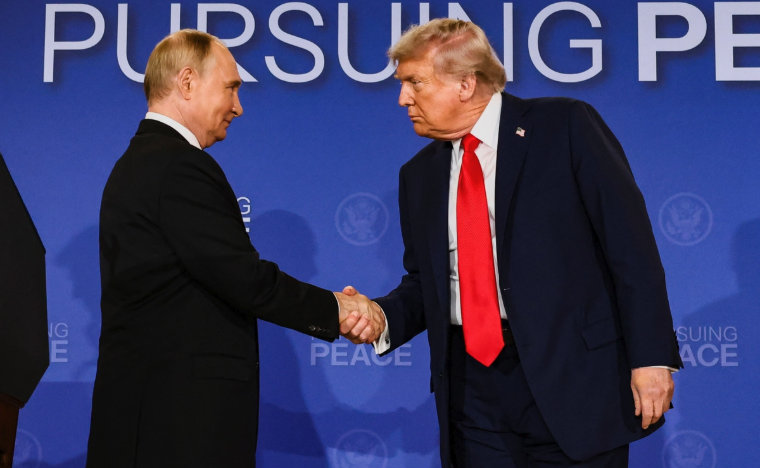
Particular attention is focused on a possible meeting between Trump, Xi, and Putin on the sidelines of the summit in Shenzhen on Nov. 19.
The United States and Russia are open to the proposed discussion, while China remains uncertain about the arrangement, according to Victor Cha, president of the Geopolitics and Foreign Policy Department and Korea Chair at CSIS.
“They’re a little bit hesitant because it’s very unpredictable,” Cha said during a press briefing on Trump's upcoming trip. “It could go very poorly; it could go very well. The U.S. wants to focus such a meeting on arms control as opposed to Ukraine or Iran, and I think that is also sort of a flashing red light for the Chinese.”
Denuclearization and military arms control are among the topics proposed by Putin and agreed to by Trump, although details of the potential agenda remain limited.
“An ambitious arms control agreement does not look like a likely outcome from this,” Heather Williams, director of the Project on Nuclear Issues and senior fellow in the defense and security department at CSIS, said during the briefing.
“If Trump, Putin, and Xi do meet to discuss denuclearization, I would say expect modest risk reduction steps at best and, in particular, watch for friction with U.S. allies.”
Williams highlighted steps taken by the Chinese regime in recent years to expand its nuclear arsenal. She also noted that the CCP had engaged in discussions with the Biden administration on denuclearization, although no formal decisions were announced.
According to Williams, potential outcomes of the trilateral talks could include a joint statement declaring that nuclear war is unwinnable and unacceptable; an agreement that human beings, rather than advanced computing models, must retain control over nuclear weapons systems; and the establishment of a standardized protocol for notifying other countries of missile launches.