
The U.S. president criticized Volodymyr Zelenskyy for continuing attacks on Russian energy infrastructure, while a new agreement to export millions of tons of diesel has drawn sharp objections from Kyiv.
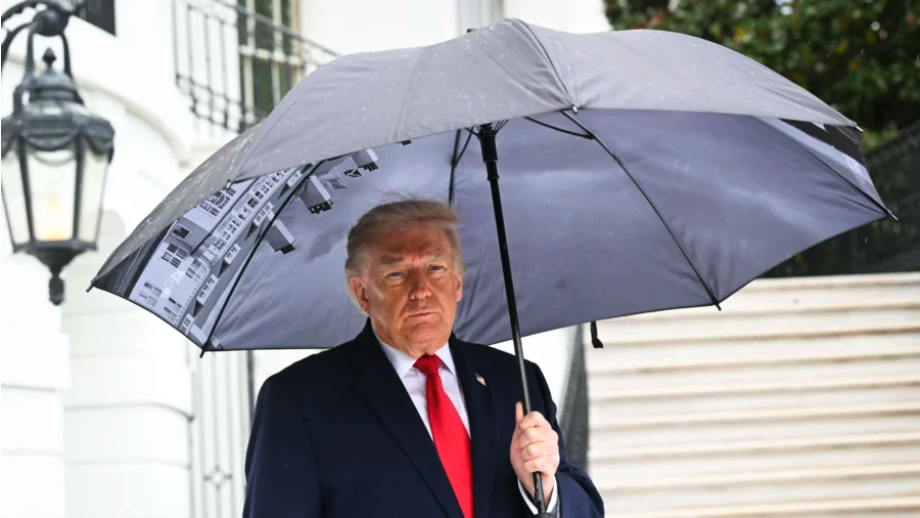
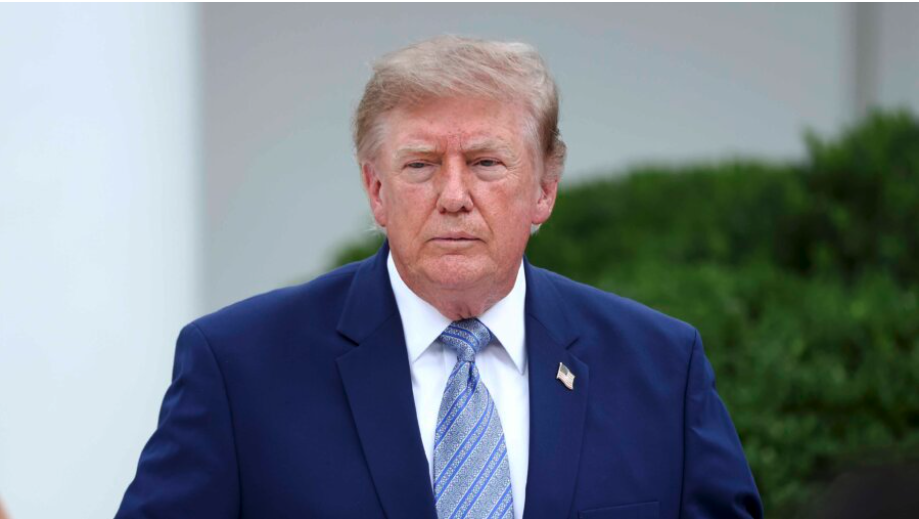
U.S. President Donald Trump suggested on Oct. 10 that Ukraine needs a new leader, one day after his administration announced a deal with Russia to supply diesel to the global market amid rising fuel prices.
Trump told reporters on Saturday that Ukrainian President Volodymyr Zelenskyy had been given the opportunity to settle the ongoing war between Russia and Ukraine “many times” but had chosen not to do so.
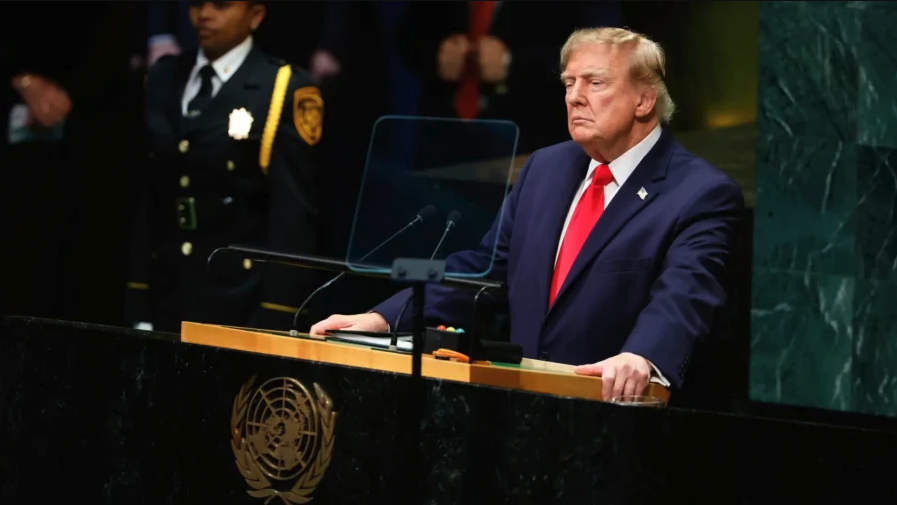
“That’s a war that should have never started, and I think it’s time for Ukraine to get a new president,” Trump said.
Over the past several weeks, Trump has repeatedly urged both Ukraine and Russia to stop carrying out military strikes on energy infrastructure.
On Sept. 4, Trump announced that the two countries had agreed to cease additional attacks on energy infrastructure, including oil refineries. However, Ukraine has since continued to target Russian oil and gas refineries, while Russia has continued to strike Ukrainian gas stations and other energy infrastructure.
On Saturday, Trump reiterated his calls for Ukraine to stop targeting Russia’s energy infrastructure, noting that Russia supplies “a large portion” of the diesel fuel used worldwide.
“We said you can do whatever you want to Russia. Don’t hit the refineries because that’s a world problem that’s caused,” Trump said. “And what does he do? He goes and hits the diesel fuel.”
In his remarks to reporters, Trump accused Zelenskyy of wanting to create problems for American farmers and ranchers, as well as for the rest of the world.
Trump also said that if he had been president in 2022, the war would not have taken place. He added that there was “no reason” for the conflict between Russia and Ukraine to have started, suggesting it resulted from “incompetence.”
The president said Ukraine had lost 30 percent of its territory as a result of the war and that more than 2 million people had been killed on both sides.
Zelenskyy Criticizes Diesel Deal With Russia
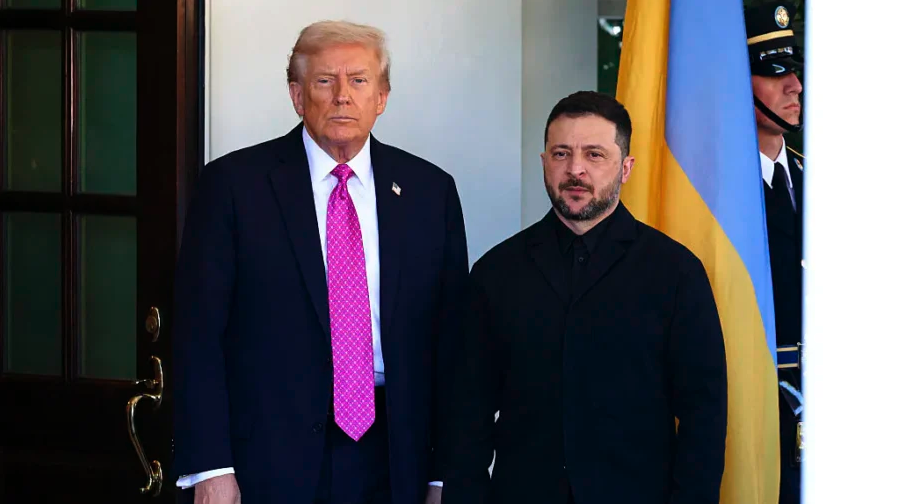
Trump’s remarks followed Zelenskyy’s criticism of the agreement between the United States and Russia. In a statement released by the Ukrainian Embassy in Washington, Zelenskyy described the deal as a “weak decision by strong partners.”
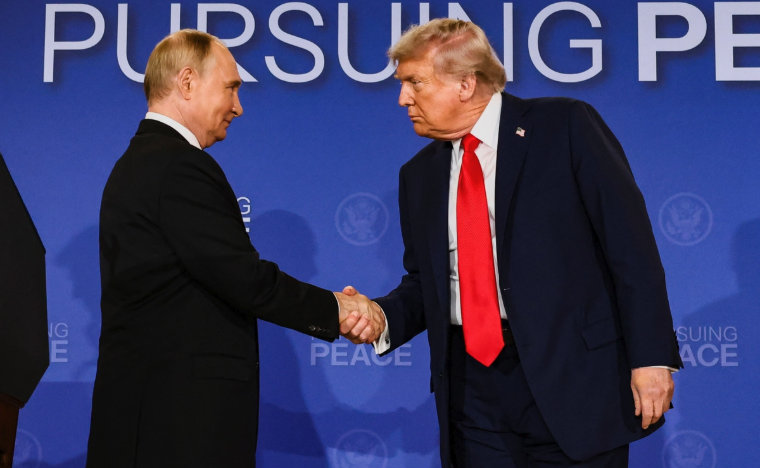
On Oct. 9, Trump announced that Russia had agreed to immediately export more than 300,000 tons of diesel to the global market. An additional 500,000 tons will be shipped in November, followed by another 1 million tons in December, he said.
Another 3 million tons of diesel could be delivered after the initial exports, depending on the condition of Russia’s refineries, Trump said in a Truth Social post announcing the agreement.
The president said the deal would lower diesel prices, which have risen in recent months amid the conflict between the United States and Iran and the ongoing war between Russia and Ukraine.
As part of the agreement, the U.S. Treasury Department’s Office of Foreign Assets Control granted Russia a temporary general license on Friday to facilitate diesel exports.
The deal was announced on the same day that U.S. envoys Steve Witkoff and Jared Kushner met with Ukrainian officials. A senior administration official told The Epoch Times that the negotiators would discuss “a new, unified proposal that is focused on all aspects of the conflict to try to end the war.”
“I believe our team is simply being used as a smokescreen. And that is certainly not fair. It is certainly not how partners should treat each other,” Zelenskyy said following Trump’s announcement of the diesel deal with Russia.
In a separate statement, Zelenskyy said the revenue Russia earns from diesel exports would be used to manufacture more weapons, produce missiles, upgrade drones, and recruit mercenaries to fight in the war.
“Russia’s choice is war. And they will be ready to end it only when they feel that their ability to drag the war out is diminishing,” he wrote in a statement on X.
Deal Draws Criticism Amid U.S. Sanctions on Russia
The Trump administration’s agreement with Russia came less than a month after the president signed the Lindsey O. Graham Sanctioning Russia and Iran Act of 2026, which imposed new sanctions on Russia. The legislation was intended to prevent Moscow from continuing to finance its war against Ukraine through oil and gas sales.
“Enough is enough. The President must end his war with Iran instead of funding Russia’s war machine. Putin only responds to strength, which means cracking down on Russia and the enablers of its war against Ukraine,” Senate Minority Leader Chuck Schumer (D-N.Y.) and Sens. Jeanne Shaheen (D-N.H.) and Elizabeth Warren (D-Mass.) wrote in a joint statement on Friday.
The statement also criticized the prospect of Russia benefiting from diesel exports following what the lawmakers described as a “genocidal war in Europe” and assistance to Iran in targeting U.S. assets.