


The U.S. president has suggested that Apple’s former chief executive take the helm of the $4 trillion chipmaker following Huang’s sudden departure, as investors and prediction markets weigh potential successors and the company’s long-term prospects.
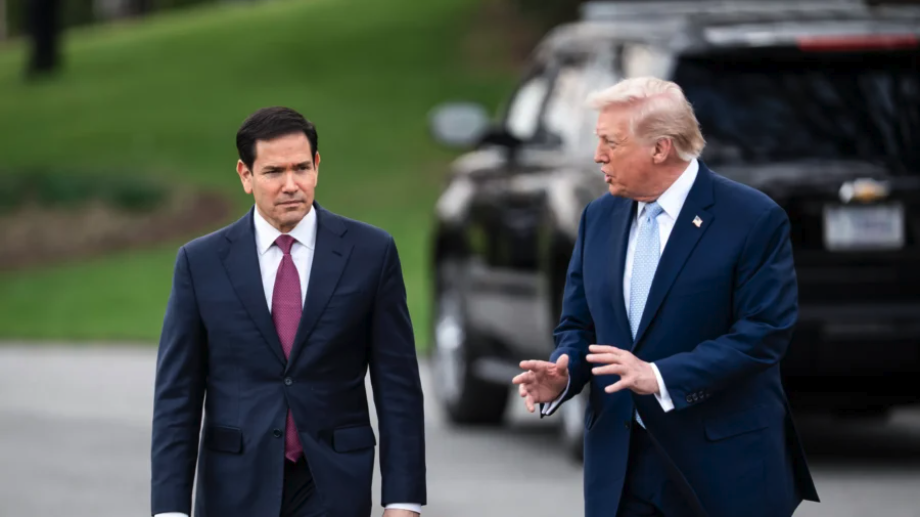
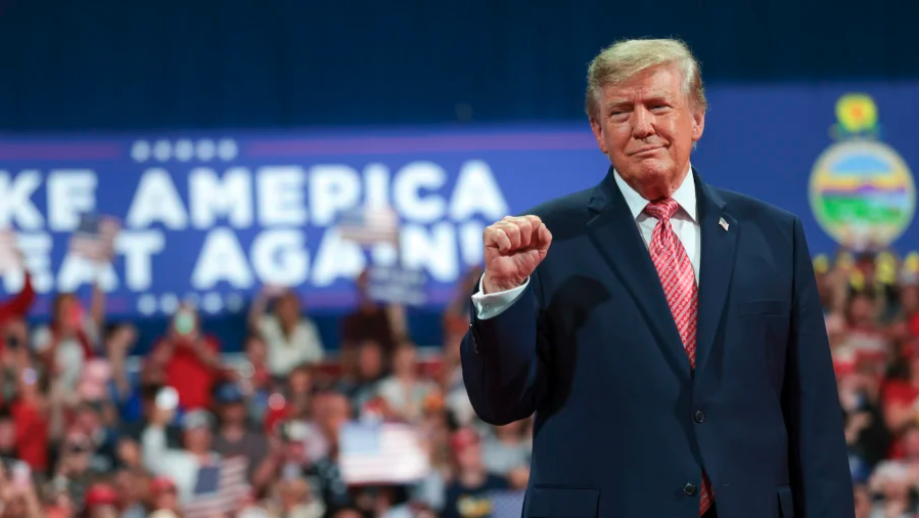
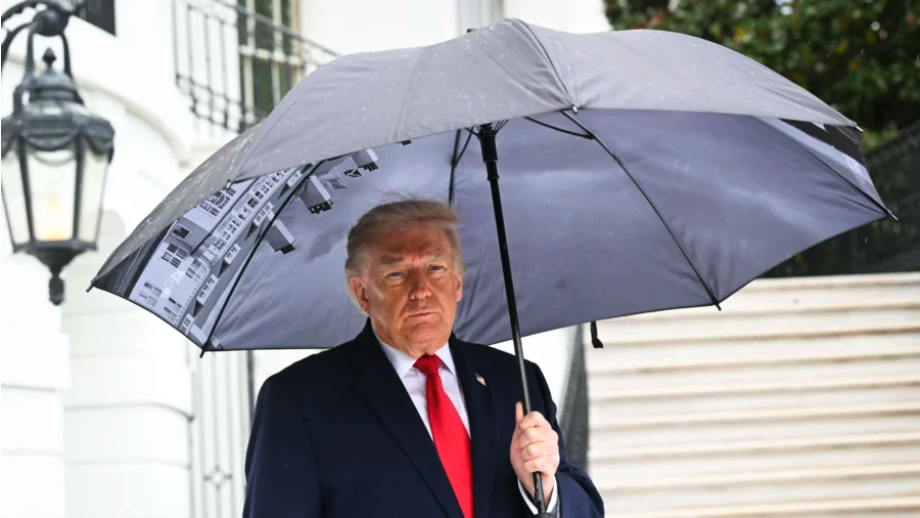
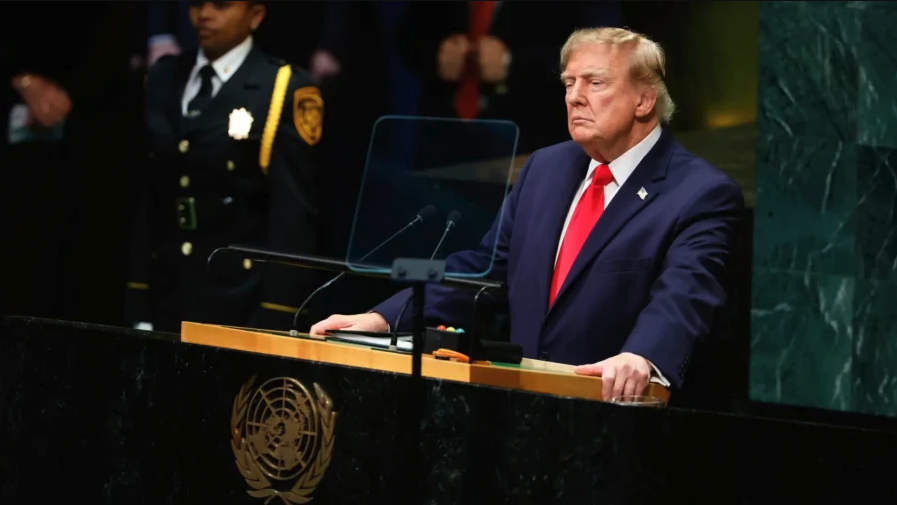
President Donald Trump has proposed former Apple CEO Tim Cook as a potential replacement for Jensen Huang at Nvidia, the $4 trillion semiconductor giant.
Huang resigned as Nvidia’s president, CEO, and board member, effective immediately, on Nov. 12. Colette Kress, the company’s chief financial officer, was appointed interim CEO.
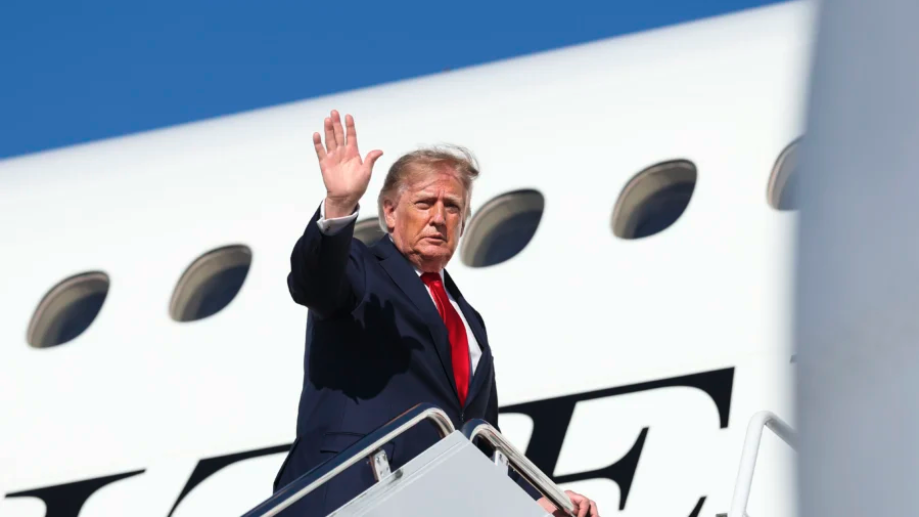
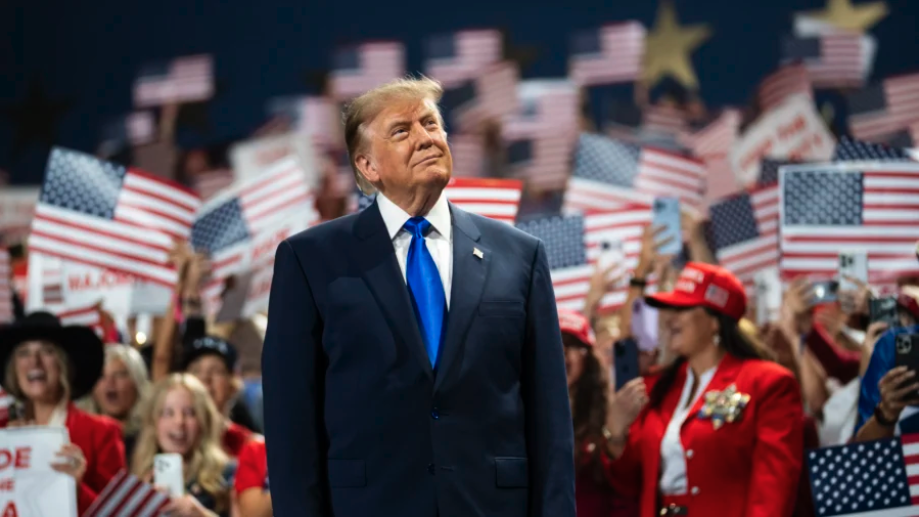
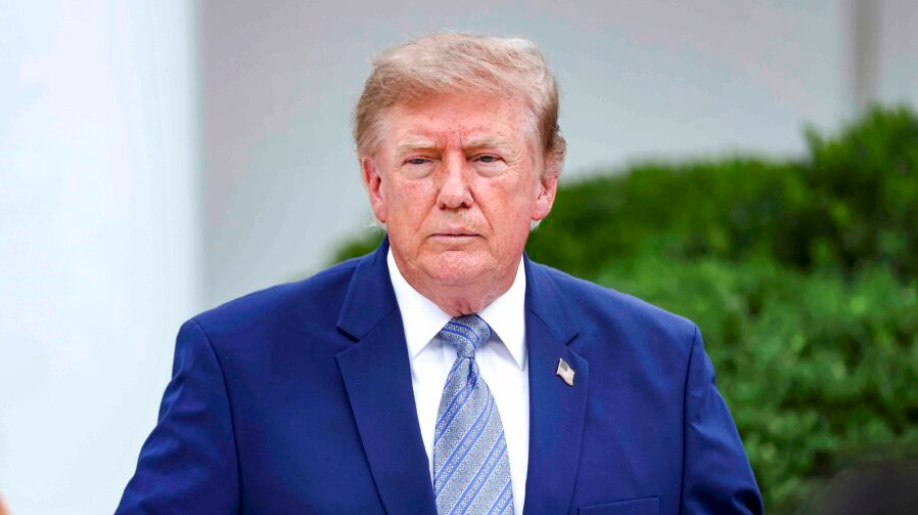
In his first public remarks following Huang’s departure, Trump suggested on Thursday that Cook should become Nvidia’s next permanent chief executive.
“Now that Nvidia CEO Jensen Huang, who has done a fantastic job, has resigned, there is only one man to take his place – Tim Cook of Apple. A Legend replaces a Legend!” Trump wrote in a post on Truth Social.
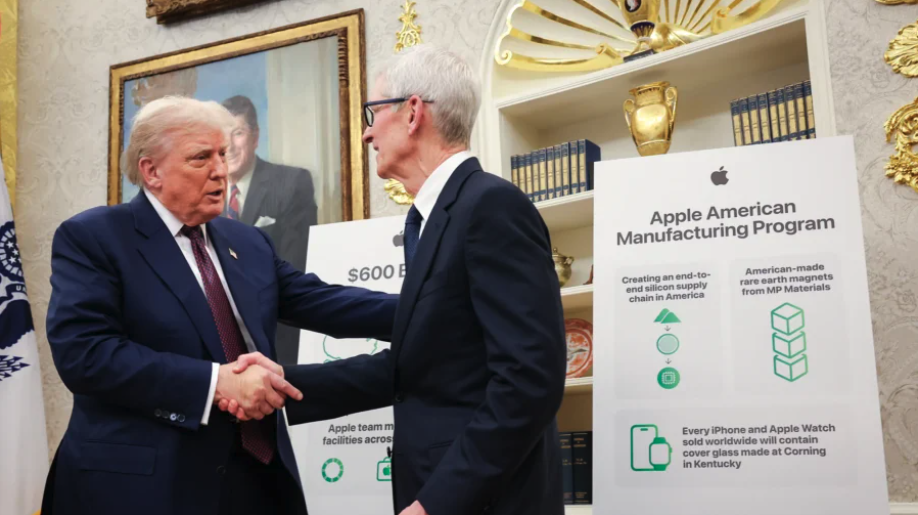
After 15 years leading Apple, Cook stepped down as CEO to become the iPhone maker’s executive chairman. John Ternus, who previously served as senior vice president of hardware engineering, succeeded him.
Trump has previously spoken highly of Cook, describing him as an “incredible guy.”
“Tim Cook had an amazing career, almost incomparable, and will go on and continue to do great work for Apple, and whatever else he chooses to work on,” the president wrote in an April post on Truth Social.
When Cook succeeded Steve Jobs in 2011, he inherited a company valued at approximately $350 billion. Fifteen years later, Apple briefly surpassed the $5 trillion market capitalization milestone.
Appointing Cook would present a significant opportunity for investors, according to Ken Mahoney, president and CEO of Mahoney Asset Management.
“If he were to take the helm, well that is probably a mega long,” Mahoney said in a note emailed to The Epoch Times.
Prediction markets, however, currently favor Ian Buck, a senior Nvidia executive, as the company's next CEO. As of 2:30 p.m. EST on Nov. 12, Buck had a 38 percent probability of being selected, followed by Kress at 15 percent and Arm Holdings CEO Rene Haas at 10 percent.
“Nvidia's succession remains far from settled,” Ben Mendelowitz, a prediction markets analyst at The Action Network, said in a statement to The Epoch Times.
“The odds highlight the uncertainty between technical expertise and leadership continuity, while external contenders Rene Haas and Lisa Su remain in the picture.”
Su, the current CEO of Advanced Micro Devices (AMD), was named Yahoo Finance’s CEO of the Year this week.
‘That Would Be an Honor’
Although Huang’s professional future remains uncertain, he may not have difficulty finding another position.
SpaceX and Tesla CEO Elon Musk has indicated that he would be willing to hire the Nvidia co-founder.
In a Nov. 11 post on X, Musk responded to financial blog ZeroHedge, which had written, “Elon please hire Jensen,” by saying: “That would be an honor.”
Huang’s potential move to SpaceX would not be an unfamiliar environment. The aerospace company relies heavily on Nvidia hardware, while the chipmaker holds a $21 billion stake in SpaceX.
During SpaceX’s inaugural earnings call in August, Musk said the company had been built “exclusively on Nvidia.” He added that SpaceX would continue to absorb an increasing share of Nvidia’s graphics processing units, or GPUs, which are used to train and operate artificial intelligence (AI) models.
Nvidia’s Outlook
Nvidia’s near-term prospects may remain largely unchanged, as many of the company's deals for 2027 and 2028 have likely already been arranged.
Its long-term fundamentals also appear solid, according to Mark Malek, chief investment officer at Siebert Financial.
“Nvidia's competitive position extends beyond its founder,” Malek told The Epoch Times in an emailed note, citing the company’s software ecosystem, established customer relationships, and enormous demand for AI infrastructure.
Although risks remain, markets may be conflating Huang’s personal value with the overall value of Nvidia, he said.
“Jensen Huang was arguably more indispensable five years ago than he is today. Back then, investors were buying his vision; today, they are buying an established business with substantial demand and a formidable competitive moat,” Malek said.
Nvidia shares plunged as much as 13 percent following Huang’s resignation before recovering some of their losses as investors bought the dip in one of the world’s most valuable companies. The stock was down approximately 6 percent near the closing bell.