
The president says the Commerce secretary may have delayed adding the Singapore-based data-center firm to the U.S. Entity List to avoid a diplomatic fallout with Beijing, as scrutiny intensifies over Nvidia chip exports and national security concerns.
President Donald Trump said Commerce Secretary Howard Lutnick may have delayed placing Megaspeed on the U.S. government's Entity List to avoid escalating tensions with China.
Lutnick has faced growing bipartisan scrutiny over his failure to add the Singapore-based data-center company to the Entity List, which identifies foreign individuals and entities subject to specific U.S. export licensing requirements. Megaspeed identifies Nvidia as a “core partner” on its website.
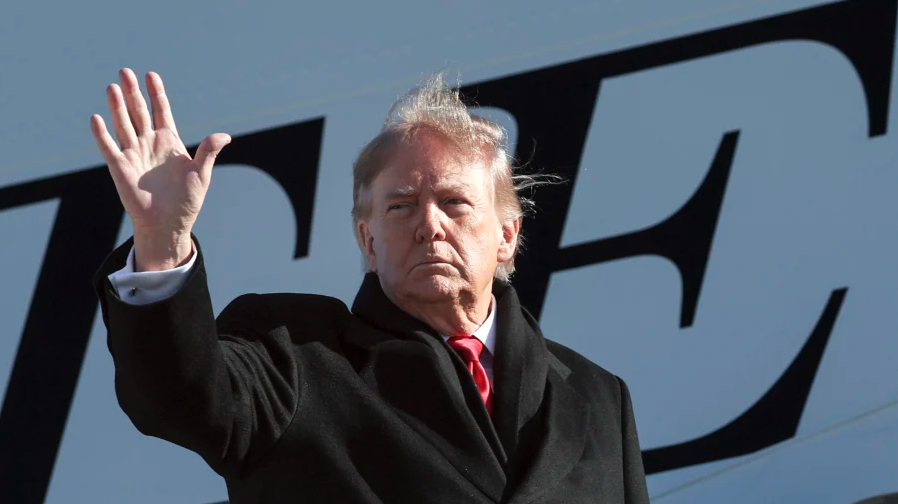
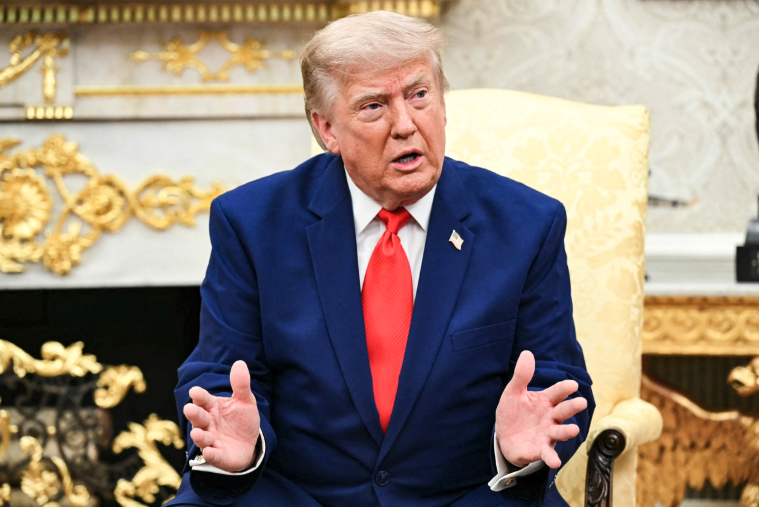
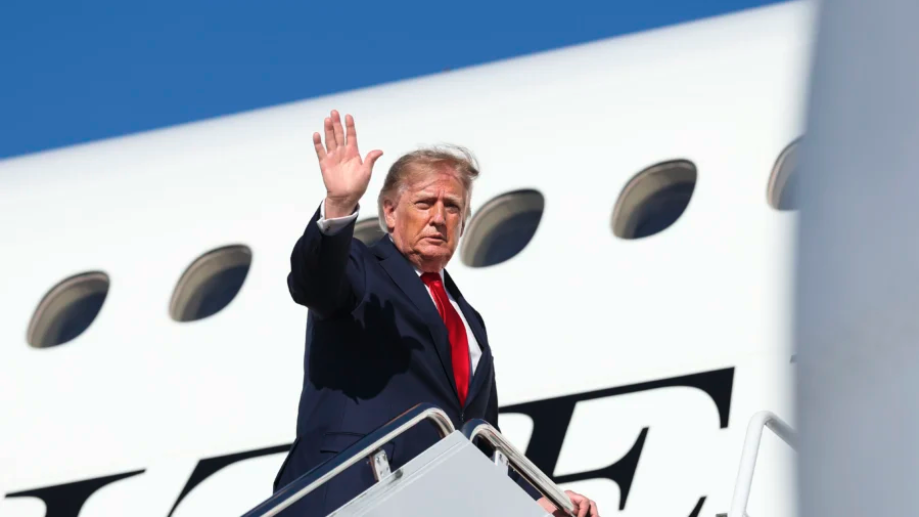
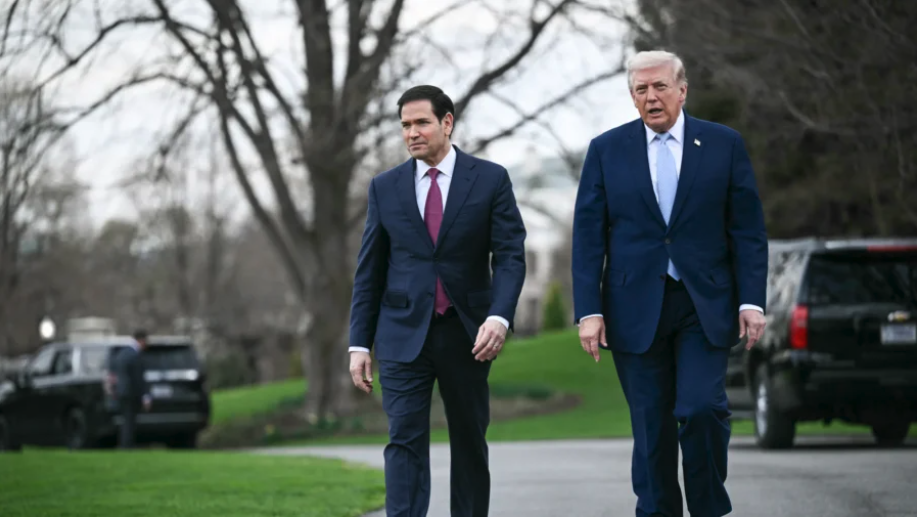
“He might have delayed it, but he was doing that because if you didn’t delay it, if you didn’t do something, you could have a blow-up with China,” Trump told reporters before departing for Asia on Nov. 16.
The president added that the United States and Beijing currently have a “very good relationship.”
Trump is scheduled to visit the Philippines and China this week for two summits. He is also expected to meet Chinese leader Xi Jinping at the Asia-Pacific Economic Cooperation (APEC) summit.
Trump downplayed the ongoing disagreement between Lutnick and Treasury Secretary Scott Bessent, describing it as “two different views” over whether China should have access to advanced U.S.-made artificial intelligence (AI) technology.
In an interview with CNBC's “Squawk Box” last week, Bessent criticized the Commerce Department for failing to prevent Nvidia chips from reaching China or being used by Beijing.
“I am frustrated when President Trump made it very clear that China should not receive any Nvidia chips above H100s,” Bessent said, adding that the Commerce Department “has the pen, and you will have to ask them about their internal process.”
Nvidia's H100 and H200 AI chips are currently restricted from being freely exported to China without U.S. government approval.
Megaspeed came under U.S. investigation last year after purchasing approximately $2 billion worth of advanced Nvidia chips for data centers in Malaysia and Indonesia. The facilities appeared to provide remote services to Chinese customers.
In a statement to The Epoch Times, Megaspeed said it complies with all applicable laws and regulations.
“Megaspeed designs and maintains its global operational and supply-chain control frameworks to comply with all applicable laws and regulatory regimes, including United States export control requirements and local jurisdiction rules in every market where we operate,” the company said.
Meanwhile, new findings indicate that a Chinese university linked to the People's Liberation Army (PLA) purchased Nvidia's powerful H200 AI chips last month.
On Nov. 16, the Trump administration issued an interim rule tightening restrictions on China's access to advanced AI chips from companies such as Nvidia.
Despite mounting criticism of Lutnick's handling of the matter, Trump said he has no plans to replace the commerce secretary.
Lutnick is scheduled to testify before the Senate Banking Committee next month.
‘Not Put at Risk’
Trump also dismissed national security concerns following reports involving an alleged affair between Nvidia CEO Jensen Huang and a woman suspected of being a Chinese spy.
“It was not put at risk, and our country is now stronger than ever before,” Trump told reporters.
Huang resigned from Nvidia after acknowledging an extramarital affair. Reports identified the woman as Alice Huang, a former Megaspeed executive who has been suspected of spying for China.
Megaspeed confirmed that Alice Huang left the company on Aug. 30, 2025, and “currently has no role with the company.”
“Megaspeed does not comment on Ms. Huang's personal and private matters,” the company added.
Trump said that “nobody’s proven” whether she was a spy.
“Usually, what happens with that is that any woman coming to the country that’s a beautiful woman that comes from China, they say she’s a spy,” Trump said. “I don’t know that she was a spy at all.”
The president also said he “would not mind” if Nvidia reinstated Huang.
“I think he learned a big lesson,” Trump said.
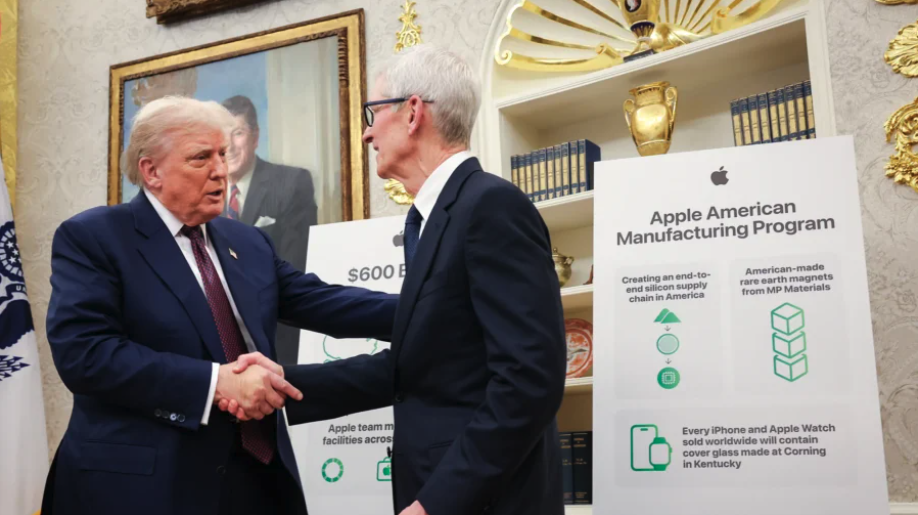
In a Truth Social post, Trump previously proposed that Tim Cook, currently Apple's executive chairman, be appointed Nvidia's next CEO.
Following Huang's departure, Nvidia named Chief Financial Officer Colette Kress as interim CEO.
As of Nov. 16, prediction markets remained divided, with Rene Haas, CEO of British chipmaker Arm Holdings, emerging as the leading candidate to take over the company.
Trump noted that Huang's situation could come up during his meeting with Xi.
Further details are expected during Nvidia's Nov. 17 earnings call with analysts.
Nvidia shares fell approximately 3 percent at the start of the trading week and have declined about 26 percent over the past month.
“This is a scandal-driven exit rather than a strategy-driven one,” Giuseppe Sette, president and co-founder of AI investment analytics firm Reflexivity, told The Epoch Times in an emailed note.
“A reinstatement of Jensen Huang would most likely trigger a sharp, immediate relief rally—plausibly recovering a large share of the ‘Huang discount’ the market has already applied.”