The president says Washington is ramping up domestic production and securing critical mineral partnerships with allies to reduce reliance on China, although an industry expert warns that rebuilding an integrated supply chain in such a short timeframe is unrealistic.
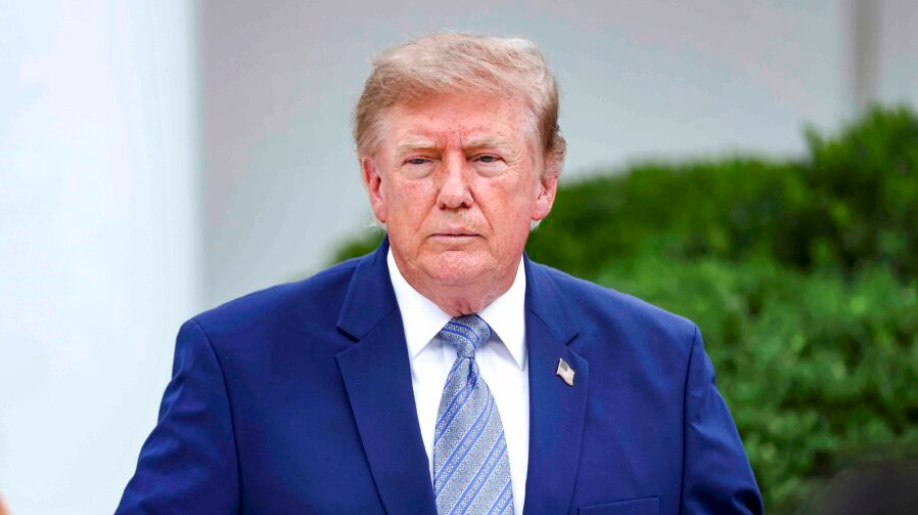
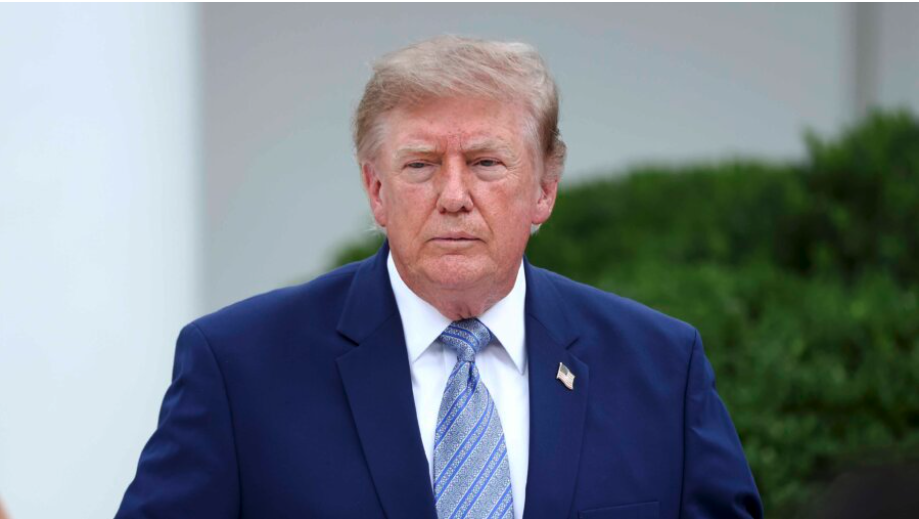
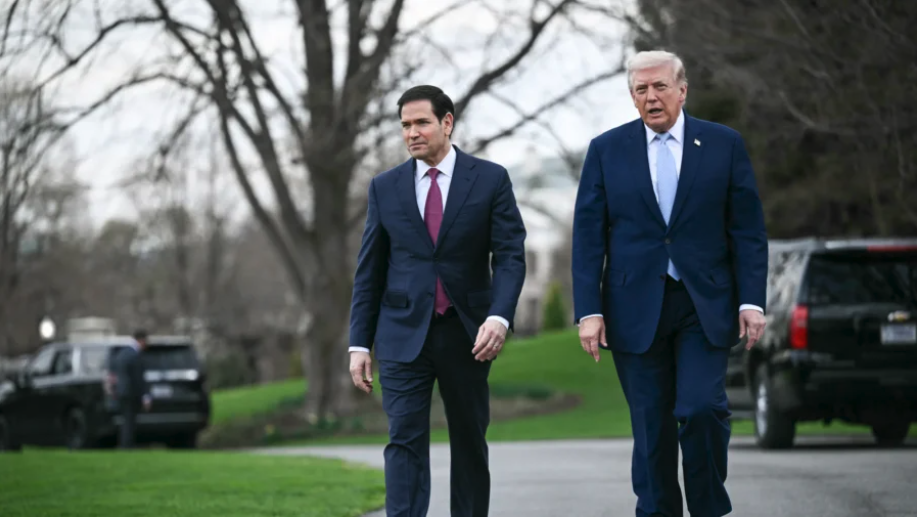
The United States could have sufficient rare earth minerals within 10 months to meet its own critical material needs for national security, energy, and industrial production, President Donald Trump said on Nov. 17.
Achieving that target would help Washington reduce China's dominance over global supplies of critical minerals and establish a more secure, independent supply chain. However, one industry expert described the proposed timeline as “unrealistic.”
“We are making rare earths at a level that we’ve never made before. … We’re gonna catch them within 10 months, they say,” Trump told reporters in Manila on the first day of his three-day trip to Asia.
The president made the remarks during a photo session with Indian Prime Minister Narendra Modi, Japanese Prime Minister Sanae Takaichi, and Australian Prime Minister Anthony Albanese. The leaders had gathered for a QUAD (Quadrilateral Security Dialogue) meeting on the sidelines of the Association of Southeast Asian Nations (ASEAN) conference.
Although Trump did not provide specific details, he said the United States was pursuing several projects over the next 12 months and had reached new agreements on critical minerals to secure supply chains independent of China.
“These will make our countries much stronger and, at the same time, guarantee safety,” Trump told the leaders during a subsequent roundtable discussion. “We’re working very closely on minerals, rare earths, and everything else. We have a lot of things happening over the next 12 months that will very much surprise people.”
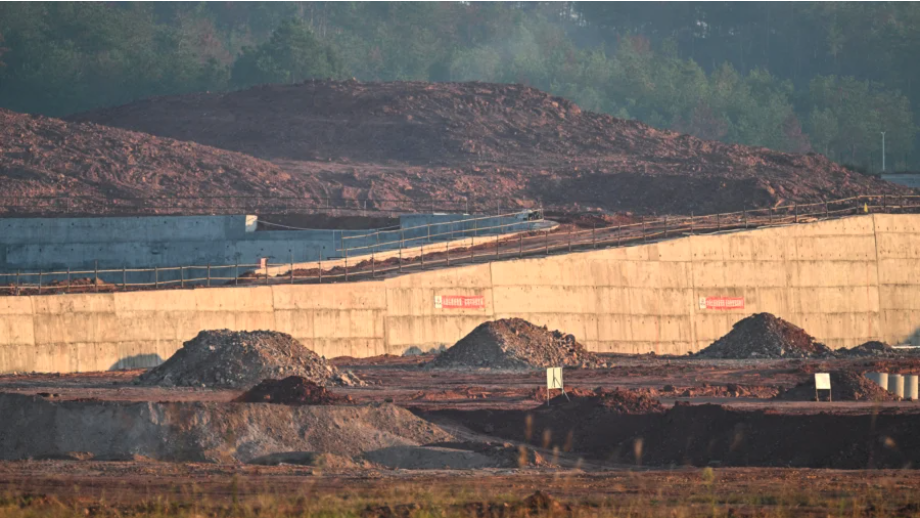
China has dominated global rare earth processing and supply for the past 60 years, supported by long-term strategic planning, access to cheap capital, and relatively lax environmental regulations.
The country also manufactures approximately 95 percent of the world's permanent rare earth magnets, which are essential for electric vehicles, wind turbines, and defense systems.
“Everything that we need we’ll have in 10 months,” Trump said. “We’re producing major numbers when it comes to rare earths. And [Japan and India are] too, by the way. We’re all doing it.”
For decades, the United States and its allies scaled back domestic mining and outsourced critical mineral manufacturing, without adequately accounting for the supply chain risks posed by communist China.
Meanwhile, Beijing invested heavily in rare earth mining and processing operations around the world, consolidating control over the industry under the Chinese Communist Party.
China also maintains control over heavy rare earth elements, including terbium, as well as graphite processing and cobalt refining, according to the Center for European Policy Analysis (CEPA).
Jack Lifton, co-chairman of the Toronto-based think tank Critical Minerals Institute, cautioned that the United States must focus not only on securing rare earth supplies but also on developing its domestic manufacturing capabilities.
“China’s rare earth industry did not become dominant merely because its government financed mineral deposits or announced manufacturing capacity,” Lifton said in a note on Tuesday. “It developed an increasingly integrated industrial system, accumulated manufacturing experience, expanded production, and established relationships with customers. Whatever one thinks of China’s industrial policies, the resulting manufacturing capabilities are real.
“The United States cannot reproduce in a few years, through financial commitments alone, an industrial system that took decades to develop,” he added.
The Trump administration has invested in and supported the launch of several new mining and production projects both domestically and in allied countries.
In August, Trump held a roundtable with representatives of the mining industry, announcing more than $2 billion in additional investments in critical mining and related projects.
The Department of War is investing more than $85 million in Strategic Bauxite to secure supplies of refractory-grade bauxite, which is used to manufacture high-temperature-resistant materials for military components, Trump said.
The department is also investing $150 million in Minnesota-based Niron Magnetics to produce permanent magnets without rare earth metals, supporting the U.S. defense industrial base.
Other administration investments include $400 million to establish a complete scandium value chain, including the development of the first scandium mine. The initiative aims to secure supplies for high-heat aluminum alloys used in fighter jets and spacecraft.
The Export-Import Bank is investing in a boron deposit in California, graphite projects in Alabama, and tantalum and niobium projects in Pennsylvania.
Meanwhile, the U.S. International Development Finance Corporation is providing $4.8 million to develop a rare earth mine in Madagascar to secure supplies of metals used in permanent magnets.
The Department of Energy is investing $100 million in 14 mining schools to train the next generation of workers in mining, minerals, and supply chain operations.
Rep. Mark Alford (R-Mo.) said he had helped secure up to $160 million in federal funding for critical mineral projects in Missouri.
“Missouri contains 36 of the 60 federally designated critical minerals, and I’m proud to have helped secure up to $160 million in federal funding to put them to work through a new initiative in Kansas City!” Alford wrote in a Nov. 17 post on X.