The U.S. president touts Greenland’s vast natural resource potential and strategic military importance as Washington deepens security ties with Denmark and the autonomous territory while companies advance rare-earth mining projects.
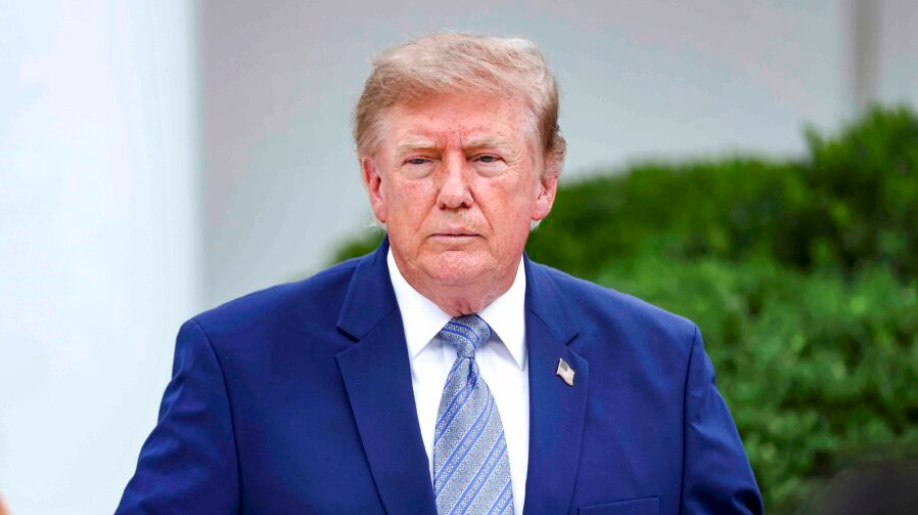
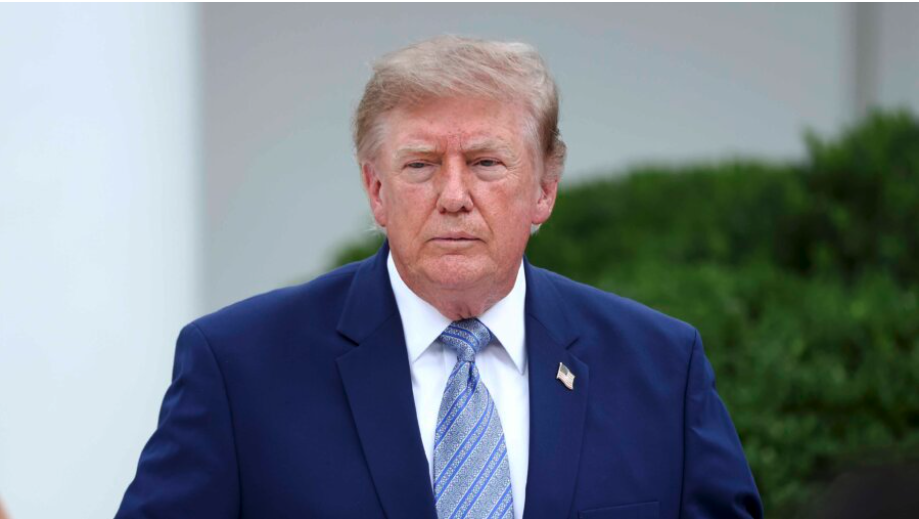
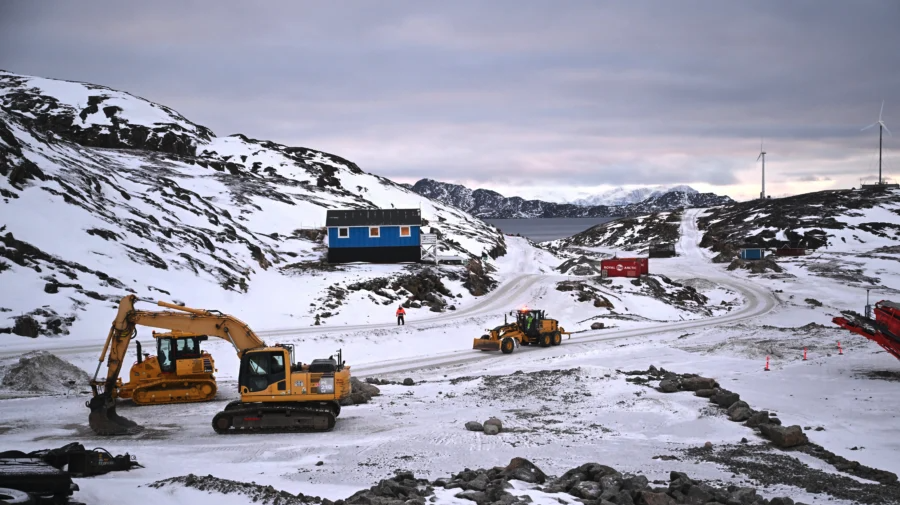
U.S. President Donald Trump said on Oct. 14 that a massive exploration effort targeting oil, gas, and minerals was preparing to begin in Greenland, the autonomous territory of Denmark.
Trump announced the initiative in a post on Truth Social, writing that some experts had indicated Greenland’s available oil reserves were “far greater than that of almost any land, anywhere in the World.”
He did not provide further details about the exploration project.
Trump also emphasized Greenland’s strategic military importance, arguing that any future attack on the United States would have to pass through the island. He said U.S. defenses there would “routinely knock down drones, missiles, or any other form of weapon not yet even conceived.”
“It gives us time, location, and sightline, like nowhere else in the World,” Trump wrote in the post.
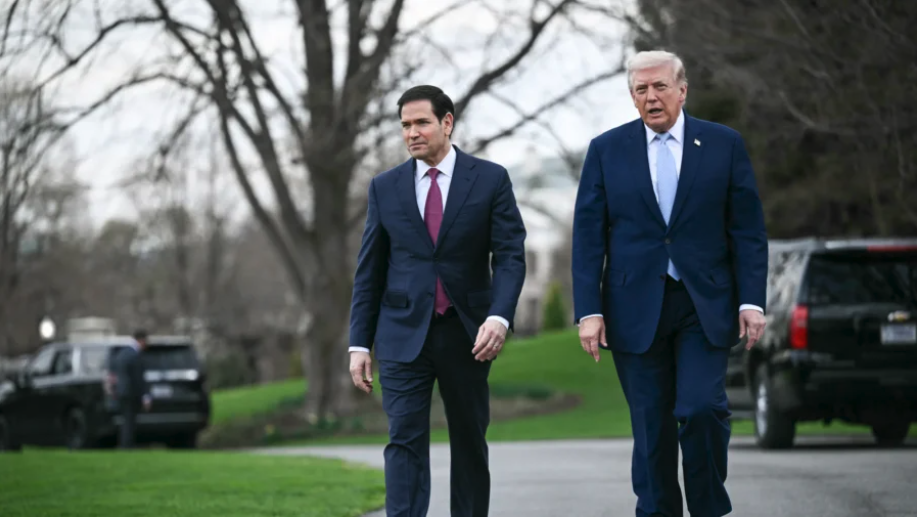
On Sept. 22, Trump signed a security deal with the leaders of Greenland and Denmark that allows the United States to control security for the world’s largest island.
The agreement followed months of Trump expressing interest in taking control of Greenland, citing growing threats from Russia and China in the Arctic.
Trump said the agreement, which amends the 1951 U.S.–Denmark defense agreement, would give the United States “permanent control over security, and all other needs, in Greenland” and address all U.S. concerns.
The deal reaffirms the sovereignty and territorial integrity of the Kingdom of Denmark while recognizing Greenland’s right to self-determination.
The United States, Denmark, and Greenland also agreed that states and investors outside NATO and the European Union should not be permitted to exercise control, exert significant influence, or gain access to information that could “constitute a threat to national security or public order” within their territories.
The agreement’s terms, published by the White House, did not include specific provisions governing oil, gas, or mineral exploration in Greenland. However, they recognize U.S. cooperation with Greenland in science, education, minerals, economic development and business promotion, as well as cultural and local partnerships.
Mining Companies Advance Greenland Rare-Earth Projects
U.S.-based Critical Metals Corp. announced on Oct. 5 that the government of Greenland had formally approved its Tanbreez mining project through September 2050.
The company said the Tanbreez deposit contains 19 approved critical elements, including terbium, dysprosium, and yttrium. These materials are used in high-temperature permanent magnets for electric vehicle motors, wind turbines, and defense systems.
Critical Metals CEO and Chairman Tony Sage said in a statement that the government’s approval would provide the company “a clear framework through 2050 to responsibly develop one of the world’s largest heavy rare earth deposits, in partnership with the Government of Greenland and the communities of South Greenland.”
Greenland Mines, a North Carolina-based company, also submitted an application on Sept. 21 to double the size of its rare-earth mine in Greenland. The expansion is intended to supply magnet metals needed for electric vehicles, wind turbines, and defense systems.
The company is developing a rare-earth project focused on neodymium and praseodymium that could reduce the Western Hemisphere’s dependence on China for magnet rare-earth minerals.
China-based processors control at least 75 percent of the global market for all rare-earth elements.