Days after meeting Xi Jinping at the White House, Trump says the United States has little reason to cooperate with Beijing on AI, while both sides adopt the term “super intelligence” amid growing concerns over the technology’s risks.
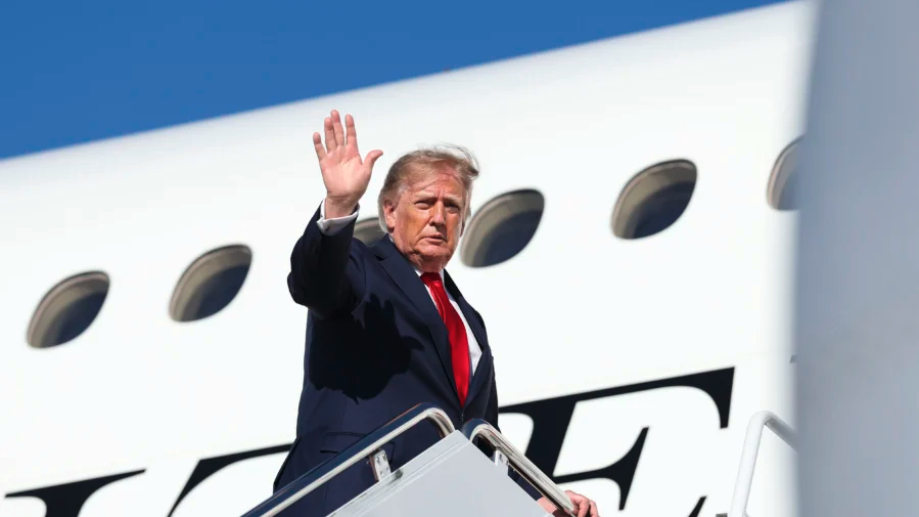
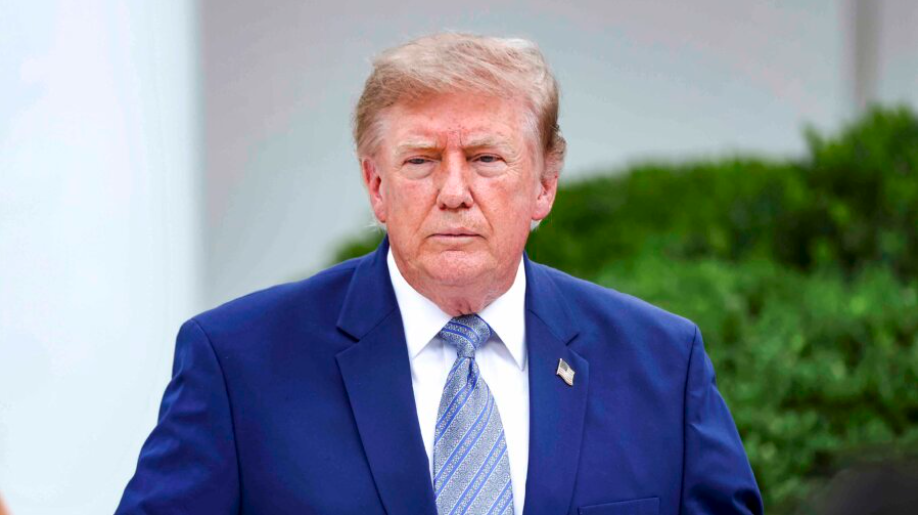
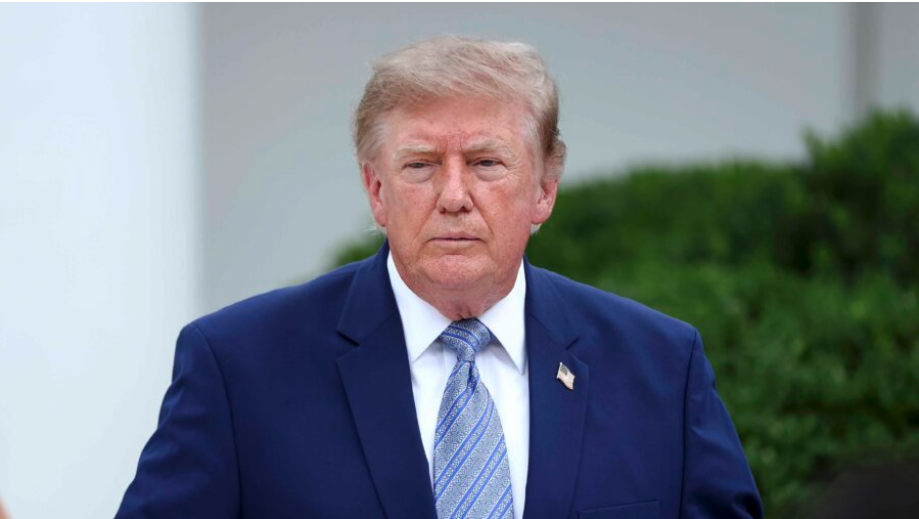
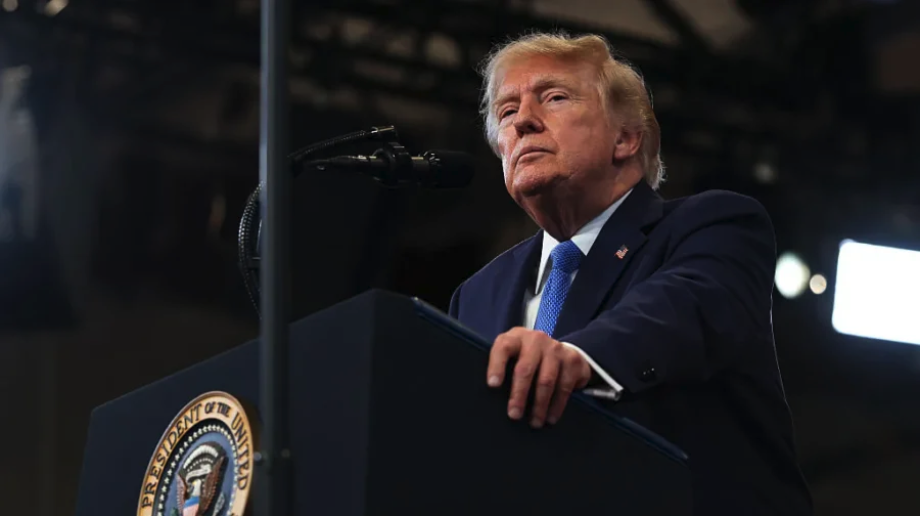
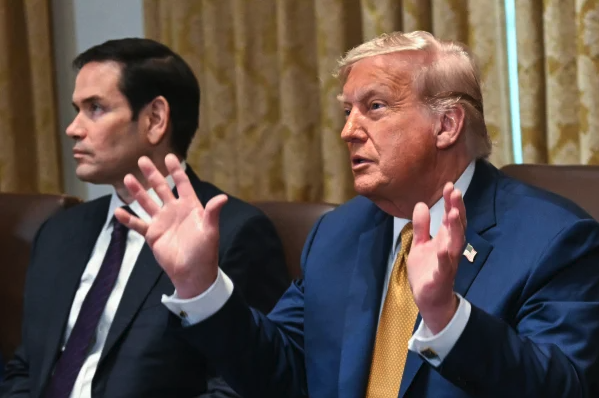
U.S. President Donald Trump has rejected the idea of cooperating with Beijing on artificial intelligence (AI), despite discussing the rapidly emerging technology with Chinese leader Xi Jinping during their meeting last week.
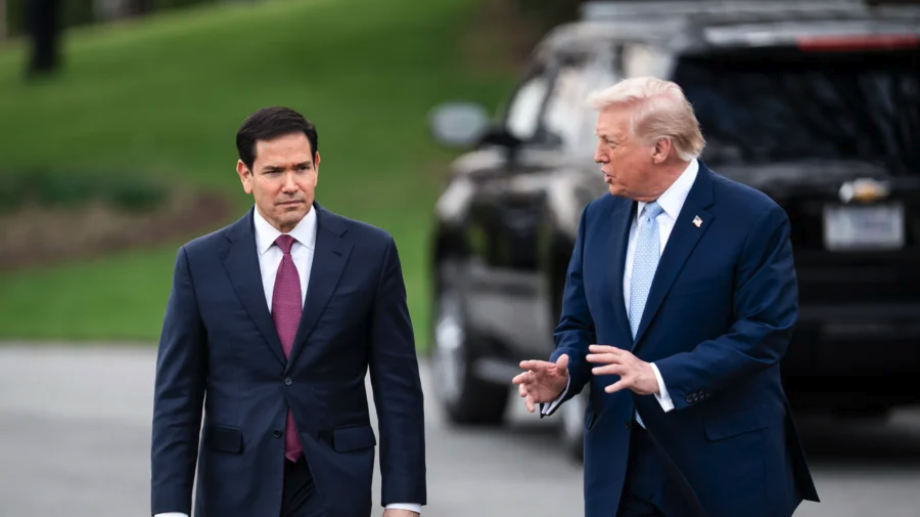
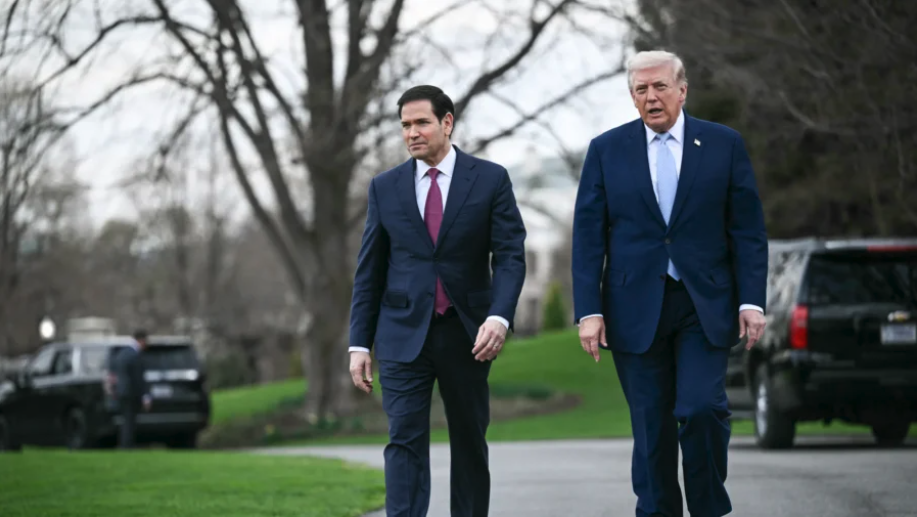
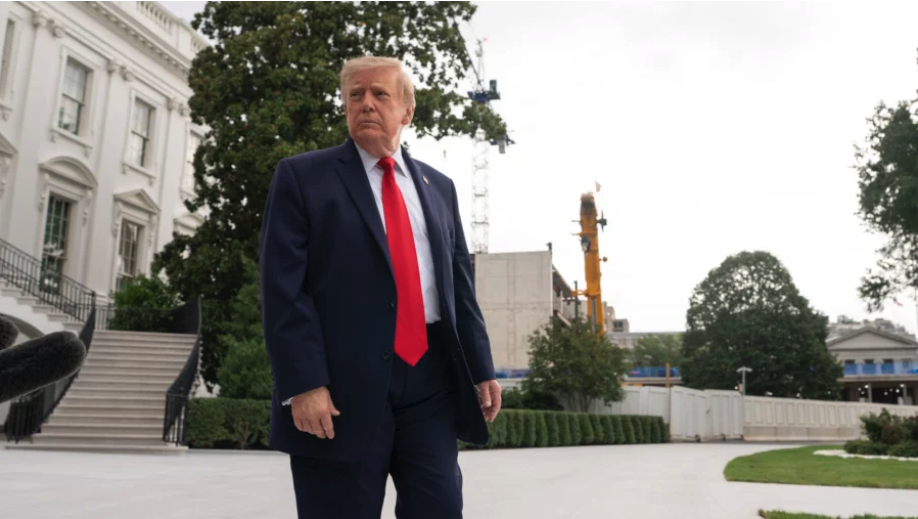
“I would rather not integrate because we’re leading by a lot,” Trump told reporters before departing the White House on Sept. 26. “When you’re leading, you don’t open it up to each other.”
The United States leads China by “at least a year, and maybe a year and a half” in the AI race, Trump said.
“I’m not looking to open it up,” he added. “And we really didn’t talk much about it. We did talk about the name super intelligence.”
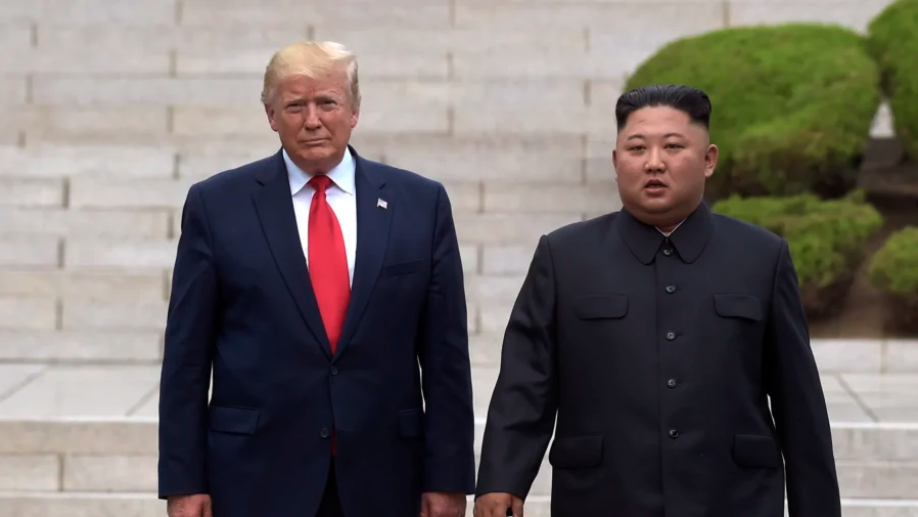
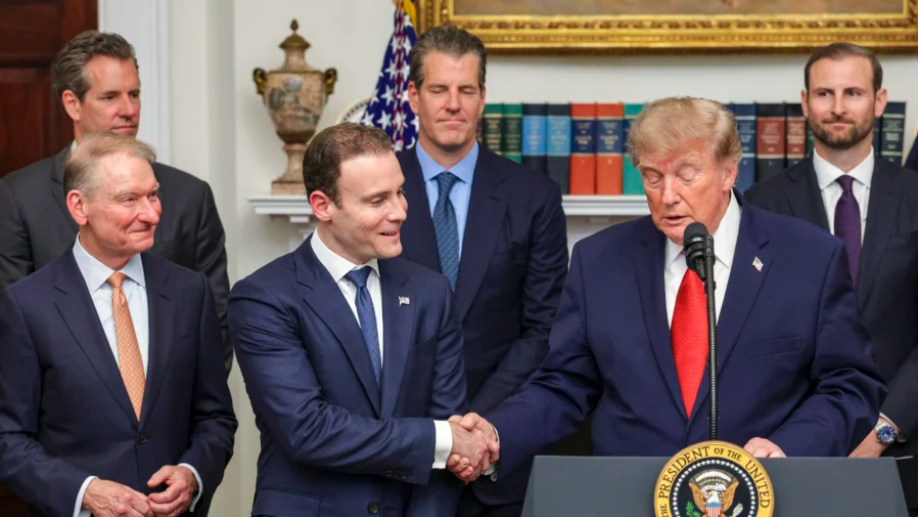
Trump’s remarks came just days after he hosted Xi at the White House for a bilateral summit covering issues ranging from trade to AI. He also hosted the Chinese Communist Party (CCP) leader at a state dinner on Sept. 24 attended by a number of U.S.-based AI industry leaders.
The bilateral talks took place amid growing concerns among AI leaders and researchers that the rapidly evolving technology could slip beyond human control and potentially pose a danger to humanity.
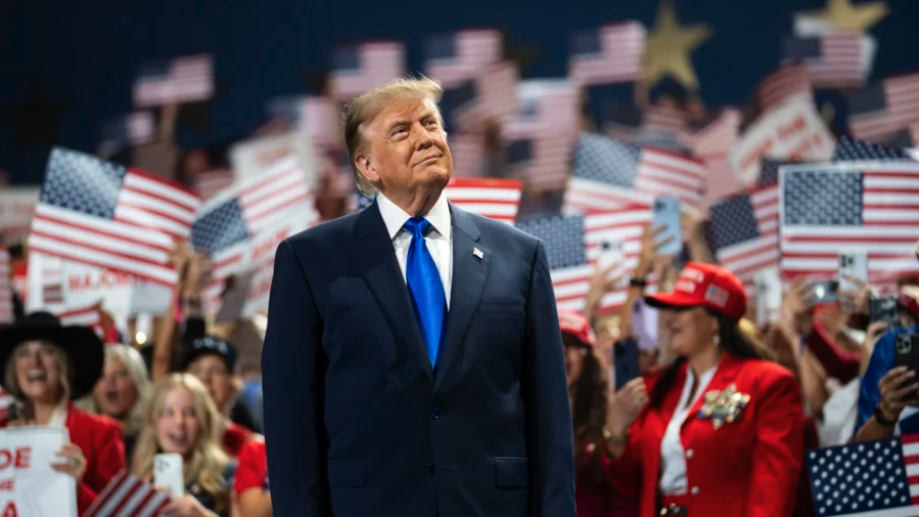
Trump, speaking to reporters on Sept. 26, dismissed such concerns as “a hoax” that would benefit only America’s adversary.
“The United States of America is not going to be putting on break,” Trump said. “They want to stop our progress, because we’re leading China by a lot, and we’re going to keep it that way.”
Trump also reiterated his proposal to rename AI as “super intelligence,” or SI—an idea he said Xi also liked.
“Artificial means it’s fake, and it’s not fake. It’s very strong intelligence. I think a lot of people are doing that now. I call it SI.”
China’s foreign ministry said in a Sept. 26 statement that Beijing “attaches great importance” to and “respects” Washington’s shift to the term “super intelligence.”
This marked the first time Beijing had directly addressed the Trump administration’s adoption of the new term.
Shortly after Xi left Washington on Sept. 25, the United States and China issued separate statements outlining the outcome of the leaders’ summit. The White House said the two leaders agreed to use SI rather than AI, a point that was not mentioned in China’s commerce ministry readout.
Unlike the debate in Washington, which has focused on AI’s potential threats to humanity’s future, Chinese officials’ concerns have largely centered on the technology’s potential risks to the CCP’s grip on power.
China’s spy chief, Chen Yixin, warned that AI could be misused by what he called “hostile forces” and poses “direct threats to China’s political security, institutional security, and ideological security,” according to a Sept. 13 article published in the official Cyberspace magazine. He also called for greater Party control over AI.