


NATO Leaders Gather in Turkey as President Trump Presses Allies to Accelerate Defense Commitments, Reassess U.S. Military Role in Europe, and Address Growing Strategic Concerns Over Greenland
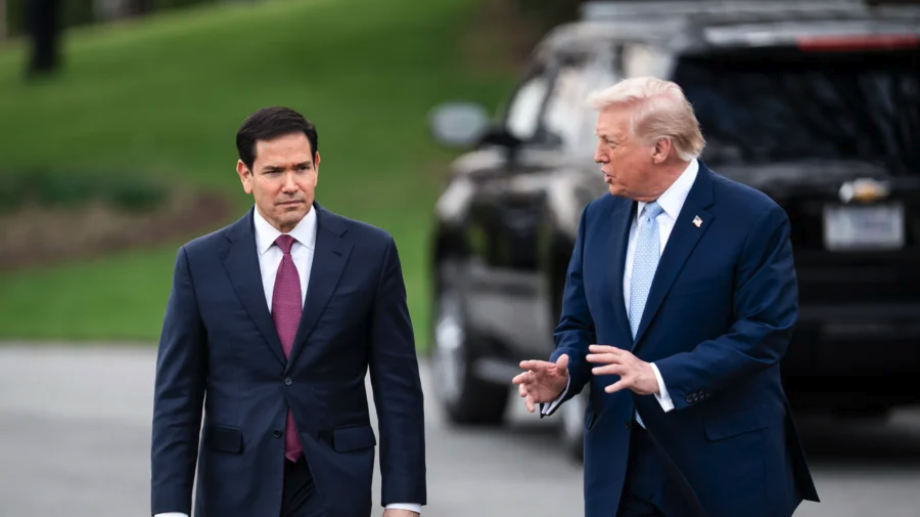
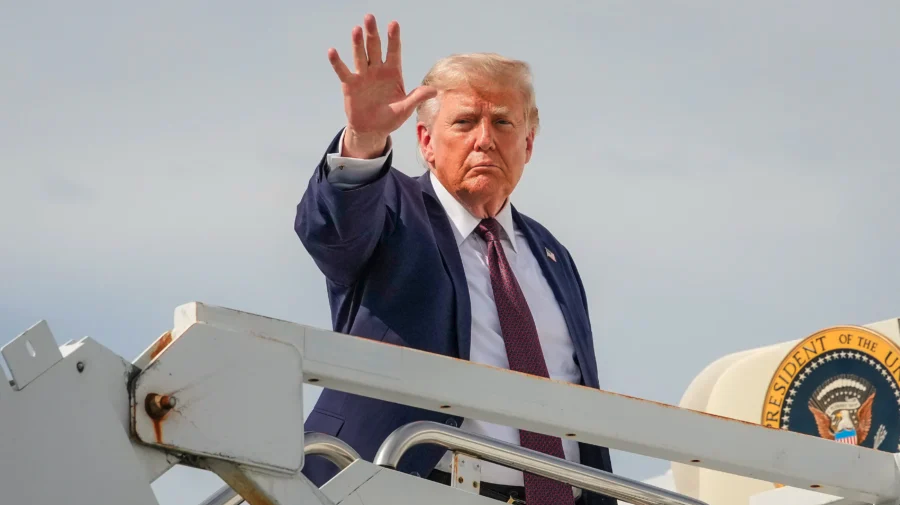
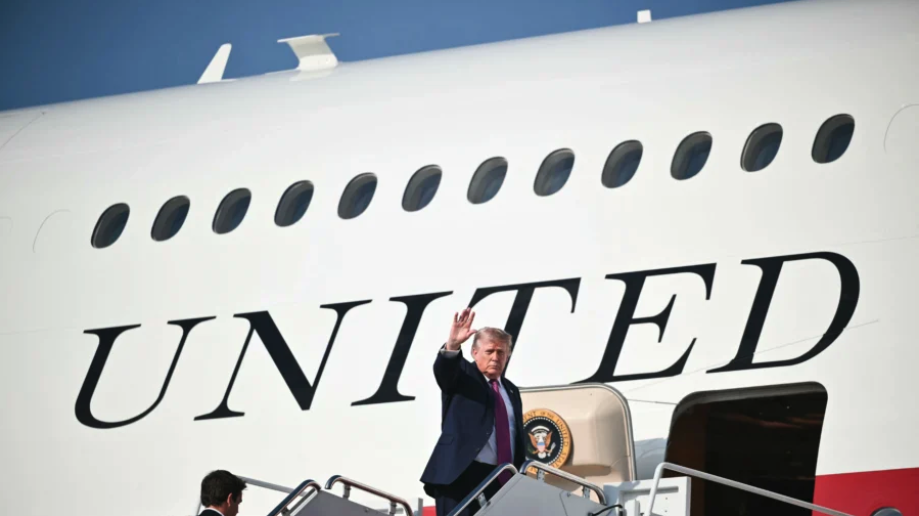
ISTANBUL — U.S. President Donald Trump will travel to Ankara, Turkey, on Monday evening to attend the NATO Summit on July 7–8, where alliance leaders are expected to assess progress on defense spending commitments and burden-sharing objectives.
Hosted by Turkish President Recep Tayyip Erdogan, the summit will bring together leaders from NATO’s 32 member states amid continued pressure from the Trump administration for European allies to increase defense expenditures and assume a greater share of the alliance’s security responsibilities.
Trump’s Schedule
Trump is scheduled to arrive in Ankara on the afternoon of July 7, where he will be welcomed by President Erdogan with a state arrival ceremony and an honor guard review. The two leaders are expected to hold a bilateral meeting later that evening before attending the NATO leaders’ social dinner, according to White House spokeswoman Anna Kelly during a press briefing ahead of the summit.
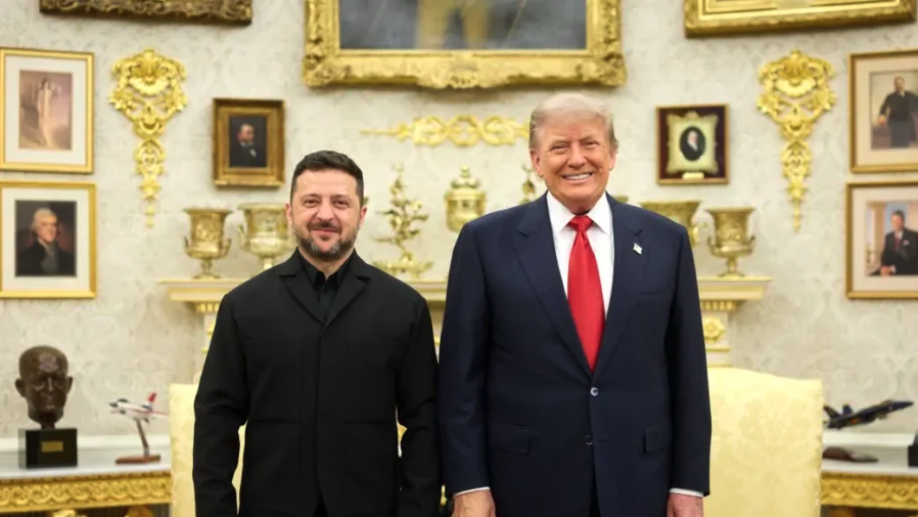
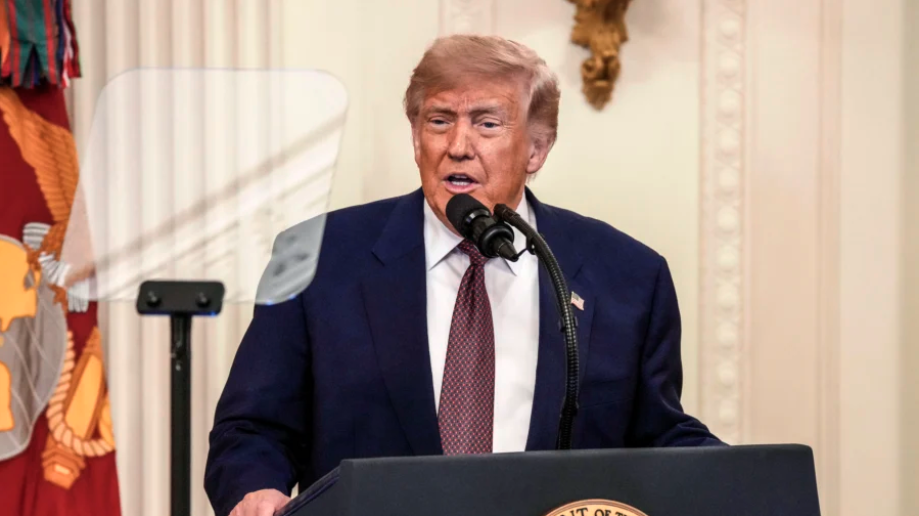
On July 8, Trump will participate in the official welcome ceremony and family photo, followed by the NATO leaders’ working session. He is also expected to hold bilateral meetings with Ukrainian President Volodymyr Zelenskyy and Syrian President Ahmed al-Sharaa on the sidelines of the summit, Kelly said. Before departing Ankara, Trump is scheduled to hold a press conference.
Burden Sharing Remains a Central Focus
At last year’s NATO summit in The Hague, member states agreed to significantly raise their defense spending target to 5 percent of gross domestic product (GDP), a proposal that Trump had consistently advocated.
“The Ankara summit will measure progress against the Hague Defense Commitment,” U.S. Ambassador to NATO Matt Whitaker said during the preview briefing.
Under the agreement, allies committed to allocating at least 3.5 percent of GDP annually to core defense requirements by 2035, while dedicating an additional 1.5 percent to critical infrastructure, cybersecurity, civil preparedness, innovation, and strengthening the defense industrial base. Member states also agreed to submit annual plans outlining credible pathways toward meeting those targets.
Although overall defense spending has increased across the alliance, progress has remained uneven.
“The United States remains a proud NATO member,” Whitaker said. “But we have responsibilities elsewhere in the world as the world’s only superpower.”
“This Ankara summit is really the time for our allies to step up.”
Trump previously described the agreement reached at The Hague as a “historic milestone” that “no one really thought possible.”
The latest defense spending figures indicate continued momentum.
“Since the Hague, allies have responded and have committed nearly $139 billion in defense spending, roughly half of that being on American-made equipment and weapons and munitions,” Whitaker said.
In June 2026, NATO Secretary General Mark Rutte announced that European allies and Canada increased their core defense spending by more than $90 billion during 2025 alone.
“That is an astounding figure, amounting to a nearly 20 percent increase in a single year, with further increases already on the books for 2026,” Rutte said during the NATO defense ministers’ meeting in Brussels.
Germany, Poland, the Baltic states, and the Nordic countries have significantly expanded their defense budgets, while Spain, Canada, and the United Kingdom remain among the countries lagging behind.
“President Trump expects all allies to step up immediately,” Whitaker said.
America’s Future Military Role in Europe
Another major issue expected to dominate discussions is the future of the U.S. military presence in Europe.
The Trump administration has repeatedly emphasized that European nations should assume greater responsibility for the continent’s defense, while the Pentagon continues a comprehensive review of its force posture across Europe.
“Both our National Security Strategy and our National Defense Strategy talk about the priority we’re placing on burden shifting in Europe,” a senior U.S. official said during the briefing.
The official added that the review could ultimately result in reductions to U.S. troops and military assets stationed in Europe, although no final decision has been made.
Greenland Returns to the Spotlight
Greenland, the autonomous territory of Denmark, is also expected to emerge as a sensitive topic during the summit.
Trump’s interest in acquiring the island resurfaced last week after Jeff Landry, the president’s special envoy to Greenland and governor of Louisiana, revealed that Trump recently told him the United States needs to “get Greenland.”
“He hasn’t forgotten about it,” Landry said in an interview with Breitbart.
The remarks came despite an agreement reached earlier this year among the United States, Denmark, and Greenland to pursue high-level diplomatic negotiations aimed at easing tensions over the issue. Although Denmark is a NATO ally, the Trump administration has continued to express concerns about Greenland’s defense.
According to the senior U.S. official, there is broad agreement among NATO allies that security concerns surrounding Greenland have intensified due to increased naval activity in the Arctic.
The official said Trump continues to believe that the best long-term solution is for the United States to acquire Greenland, while noting that the administration is also “exploring other mechanisms.”
The president’s objective, the official added, is to secure a lasting solution rather than leave the issue unresolved for future administrations.
“As of now, the only solution that we found … is the United States acquiring Greenland. But we’ll continue to explore other options to address those considerations.”