


U.S. President Signals Support for Ending Restrictions on F-35 Transfers as Washington and Ankara Deepen Cooperation on Defense, Trade, Syria, and NATO Priorities
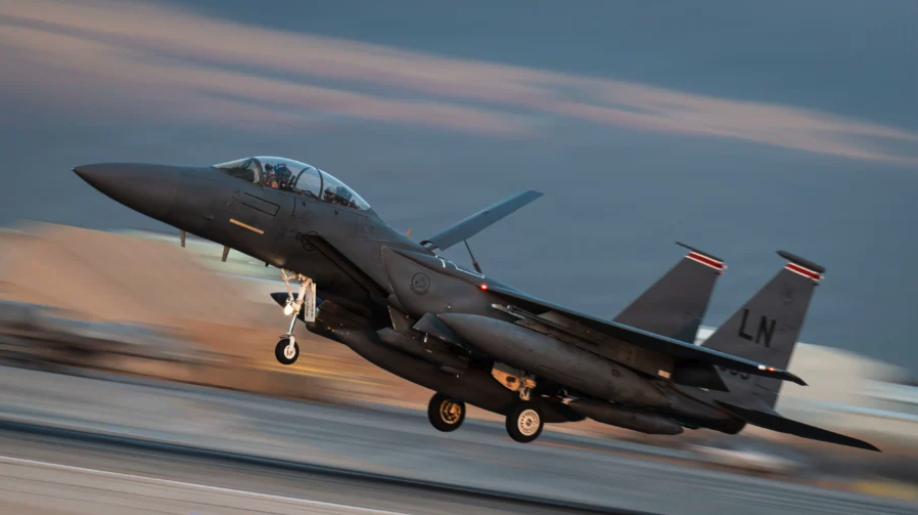
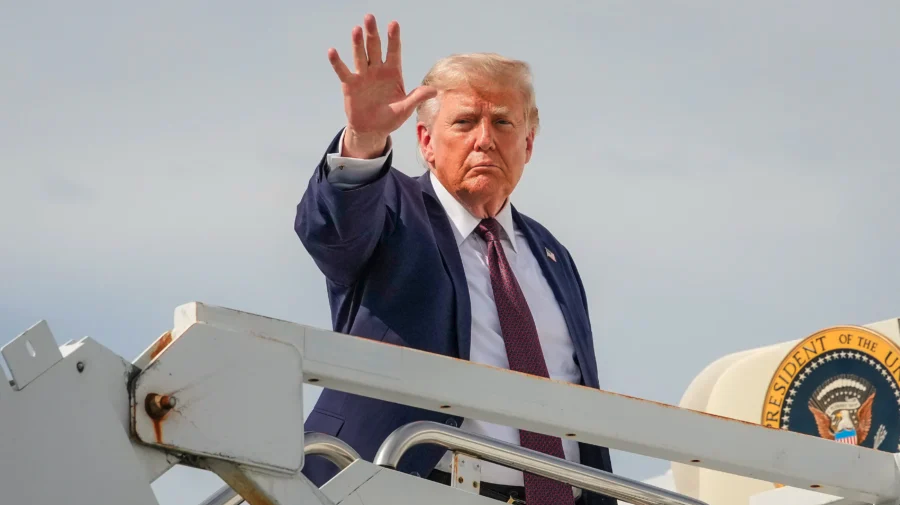
ANKARA, Turkey — U.S. President Donald Trump announced on July 7 that his administration is working to remove sanctions that have prevented Turkey from acquiring F-35 Lightning II stealth fighter jets.
Turkey was one of the original partners in the F-35 program but was excluded after purchasing Russia’s S-400 air defense system in 2019. The acquisition triggered sanctions under the 2017 Countering America’s Adversaries Through Sanctions Act (CAATSA), blocking Ankara from receiving the advanced fighter aircraft.
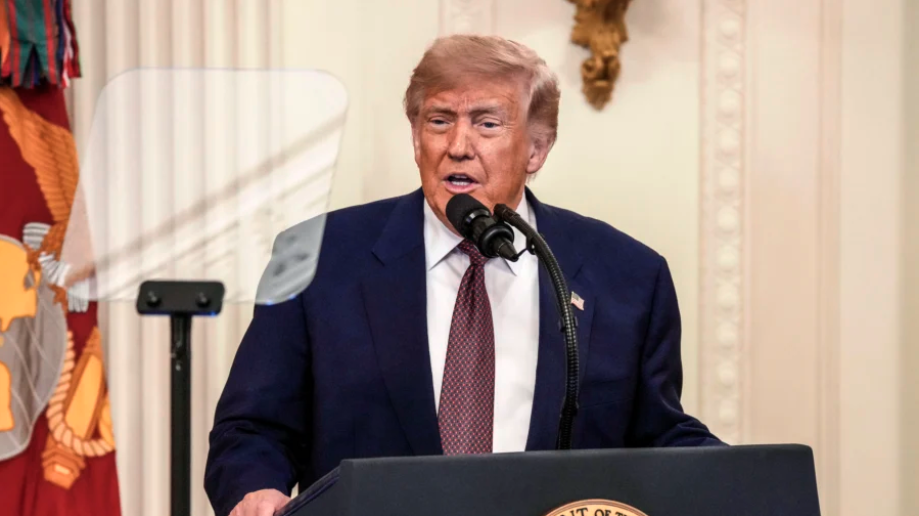
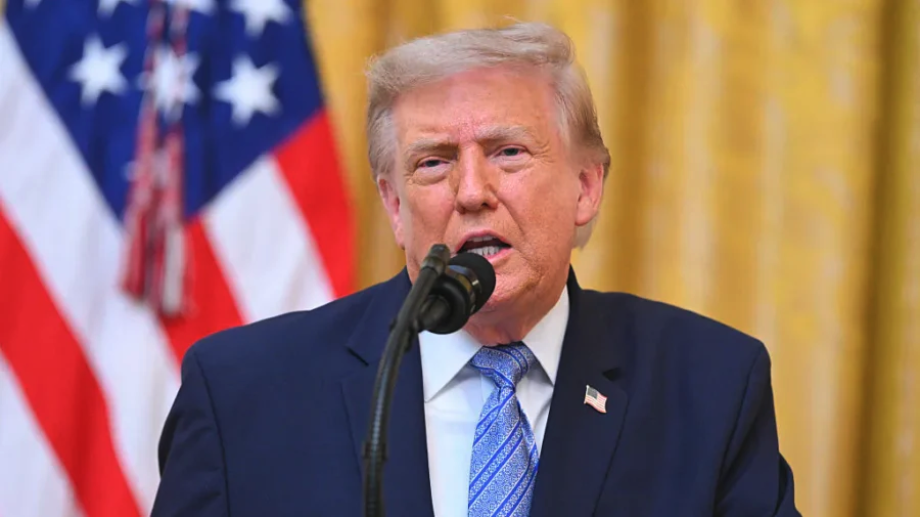
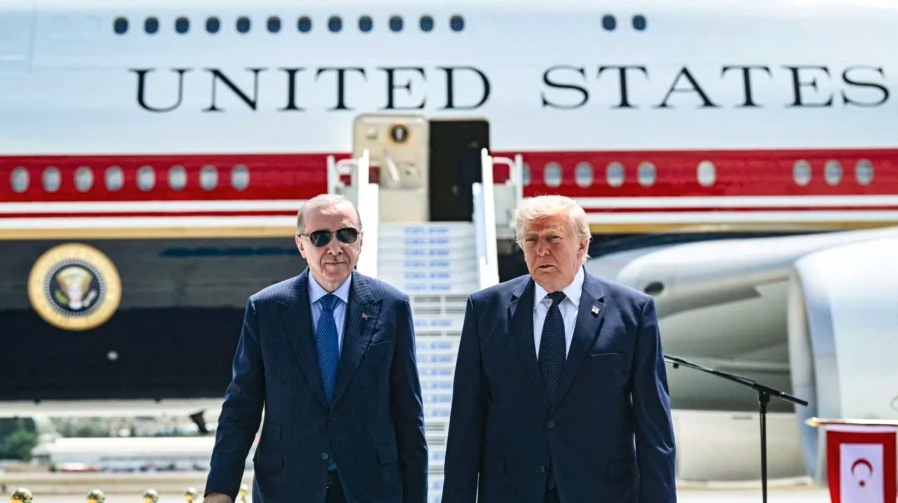
“We're going to be taking the sanctions off,” Trump told reporters after meeting Turkish President Recep Tayyip Erdogan in Ankara on July 7. “It’s time to do that.”
Removing the sanctions will require several legal steps. Under a provision of the 2020 National Defense Authorization Act, the secretaries of state and war must certify that Turkey no longer operates the S-400 system and has pledged not to accept additional Russian air defense systems before F-35 deliveries can resume.
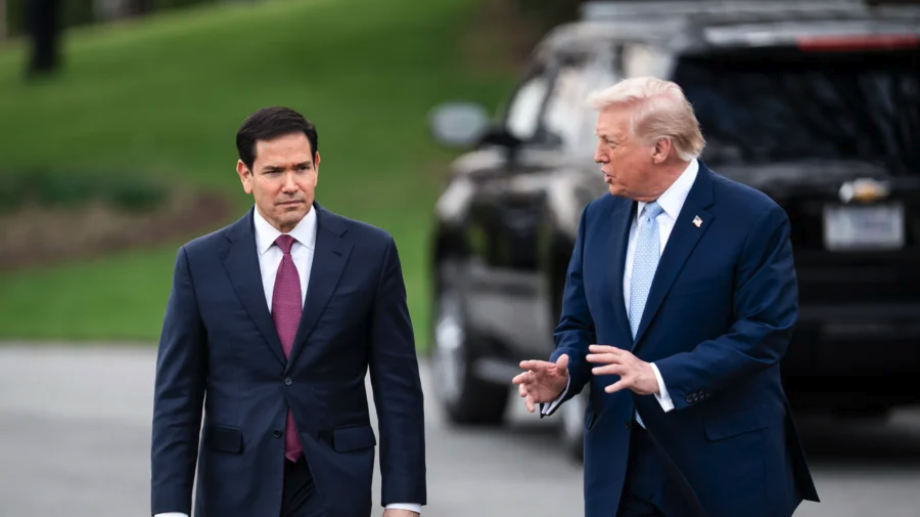
Trump said Secretary of State Marco Rubio, Treasury Secretary Scott Bessent, and War Secretary Pete Hegseth are developing a plan to address the legal barriers preventing F-35 transfers to Turkey.
The U.S. president has previously expressed support for bringing Turkey back into the F-35 program. He has also defended Erdogan over the S-400 purchase, arguing that the Obama administration failed to provide Turkey with the opportunity to purchase American Patriot missile systems.
“It’s a decision we're going to make. We have a very good relationship,” Trump said when asked whether he would approve the sale of the fighter jets to Ankara.
“Turkey has been in many ways much more loyal than other countries that we think would be loyal. So, something certainly we consider.”
Trump arrived at Etimesgut Air Base shortly before 2 p.m. local time, marking the first visit to Turkey by a sitting U.S. president since Barack Obama attended the G20 Summit in Antalya in 2015.
Erdogan visited the White House in September 2025 for the first time in six years. Upon Trump’s arrival in Ankara, the Turkish president welcomed him with a formal reception, followed by a state arrival ceremony and an honor guard review at the presidential complex.
The two leaders held bilateral talks before attending the NATO leaders’ social dinner.
Opening the meeting, Trump praised his relationship with Erdogan, describing it as having “good chemistry.”
“Because of the relationship that we have, it's all gone very well. I want to say I have a lot of respect for the president,” Trump said.
According to the U.S. president, the discussions covered trade, military cooperation, and Iran.
Trump–Erdogan Relations
Relations between Trump and Erdogan reached a low point during Trump’s first term after Turkey refused to release American evangelical pastor Andrew Brunson, who had been detained on terrorism charges linked to the failed 2016 coup attempt.
In response, Trump imposed steep tariffs on Turkish steel and aluminum imports, contributing to a currency crisis in Turkey. Brunson was released later in 2018.
The following year, Trump sent Erdogan a public letter warning that he could “destroy” Turkey’s economy if Ankara continued its military offensive in northern Syria. Since then, relations between the two leaders have steadily improved.
Despite Turkey’s status as a NATO ally, concerns remain in the U.S. Congress over Ankara’s ties with Russia and its human rights record.
Erdogan is also facing increasing international criticism following the arrest and suspension of Istanbul Mayor Ekrem Imamoglu, his leading political rival. The European Commission and Germany’s Foreign Office condemned the move, stating that political competition should not be conducted through the judiciary.
Despite these differences, Washington and Ankara have recently pursued broadly aligned objectives in Syria.
Since the collapse of the Assad regime in December 2024, the United States and Turkey have strengthened coordination on key priorities in Syria, with U.S. Ambassador to Turkey and Special Envoy for Syria Tom Barrack playing a central coordinating role.
Turkey hosts “some 3 million Syrians, the largest refugee population in the world and a central actor in the country’s stabilization and reconstruction,” Barrack said in a statement.
On July 8, Trump is scheduled to meet Syrian President Ahmed al-Sharaa on the sidelines of the NATO Summit.
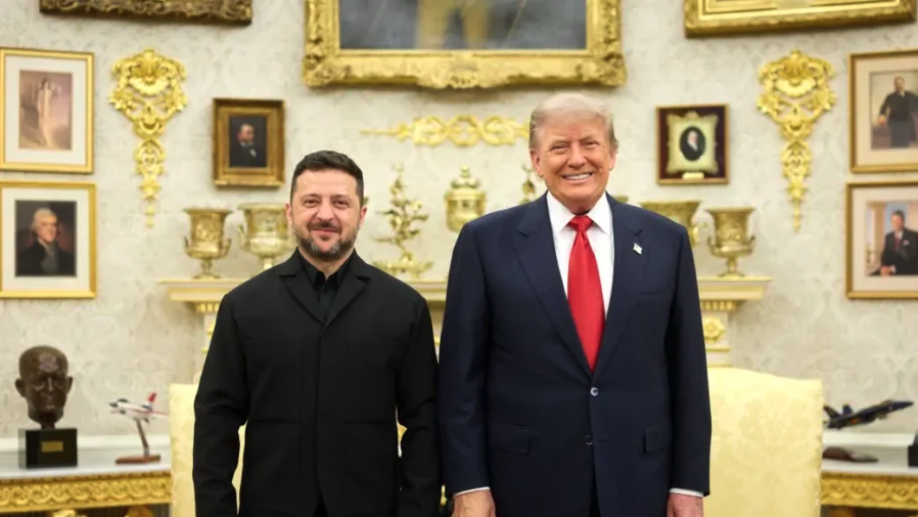
The U.S. president is also expected to hold talks with Ukrainian President Volodymyr Zelenskyy before returning to Washington.
“The scale and financing of continued allied assistance to Kyiv is expected to be a central topic,” Barrack said.
Defense Spending Goals
At the Ankara summit, NATO leaders are expected to review progress on defense spending commitments made during last year’s summit in The Hague.
Alliance members previously agreed to raise defense spending targets to 5 percent of gross domestic product (GDP), a goal Trump has long advocated.
Under the agreement, member states committed to allocating at least 3.5 percent of GDP annually to core defense requirements by 2035, while dedicating an additional 1.5 percent to critical infrastructure, cybersecurity, civil preparedness, innovation, and strengthening the defense industrial base.
Although overall defense spending has increased, progress remains uneven across the alliance.
“The United States remains a proud NATO member,” U.S. Ambassador to NATO Matt Whitaker said during a July 5 media briefing.
“But we have responsibilities elsewhere in the world as the world’s only superpower.
“President Trump expects all allies to step up immediately.”
NATO leaders are also expected to focus on expanding defense production capacity to strengthen the alliance’s industrial base.