

U.S. President Highlights Positive White House Discussions While Leaders Address Ukraine’s Defense, Iran’s Nuclear Program, and Escalating Regional Tensions
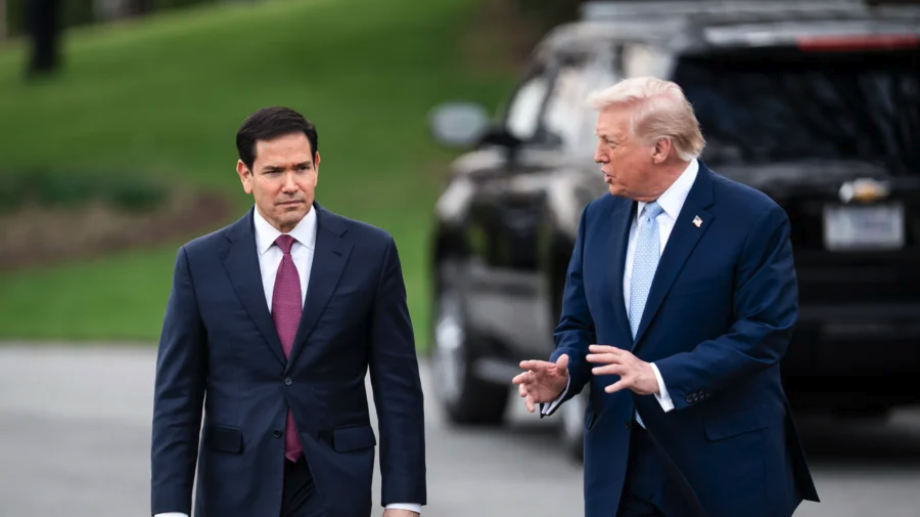
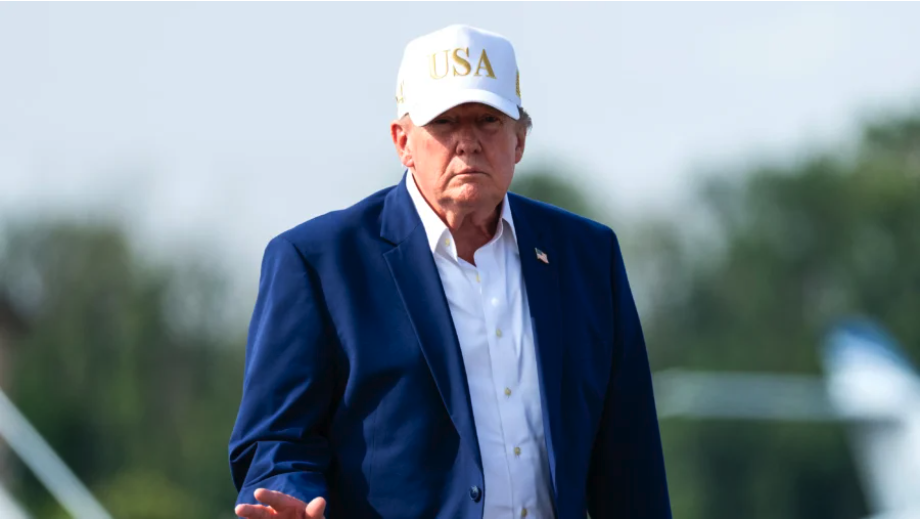
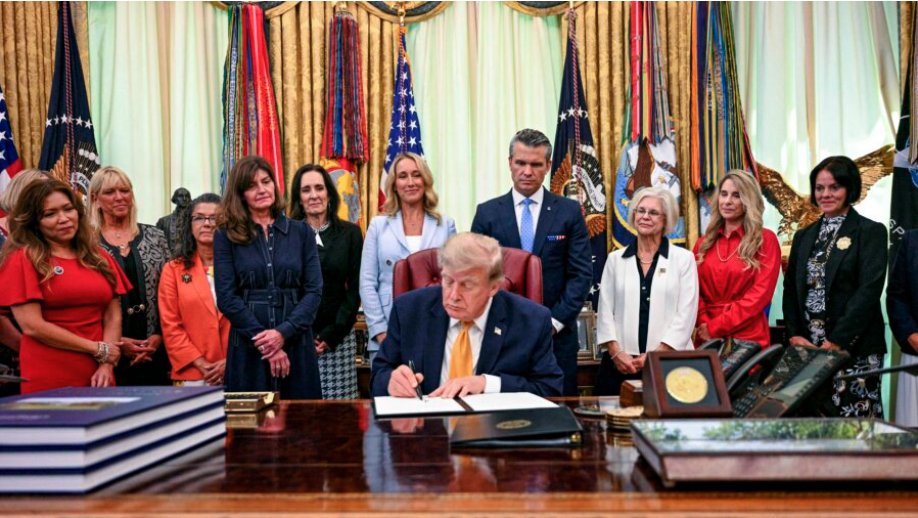
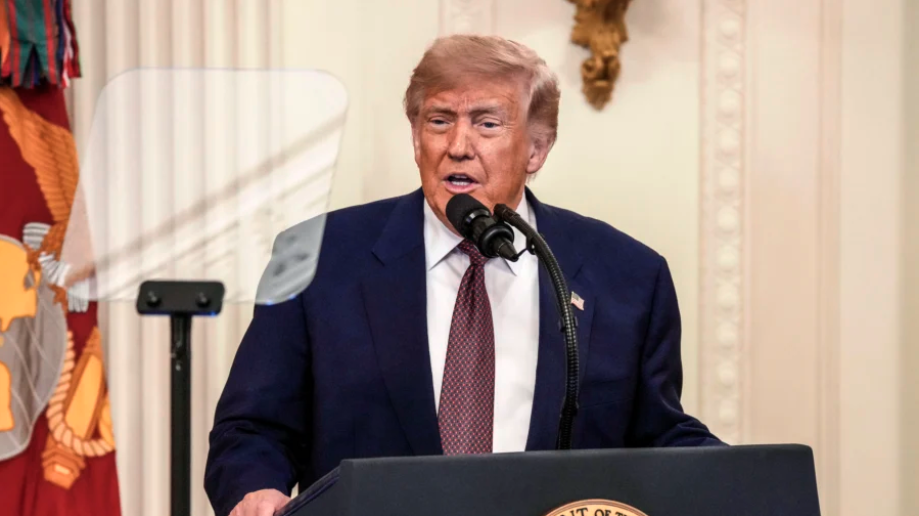
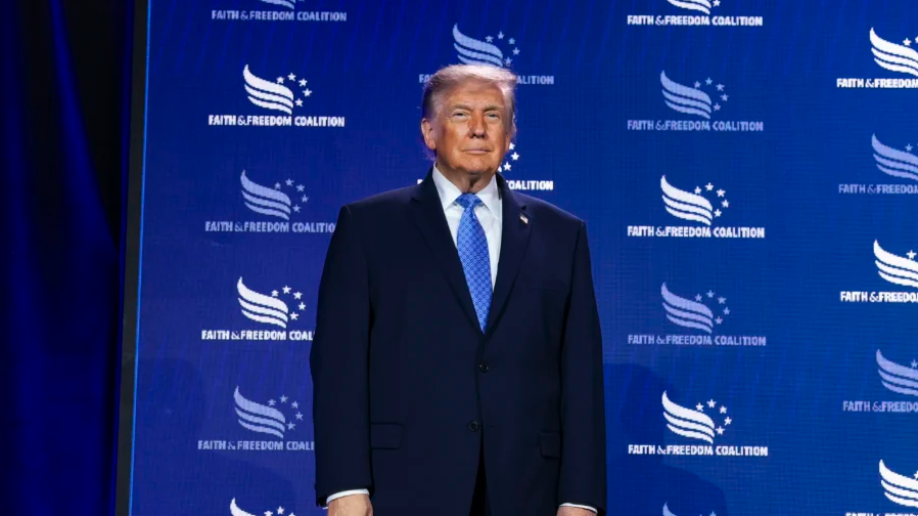
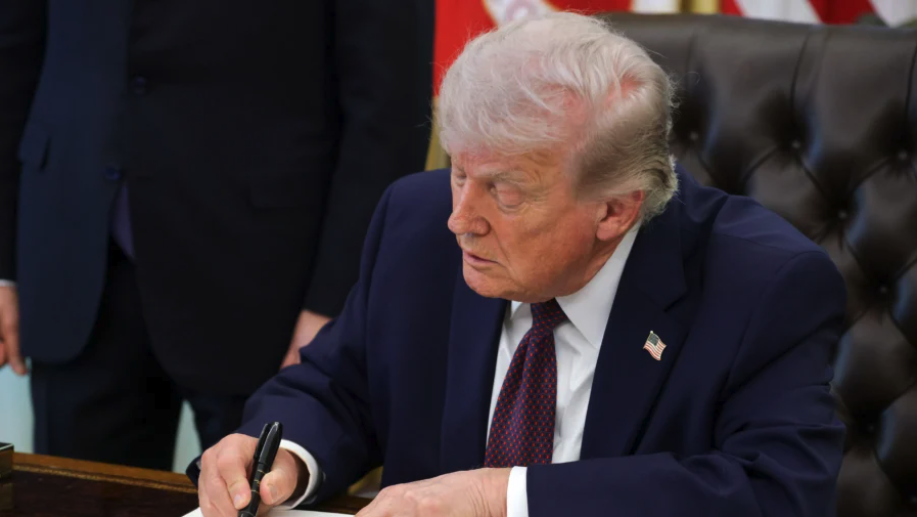
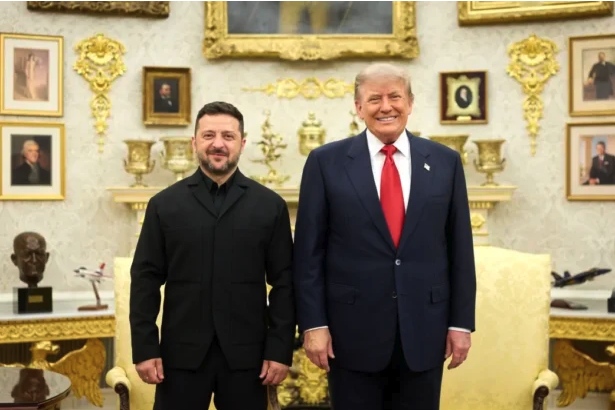
U.S. President Donald Trump said on July 28 that his separate meetings with Ukrainian President Volodymyr Zelenskyy and Israeli Prime Minister Benjamin Netanyahu were successful.
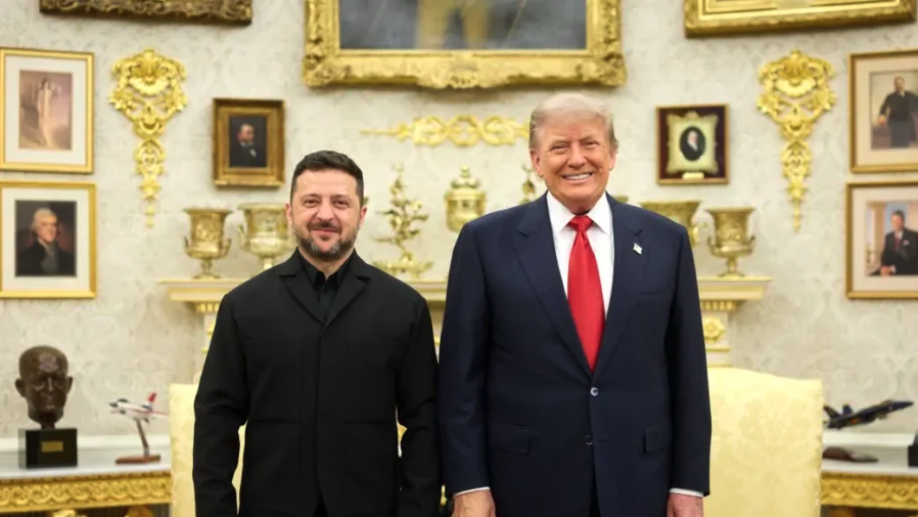
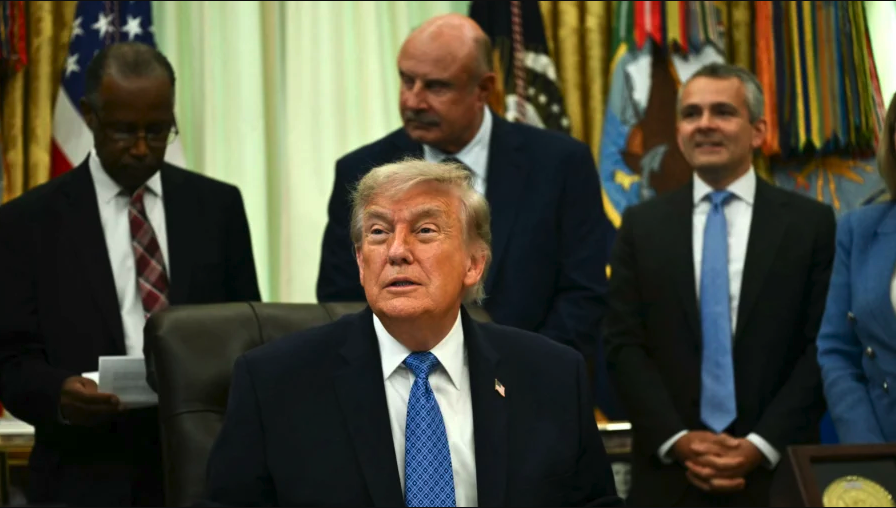
Trump met individually with Zelenskyy and Netanyahu at the White House while both leaders were in Washington to attend the funeral service for the late Sen. Lindsey Graham (R-S.C.).
In posts on Truth Social, Trump described both meetings positively, saying they covered a wide range of important issues without providing further details.
“Had a very good meeting! Obviously, many important subjects were discussed,” Trump wrote after meeting with Netanyahu.
He shared a similar message following his discussion with Zelenskyy, stating, “Many things were discussed. The meeting went very well!”
Zelenskyy also characterized the meeting as positive. He said the leaders discussed efforts to advance a licensing agreement that would allow Ukraine to manufacture its own Patriot missile interceptors. They also discussed diplomatic efforts related to Russia, which launched its full-scale invasion of Ukraine in February 2022.
“Thank you for everything we do together to protect the lives of Ukrainians and advance peace,” Zelenskyy wrote in a post on X after the meeting. “We also spoke about diplomacy—it’s important that the diplomatic process be reinvigorated. Our teams will arrange the details of their further communication.”
Netanyahu likewise described his meeting with Trump as excellent, saying the discussions reflected their “full partnership” and “mutual support,” with a shared understanding that Iran must not acquire nuclear weapons.
Hours before the meeting, however, Trump criticized the Israeli leader for publicly discussing intelligence before speaking with him directly.
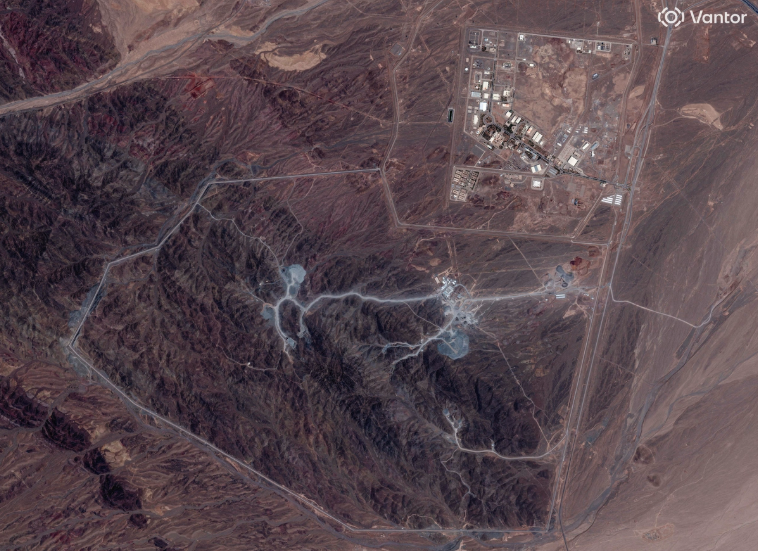
During a phone interview with Fox & Friends on July 28, Trump responded to reports that Netanyahu planned to present satellite imagery and intelligence indicating that Iran was actively constructing and fortifying Pickaxe Mountain. Trump said Netanyahu wanted him “to stay involved.”
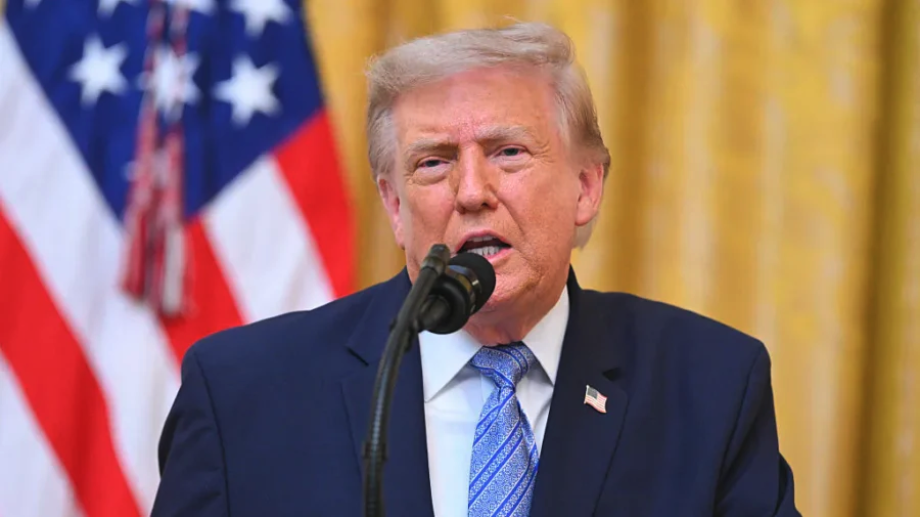
“I heard Bibi announce that. I said: ‘Why don’t you just tell it to me? Why do you have to announce it to the world?’ I know exactly what’s going on at Pickaxe. It’s not a big problem. We took out their nuclear sites, and we'll have to take out Pickaxe if we don’t make a deal,” Trump said.
In a July 25 post on X, Zelenskyy alleged that Russia had assisted Iran by sharing satellite images of U.S. military bases in the Middle East. He said Russia monitored two bases in Bahrain, one in Jordan, and one in Kuwait on July 19 and 20.
“There is a clear correlation between Russia’s satellite imagery of these sites and Iranian strikes—both before the attacks, in preparation for them, and afterward, to assess the damage inflicted,” Zelenskyy said.
Over the past weekend, Zelenskyy said long-range strikes targeted “vessels used in military cargo shipments involving Iran, as well as a warship” in the Caspian Sea, alongside attacks on Russian military assets.
“The warriors of our Defense Forces hit targets across different regions of Russia that are fueling this war,” he wrote. “Once again, a plant in Kirov was struck—the one supplying components for the weapons Russia uses to attack our people.”
Iranian Foreign Minister Abbas Araghchi said in a July 26 post on X that Zelenskyy had allegedly “attacked an Iranian commercial vessel, killing a sailor.”
Calling the incident “a blatant UN Charter violation done at Israel’s behest to drag Europe into its war,” Araghchi said he had spoken with a senior European Union official and Russian Foreign Minister Sergei Lavrov, adding that he had “made clear that what the freeloader in Kyiv did CANNOT GO UNANSWERED.”
Ebrahim Azizi, head of Iran’s parliamentary national security commission, also warned of possible retaliation against Ukraine in a post on X, although he did not specify what measures Tehran might take.
“Attacking Iran has never been and will never be without cost; America and the Zionist regime know this full well,” Azizi wrote on Monday morning. “Ukraine too will soon realize that the Islamic Republic of Iran does not leave debts unpaid. The list of defeated forces is getting longer!”