
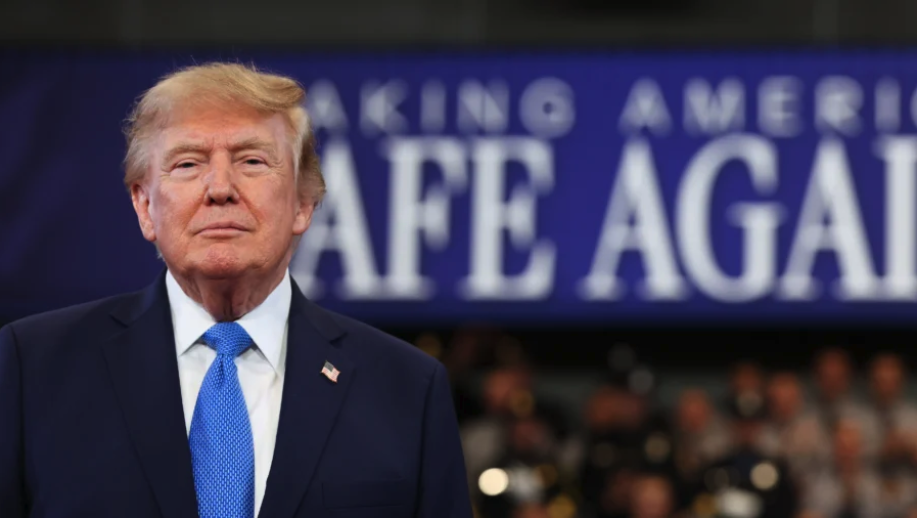
President Donald Trump signals that invoking emergency authority to impose voting restrictions could be possible, while the SAVE America Act remains stalled in the Senate ahead of the November midterm elections
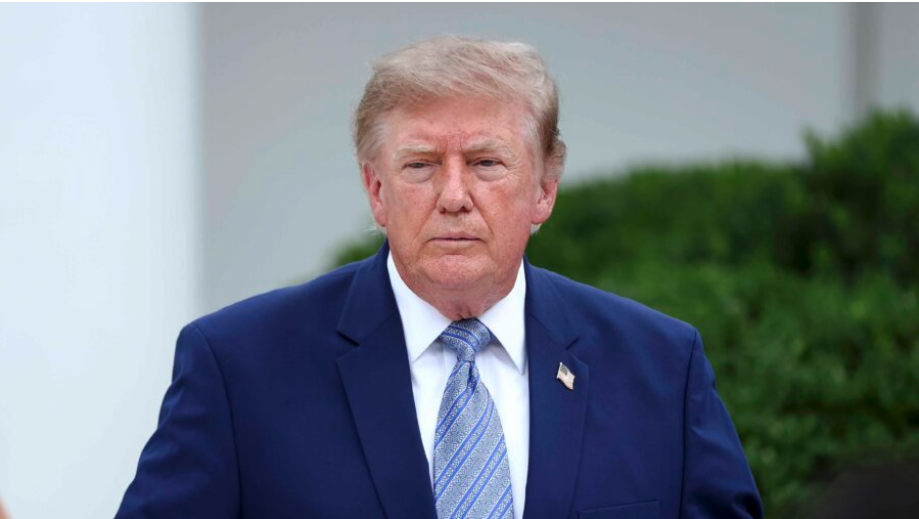
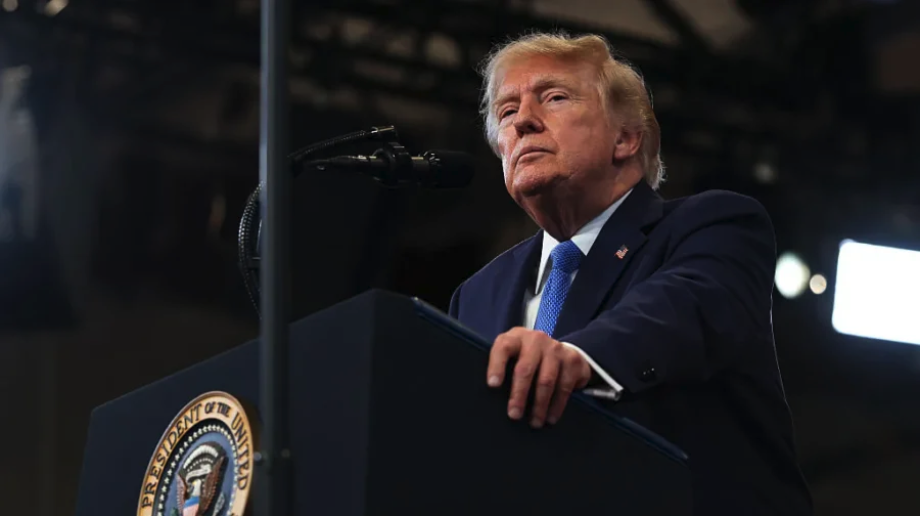
When asked whether he would exercise his authority to enact a National Security Emergency Plan for the midterm elections, President Donald Trump appeared receptive but stopped short of providing further details.
During an Aug. 11 interview posted on YouTube, moderator Wayne Allyn Root suggested that Trump could circumvent Congress by invoking a 1983 U.S. Supreme Court precedent in INS v. Chadha to restrict mail-in ballots and require photo identification as proof of citizenship for voting.
Trump responded, “Stranger things have happened. Okay, I'll leave it at that ... we'll leave it at that.”
The phrase “stranger things have happened” generally means that although an outcome or scenario may be unusual, it remains entirely possible because even more unexpected events have occurred in the past.
Root raised the issue after noting that the Safeguard American Voter Eligibility (SAVE) America Act may not be approved on Capitol Hill before the upcoming Nov. 3 elections.
“If it does pass, then you've got immediate legal challenge by the Democrats, and it won't be in place for the midterms even if it passes,” Root said.
Trump responded that the House of Representatives had passed the legislation five times and praised Speaker of the House Mike Johnson (R-La.) for his work.
Most recently, the House passed the SAVE America Act on Feb. 11 by a vote of 218–213.
“[Johnson] does a great job,” Trump told Root.
The SAVE America Act would amend the National Voter Registration Act of 1993 to require individuals to provide “documentary proof of citizenship” in person when registering to vote or updating their registration for federal elections.
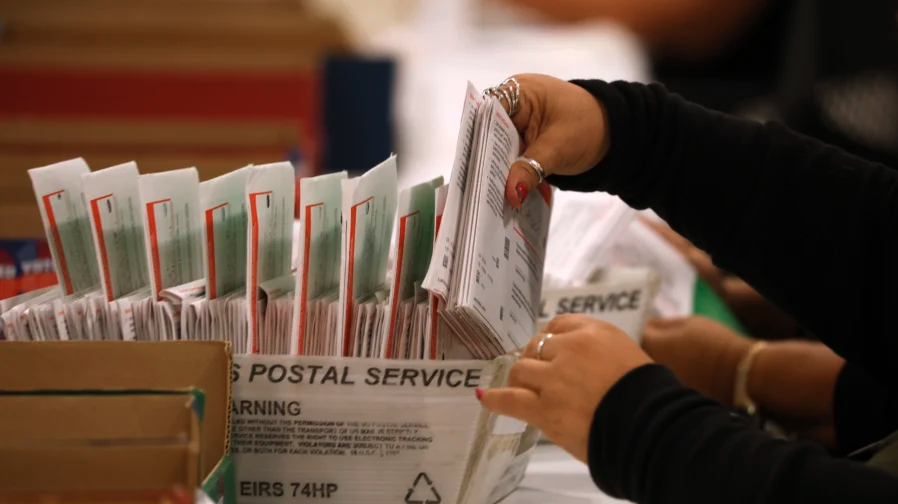
The bill would also establish strict federal photo ID requirements for both in-person and absentee voting, require states to cross-reference voter rolls with federal databases such as the Department of Homeland Security's SAVE system, and impose criminal penalties on election workers who mistakenly register applicants who are not eligible to vote.
If Trump were to exercise his authority to declare a national security emergency for elections, it could not be challenged in court, according to Root.
“It can only be overturned by a two-thirds vote of both houses of Congress. So if you do this in the next month, we will get photo ID, proof of citizenship, and a limit to mail-in ballots,” he added.
As of August 2026, no definitive date has been officially scheduled for a full Senate floor vote on the SAVE America Act proposal.
The measure will be considered by Senate leadership after it is reviewed by the Senate Rules Committee.
However, the Senate has been on summer recess since Aug. 8 and is scheduled to return on Sept. 14.