


President Signals Possible Maritime Charges if Iran Fails to Reach Long-Term Peace Agreement Within 60 Days
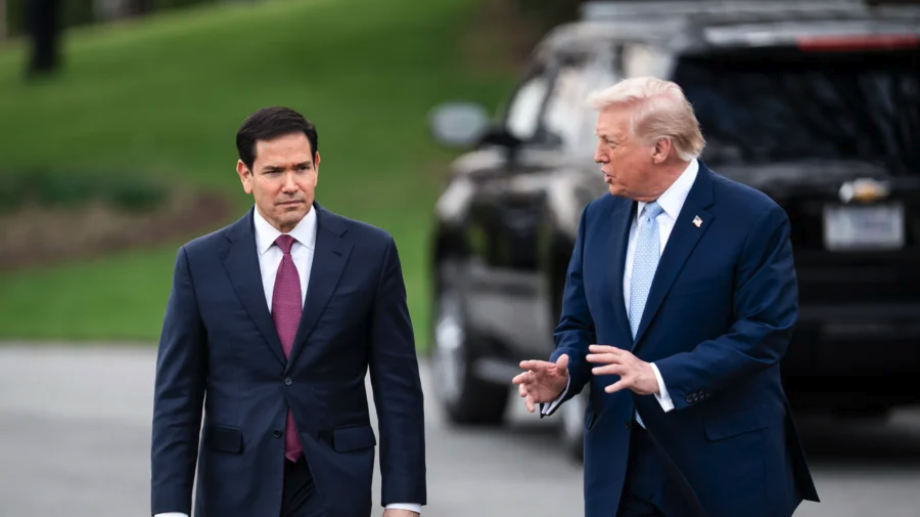
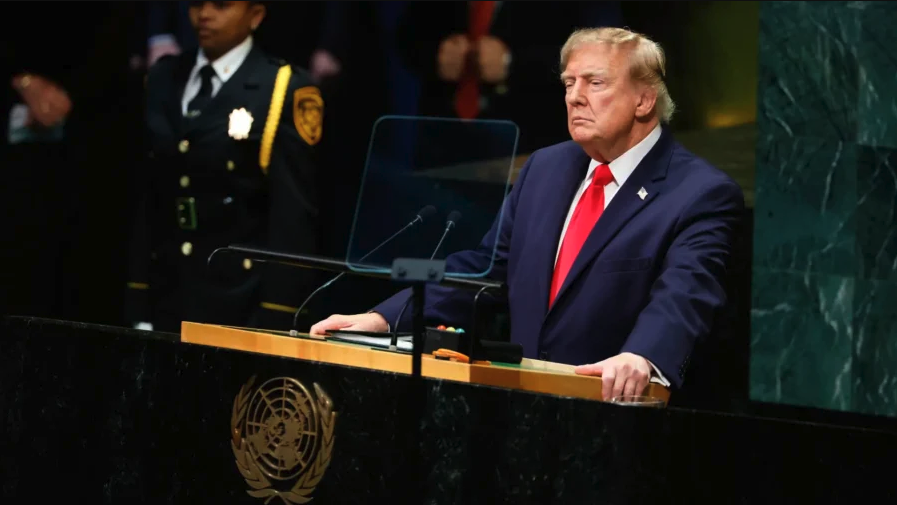
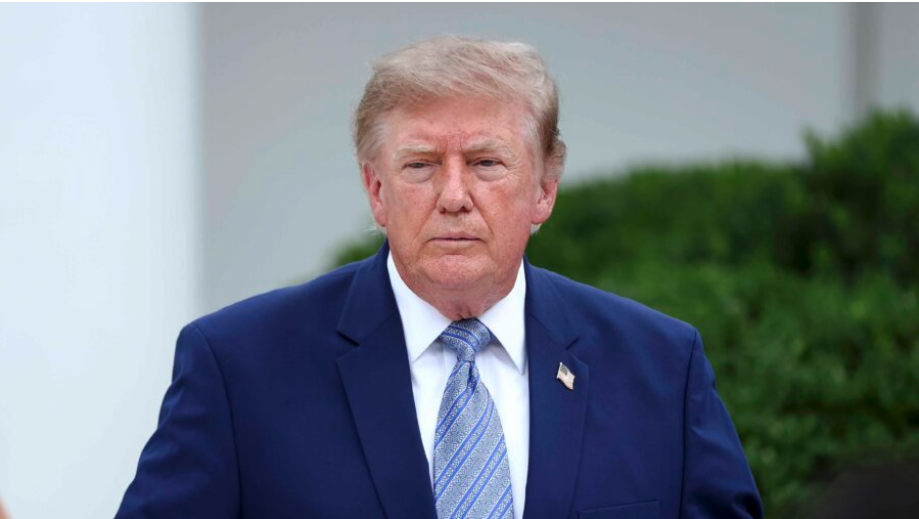
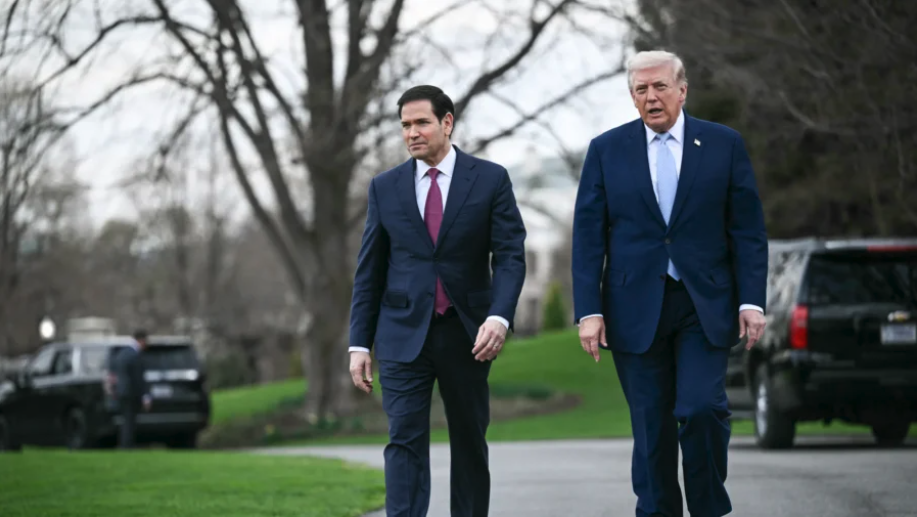
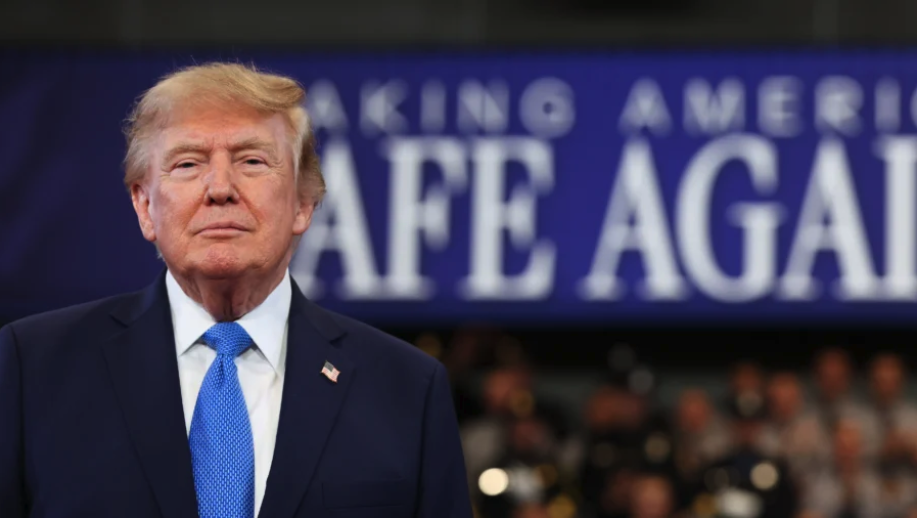
President Donald Trump on June 20 warned that the United States could impose a new toll on maritime traffic transiting the Strait of Hormuz if a long-term peace agreement with Iran is not finalized within the next two months.
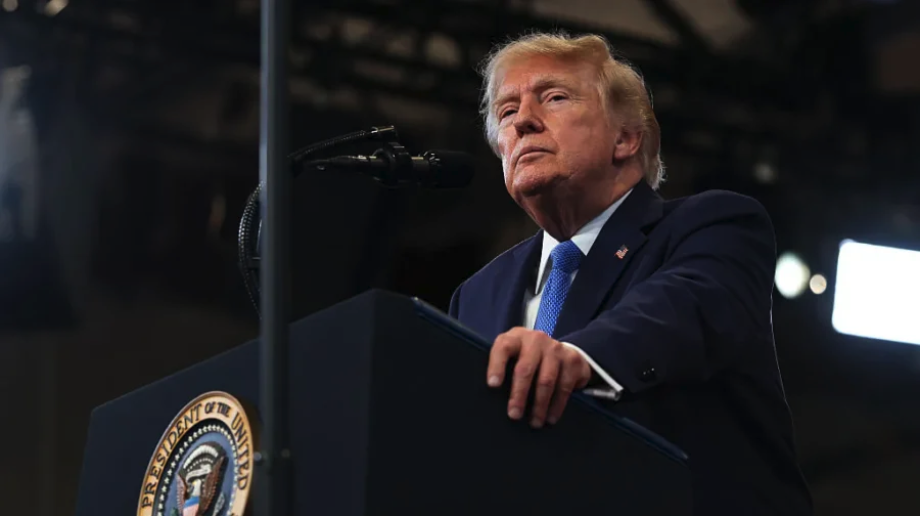
“There will be NO TOLLS in the Hormuz Strait for 60 days during the Cease Fire Period, and there will be NO TOLLS after the 60 day period has expired, unless they are imposed by and for the United States of America, should the deal not be completed, for services rendered as the Guardian Angel to the countries of the Middle East for purposes of both past, present, and future reimbursement of costs,” Trump wrote in a post on Truth Social.
The statement came as Washington and Tehran continued efforts to negotiate a lasting peace agreement.
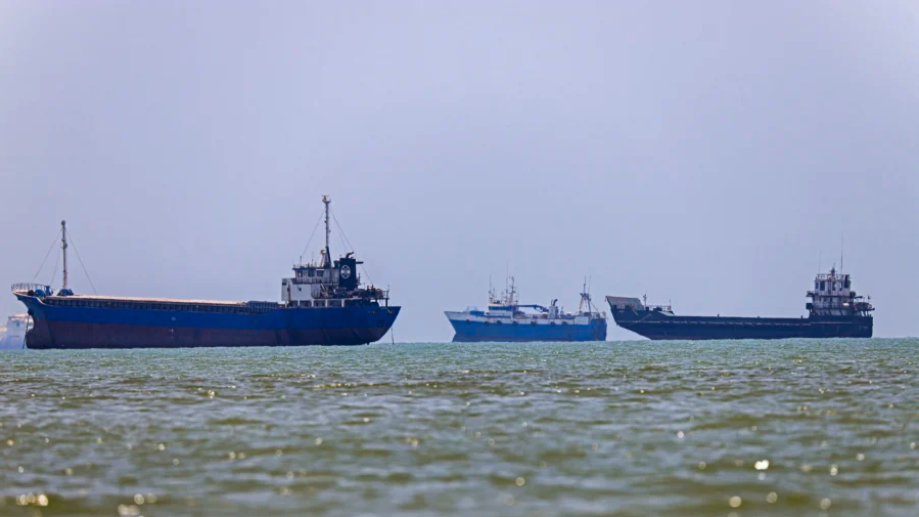
The Strait of Hormuz, a critical maritime corridor for global shipments of petrochemicals and other commodities, became a focal point of tension during the recent military standoff between Iran and the United States.
A memorandum of understanding signed by Trump and Iranian President Masoud Pezeshkian on June 17 established terms for restoring maritime traffic through the strategic waterway during a 60-day period in which both sides would pursue negotiations toward a final peace accord.
Trump’s warning followed Iranian authorities’ announcement that they had closed the Strait of Hormuz to maritime traffic. Iranian officials said the move was in response to ongoing Israeli military operations in Lebanon.
Lebanon has remained a significant obstacle to broader peace efforts between Iran and the United States. The newly signed memorandum states that the United States, Iran, and their respective allies would “declare the immediate and permanent termination of military operations on all fronts, including in Lebanon.”
Overnight on June 19, four Israeli soldiers were killed while conducting operations in the Beaufort and Ali a-Tayr Ridge areas aimed at dismantling underground Hezbollah weapons caches and combat positions. Israeli forces later launched dozens of retaliatory strikes across southern Lebanon.
In a post on X on Saturday, Israeli Ambassador to the United States Yechiel Leiter blamed the Hezbollah terrorist group for violating the ceasefire.
Hezbollah’s media relations office, meanwhile, said Israel was primarily responsible for the renewed clashes, citing the continued presence and operations of Israeli forces in southern Lebanon.
U.S. and Iranian delegations had originally been scheduled to meet in Switzerland on June 19 for technical negotiations intended to advance the peace process. However, the talks were postponed due to the fighting in Lebanon.
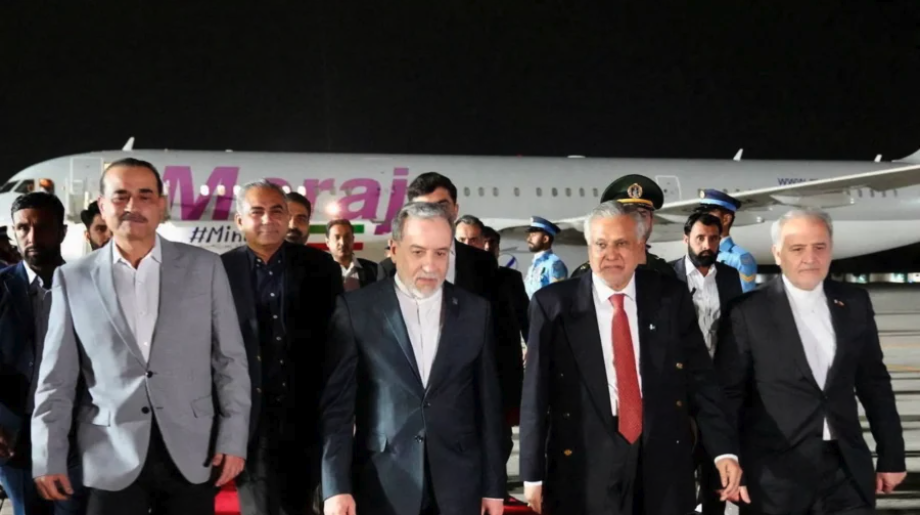
According to the Pakistani government, which has acted as a mediator, negotiations in the Swiss resort area of Bürgenstock are now set to begin on June 21.
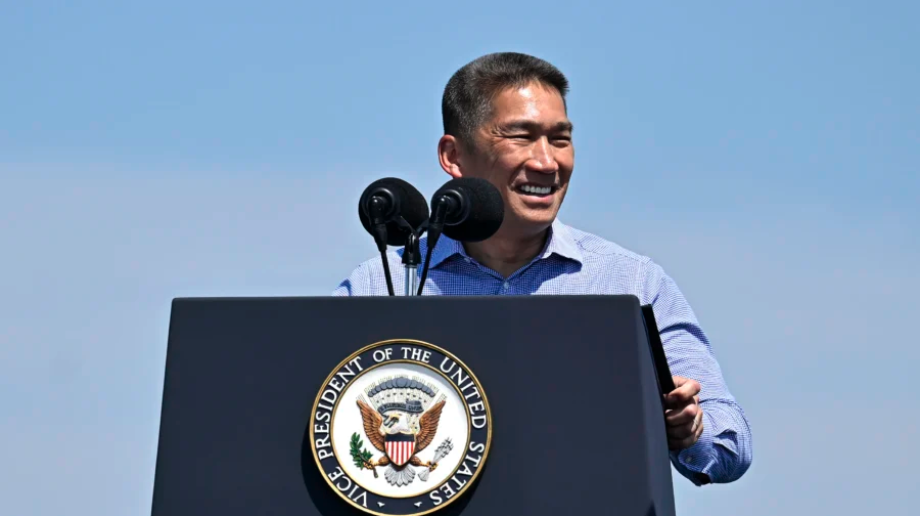
U.S. Vice President JD Vance departed for Switzerland on Saturday afternoon. Before leaving, Vance told reporters that discussions would likely focus on the future of Iran’s nuclear program as well as the conflict in Lebanon.
On the same day, Iranian Foreign Ministry spokesman Esmaeil Baghaei announced that an Iranian diplomatic delegation had also departed for Switzerland. Baghaei said the delegation would prioritize discussions concerning efforts to limit Israel’s military activities inside Lebanon.