

President Donald Trump says the United States can continue negotiations, launch further military strikes, or intensify economic pressure as Iran faces soaring inflation, sanctions, and mounting financial difficulties
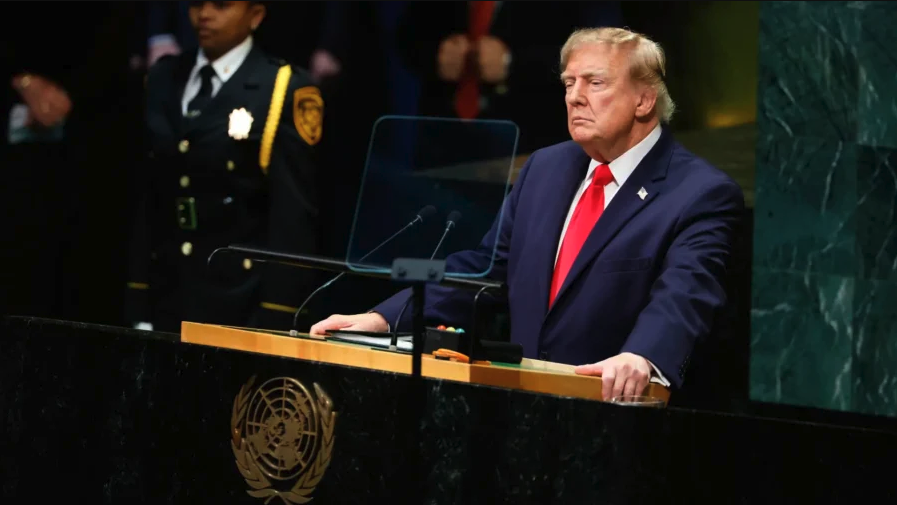
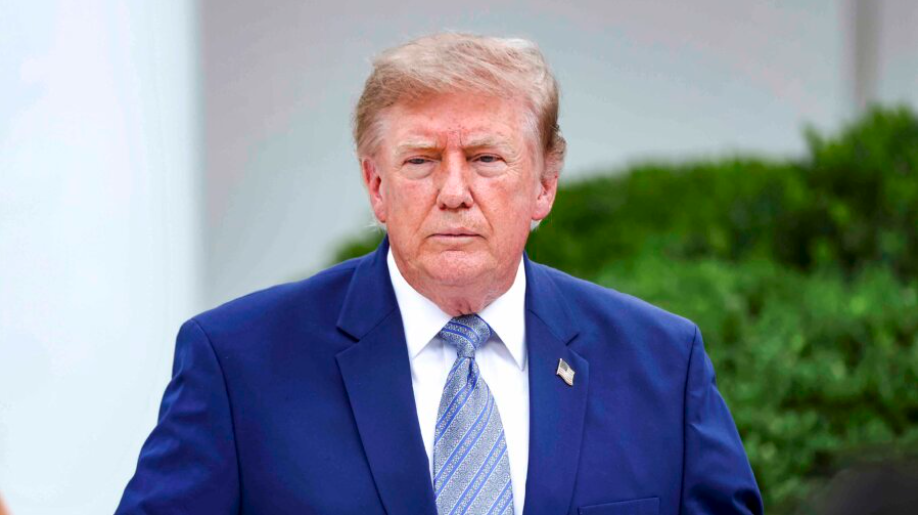
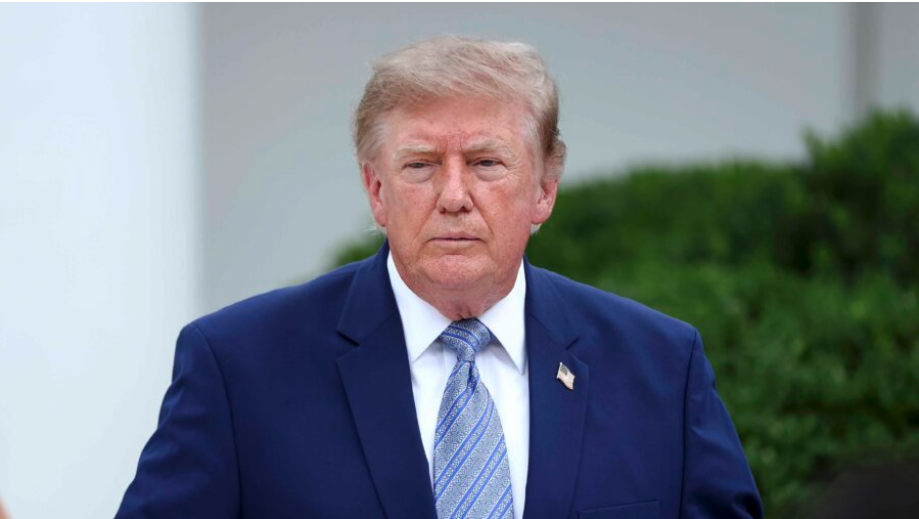
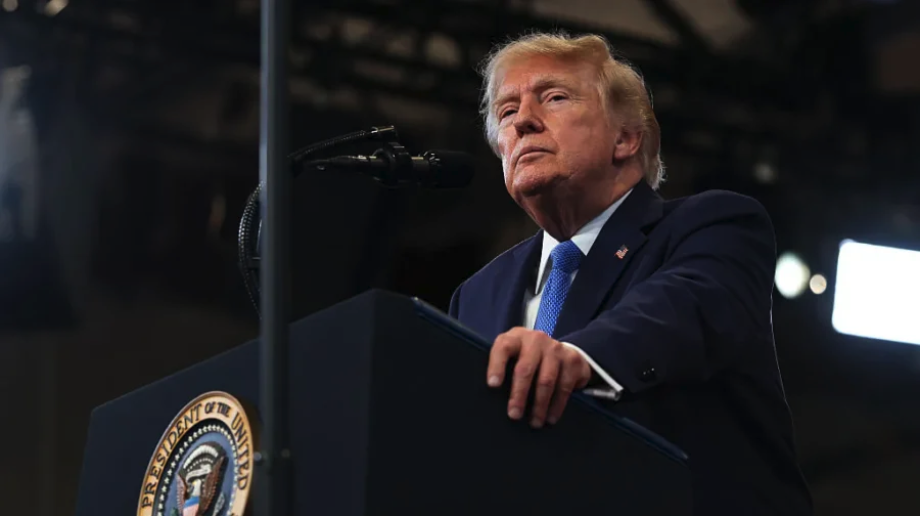
President Donald Trump has outlined three “powerful strategies” the United States could use against Iran, warning that the regime’s economy is “not sustainable” amid soaring inflation, U.S. sanctions, and other economic pressures.
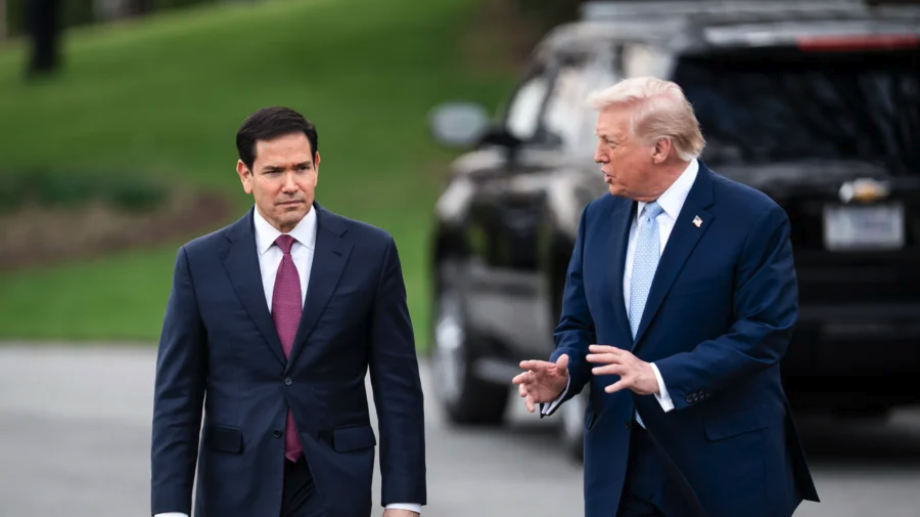
In a pre-taped interview with Real America’s Voice that aired early Tuesday morning, Trump said his administration had several options for bringing the war with Iran to an end. Those options include continuing negotiations while allowing Iran’s economy to deteriorate, carrying out military strikes against Iran, or defeating the regime economically.
Trump said Monday in a Truth Social statement that he would demand compensation from Iran for people killed by the regime as part of any future negotiations. His demand came after Tehran refused to reopen the Strait of Hormuz unless the United States agreed to a series of demands, including compensation for damages caused by the war.
During the Real America’s Voice interview, Trump detailed the strategies the United States could pursue against Iran. He said the first option would be to “just keep it alone, and they’re going to fail.”
“Look how bad they’re doing, because they’ve got 300 percent inflation; they have no value,” Trump said. “Their currency has almost no value. They’re not paying their soldiers. Their soldiers are leaving.”
Trump warned that Iran’s economic situation was “not sustainable” following rising inflation and increased U.S. sanctions against the regime.
He also said a second strategy would be for the United States to hit Iran “really hard.”
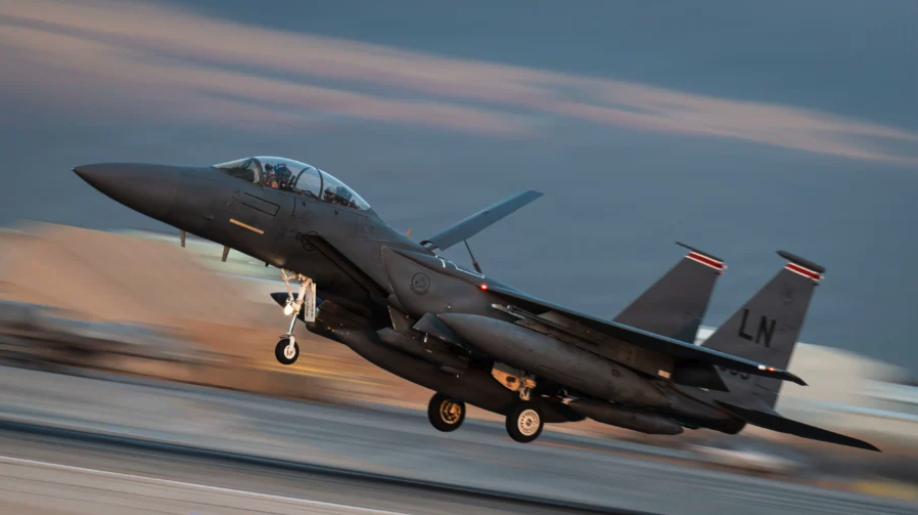
Last month, U.S. Central Command (CENTCOM) conducted strikes against Iranian military targets for 13 consecutive days, beginning July 11 and ending July 23. On July 24, Trump indicated that the U.S. military was prepared to launch a massive attack against the regime.
The president had previously warned that the United States could intensify its military strikes against Iran.
“We’re prepared to do that, as you know,” he said last month. “We’re locked and loaded and ready to go.”
Trump said during the Real America’s Voice interview that the third strategy available to the United States was to “just beat them economically.”
“So economically, they are a mess. They can’t borrow money. We control their money—what they had, which is a lot. They had a lot, and we have total control of it. I’m their banker,” he said.
Trump also criticized Tehran’s approach to negotiations during the pre-taped interview.
“They’re very devious negotiators because they’ll agree to something, then they’ll go out and tell the press that they never agreed to it,” he said. “They’re very dishonest people.”
Trump’s criticism of Iran’s negotiators followed months of negotiations between Washington and Tehran. The two countries signed a memorandum of understanding on June 17 after nearly four months of fighting that began with U.S. military strikes against Iran on Feb. 28.
After the memorandum of understanding broke down in July, the United States and Iran repeatedly exchanged military strikes before both sides paused further attacks.
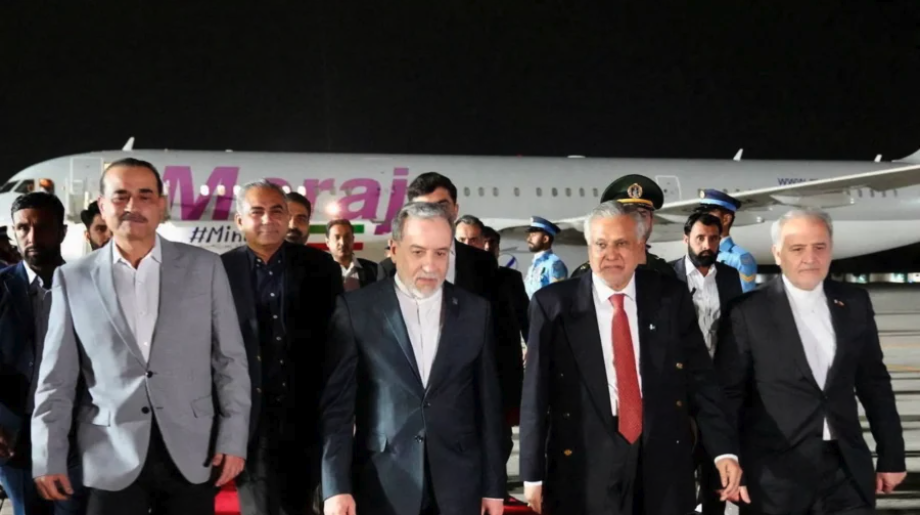
Iranian Foreign Ministry spokesman Esmail Baghaei said on July 27 that the regime had not requested a resumption of peace talks after Trump paused military strikes.
In response to Iran’s claim, a U.S. official told The Epoch Times that Iran had “begged the United States to halt the devastating strikes” and that the regime was “desperate for a deal.”
On Aug. 9, CENTCOM announced that U.S. forces had redirected 55 commercial vessels, disabled two ships, and boarded two others to ensure compliance with the U.S. naval blockade of Iranian ports.
The U.S. military reinstated the blockade of Iranian ports on July 14, after a temporary ceasefire between the United States and Iran collapsed in early July.
On Aug. 8, Iran warned that it would not reopen the Strait of Hormuz unless the United States agreed to a list of demands, including lifting the naval blockade of Iranian ports, removing sanctions on the regime, releasing blocked Iranian assets, withdrawing U.S. military forces, and paying damages caused by the war.
On Aug. 9, Trump said the U.S. naval blockade of Iran’s ports was hurting the country’s economy. He added that Iran’s economy was “in very bad shape” and that the regime lacked the funding needed to pay its military troops.
“We are only semi-negotiating with them,” Trump told Axios. “We are just watching Iran with its huge inflation and the fact they have no money.”