


As fighting pauses and oil and gas prices ease, Trump says Washington is taking a more measured approach to negotiations while Iran faces soaring inflation, financial strain and continued pressure from a U.S. naval blockade
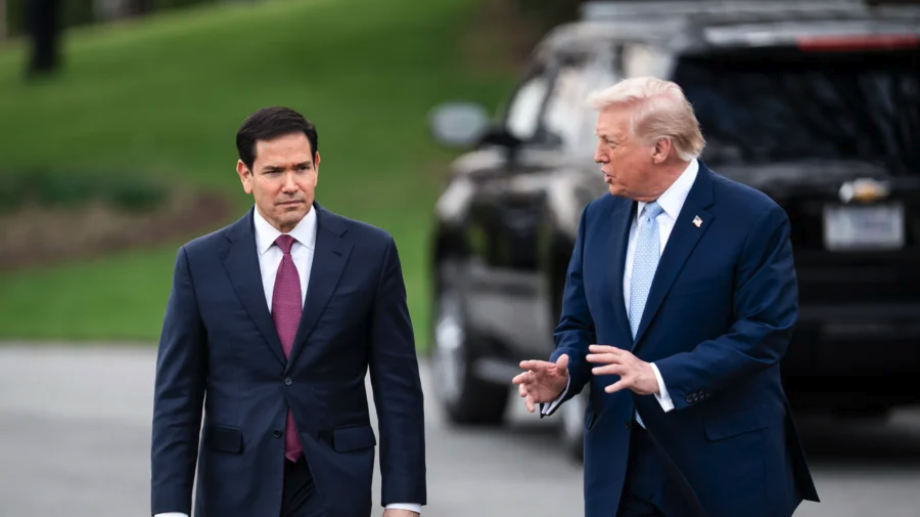
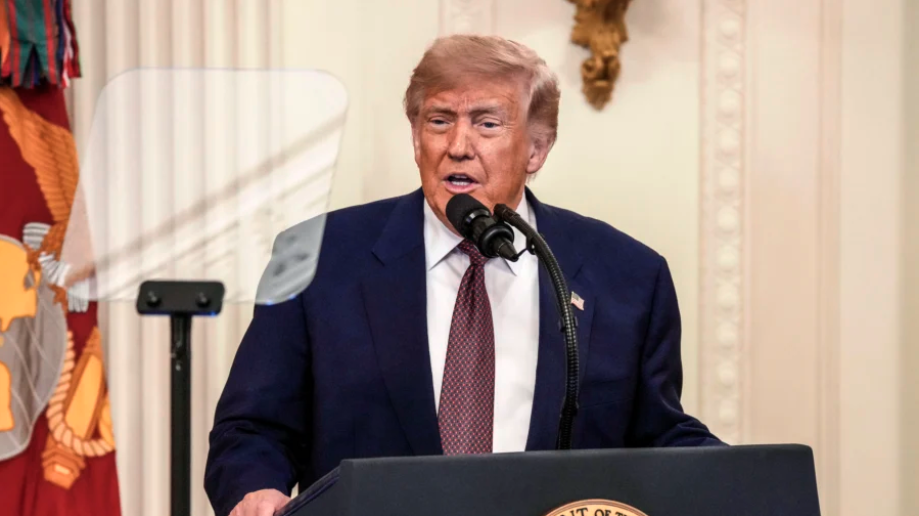
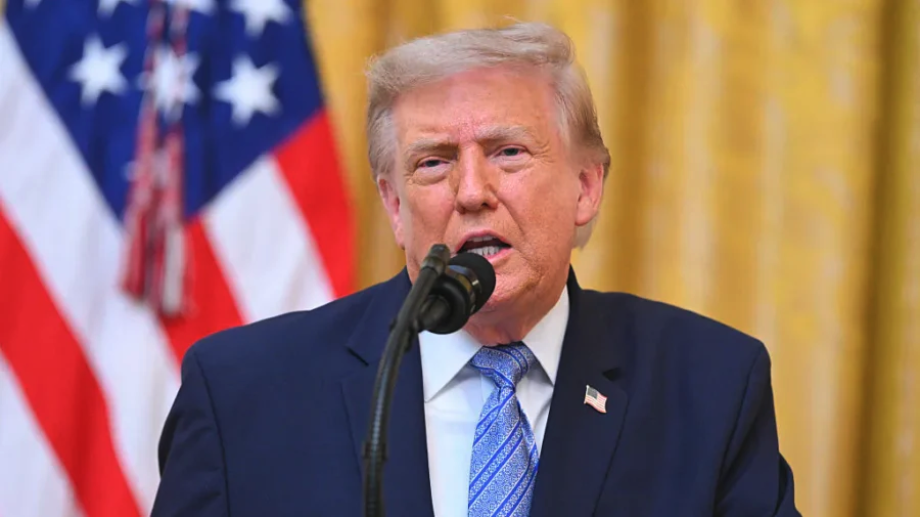
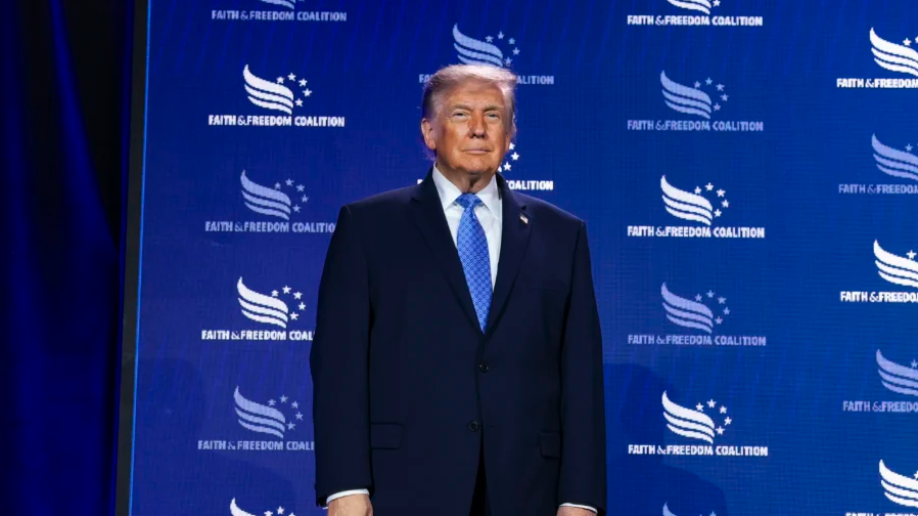
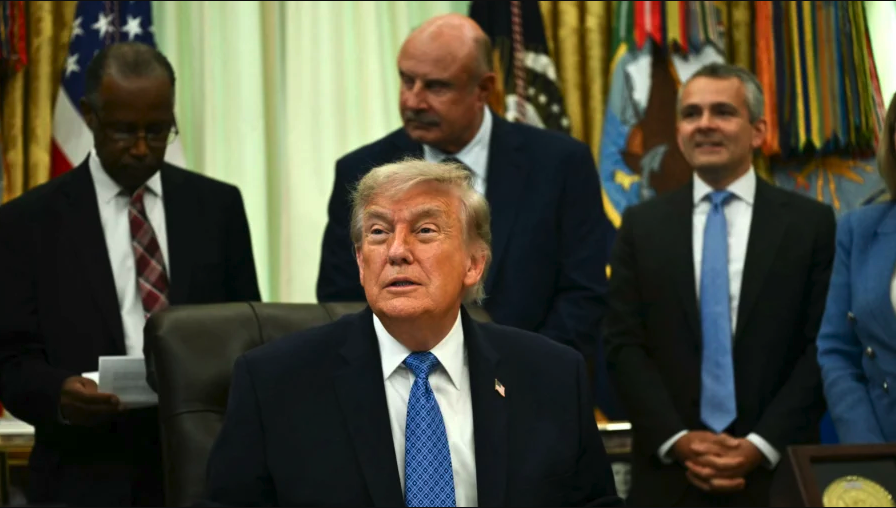
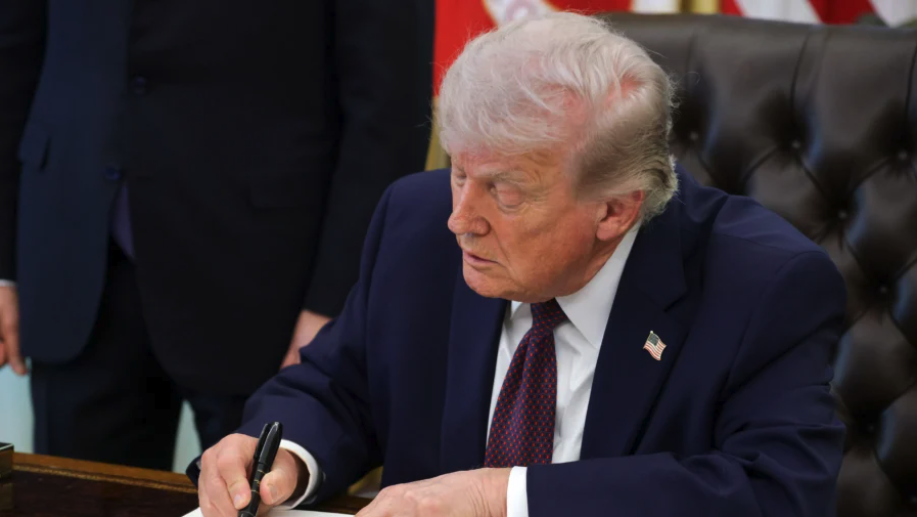
U.S. President Donald Trump said Sunday that the United States is “low keying” its approach to negotiations with Iran, suggesting that mounting economic pressure on Tehran is beginning to take effect.
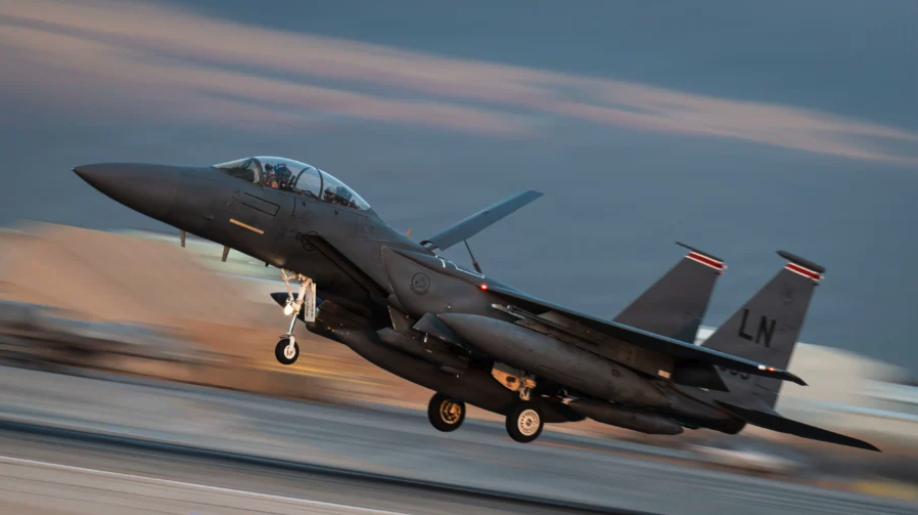
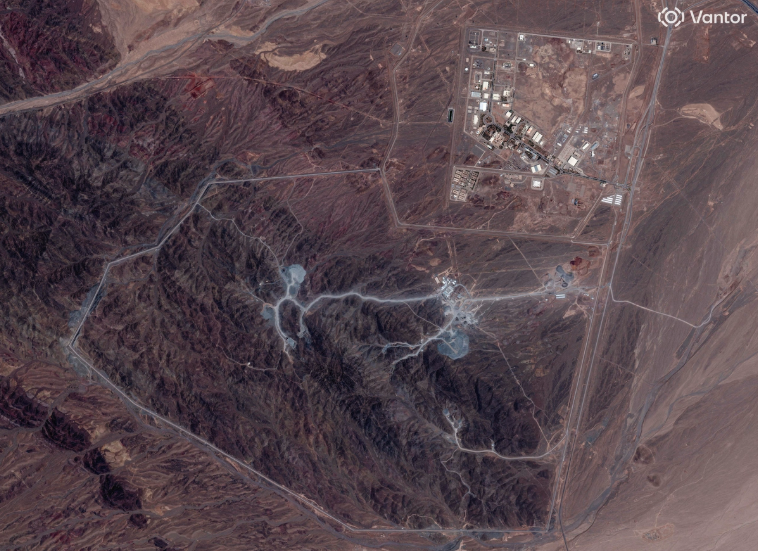
The U.S. military had carried out strikes against Iran every day for roughly two consecutive weeks before Trump announced a halt to the attacks, saying the pause would pave the way for further negotiations. A U.S. naval blockade of Iran’s ports remains in effect.
“We are low keying it,” Trump told Axios about the talks with Iran. “We are only semi-negotiating with them. We are just watching Iran with its huge inflation and the fact they have no money.”
Trump said Iran’s economy “is in very bad shape” and that the country lacks the funds to pay its troops, citing the impact of the U.S. naval blockade.
“It will work out. It always works out,” the president said when discussing the conflict and negotiations with Tehran. “It’s like a chess game.”
Over the weekend, the U.S. Central Command (CENTCOM), which oversees American military operations in the Middle East, said in a post on X that 53 commercial ships traveling to or from Iran had been redirected. Two other vessels were disabled and two more were boarded.
With the fighting paused, oil prices have also declined. The price of a barrel of West Texas Intermediate crude fell from a recent high of about $92 on July 23 to $78 by Sunday afternoon. Brent crude, the main benchmark outside the United States, similarly dropped from around $100 per barrel on July 23 to approximately $83.
U.S. gasoline prices, meanwhile, were hovering around $4 per gallon nationwide. According to the American Automobile Association (AAA), the average price of regular gasoline fell by roughly 8 cents per gallon, from $4.09 a week earlier to $4.01 on Sunday.
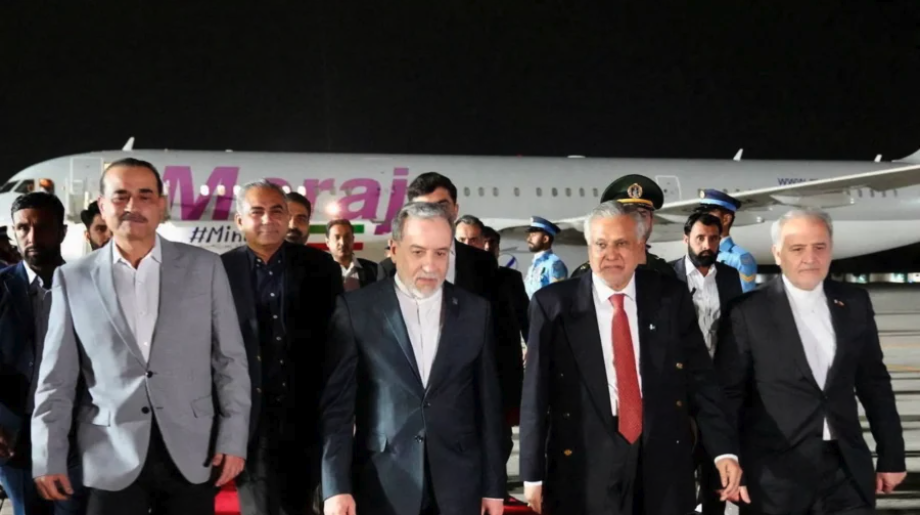
Iranian Foreign Minister Abbas Araqchi said Sunday that an agreement concerning the strait between the two countries was in its “final stages,” while repeating comments he made Saturday that Iran would not reopen the waterway unless other conditions were met.
Araqchi said the Iranian regime and the U.S. government are not engaged in direct talks, and that Tehran would not begin negotiations as long as Washington continues to breach an interim agreement signed in June. He added that messages are being exchanged through intermediaries.
The United States began air strikes on Iran in late February, with Trump and other U.S. officials saying the objective was to ensure that the Iranian regime could not obtain nuclear weapons.
Mohammad Baqer Zolqadr, secretary of Iran’s top national security body, also outlined what he said were the conditions for ending the conflict. They included an end to U.S. threats against Iran, a halt to military activity against Iran and its Lebanese, Palestinian, Yemeni and Iraqi allies, the lifting of the blockade and sanctions on Iran, and the release of Iranian assets.
Ultimate decision-making power in Iran rests with the country’s top leader, Mojtaba Khamenei, who has not been seen in public since an air strike killed his father and predecessor on Feb. 28, the first day of U.S.-Israeli air strikes against Iran.
On Saturday, U.S. Vice President JD Vance said the conflict with Iran “is not over,” adding that “we’re in the middle of the game, and we’re applying a whole host of tools” against Tehran.
“They want this thing to be over,” Vance said, referring to some elements within Iran’s leadership. “The question is whether they’re able, their system is able, to give the things that are necessary for us to be happy, for us to feel like we’ve gotten what we need out of this particular engagement.”