

President Says Middle East Allies Have Agreed on the Parameters of a Deal That Could End the Iran War, Reopen the Strait of Hormuz, and Eliminate Tehran’s Nuclear Threat
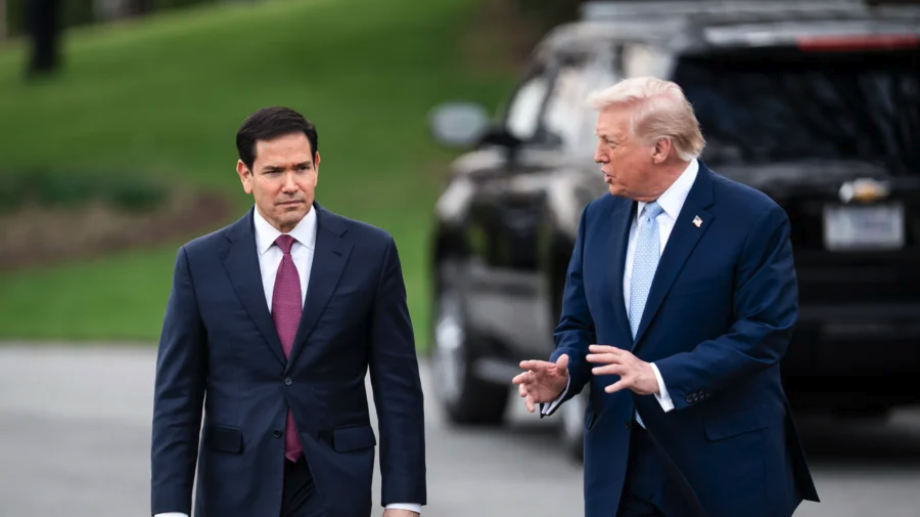
WASHINGTON — President Donald Trump announced Saturday evening that key Middle East allies have agreed on the framework of a potential peace deal aimed at ending the five-month conflict with Iran, prompting him to suspend plans for additional U.S. military strikes while negotiations move forward.
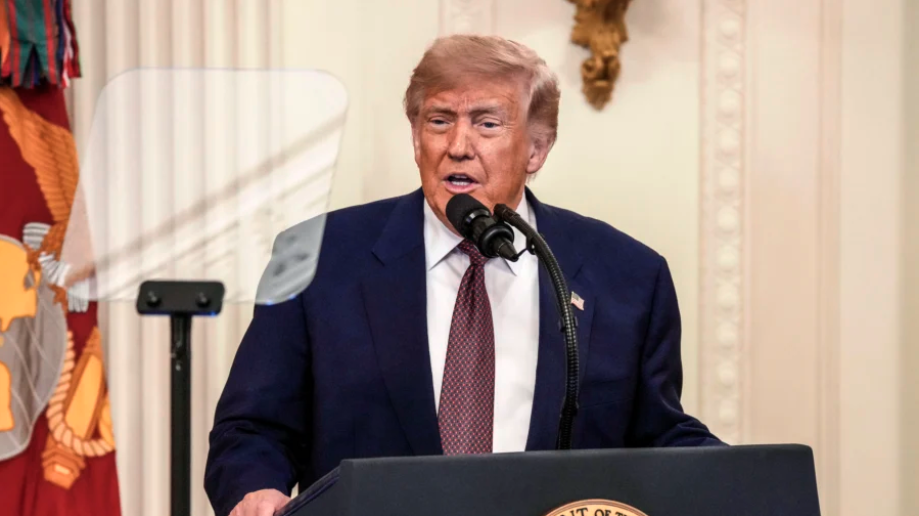
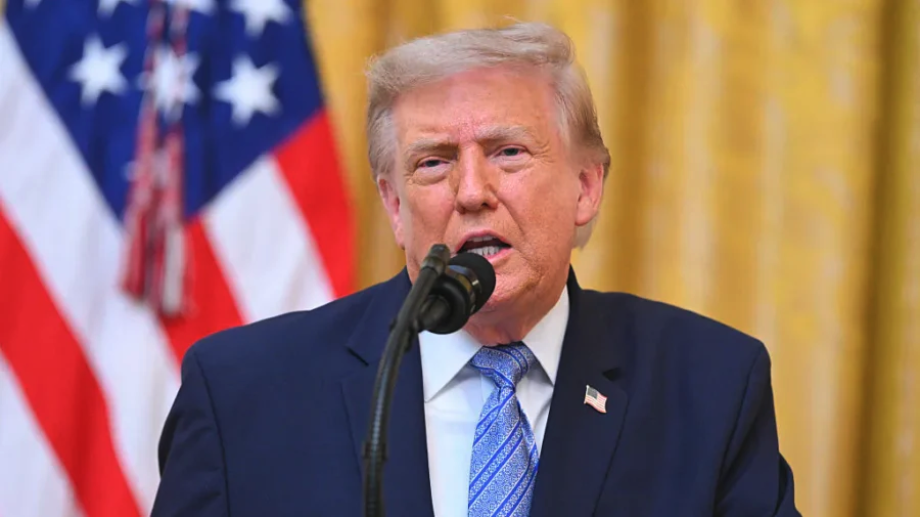
In a post on social media, Trump said the proposed agreement would include the "Immediate, Complete, and Total OPENING OF THE HORMUZ STRAIT" as well as the elimination of Iran’s nuclear threat.
“Based on this request, I have agreed, for the future benefit of the WORLD and, likewise, the survival of a successful and prosperous Iran, to cancel the attack, subject to being able to rapidly make a DEAL,” Trump wrote.
He also stated that Israel has agreed to join the United States in pursuing a final agreement with Iran that would bring the war to an end.
Iran did not immediately respond publicly to Trump’s announcement.
The president’s statement came one day after he indicated to reporters that he was close to authorizing renewed large-scale military strikes to pressure Tehran into returning to negotiations.
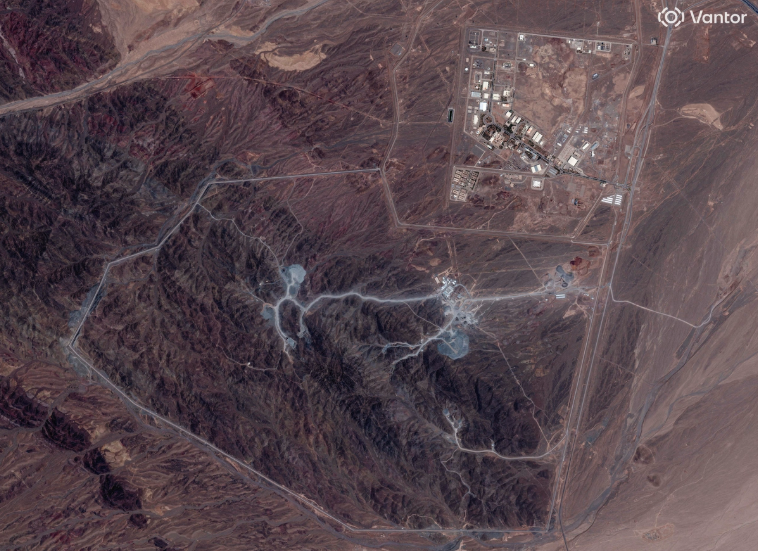
The conflict began on Feb. 28, when the United States and Israel launched coordinated attacks on Iran. Trump said the campaign was intended to destroy Tehran’s missile capabilities, prevent the country from acquiring nuclear weapons, and end its support for allied armed groups.
A temporary ceasefire reached in mid-June briefly halted hostilities and was expected to lay the foundation for a permanent agreement. However, the truce collapsed within weeks after Iran resumed attacks on commercial shipping in the Strait of Hormuz.
Earlier this week, Saudi Arabia joined the United States in carrying out strikes against multiple logistics and weapons facilities used by Iranian-backed militias in Iraq. At the same time, Riyadh has continued to encourage Washington and Tehran to return to the negotiating table in search of a lasting resolution to the conflict.
Saudi Crown Prince Mohammed bin Salman also dispatched his brother, Defense Minister Khalid bin Salman, to Washington on Wednesday for separate meetings with President Trump and Vice President JD Vance to discuss strategy toward Iran.
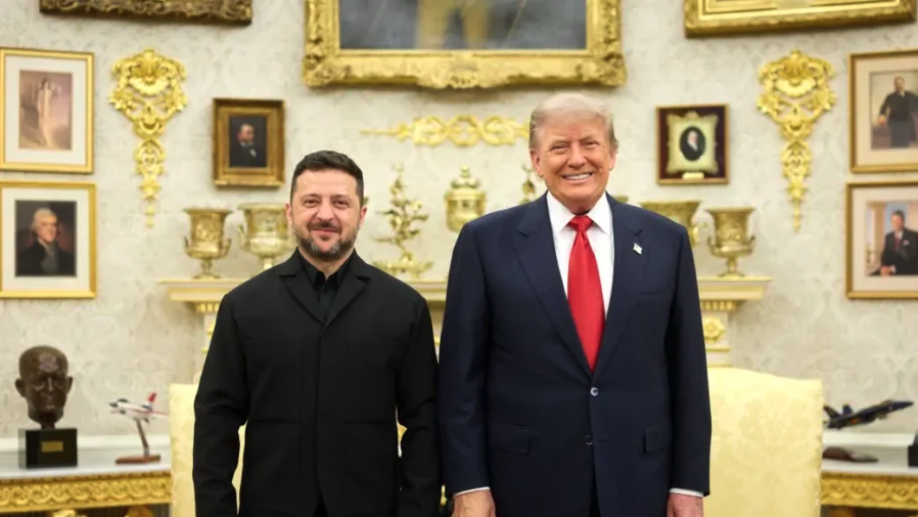
On Tuesday, Trump also met with Israeli Prime Minister Benjamin Netanyahu at the White House, marking their first face-to-face meeting since the war began in February. Netanyahu has urged the U.S. president to continue military operations against Iran.
Trump had previously vowed retaliation after the U.S. military foiled what officials described as a surprise Iranian attack on an American military base in Jordan earlier this week.
Speaking to reporters on Friday, Trump said the United States "just want[s] to win" in Iran and warned that Washington would strike the country "very hard" until it could no longer continue fighting. White House Press Secretary Karoline Leavitt echoed the president’s remarks, saying Tehran had signed a memorandum of understanding with the United States on a truce last month before quickly violating it by attacking commercial vessels and killing American service members.
Earlier Saturday, the U.S. State Department issued new security alerts advising Americans in 10 countries across the Middle East to exercise heightened caution as tensions with Iran continue to escalate.
The advisory covers Bahrain, Israel, Iraq, Jordan, Kuwait, Lebanon, Oman, Qatar, Saudi Arabia, and the United Arab Emirates. U.S. citizens were urged to prepare for possible flight cancellations, temporary airspace closures, and other travel disruptions.
Iran Launches Fresh Attacks Across the Gulf Region
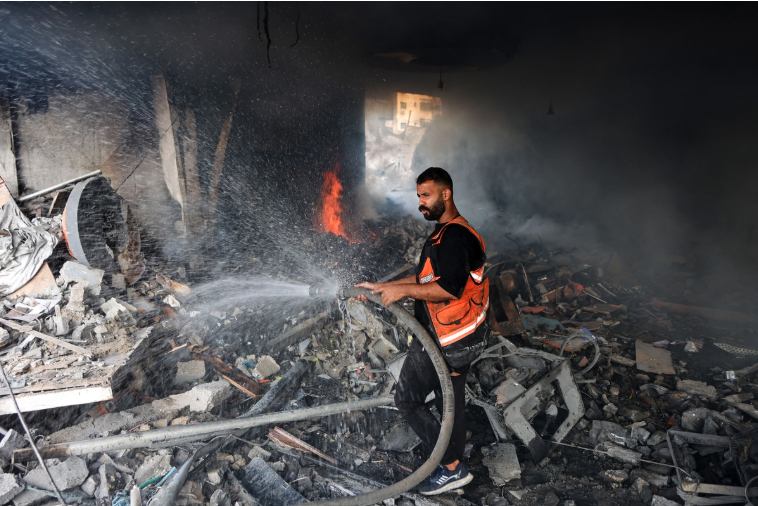
Meanwhile, Kuwait’s military announced Saturday that its forces had responded to drone attacks launched by Iran.
Maj. Gen. Saud Abdulaziz Al-Otaibi, spokesperson for Kuwait’s Defense Ministry, said the drones struck several vital facilities, including a government building in northern Kuwait. He added that no casualties were reported.
Separately, the British Navy reported that a tanker was struck while another vessel experienced a nearby explosion in the Strait of Hormuz off the coast of Oman. No casualties were reported in either incident.
According to the United Kingdom Maritime Trade Organization, an unidentified projectile struck a vessel on Friday approximately 11 nautical miles northeast of Lima, Oman, causing damage to its engine room.
The organization also reported that on Saturday, a large splash and explosion occurred near another tanker while it was sailing about 21 nautical miles northwest of Khasab, Oman.