
U.S. President Warns Tehran Time Is Running Out, While Delaying Military Action to Leave Door Open for a Diplomatic Breakthrough
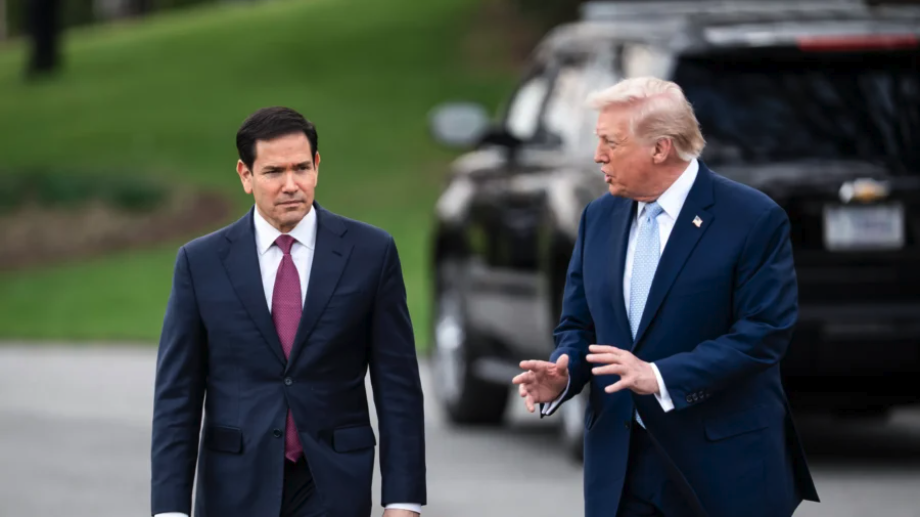
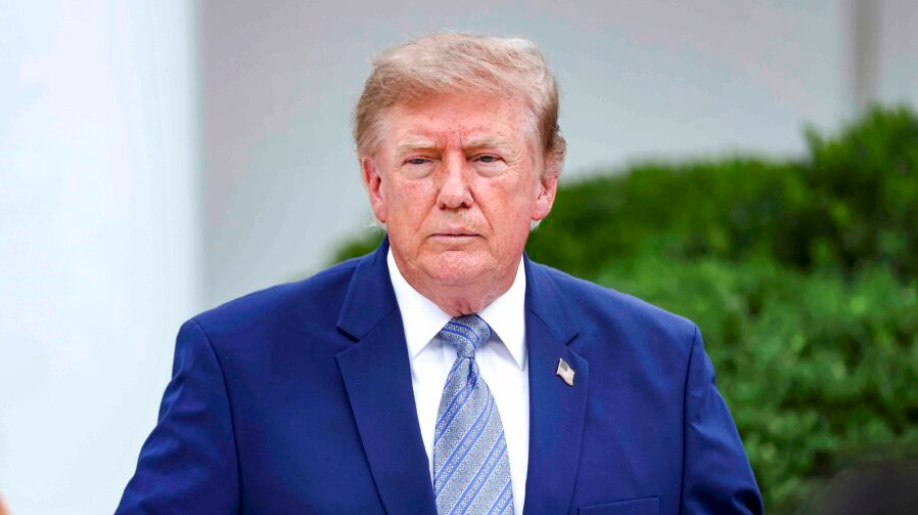
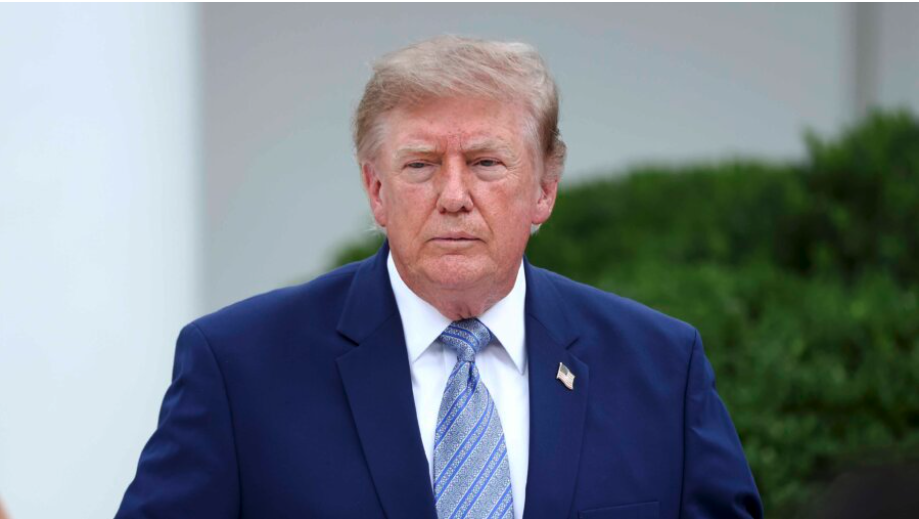
U.S. President Donald Trump said Monday that negotiations with Iran remain underway, but warned that Tehran is facing its “last chance” to reach a peace agreement before the United States considers further military action.
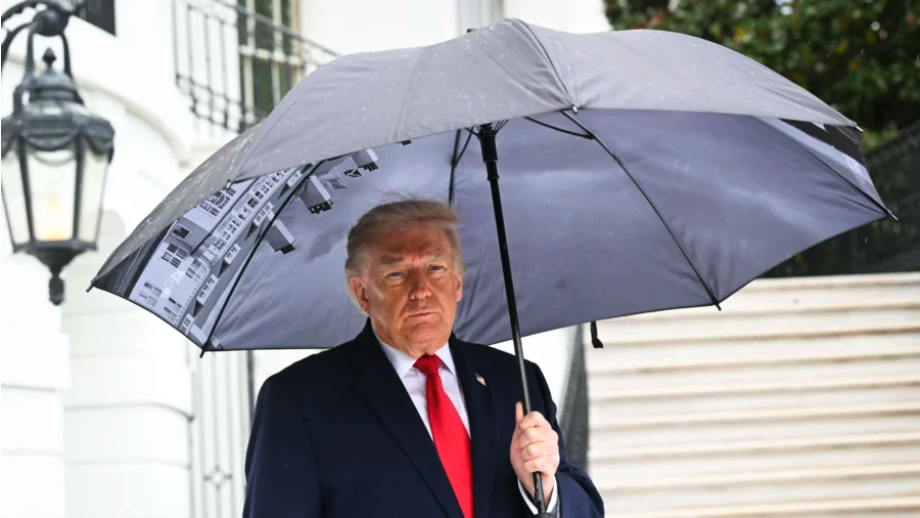
Speaking to reporters at the White House, Trump said Iranian officials had contacted his administration, urging Washington not to launch an attack. He described the proposed military operation as a significant one.
“Please, don't attack. We'll make a deal,” Trump said, recounting what he claimed Iranian officials had told his administration.
According to the president, the decision to pause planned strikes followed requests from Gulf allies as well as Iranian officials. Over the weekend, Trump also told reporters that any potential military action would be the most significant since World War II.
Since the conflict began on Feb. 28, Trump has repeatedly halted and resumed military strikes while negotiations over Iran’s controversial nuclear program have continued. Throughout the conflict, he has maintained that Iran must never be allowed to obtain a nuclear weapon.
“This is the last chance” for Iran to sign a “good document,” Trump said, adding that he wanted to give Tehran “every last chance before decapitation.”
Trump also downplayed concerns about Iran’s potential actions in the Strait of Hormuz, the strategic waterway connecting the Persian Gulf to the open ocean. He asserted that the United States maintains naval dominance in the region.
“We have total control. You know, we have a thing called a blockade,” Trump said. “And that Navy is, they call it a wall of steel.”
The president outlined two phases in the ongoing discussions. The first involves reopening the Strait of Hormuz, a step he said would take place on Aug. 4.
The second phase, focused on Iran’s denuclearization, will require more time, Trump said.
“We're very strong on it: they cannot have a nuclear weapon,” he added.
After Trump announced the pause in military strikes, a senior Iranian spokesperson said on Aug. 3 that direct negotiations with the United States were not taking place. However, Tehran remains engaged in discussions with Oman, according to the semi-official Mehr News Agency.
Iranian Foreign Ministry spokesman Esmaeil Baghaei also stated that the Strait of Hormuz would not “return to the situation before the war,” Mehr reported following talks between Tehran and Oman.
Responding to those remarks, Trump wrote on Truth Social that Iranian officials are “unbelievably duplicitous.” He also reiterated that the U.S. Navy continues to blockade Iranian vessels.
Iran has repeatedly targeted ships attempting to pass through the Strait of Hormuz without its authorization as part of its ongoing conflict with the United States.
Trump said Sunday that he chose to delay additional U.S. strikes against Iran following appeals from Gulf allies, including Qatar, Saudi Arabia, and the United Arab Emirates.
He added that a conversation with Saudi Crown Prince Mohammed bin Salman played a major role in shaping his decision.
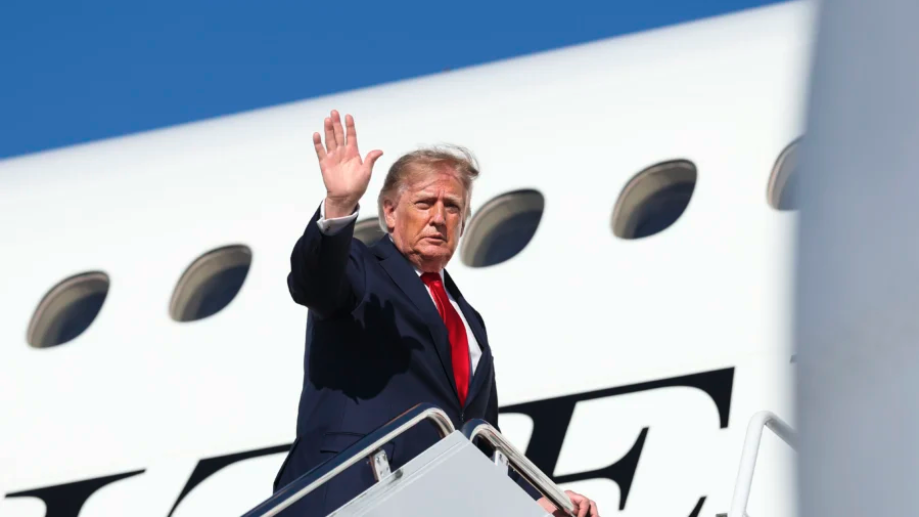
“I said to the crown prince, ‘What would you rather do? Would you rather us do this or not?’” Trump told reporters aboard Air Force One while returning to Washington after spending the weekend at his golf club in Bedminster, New Jersey.
“They said we would much prefer a deal as opposed to an attack, because you don’t know where these attacks lead.”