

Trump hosts high-level meeting with Israeli and Lebanese officials, expressing optimism for a broader peace deal despite ongoing violence in southern Lebanon
WASHINGTON/BEIRUT/JERUSALEM — Israel and Lebanon have agreed to extend their ceasefire by three weeks following high-level talks at the White House, U.S. President Donald Trump announced Thursday.
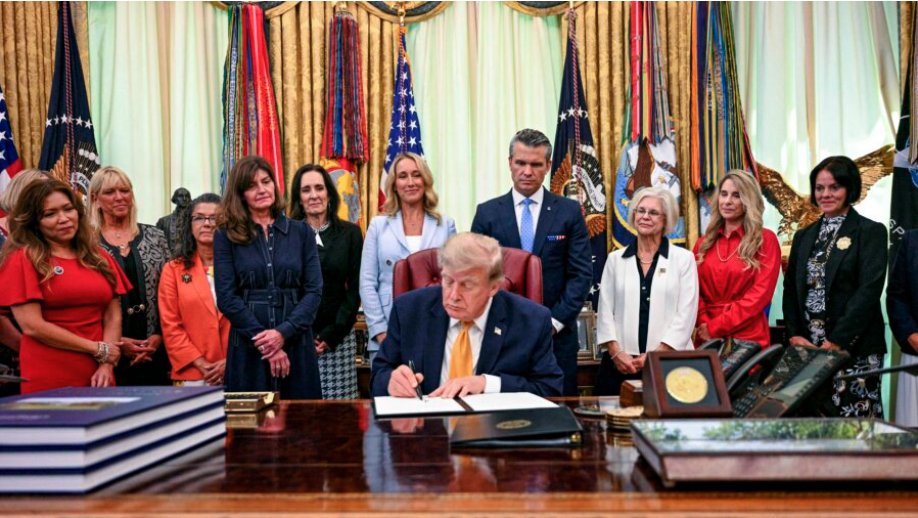
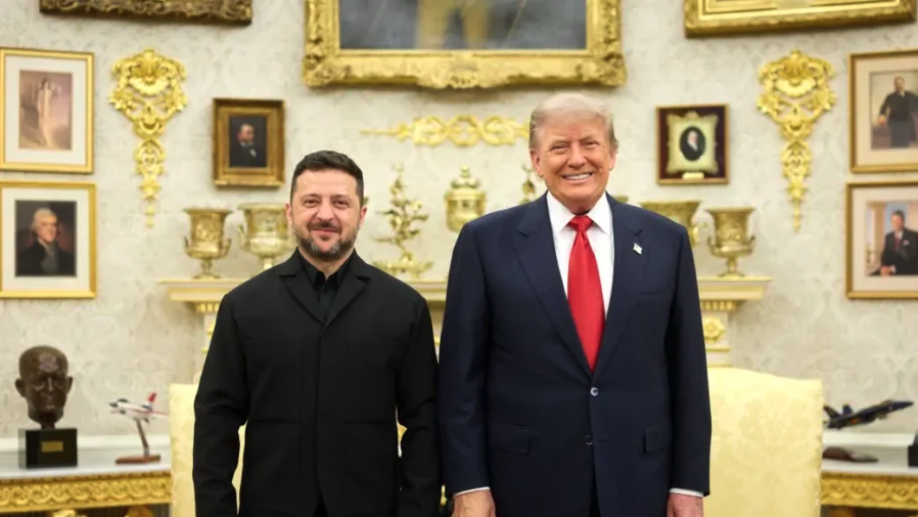
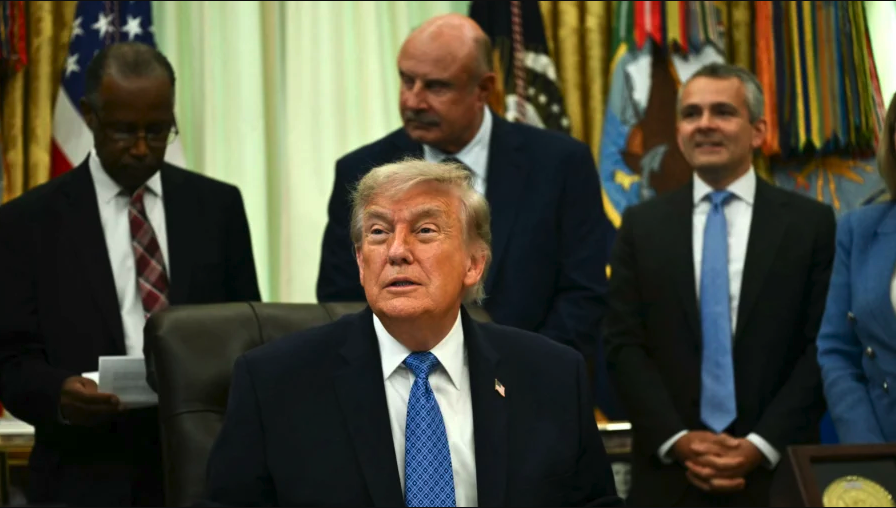
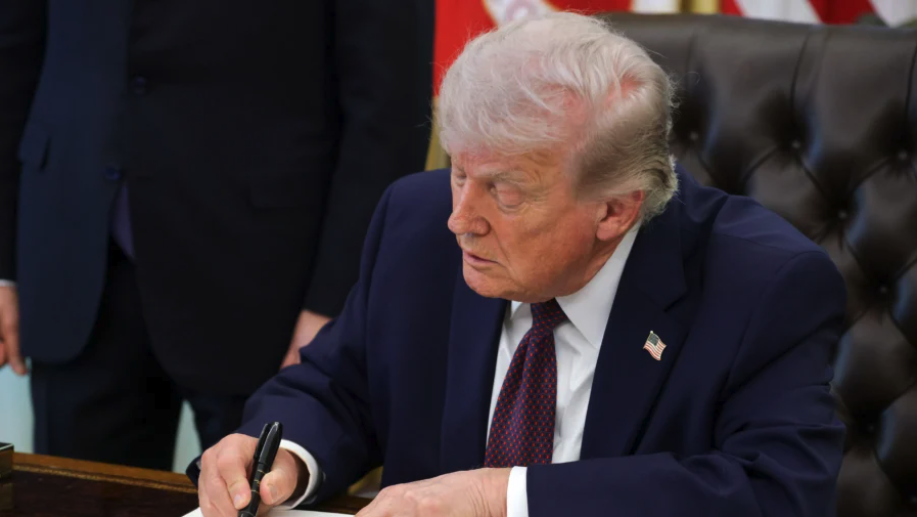
Trump hosted Israel’s ambassador to Washington Yechiel Leiter and Lebanon’s ambassador to the United States Nada Moawad in the Oval Office for a second round of U.S.-facilitated negotiations.
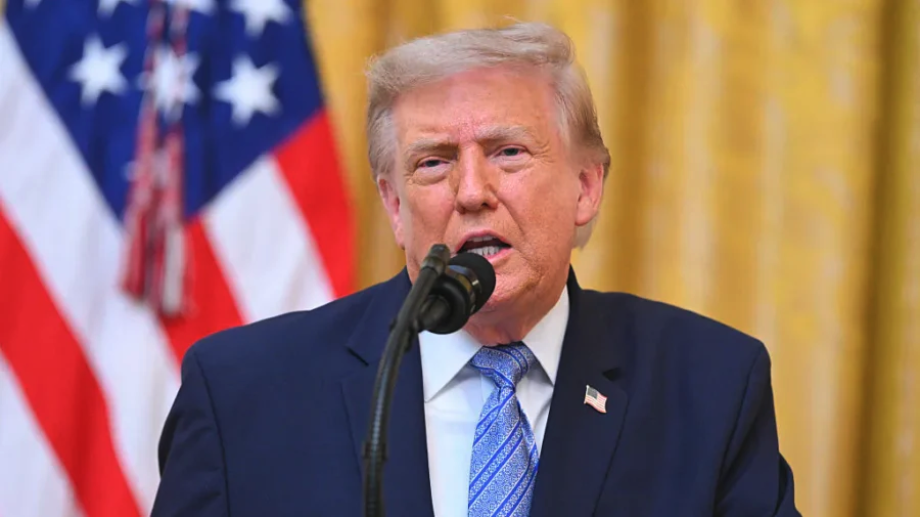
“The Meeting went very well! The United States is going to work with Lebanon in order to help it protect itself from Hezbollah,” Trump wrote on Truth Social. Hezbollah, the Iran-aligned group engaged in conflict with Israel, was not present at the talks.
Trump added that he looks forward to hosting Israeli Prime Minister Benjamin Netanyahu and Lebanese President Joseph Aoun in the near future.
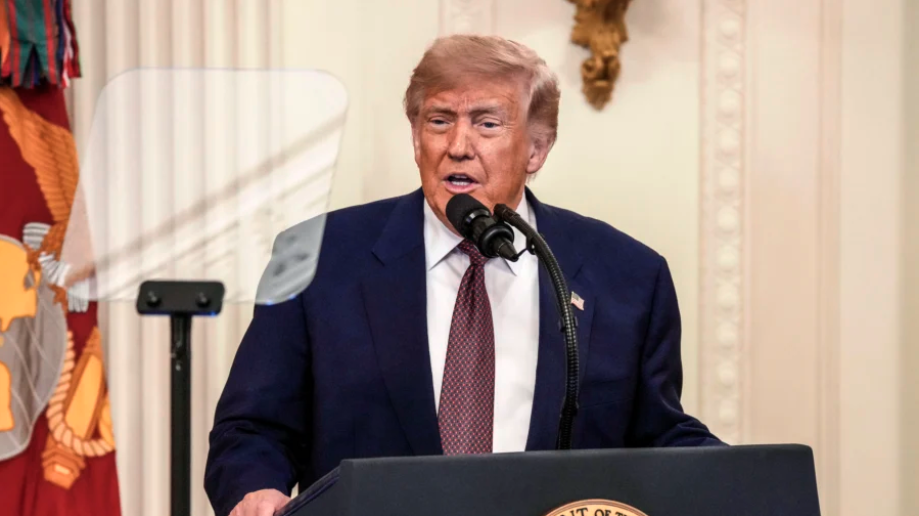
Speaking to reporters in the Oval Office, Trump said he hopes the leaders will meet during the three-week ceasefire period, adding there is “a great chance” the two countries could reach a peace agreement this year.
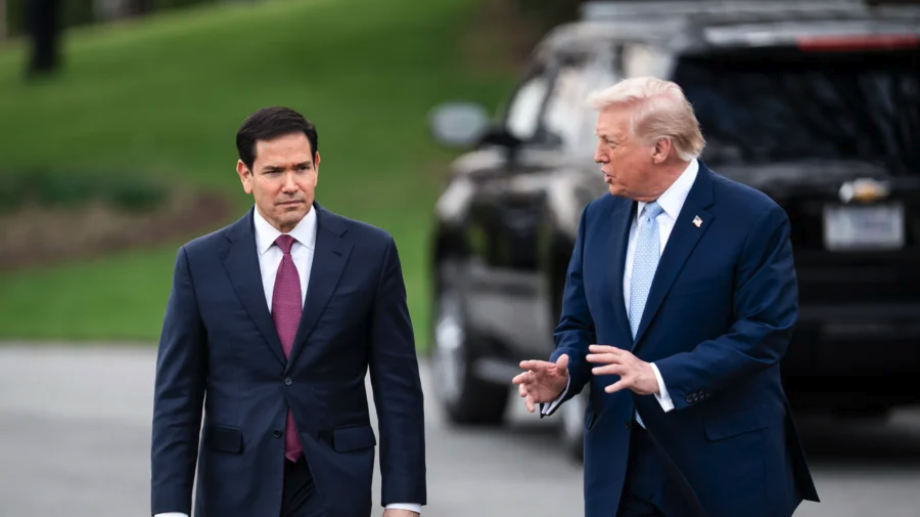
Also attending the meeting were Vice President JD Vance, Secretary of State Marco Rubio, U.S. Ambassador to Israel Mike Huckabee, and U.S. Ambassador to Lebanon Michel Issa.
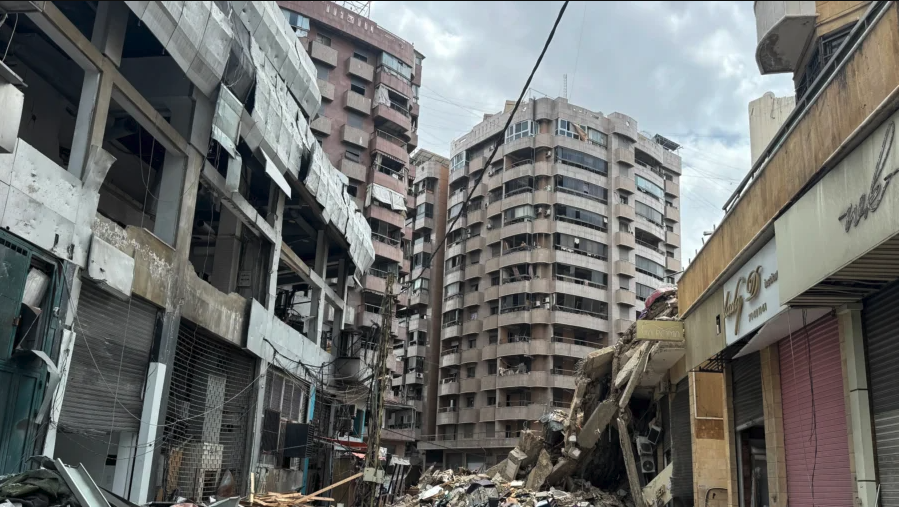
The ceasefire, initially reached through talks between the two nations’ ambassadors in Washington last week, had been set to expire Sunday. While it has significantly reduced violence, attacks have continued in southern Lebanon, where Israeli forces have established a self-declared buffer zone.
‘Make Lebanon Great Again’
Ambassador Moawad, who entered the talks seeking an extension, thanked Trump for hosting the meeting. “I think with your help, with your support, we can make Lebanon great again,” she said.
A Lebanese official previously stated that Beirut would push in future negotiations for an Israeli withdrawal, the return of Lebanese detainees held in Israel, and the delineation of the land border.
Israel has sought alignment with Lebanon’s government against Hezbollah, which Beirut has been attempting to disarm peacefully over the past year.
When asked how the United States would assist Lebanon in countering Hezbollah, Trump did not provide specifics but emphasized strong bilateral ties, stating the U.S. has “a great relationship with Lebanon.” He also said Israel must retain the ability to defend itself against Hezbollah attacks.
Trump additionally called on Lebanon to repeal laws prohibiting engagement with Israel. “It’s a crime to talk with Israel?” he said when asked about anti-normalization laws. “Well, I’m pretty sure that that will be ended very quickly. I’ll make sure of that.”
Ongoing Violence
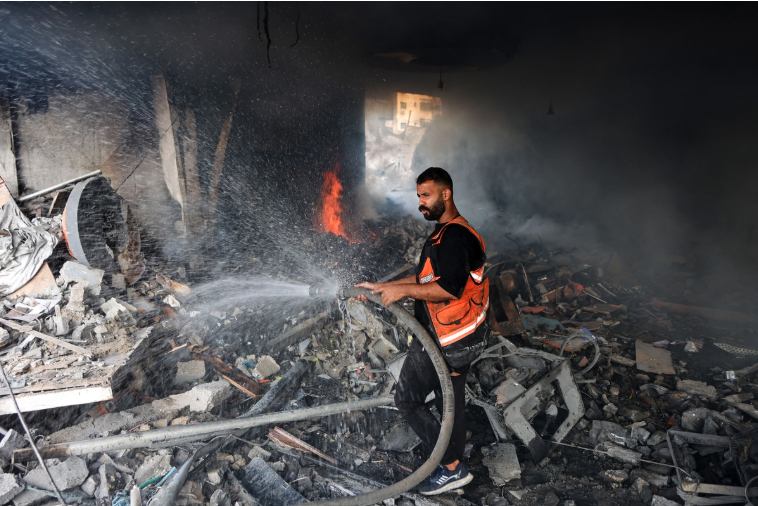
Despite the ceasefire, violence has persisted. Israel’s military said Thursday it killed two armed individuals in southern Lebanon after identifying them as an immediate threat.
It was unclear whether the incident was linked to earlier reported strikes in nearby areas. Lebanon’s health ministry said an Israeli airstrike killed three people and artillery shelling wounded two others.
Wednesday marked Lebanon’s deadliest day since the ceasefire began on April 16.
Among those killed was Lebanese journalist Amal Khalil, according to a senior military official and her employer, Al-Akhbar newspaper.
Israel’s military said it is reviewing an incident in which two journalists were reportedly wounded in strikes targeting vehicles leaving a structure used by Hezbollah, adding that journalists are not deliberately targeted.
Hostilities between Hezbollah and Israel resumed on March 2, when the group launched attacks in support of Iran amid a broader regional conflict. The Lebanon ceasefire was negotiated separately from Washington’s efforts to address tensions with Tehran, although Iran had called for Lebanon’s inclusion in any wider agreement.
Hezbollah said it conducted four operations in southern Lebanon on Wednesday in response to Israeli strikes.
Lebanese authorities report that nearly 2,500 people have been killed since Israel escalated its offensive following Hezbollah’s March 2 attack.
Israeli forces currently control a strip of southern Lebanon extending 3 to 6 miles inland, stating the objective is to protect northern Israel from Hezbollah rocket fire, which has included hundreds of launches during the conflict.
The Israeli military has reiterated warnings to residents of southern Lebanon not to enter the area.