


Newly Revealed Memorandum Establishes 60-Day Negotiation Framework, Eases Oil Restrictions, and Links Sanctions Relief to Iran’s Nuclear Commitments
Senior U.S. officials on June 17 revealed a memorandum of understanding with Iran aimed at ending the war, reopening the Strait of Hormuz, and limiting Tehran’s nuclear ambitions.
According to a senior U.S. official who read the interim agreement during a call with reporters, Iran is required to immediately reopen the Strait of Hormuz without imposing tolls throughout a 60-day negotiation period.
Iran has also agreed, at a minimum, to downblend its stockpile of enriched uranium. The agreement provides for potential future economic relief if Tehran responds positively to U.S. demands.
The deal would additionally permit Iran to sell its oil without restrictions. It establishes a 60-day window for negotiations regarding Iran’s nuclear program.
Once all parties sign and ratify the memorandum of understanding, the United States will begin lifting its naval blockade around Iran, according to one U.S. official.
The memorandum also calls for the United States, together with regional partners, to create a $300 billion fund dedicated to Iran’s reconstruction and economic development following wartime damage, a U.S. official said.
The plan will not take effect until after the 60-day negotiation period. Under the agreement, the United States will grant any licenses, waivers, or permissions necessary for the related financial transactions.
A U.S. official explained that Washington will not directly contribute funds to the reconstruction effort. Instead, it will allow sanctions relief if Iran complies with the terms of the agreement.
The official noted that such assistance could involve a country like the United Arab Emirates constructing infrastructure projects, such as a power plant, in Iran.
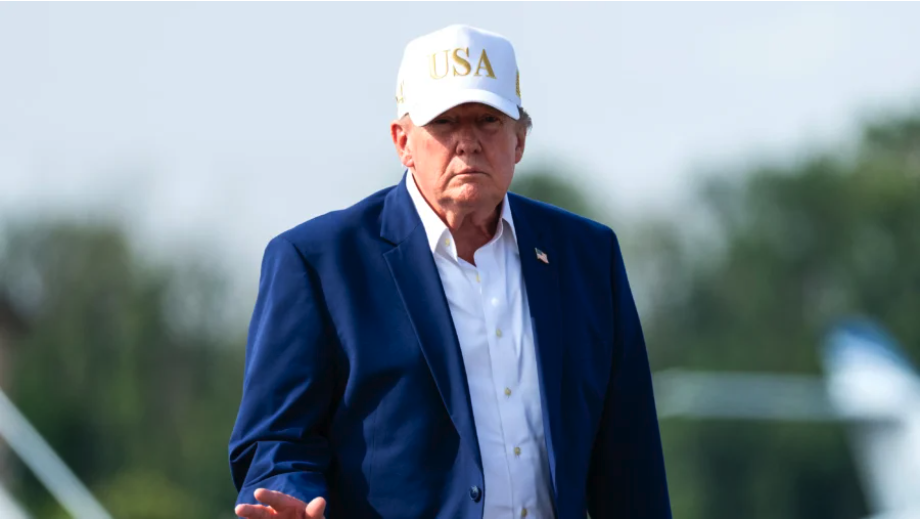
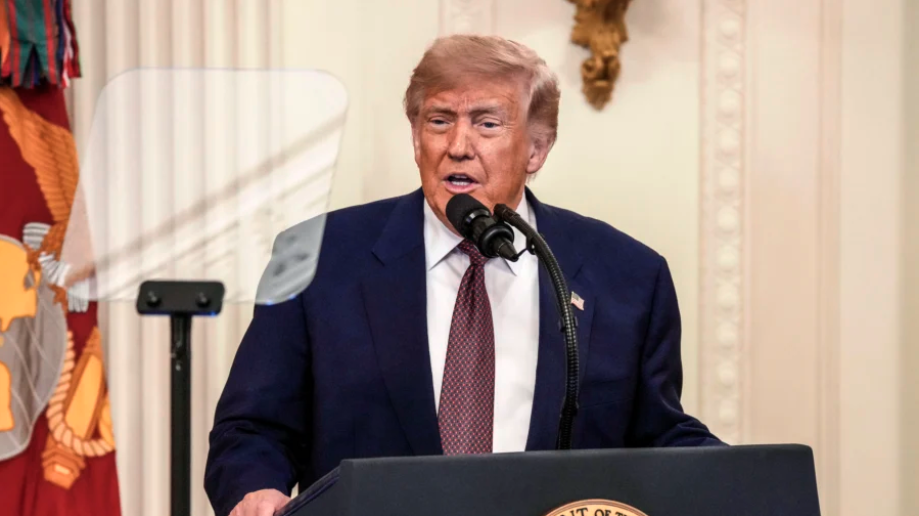
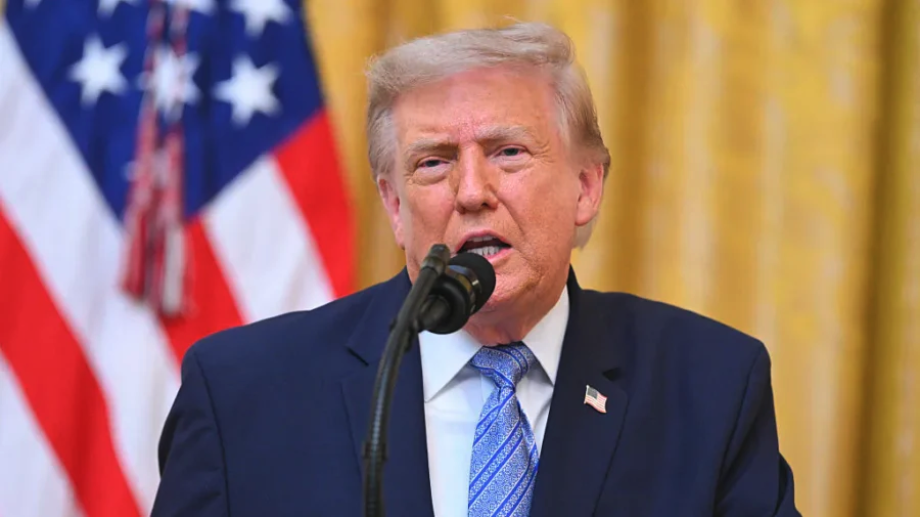
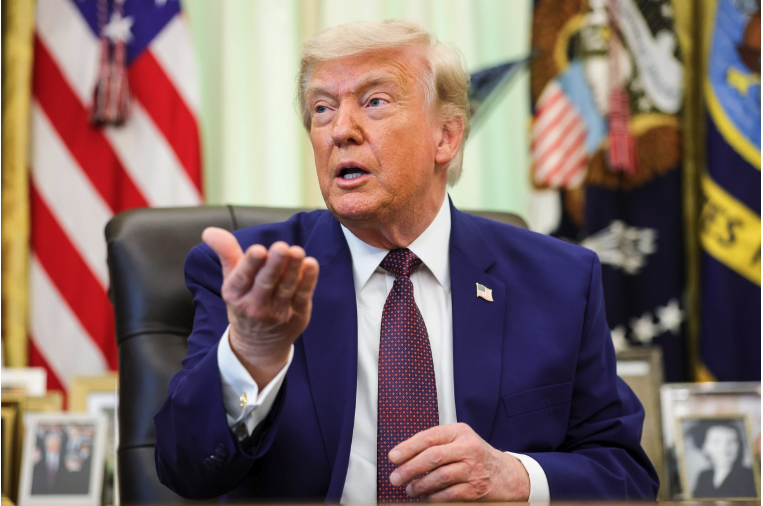
Speaking at the annual G7 summit in France on Wednesday, U.S. President Donald Trump said the memorandum would likely be signed by Thursday or Friday.
“We’re going to most likely sign a deal. [Iran wants] to sign a deal, and they’ve been acting very appropriately,” Trump said.
He also warned that if negotiations fail within the 60-day period, or if Iran does not uphold its commitments under the agreement, “we go back to bombing.”
Iran’s Nuclear Program
The agreement outlines an initial framework for sanctions relief in exchange for Iran halting its nuclear weapons program, with further details to be finalized in a comprehensive agreement.
The memorandum states that Iran reaffirms that it “shall not procure or develop nuclear weapons.”
According to the document, a final agreement would include the termination of both primary and secondary U.S. sanctions on Iran, based on an agreed timetable, provided that Tehran abandons efforts to pursue nuclear weapons and downblends its stockpile of enriched uranium.
A U.S. official said that if Iran fails to comply, refuses to downblend its uranium reserves, or resumes efforts to pursue nuclear weapons, sanctions relief will not be granted.
Specific nuclear-related requirements will be determined through the final agreement following the 60-day negotiation process.
The memorandum also states that the United States will refrain from imposing new sanctions on Iran or expanding its military presence in the region if Tehran fulfills its nuclear commitments.
Oil Exports and Frozen Assets
Once the interim agreement is signed, the United States will issue waivers covering exports of Iranian crude oil and petrochemical products, along with related services including banking, insurance, and transportation.
A U.S. official said the Trump administration believes continued sanctions on Iranian oil no longer make sense because the current system effectively allows China to purchase the oil at significant discounts.
The preliminary agreement also provides for the release of frozen Iranian assets upon implementation of the memorandum of understanding.
However, the official emphasized that Iran will gain access to those frozen funds and assets only after reaching a final agreement with the United States. Their release will remain contingent upon Iran meeting the agreed nuclear requirements.
According to the official, Iran initially sought immediate access to the restricted funds and assets upon signing the preliminary agreement. Tehran ultimately agreed that the release would depend on successful compliance with the terms of the deal.