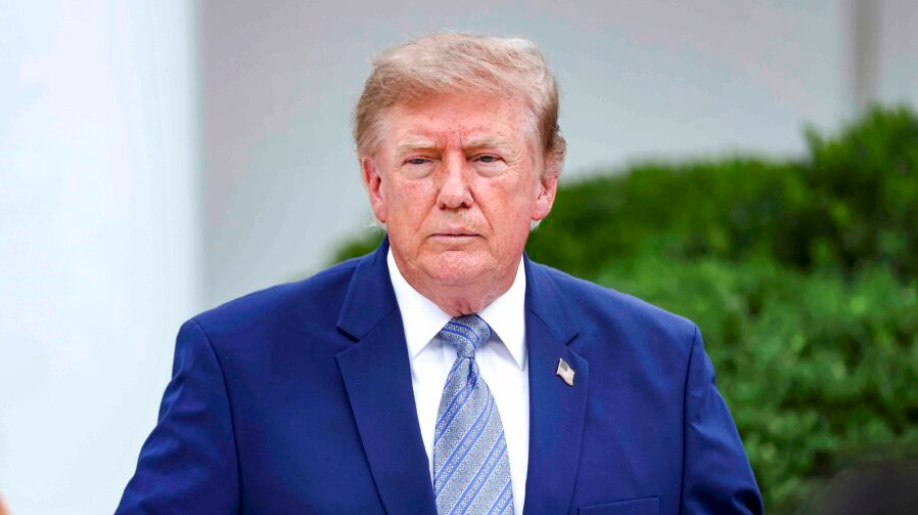
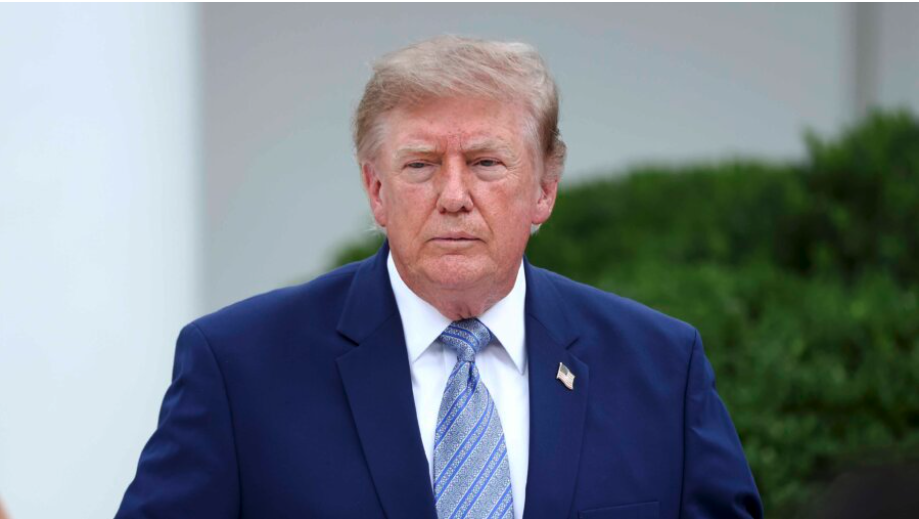
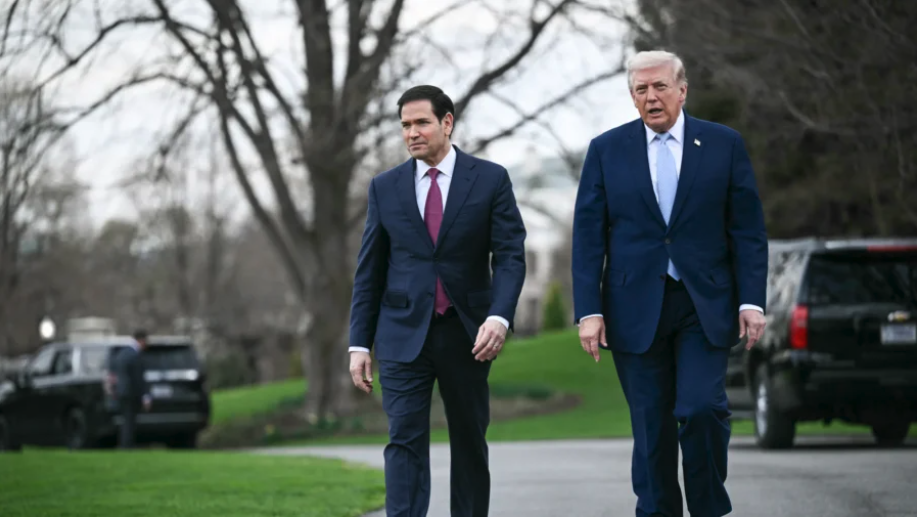
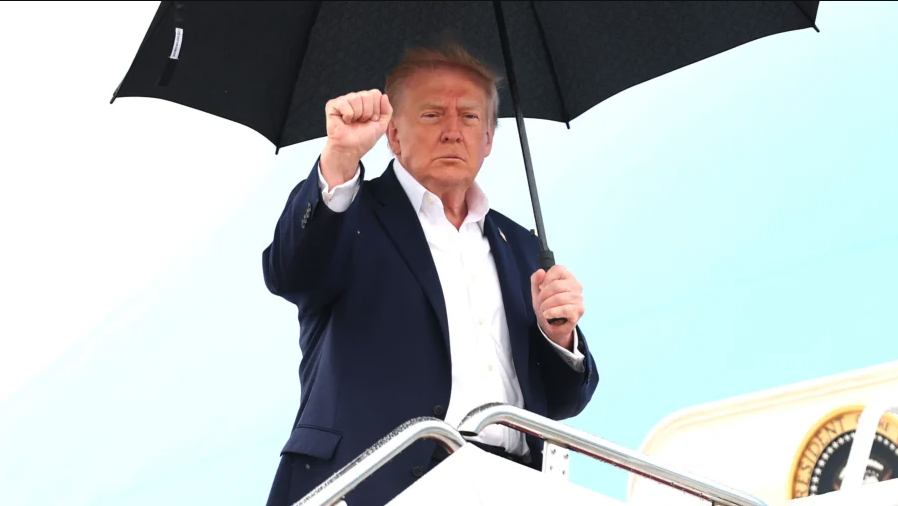
The U.S. president says Tehran wants a deal but rejected Iran’s proposal to reopen the Strait of Hormuz, while Iranian officials say they remain prepared for diplomacy as well as any potential attack.
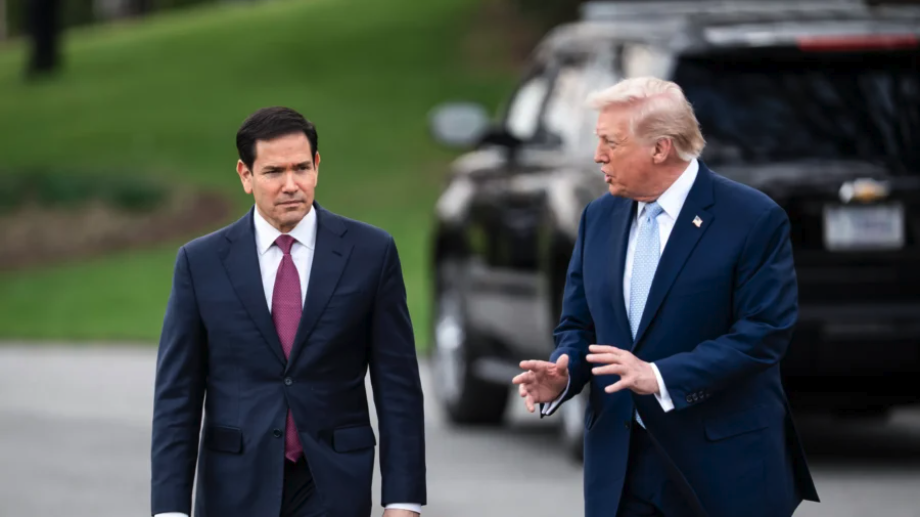
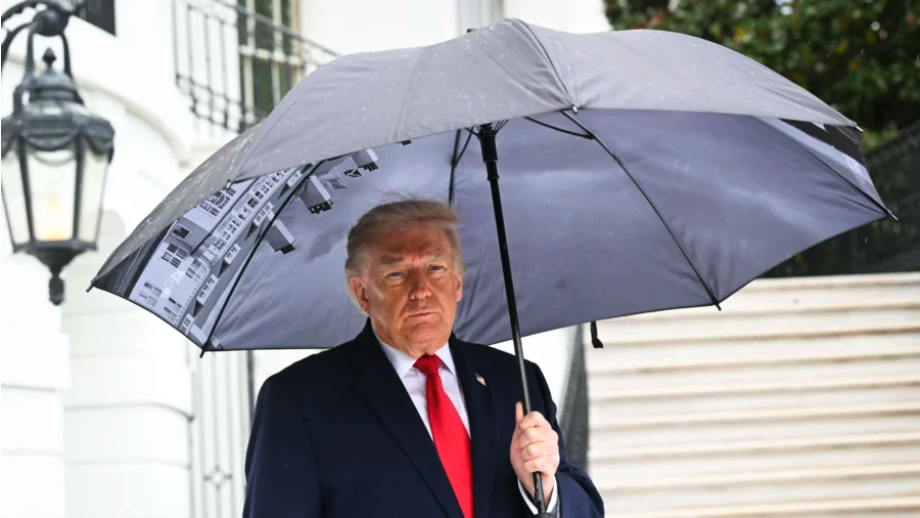
President Donald Trump said on Sept. 27 that he expects talks with Iran to resume this week, while declining to rule out the possibility of military strikes before the U.S. midterm elections.
Last week, Iran proposed a seven-day plan to reopen the Strait of Hormuz in exchange for the resumption of nuclear talks with Washington. Trump rejected the proposal, saying it did not meet his expectations.
In a phone interview with Axios, Trump said Iran wants to reach a deal but that its proposal was not what he was prepared to accept.
“I expect more talks with Iran [this week]. They want to make a deal, but it is not the deal that I want to make. It is what we would have maybe agreed to a year ago,” he said. “They overplayed their hand.”
In a separate interview with Fox News on Sept. 27, Trump said he believes the United States will “very soon” win the war against Iran on both military and economic fronts, with the objective of ensuring that Tehran cannot develop a nuclear weapon.
“I think we’ll win it both ways. We’ve already won it from a military standpoint, but that doesn’t mean we’ve stopped that,” he said. “If you look at their economy, it’s gone. They have no economy.”
Asked whether military strikes against Iran remained an option before the midterms, Trump told Fox News: “I don’t want to say that. I mean, it’s possible, but I just don’t want to say that.”
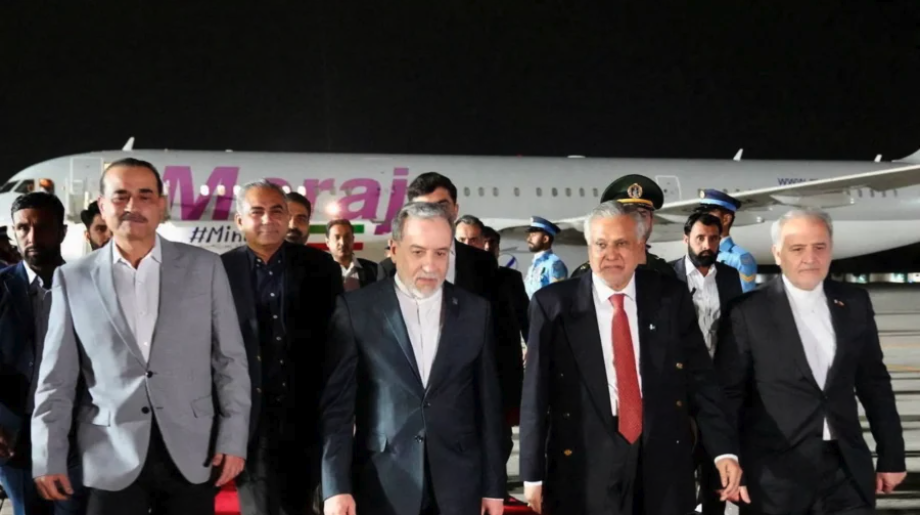
Iranian Foreign Minister Abbas Araghchi told NBC News on Sept. 27 that Tehran is ready for diplomacy but is also prepared for any attack, “even if it comes to a doomsday war.”
Araghchi also said Iranian officials had yet to receive a formal response from mediators regarding their proposal, despite Trump’s public rejection of it.
Both sides have expressed a desire to end the months-long war, which has driven up global oil prices by disrupting maritime traffic through the Strait of Hormuz, a critical waterway for oil and gas shipments. However, the two countries have been unable to reach an agreement on Iran’s nuclear program.
U.S. Ambassador to the United Nations Mike Waltz said in a Sept. 27 interview with CNN that Trump rejected Iran’s proposal because it called for the release of frozen assets and the lifting of sanctions targeting Tehran’s nuclear program before any nuclear agreement was reached.
“The bottom line is they were asking for everything up front with a promise that they would then talk,” Waltz said. “The president’s just not confident that the Iranians are coming in good faith and that they will truly negotiate the end of their nuclear program.”
One of the main U.S. demands is the complete destruction or removal of Iran’s existing stockpile of highly enriched uranium. Iran maintains that it has the right to develop nuclear technology for peaceful purposes under the Nuclear Non-Proliferation Treaty.
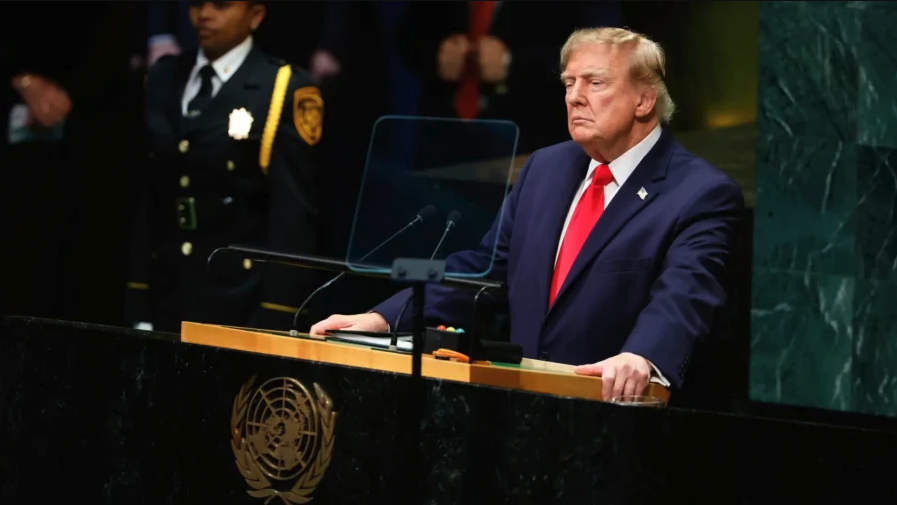
In his speech to the United Nations on Sept. 22, Trump said he would never allow Iran to obtain a nuclear weapon and that he expects the Iranian regime to agree to a deal shortly after the upcoming midterm election “because it doesn’t make sense for them not to.”
“They’re waiting to see how I do in the midterm election,” he said.