
The U.S. president says Washington is engaged in productive discussions with Tehran and will maintain its blockade, while leaving open the possibility of renewed military operations after the November 3 elections.
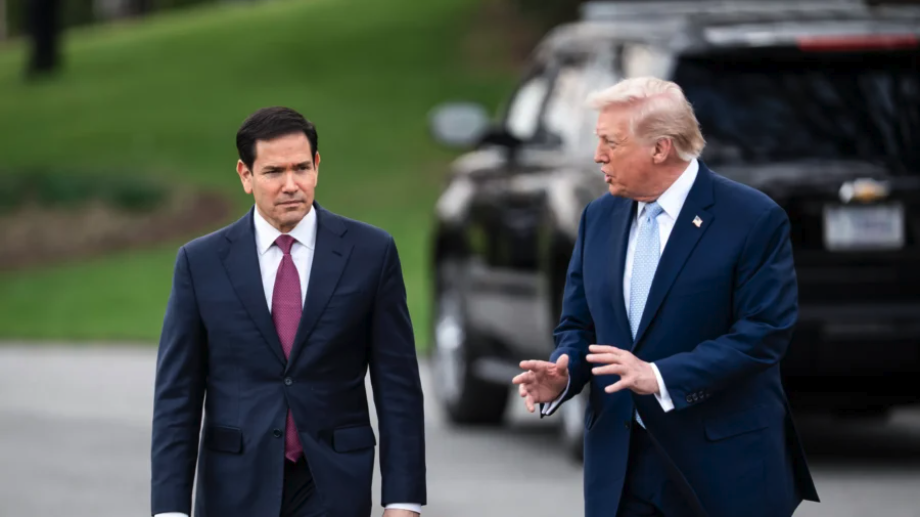
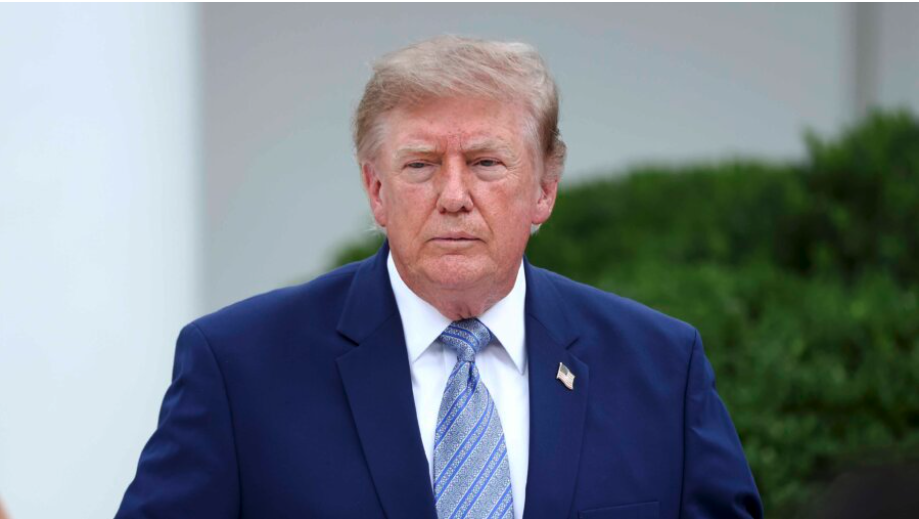
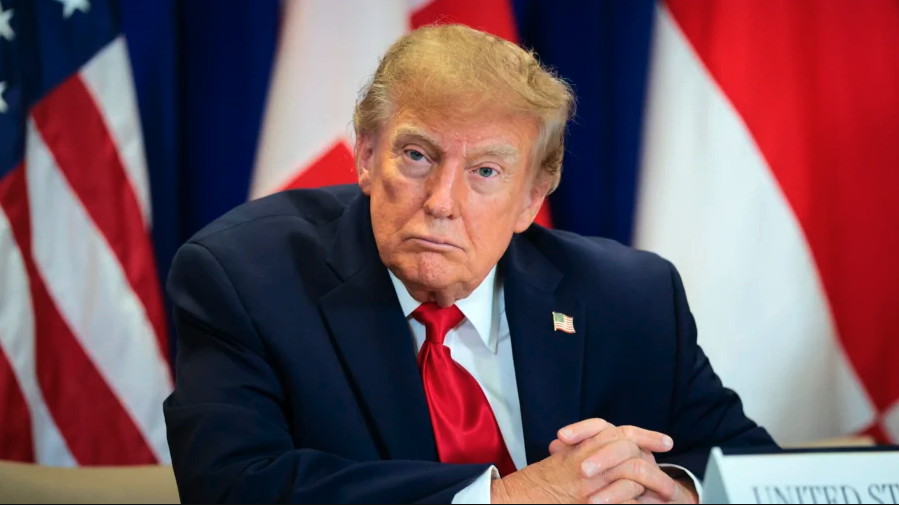
President Donald Trump on Thursday publicly ruled out any attacks on Iran before November’s midterm elections as the United States continues talks with Tehran aimed at ending the war.
“We are having productive discussions with the Islamic Republic of Iran,” Trump wrote in a post on Truth Social.
“I want to make it clear to everybody that, while Iran is in very bad condition, both Economically and Militarily, and while the Blockade will remain in full force and effect, with Oil flowing in Record Numbers of Barrels through the Hormuz Strait (22 Million Barrels, last night alone, with not one barrel coming from, or going to, Iran!), we will not be attacking Iran at any time prior to the Midterm Elections to be held in the United States on November 3rd. IRAN WILL NOT HAVE A NUCLEAR WEAPON!” Trump wrote.
The president has spent this week rallying support for Republicans running in November’s elections. He has also publicly expressed confidence that an end to the war could come in the days immediately before or after the election.
At the same time, Trump has left open the possibility of resuming full-scale military operations against Iran. For weeks, he has warned that the conflict could escalate after the midterm elections, keeping renewed military action on the table.
So far, the conflict between the two sides has largely centered on Iran, the Persian Gulf, and shipping activity around the Strait of Hormuz.
Tanker attacks reached their highest level since the war began last week, with maritime security sources counting at least 12 attacks, attempted attacks, or harassment incidents involving tankers in and around the Strait of Hormuz between September 28 and October 5. The International Maritime Organization (IMO) independently recorded nine incidents during the same period.
Negotiations appeared to have stalled after Trump publicly rejected Iran’s proposal late last month to reopen the Strait of Hormuz within seven days, provided the United States met the Islamic regime’s conditions.
However, Iran said last week that it had received a U.S. counterproposal. On Thursday, Iranian Foreign Minister Abbas Araghchi said he expected Tehran to deliver a formal response to the counterproposal within days.