

Trump says Navy intercepted sanctioned vessel attempting to breach blockade as Washington pushes for Iran deal before truce deadline
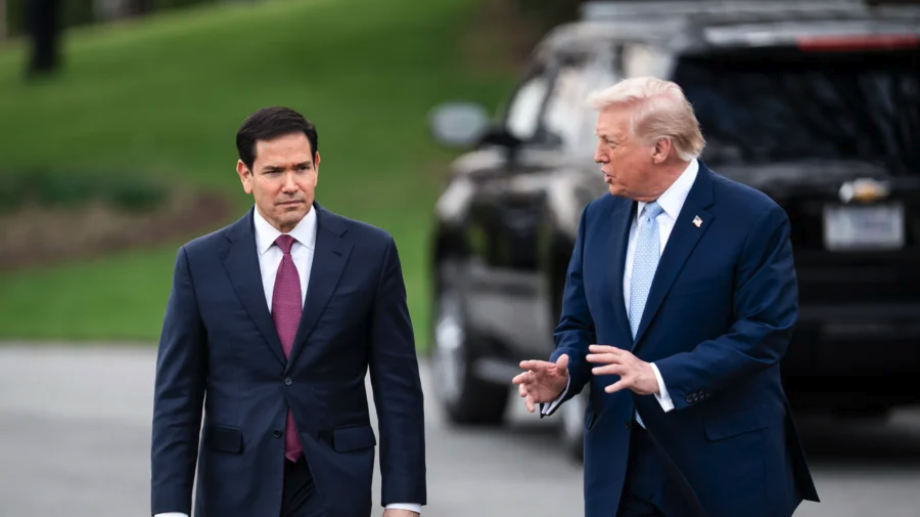
President Donald Trump said Sunday that the U.S. military forcibly seized an Iranian-flagged cargo ship that attempted to bypass a naval blockade earlier in the day.
In a post on Truth Social, Trump identified the vessel as the Touska, stating it tried to pass through the U.S. blockade in place since April 13.
“It did not go well for them,” he wrote.
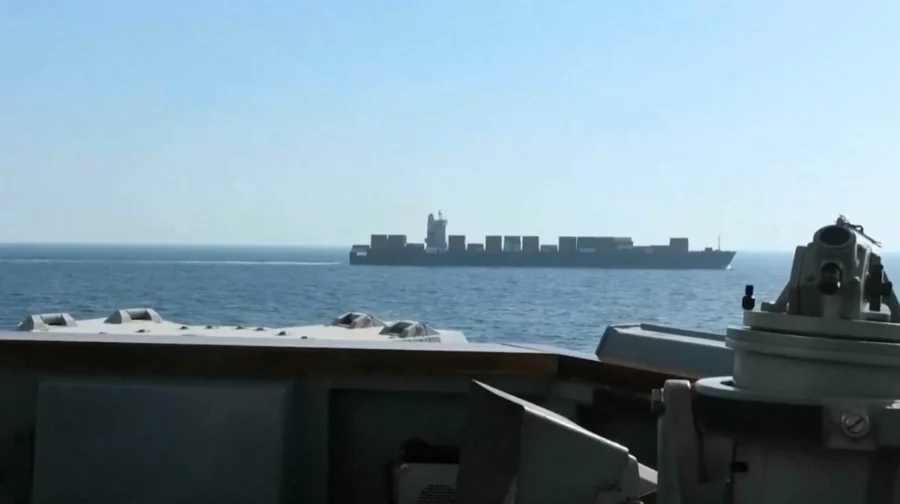
A U.S. Navy destroyer intercepted the cargo ship in the Gulf of Oman and initially ordered it to stop. When it refused, the U.S. vessel “stopped them right in their tracks by blowing a hole in the engineroom,” Trump said.
“Right now, U.S. Marines have custody of the vessel,” the president added. “The TOUSKA is under U.S. Treasury sanctions because of their prior history of illegal activity. We have full custody of the ship, and are seeing what’s on board.”
According to MarineTraffic.com, the vessel measures approximately 964 feet in length and more than 106 feet in width.
The seizure comes as the Trump administration works to secure a peace agreement with Iran ahead of the expiration of a two-week ceasefire on April 21.
The naval blockade, enforced by United States Central Command (CENTCOM), targets vessels entering or leaving Iranian ports, while not restricting freedom of navigation through the Strait of Hormuz, which connects the Persian Gulf to open waters.
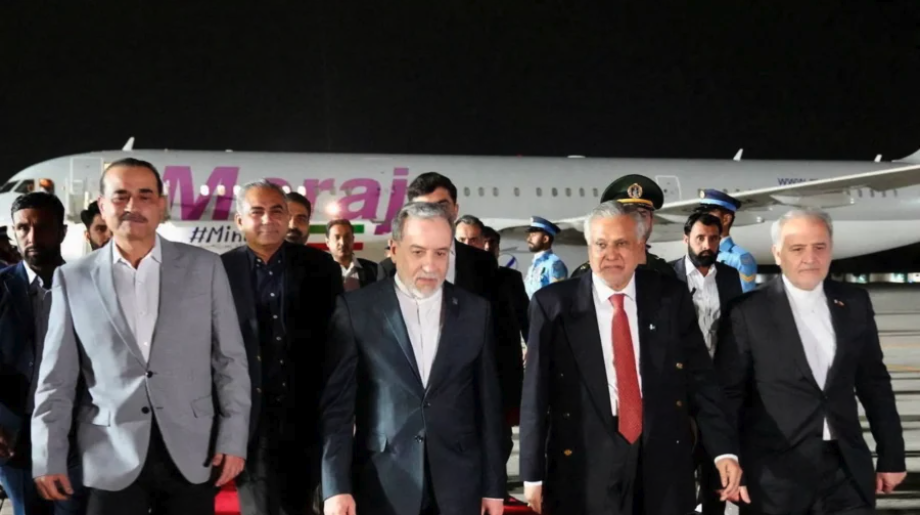
Trump said U.S. negotiators are scheduled to arrive in Pakistan on Monday evening for another round of talks with Iran. Hours later, Tehran had not confirmed its participation.
The president also warned that the United States could target civilian infrastructure in Iran if it refuses the proposed agreement. Iranian authorities said they are preparing their military forces during the ceasefire.
Iranian Foreign Ministry spokesman Esmail Baghaei said Sunday that the U.S. blockade of Iranian ports and coastline constitutes an act of aggression that violates the Pakistan-mediated ceasefire.
By “deliberately inflicting collective punishment on the Iranian population, it amounts to war crime and crimes against humanity,” Baghaei said on social media. His remarks followed renewed Iranian military actions targeting shipping in response to the blockade, which resulted in the full reclosure of the Strait of Hormuz.
Iranian General Seyed Majid Mousavi, commander of the Islamic Revolutionary Guard Corps Aerospace Force, said in comments reported by semi-official state media that Iran is replenishing its missile and drone stockpiles during the ceasefire.
“During the ceasefire period, our speed in updating and refilling missile and drone launch platforms is even greater than before the war,” he said.
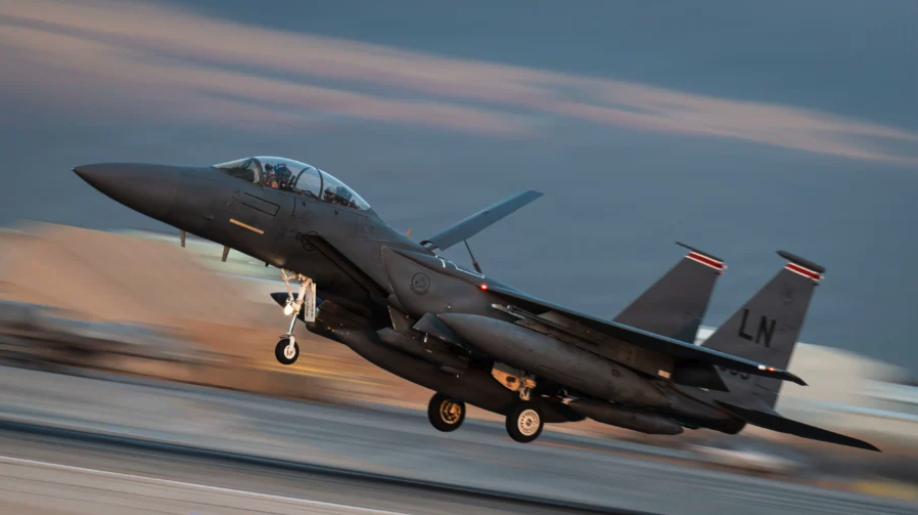
Prior to the ceasefire, the United States and Israel conducted repeated strikes on Iranian military targets, including facilities producing missiles and drones, and killed dozens of senior leaders. Iran responded by launching rockets and drones at neighboring Gulf Arab states and Israel, while also attacking vessels in the region and threatening shipping through the Strait of Hormuz.
Since the conflict began, Brent crude oil prices rose above $100 per barrel before easing to around $90 in recent trading. West Texas Intermediate crude has fallen below $84 per barrel. The American Automobile Association reported Sunday that the average price for a gallon of regular gasoline declined slightly to $4.04 from $4.05 the previous day.