

U.S. president says April 7 truce expires Wednesday evening Washington time, warning conflict could resume if negotiations fail while talks continue via Pakistan
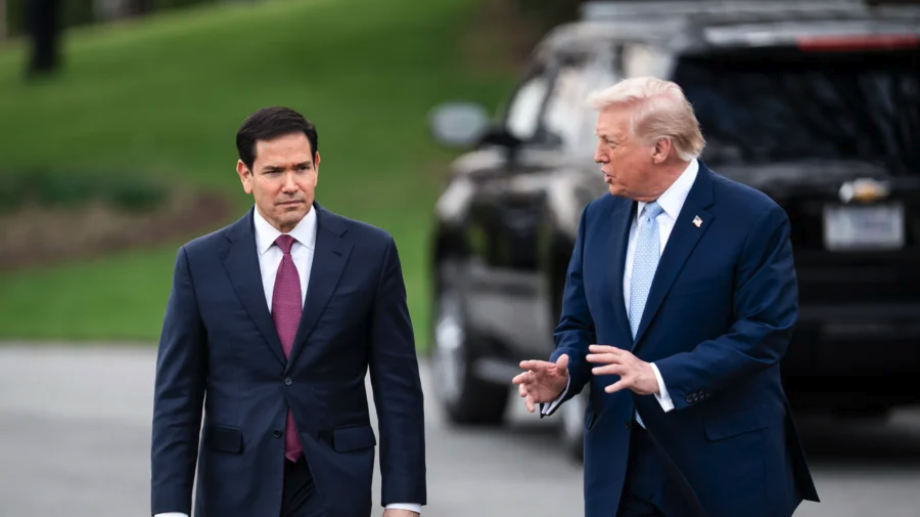
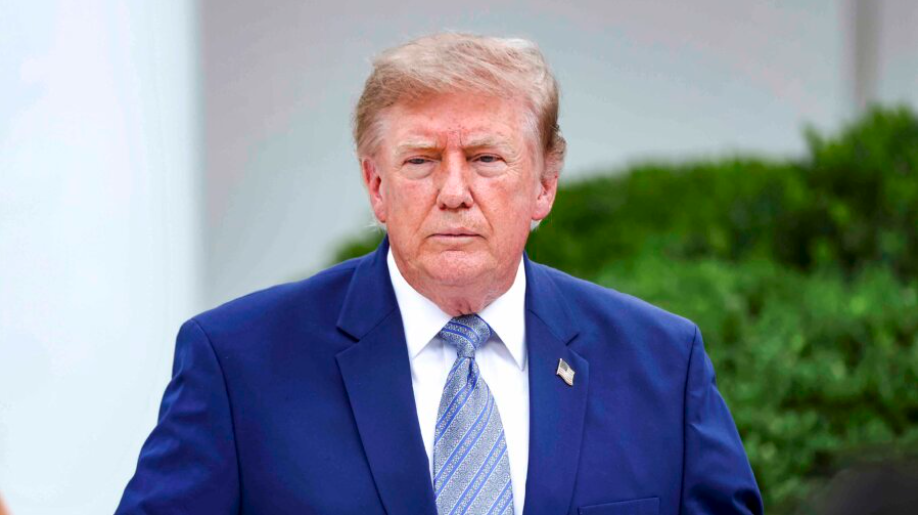
President Donald Trump said he considers the April 7 ceasefire with Iran to be effectively over on Wednesday and indicated he will not rush into negotiating a new agreement.
Trump made the remarks during a телефон conversation with Bloomberg journalist Jeff Mason on April 20.
“We’ve got all the time in the world,” Trump said, adding that he views the ceasefire as ending “Wednesday evening Washington time” and that he is unlikely to extend it further if no deal is reached.
The ceasefire began on the evening of April 7 and was initially set to last two weeks.
During that 14-day period, the U.S. Navy initiated an ocean blockade in the Strait of Hormuz on April 13, aiming to pressure Iran’s economy and push Tehran toward an agreement to end the conflict.
The Trump administration did not respond to requests for comment by the time of publication.
Asked whether fighting would resume immediately if negotiations fail, Trump said, “If there’s no deal, I would certainly expect so.”
The United States had agreed to suspend strikes on the condition that Iran reopen the Strait of Hormuz to international shipping.
The conflict traces back to Trump’s pre-emptive strike on Iran on Feb. 28, conducted alongside Israeli Prime Minister Benjamin Netanyahu and Israeli Defense Forces.
“I’m not going to be rushed into making a bad deal,” Trump said. “We’ve got all the time in the world.”
Mason noted that the Wednesday expiration timeline cited by Trump appears inconsistent with the expected 14-day duration.
“The two week period that most people were assuming goes through tomorrow Tuesday,” Mason said in a television interview. “So, that was interesting.”
He added that Trump referenced the duration of past conflicts such as the Korean War, the Vietnam War, and the War in Afghanistan.
U.S. combat operations in Vietnam lasted from 1965 to 1975, while active fighting in the Korean War took place from 1950 to 1953. The war in Afghanistan became the longest conflict in U.S. history, spanning 20 years from 2001 to 2021.
“He was couching this timeline or his own timeline to the fact that many other wars had gone on for a long time,” Mason said.
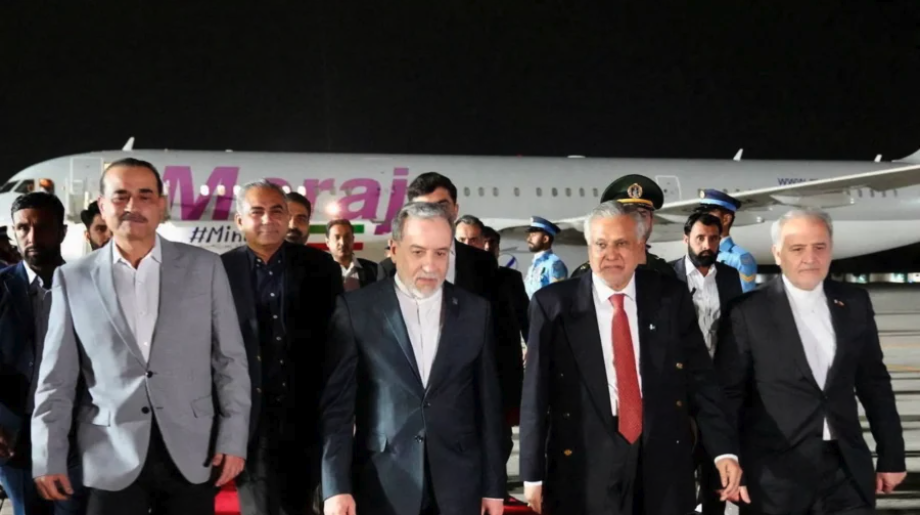
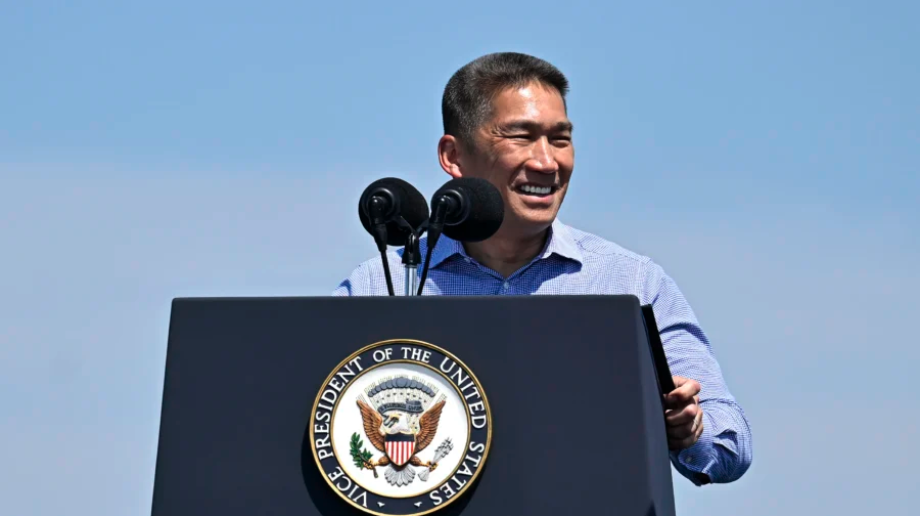
Vice President J. D. Vance is expected to depart for Pakistan, though Mason indicated he may have already arrived in Islamabad.
Pakistan is serving as the primary neutral venue and intermediary for the talks.
“[Trump] gave a little bit of detail about when the talks were expected to happen,” Mason said. “He said that they were likely to be on Tuesday night and Wednesday morning…and that J.D. Vance was expected to leave later on in the day today, Monday, which contradicted what he said to another reporter at another news outlet earlier, where he suggested that the vice president was already en route. So the next step are these talks.”