U.S. President prolongs truce and naval blockade as uncertainty surrounds Iran’s participation in Pakistan talks and tensions escalate over maritime confrontations
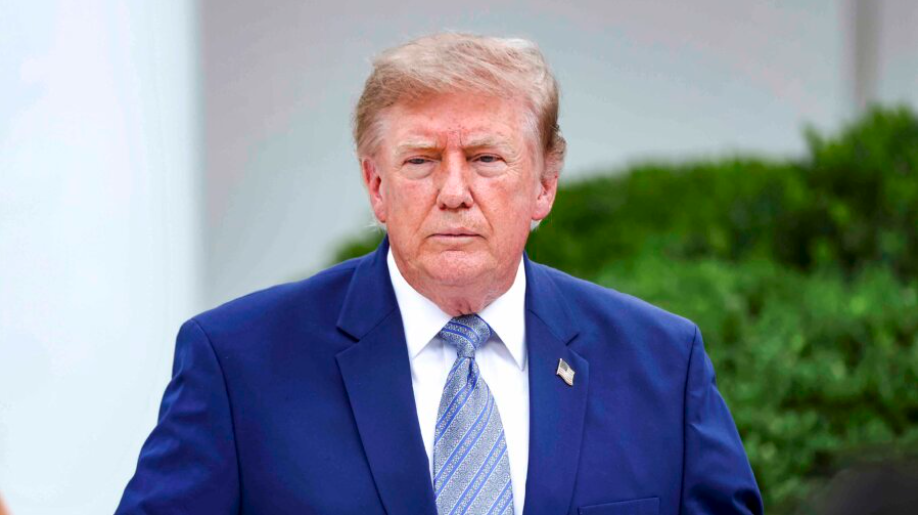
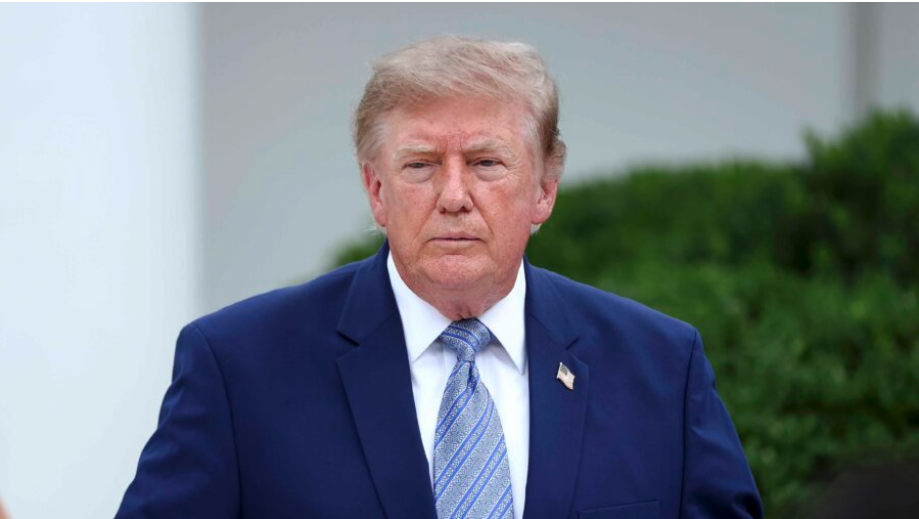
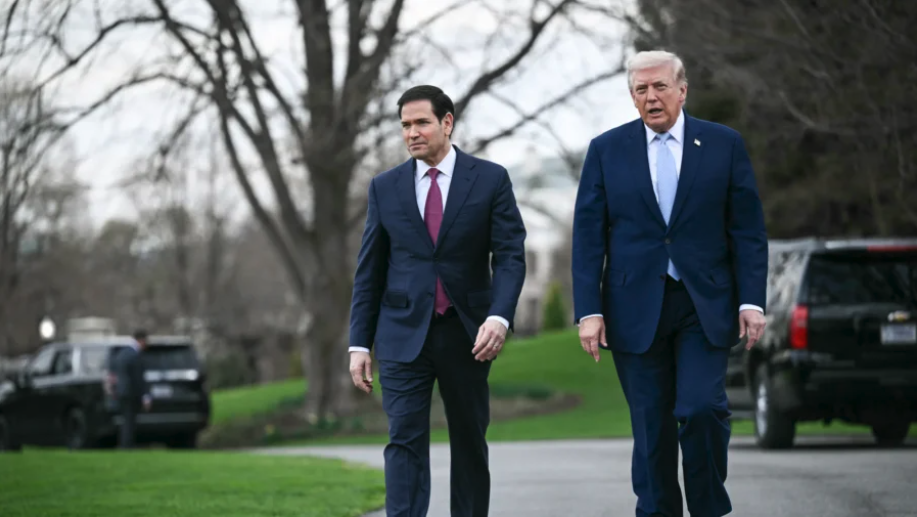
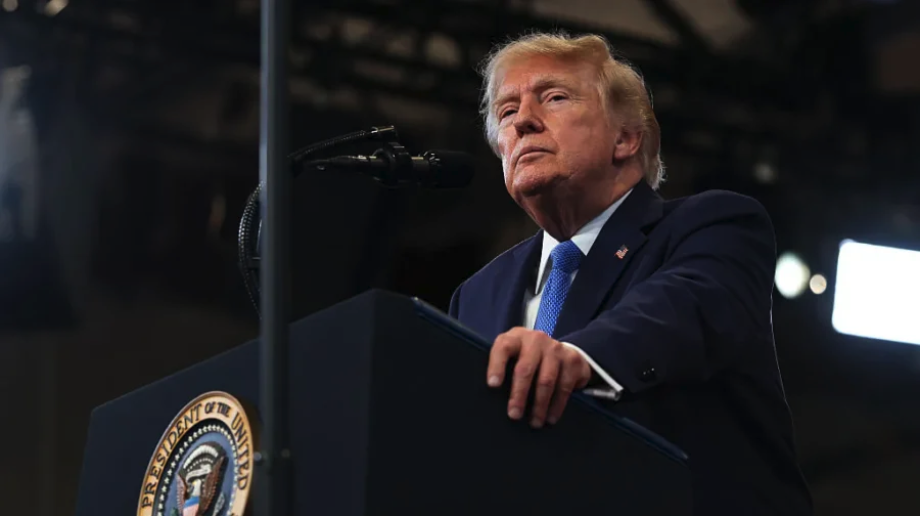
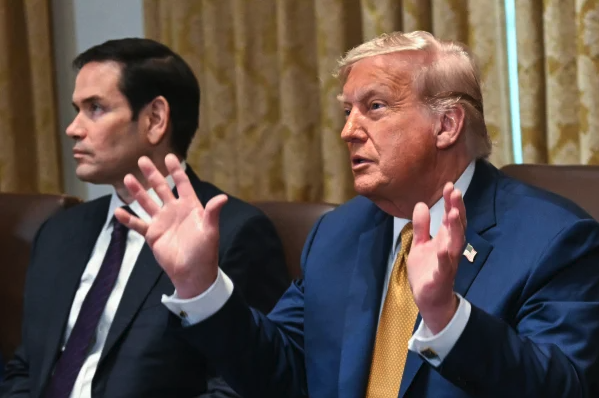
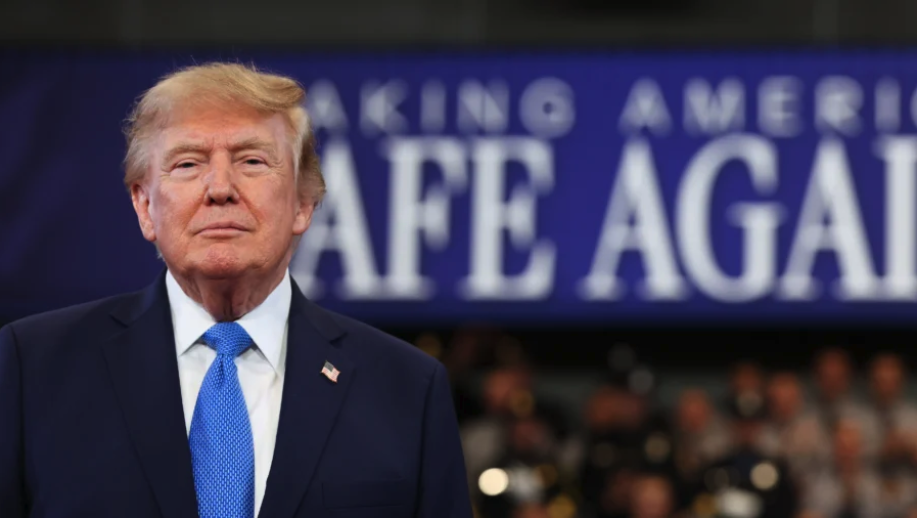
President Donald Trump on April 21 announced an extension of the ceasefire with Iran, citing what he described as internal fractures within the Iranian government.
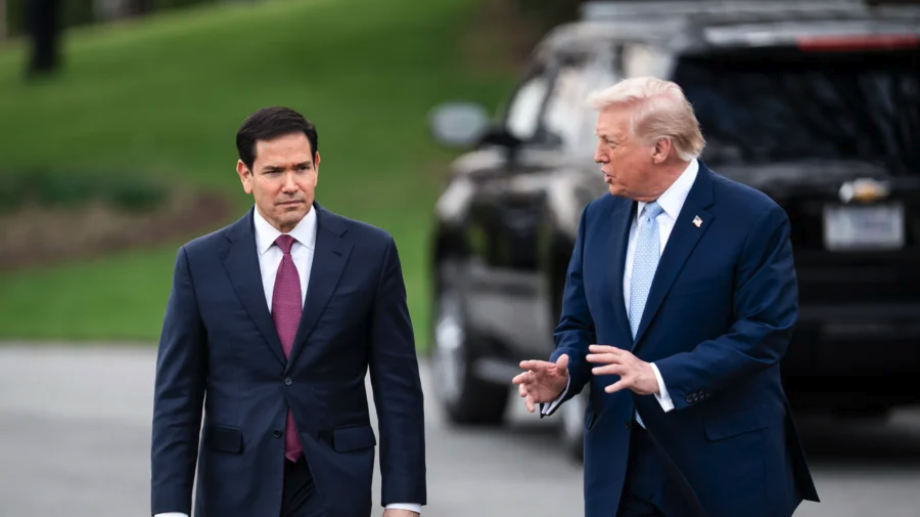
“Based on the fact that the Government of Iran is seriously fractured, not unexpectedly so and, upon the request of Field Marshal Asim Munir, and Prime Minister Shehbaz Sharif, of Pakistan, we have been asked to hold our Attack on the Country of Iran until such time as their leaders and representatives can come up with a unified proposal,” Trump wrote on Truth Social.
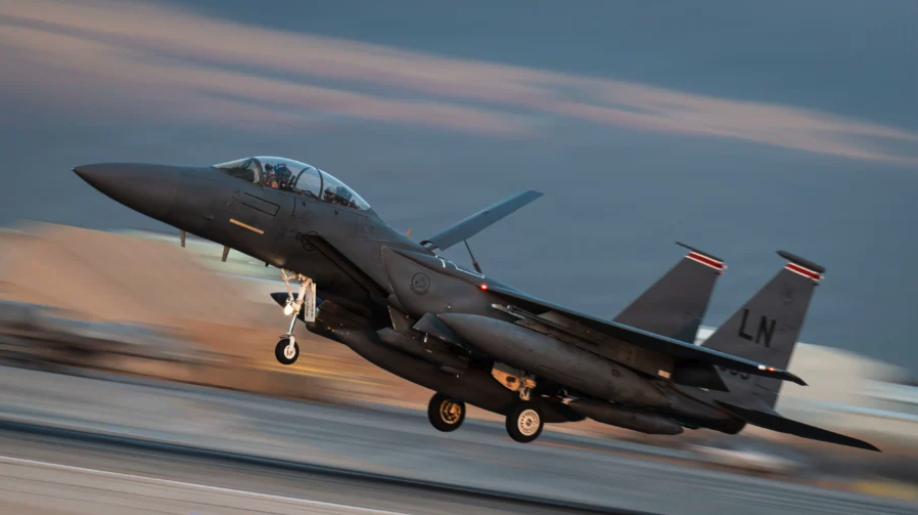
Trump added that he has instructed the U.S. military to extend its naval blockade of Iranian ports, which has been in place for more than a week. He said the military “will, in all other respects, remain ready and able,” and that the ceasefire would continue until Iran submits a proposal and negotiations are concluded.
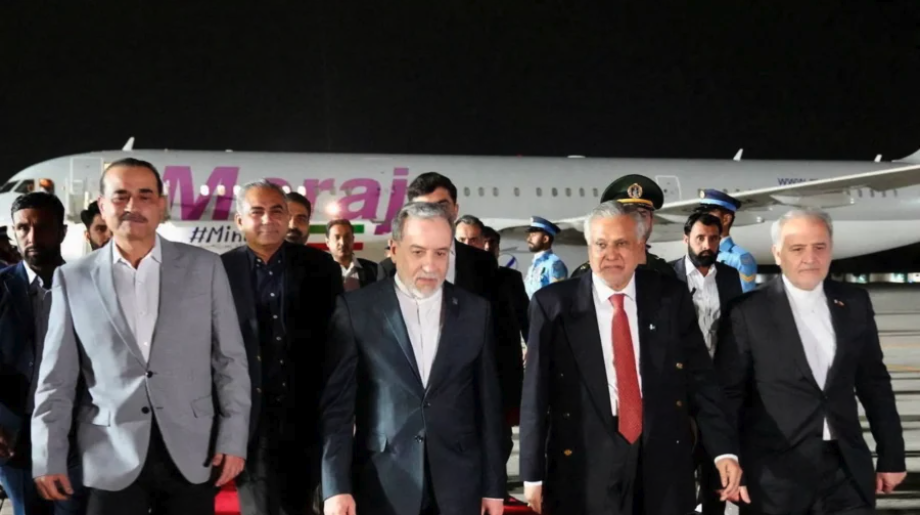
Earlier in the week, Trump said a U.S. delegation would travel to Islamabad to negotiate a deal ahead of the ceasefire’s scheduled end on April 22. Both sides had warned they were prepared to resume hostilities if no agreement was reached.
However, an official from Iran’s Ministry of Foreign Affairs said on April 21 that no decision has been made regarding participation in talks in Pakistan.
Foreign Ministry spokesman Esmaeil Baghaei stated that “going to Islamabad must ensure [Iran's] interests” and that “no final decision has been made yet to go to Islamabad,” according to Iran’s semiofficial Mehr News.
Amid the uncertainty, Iran’s top diplomat posted on X that U.S. forces boarding an Iranian oil tanker earlier that day constituted an act of war. The Pentagon had earlier confirmed it boarded a vessel accused of evading sanctions in the Indo-Pacific region and indicated that additional Iran-linked ships could be targeted.
Iranian Foreign Minister Abbas Araghchi also criticized a U.S. military action on April 19, in which forces fired on an Iran-flagged ship’s engine room and seized the vessel as part of enforcing the blockade.
“Striking a commercial vessel and taking its crew hostage is an even greater violation,” he wrote on X. “Iran knows how to neutralize restrictions, how to defend its interests, and how to resist bullying.”
In enforcing the blockade, United States Central Command reported on April 21 that 28 vessels had been ordered by U.S. forces to “turn around or return to port.” The blockade began on April 13 as part of efforts to increase economic pressure on Tehran during the ceasefire.
Speaking to CNBC earlier on April 21, before announcing the extension, Trump said the United States would likely resume strikes on Iran if no agreement is reached.
“Iran can get themselves on a very good footing if they make a deal,” Trump said. “They can make themselves into a strong nation again, a wonderful nation again, they have incredible people. But they seem to be bloodthirsty. They're led by some very, very, unfortunately tough people. I don't mean tough in a good way.”
He added that Iran’s leadership “have to use reason and they have to use common sense” to become “a legitimate country, not a country based on death and horror.”
Throughout the ceasefire, senior Iranian officials have remained prepared to launch attacks on neighboring countries in the Persian Gulf, similar to actions taken during the nearly six-week conflict. Iran also targeted vessels in the region, including in the Strait of Hormuz, effectively closing the key waterway and driving up global oil and gas prices.
On April 21, Brent crude rose to just over $100 per barrel, while West Texas Intermediate reached $89 per barrel. Data from the American Automobile Association showed nationwide gasoline prices averaging about $4.02 per gallon.