Tehran signals hesitation over new negotiations while maritime incidents escalate in the Strait of Hormuz following Trump’s decision to prolong truce
An Iranian regime spokesperson said on April 22 that Tehran has yet to decide whether it will enter talks with the United States, just hours after a ceasefire extension was announced by U.S. President Donald Trump and as multiple vessels were seized by Iran in the Strait of Hormuz.
“We entered the negotiations in good faith and with seriousness, but the negotiating party [the United States] has shown disregard and lack of good faith,” Iran’s Foreign Ministry spokesman Esmaeil Baqaei said on Iranian state television.
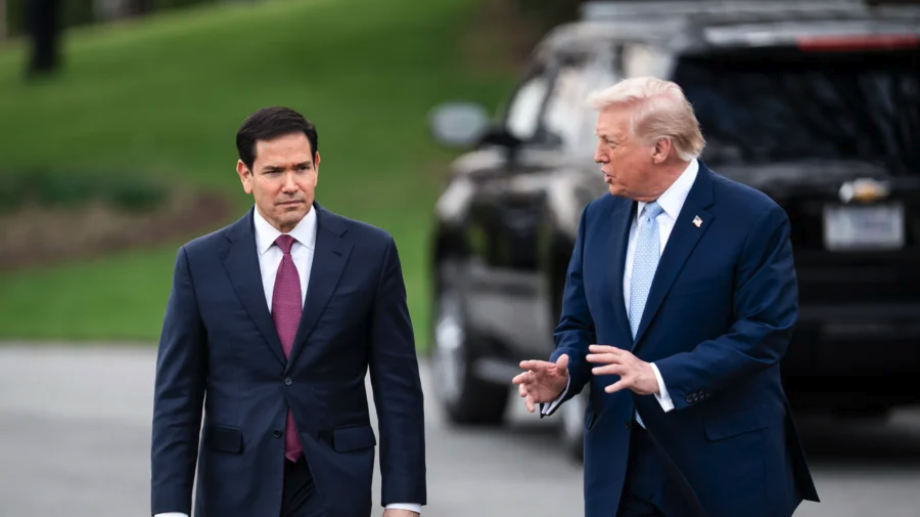
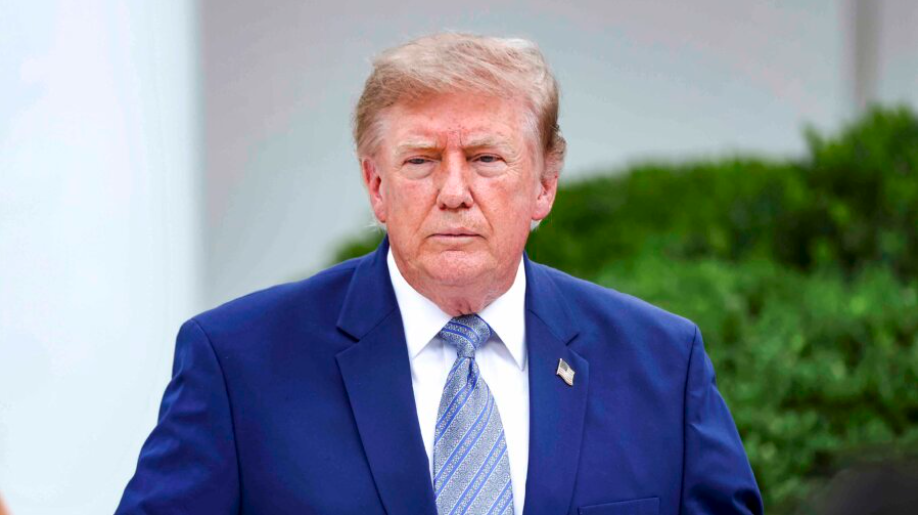
A second round of negotiations between Tehran and Washington had been scheduled to begin on April 21, ahead of the expiration of a two-week ceasefire. Trump announced Tuesday that the ceasefire would be extended to allow Iranian officials time to submit a proposal, noting internal fractures within Iran’s leadership following U.S. strikes.
“Iran has not yet decided whether it will participate in the new round of peace negotiations with the United States scheduled for later this week,” Baqaei said Wednesday.
Uncertainty remained Tuesday over whether either side would proceed with negotiations.
Trump told CNBC on April 21 that, in the absence of a deal, the United States would likely resume strikes against Iran. The comment came prior to his announcement extending the ceasefire.
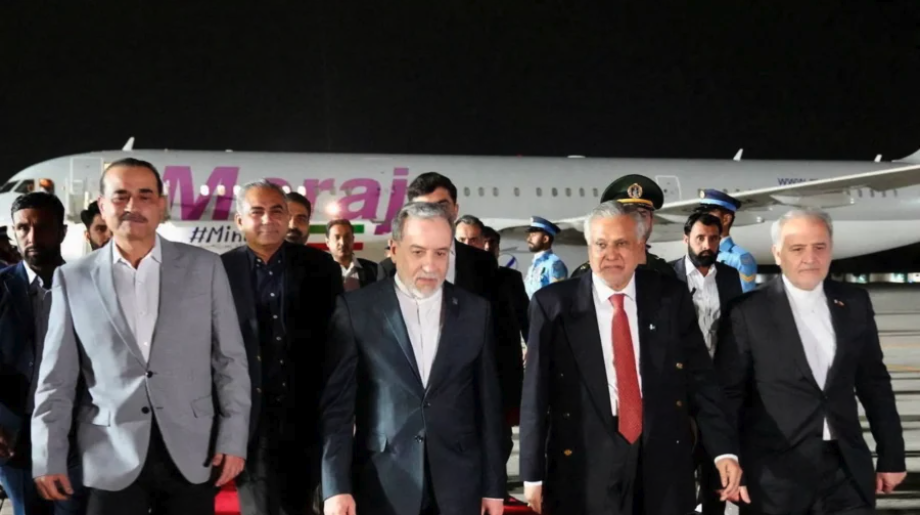
Baqaei also said Iran has not determined whether it would send a delegation to Pakistan.
Meanwhile, Iranian Foreign Minister Abbas Araghchi criticized a U.S. military action on April 19 in which forces fired at the engine room of an Iran-flagged vessel and seized it while enforcing a naval blockade on Iranian ports, which had begun a week earlier. U.S. forces also reported boarding a previously sanctioned vessel carrying Iranian oil in the Indian Ocean.
“Striking a commercial vessel and taking its crew hostage is an even greater violation,” Araghchi wrote on X. “Iran knows how to neutralize restrictions, how to defend its interests, and how to resist bullying.”
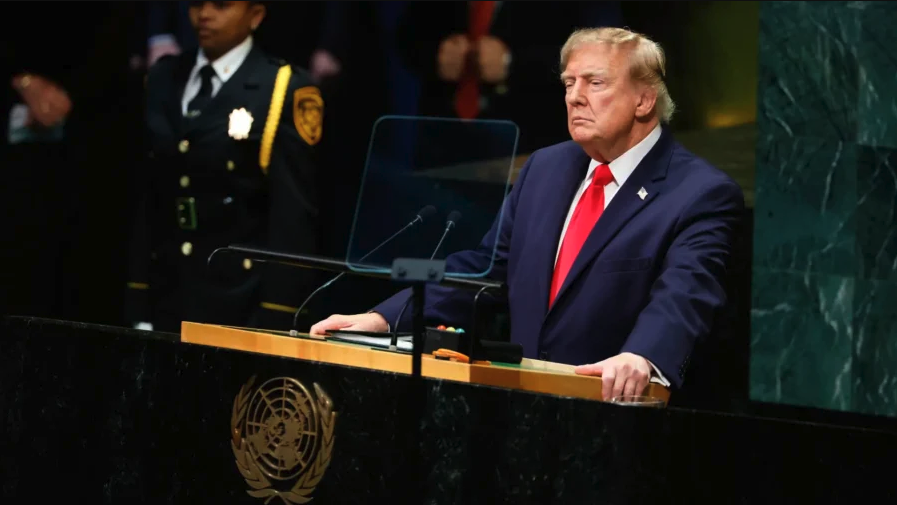
Trump said Tuesday that Iran’s leadership structure is “seriously fractured,” adding that Pakistani officials had requested the United States delay further military action until Iranian leaders could present a unified proposal.
He also confirmed that he had instructed the U.S. military to extend the naval blockade of Iranian ports, warning that the United States would “remain ready and able” to carry out strikes if necessary.
During the conflict, which began on Feb. 28, U.S. and Israeli forces have killed dozens of Iranian officials, including former top leader Ali Khamenei. His son, Mojtaba Khamenei, was subsequently named as the country’s leader, though he has not made any public appearances.
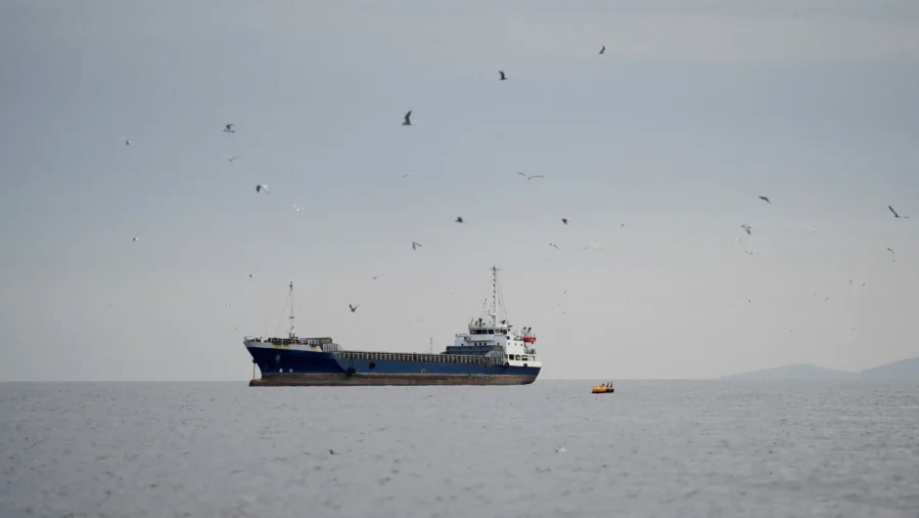
Hours after Trump’s latest ceasefire announcement, Iran said it had seized two vessels in the Strait of Hormuz for alleged violations of maritime safety regulations, according to the state-backed IRNA news agency. Officials claimed one vessel was linked to Israel, while the other attempted to leave the strait without authorization.
Iran’s paramilitary Revolutionary Guard also attacked a third vessel on Wednesday in the Strait, according to Iranian media outlets including Nour News, Fars, and Mehr. The reports said the vessel, identified as the Euphoria, had become “stranded” along the Iranian coast, without providing further details.