



U.S. President says war could last up to three more weeks while maintaining ceasefire holds despite continued low-level clashes in Strait of Hormuz
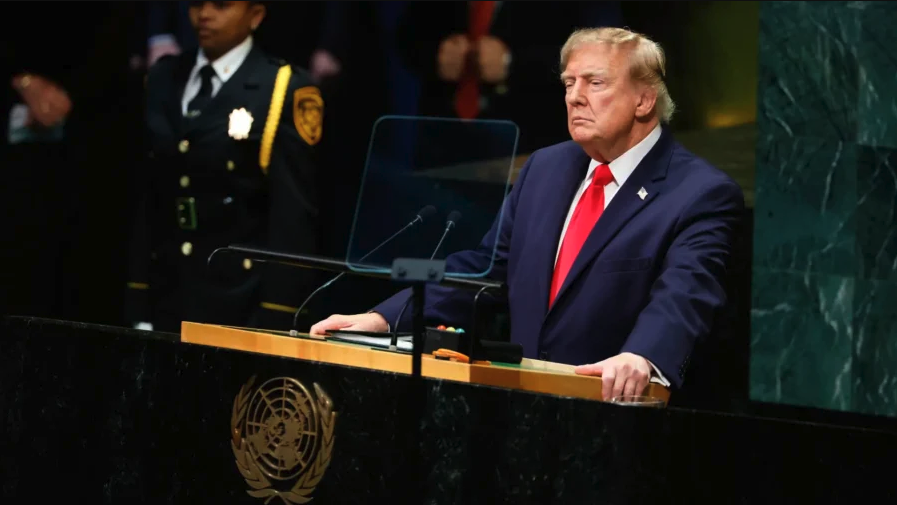
U.S. President Donald Trump said on May 4 that the ongoing conflict with Iran could last another two to three weeks, expressing confidence that the United States will ultimately prevail.
Speaking with radio host Hugh Hewitt, Trump addressed the situation amid a fragile ceasefire and following Iranian attacks on the United Arab Emirates and commercial vessels in the Strait of Hormuz on Monday.
"We’ve taken out much of what we’d have to do," Trump said, adding that the war would likely continue for “probably another two weeks, two weeks, maybe three weeks.”
He reiterated his position that Iran must not obtain nuclear weapons and criticized the 2015 agreement between Washington and Tehran, which he withdrew from during his first term.
The 2015 deal "was a shortcut to a nuclear weapon, and we would not have been able to live with that," he said. "They would have used it. We can’t allow this to happen."
On Tuesday morning, Joint Chiefs Chairman Dan Caine told reporters at the Pentagon that Iran’s recent actions remain below the threshold of “major combat operations,” indicating that Tehran has not violated the ceasefire.
“Since the ceasefire was announced, Iran has fired at commercial vessels nine times and seized two container ships, and they’ve attacked U.S. forces more than ten times, all below the threshold of restarting major combat operations at this point,” Caine said.
Secretary of War Pete Hegseth echoed that assessment, stating, “No, the ceasefire is not over.”
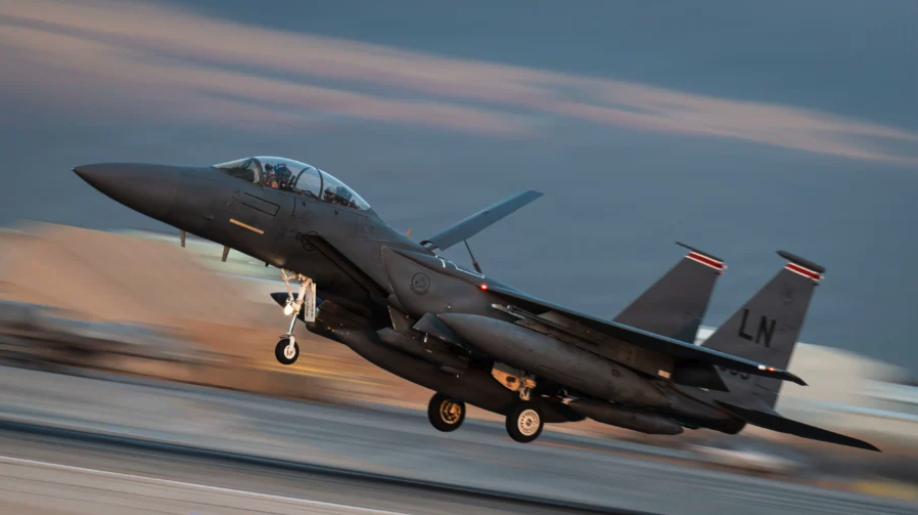
In mid-April, Trump announced a ceasefire with Iran and ordered the U.S. military to impose a blockade on Iranian ports. Over the past weekend, he also directed military forces to escort commercial ships through the Strait of Hormuz.
Trump told Hewitt that he remains confident in a U.S. victory.
“One way or the other, we win," he said.
"We either make the right deal, or we win very easily. From the military standpoint, we've already won that. You know, you've heard me say it a million times, and other people say it: [Iran] had 159 ships. ... Now, they have none. They're all at the bottom of the sea."
Iranian officials, however, said Tuesday that they believe Tehran maintains control over the Strait of Hormuz, a key global shipping route through which roughly one-fifth of the world’s oil and gas supply typically passes.
A general from Iran’s Islamic Revolutionary Guard Corps, Yadollah Javani, told the state-run Tasnim News Agency that U.S. forces would ultimately face defeat. In separate remarks carried by PressTV, he said the U.S. government “will not be able by any means to change the course and reverse it to before” Feb. 28, when initial U.S.–Israeli strikes on Iran began.
Javani also stated that vessels believed to be linked to the United States or its allies would not be allowed to transit the strait.
A day earlier, United States Central Command chief Adm. Brad Cooper said U.S. forces had “eliminated” six Iranian small boats “quickly.”