

Historic agreement to end military operations and lift naval blockade signals major breakthrough in regional tensions and global energy stability
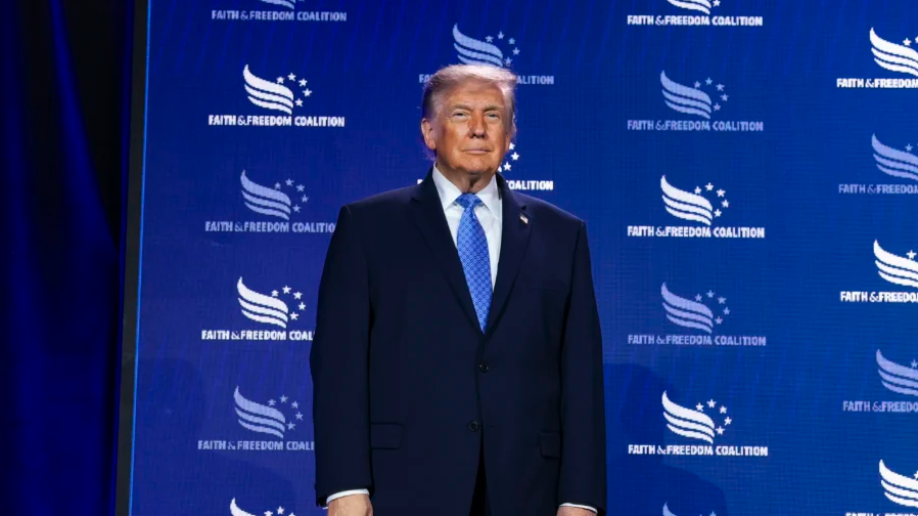
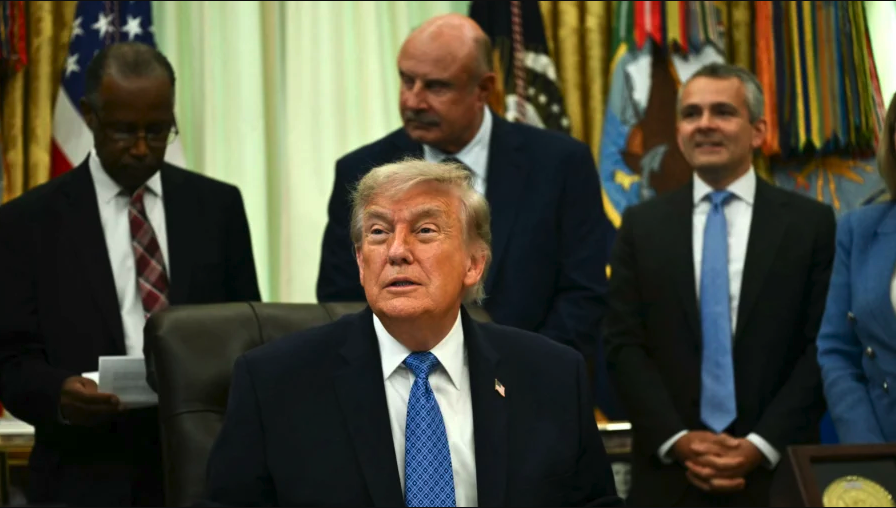
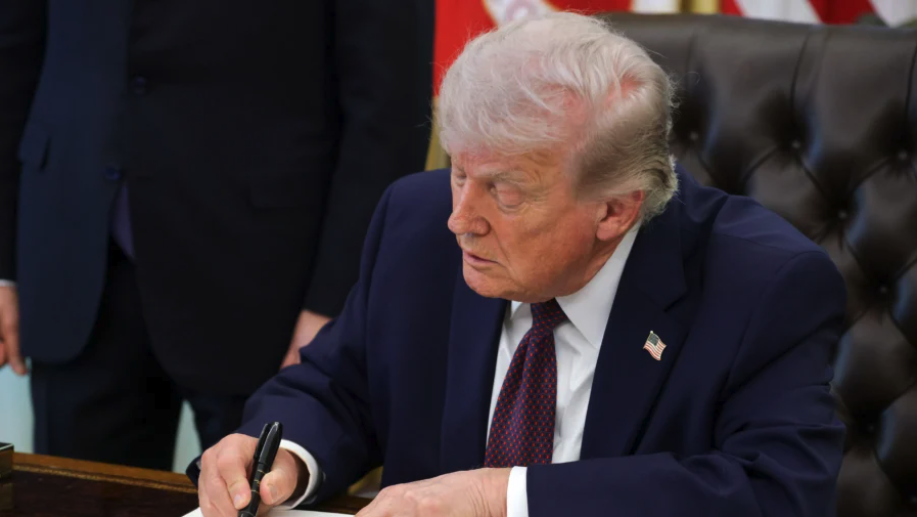
A peace agreement between the United States and Iran has been finalized, President Donald Trump announced on June 14.
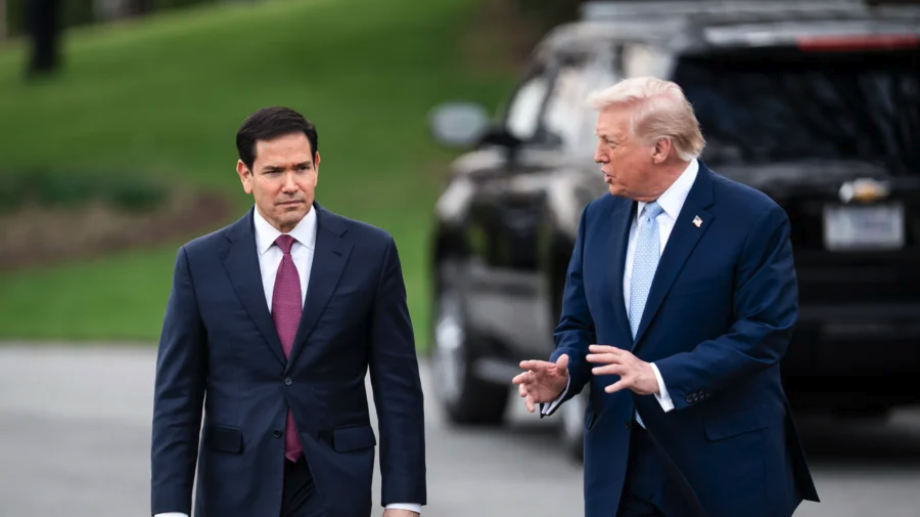
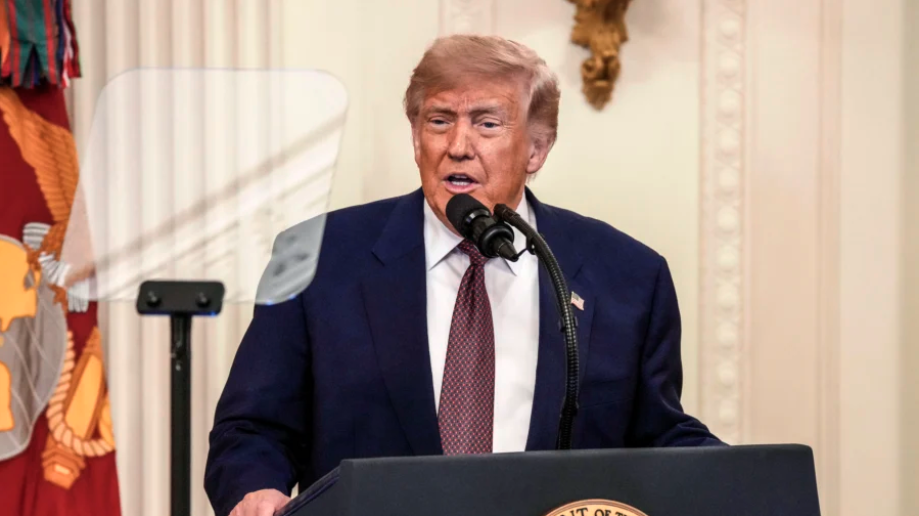
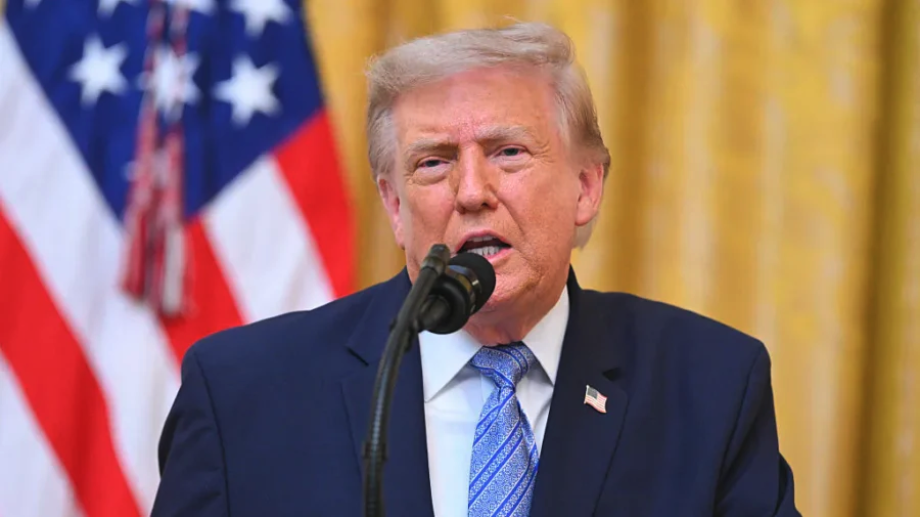
“The Deal with the Islamic Republic of Iran is now complete,” Trump wrote in a Truth Social post on Sunday.
“Congratulations to all! I hereby fully authorize the toll free opening of the Strait of Hormuz, and, simultaneously herewith, authorize the immediate removal of the United States Naval blockade.”
Trump also declared, “ships of the World, start your engines. Let the oil flow!”
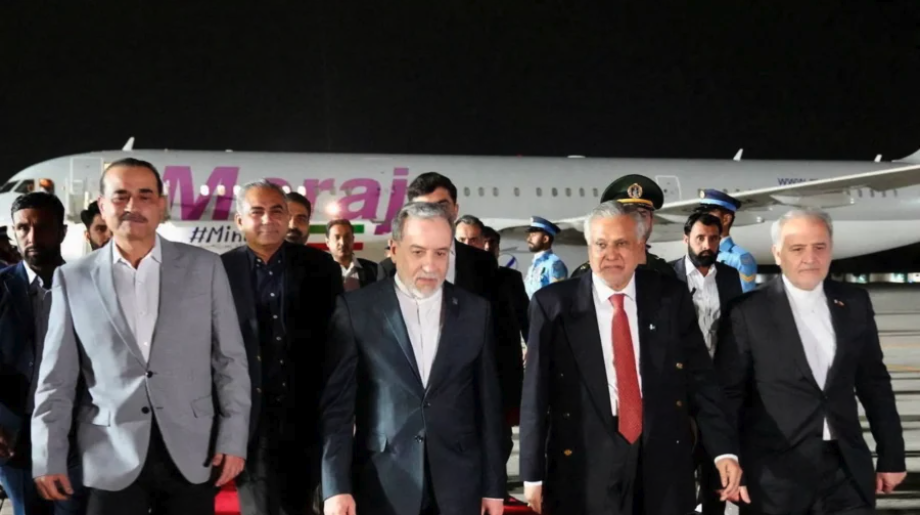
The agreement was first announced by Pakistani Prime Minister Shehbaz Sharif.
“Both sides have declared the immediate and permanent termination of military operations on all fronts, including in Lebanon,” Sharif wrote on X shortly before Trump confirmed the agreement.
Sharif said a formal signing ceremony is scheduled to take place in Switzerland on June 19.
The peace deal follows an earlier ceasefire that had been in effect since April 8.
Trump said on June 13 that once the agreement was signed, the Strait of Hormuz would immediately be “open to all.”
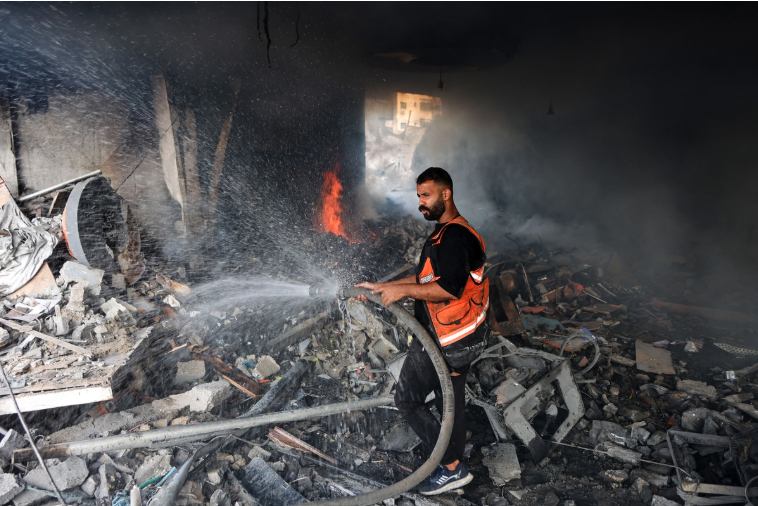
The conflict involving Iran and the subsequent standoff between Washington and Tehran significantly affected global oil prices and disrupted most commercial traffic through the Strait of Hormuz, one of the world’s most vital transit routes for oil and natural gas exports.
According to the U.S. Energy Information Administration, crude oil prices rose sharply from $56.80 per barrel on Dec. 19, 2025, to $114.01 per barrel by April 6.
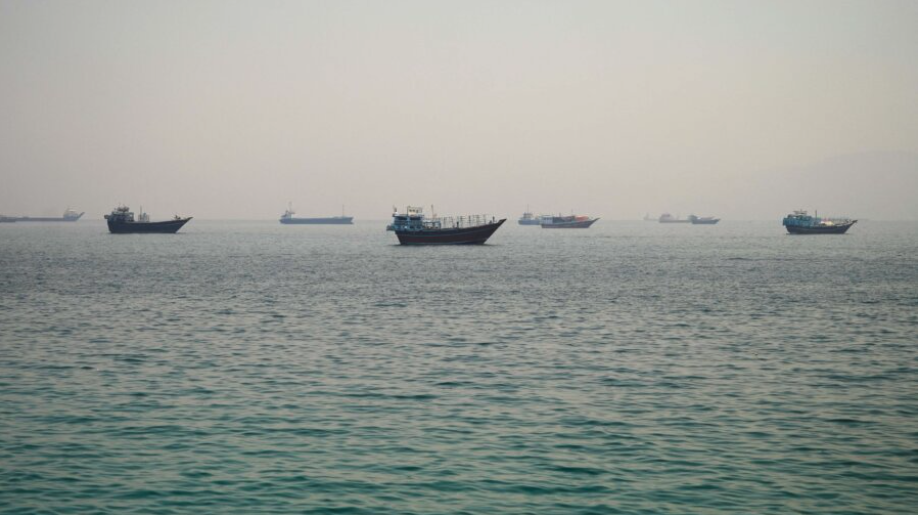
By late April, hundreds of vessels were reportedly stranded in the Persian Gulf.
Iran had also repeatedly harassed commercial ships transiting the Strait of Hormuz. On Saturday, the U.S. military said it had shot down several Iranian attack drones targeting commercial vessels in the waterway.
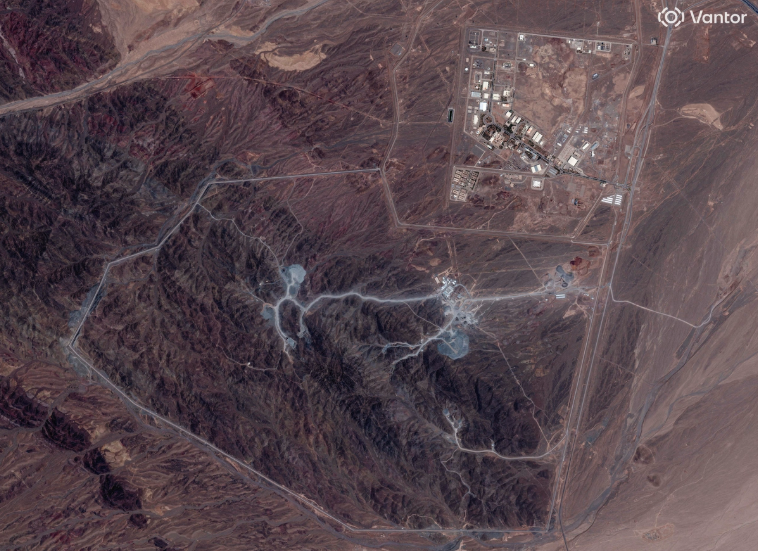
Trump said in a June 13 Truth Social post that the agreement would ensure Iran does not obtain a nuclear weapon, a condition he has consistently described as essential to any peace settlement.
“In fact, they no longer want a Nuclear Weapon, nor will they have one, either through purchase, development, or any other form of procurement,” Trump wrote Saturday.
The United States and Iran had been operating under a fragile Pakistan-brokered ceasefire that began on April 8, 2026.
In late April, Trump extended the ceasefire indefinitely.
Trump also criticized an Israeli strike on Beirut, Lebanon, on Sunday, saying the attack should not have occurred as negotiators were nearing a peace agreement with Iran.
While affirming Israel’s right to self-defense, Trump described the incident that prompted the strike as minor and noted that no casualties were reported. He warned that additional military escalation could undermine broader peace efforts.
Trump urged all parties to show restraint, calling on Israel to halt strikes in Lebanon and on Hezbollah to stop launching attacks against Israel. He said the region was approaching what could become a historic peace agreement.
“This could be the beginning of a long and beautiful peace—Let’s not blow it!” Trump wrote.