

Potential direct conversation between U.S. President and Taiwanese President Lai Ching-te would mark a rare diplomatic moment as Washington weighs billions in weapons sales to Taipei
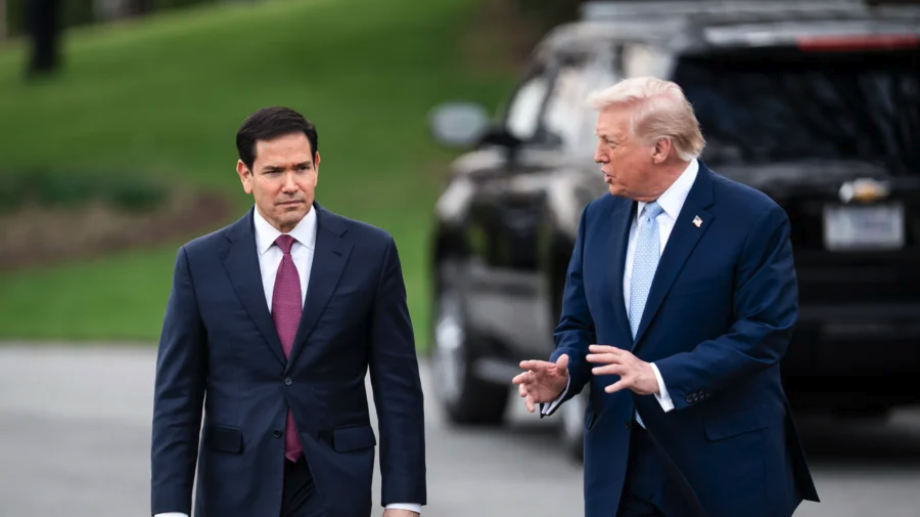
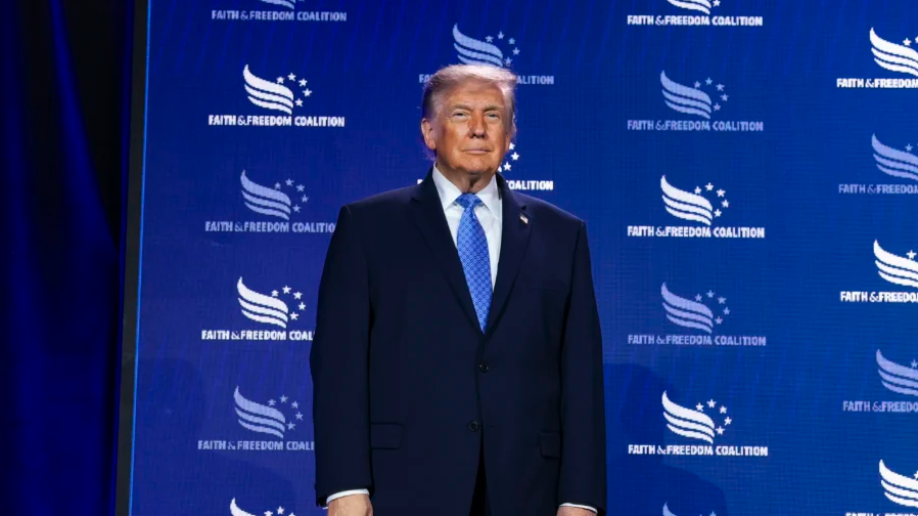
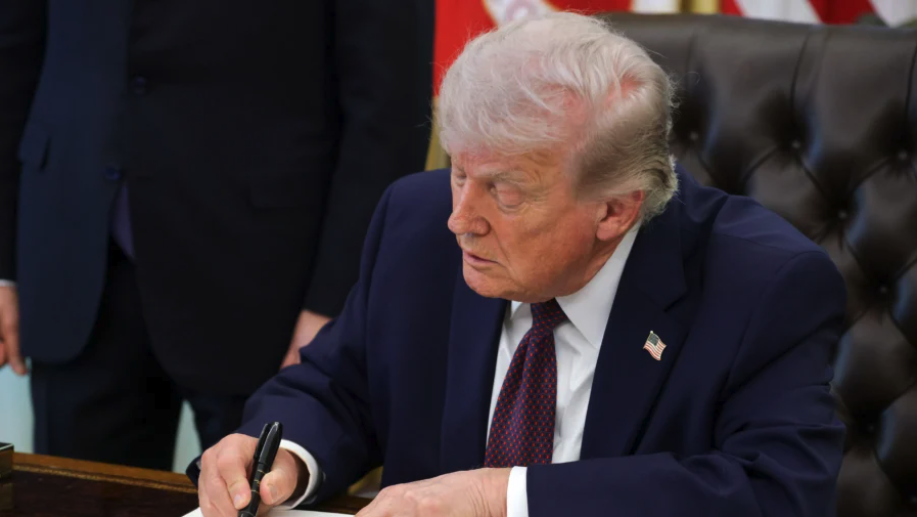
U.S. President Donald Trump said he plans to speak directly with Taiwanese President Lai Ching-te before making a final decision on whether to approve billions of dollars in U.S. weapons sales to Taiwan.
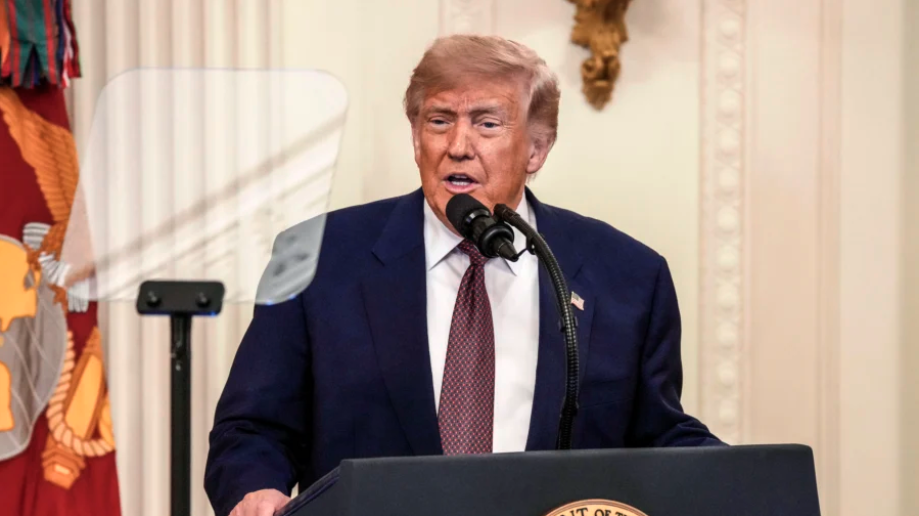
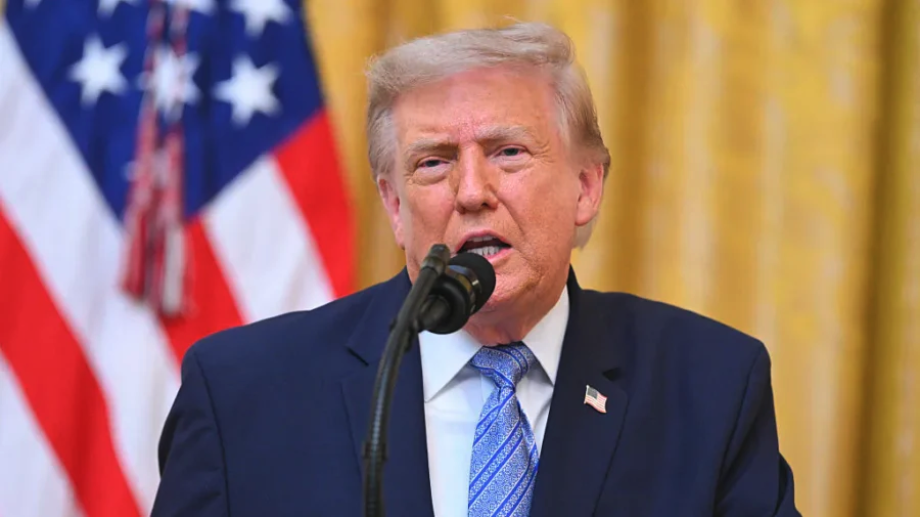
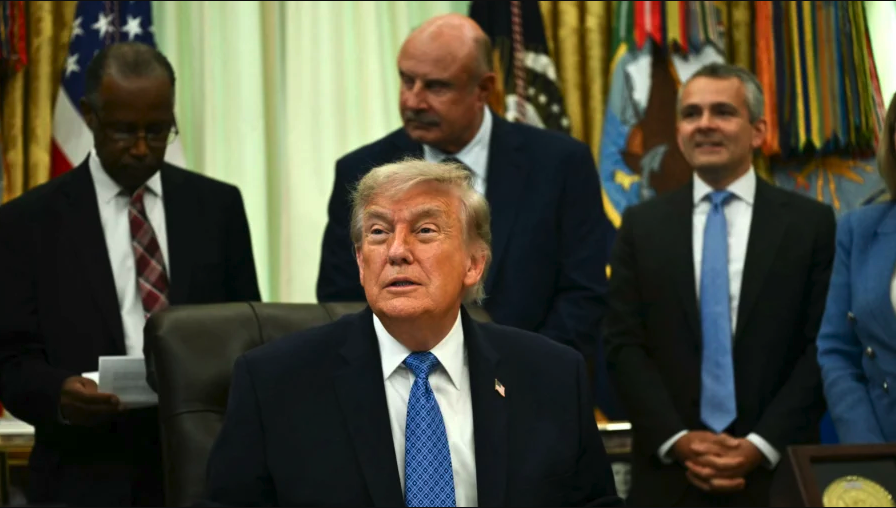
“I’ll speak to him,” Trump told reporters on May 20 when asked whether he would contact Taiwan’s leader before deciding on the arms package.
“I speak to everybody. We have that situation very well in hand,” he said. “We’ll work on that—the Taiwan problem.”
A direct conversation between U.S. and Taiwanese presidents would be highly significant, as such exchanges are rare. The last known instance occurred in December 2016, when Trump accepted a call from then-Taiwanese President Tsai Ing-wen following his first election victory. Trump is believed to have been the first U.S. president or president-elect to speak directly with a Taiwanese leader since 1979, when Washington shifted diplomatic recognition from Taipei to Beijing.
The Chinese Communist Party has long opposed official interactions between the United States and Taiwan, viewing the self-governed democracy as a breakaway province despite never having ruled the island of 23 million people.
Chinese leader Xi Jinping has repeatedly pledged to pursue what Beijing calls “peaceful reunification” with Taiwan, while the regime has simultaneously prepared for the possibility of military action.
Trump’s remarks came less than a week after his state visit to Beijing, where he and Xi discussed a broad range of issues, including trade, Iran, and Taiwan.
According to the Chinese government’s account of the May 14–15 summit, Xi warned Trump that mishandling Taiwan-related issues could trigger clashes or conflict between the world’s two largest economies.
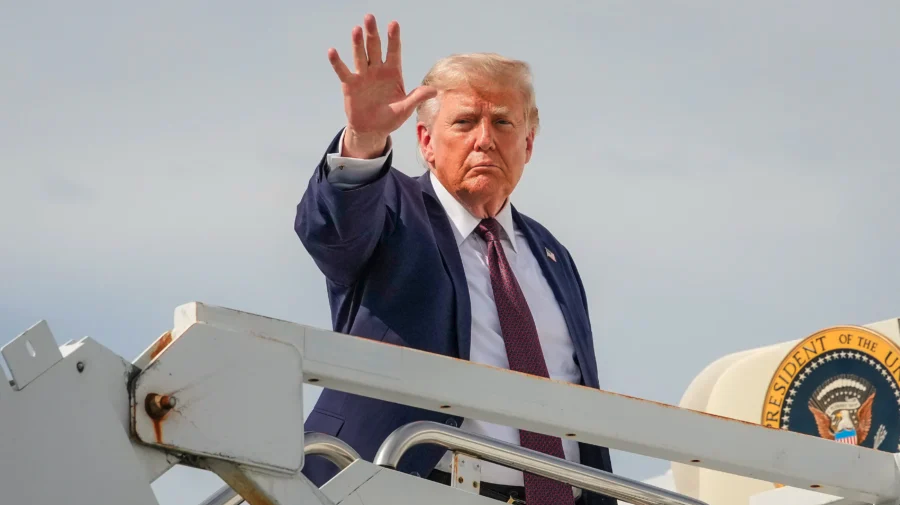
Speaking to reporters aboard Air Force One on May 15 while returning to Washington, Trump confirmed that Taiwan was discussed extensively and said Xi raised concerns about U.S. weapons sales to Taipei.
“We discussed the Taiwan … whole thing with the arm sales in great detail, actually,” Trump said. “I’ll be making decisions.”
He also stated that he would speak with the person “that’s running Taiwan,” without naming Lai or providing additional details.
Although the United States does not maintain formal diplomatic relations with Taiwan, it continues to uphold strong unofficial ties with Taipei and is legally obligated to provide Taiwan with defensive capabilities.
At a regular briefing in Beijing on Wednesday, Chinese Foreign Ministry spokesperson Guo Jiakun reiterated that China’s opposition to U.S. arms sales to Taiwan remains “consistent and clear.”
Also on Wednesday, Lai said he would raise concerns about the Chinese Communist Party’s expanding military footprint in the Indo-Pacific if given the opportunity to speak directly with Trump.
“China is the destroyer of peace and stability across the Taiwan Strait,” Lai told reporters in Taipei. “The Chinese military continues to expand its presence in the East and South China Seas, and its drills have extended into the Western Pacific, raising tensions in the Indo-Pacific region.”
Lai added that his administration remains committed to maintaining the status quo with “confidence and composure” while preserving peace and stability across the Taiwan Strait.