



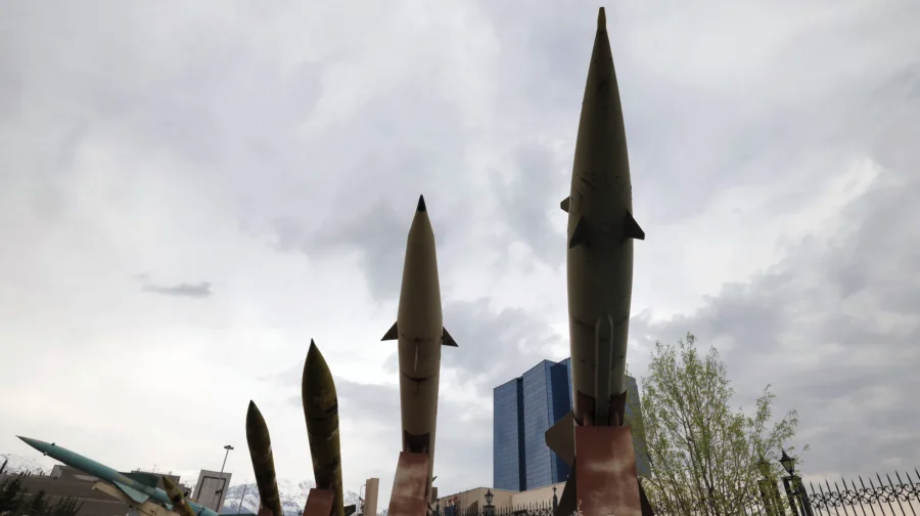
Iran warns of attacks on American targets following U.S. actions against commercial vessels, while Washington maintains pressure through an expanding naval blockade
Iran’s Islamic Revolutionary Guard Corps (IRGC) warned on May 9 that it would retaliate against any additional U.S. military operations targeting Iranian commercial vessels.
“Any attack on Iranian tankers and commercial vessels will result in a heavy attack against one of the American centers in the region and enemy ships,” the IRGC Navy said in a statement carried by state media.
The United States and Iran have maintained a fragile ceasefire since April 7, but Tehran has strongly opposed the U.S. blockade on Iranian ports and maritime trade imposed by President Donald Trump on April 13.
As of Saturday, United States Central Command (CENTCOM) reported that U.S. forces in the Middle East had redirected 58 commercial vessels attempting to conduct trade with Iran and had used disabling fire to stop four ships.
The blockade has significantly restricted Iran’s maritime commerce and increased pressure on Tehran.
Iranian forces have also increasingly tested the limits of the April 7 ceasefire agreement.
On May 4, as U.S. warships began escorting non-Iranian vessels through the Strait of Hormuz, Iranian forces attempted to disrupt the mission using missiles, drones, and attack boats. U.S. forces intercepted the attacks successfully, though Trump suspended the maritime escort operation the following day, on May 5.
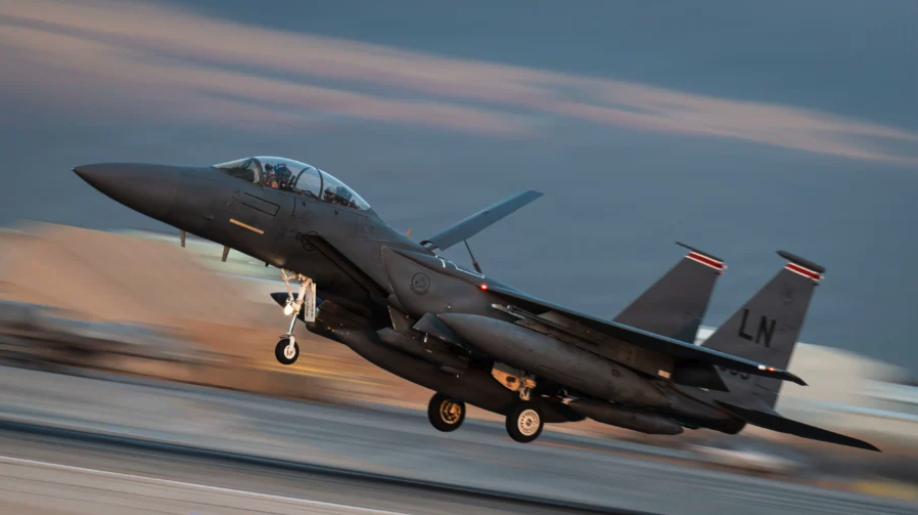
On May 6, a U.S. Navy F/A-18 Super Hornet fighter jet used its 20 mm cannon to disable the rudder of an Iranian tanker attempting to enter an Iranian port.
Iranian forces launched another wave of missiles and attack drones on May 7 targeting three U.S. guided-missile destroyers. The U.S. military described the attacks as unprovoked, while Iran’s military said the strikes were retaliation for earlier U.S. actions against two additional Iran-linked commercial vessels.
On May 1, Trump formally notified Congress that the military hostilities that began with Iran on Feb. 28 had “terminated,” referencing the April 7 ceasefire agreement. The notification aligned with a deadline established under the War Powers Resolution of 1973, which requires the withdrawal of U.S. forces from unauthorized combat operations within 60 days unless approved by Congress.
Despite the recent confrontations, officials within the Trump administration have stated that the incidents have not yet crossed the threshold that would collapse the current ceasefire. Tehran, however, has increasingly signaled a different view.
Iranian Ambassador to the United Nations Amir-Saeid Iravani submitted a letter to the international organization on Saturday, arguing that recent U.S. military actions violated both last month’s ceasefire agreement and the U.N. Charter.
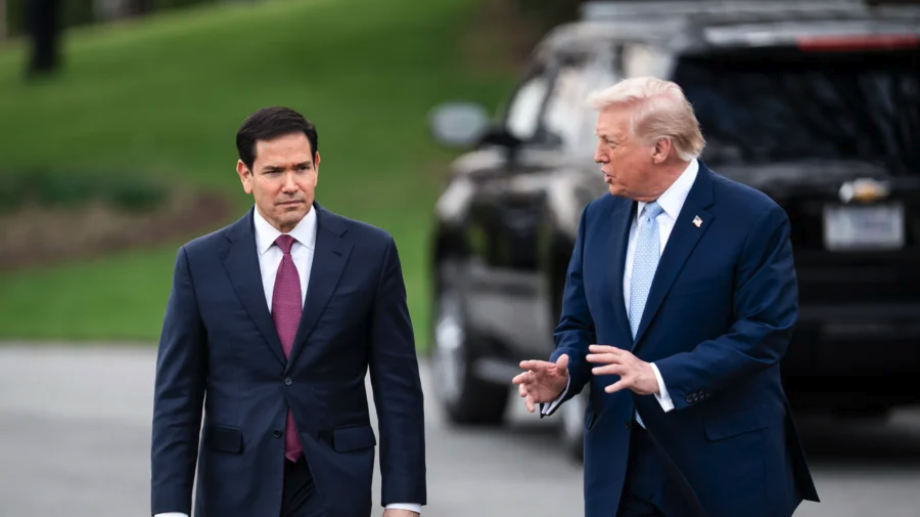
Trump is currently awaiting Tehran’s proposal for a broader agreement aimed at ending the conflict and restoring unrestricted commercial traffic through the Strait of Hormuz. Secretary of State Marco Rubio said the proposal had been expected on May 8, though Iran has not yet presented its terms.