U.S. President dismisses Tehran’s response as “totally unacceptable” while fragile ceasefire tensions persist across the Gulf and Middle East
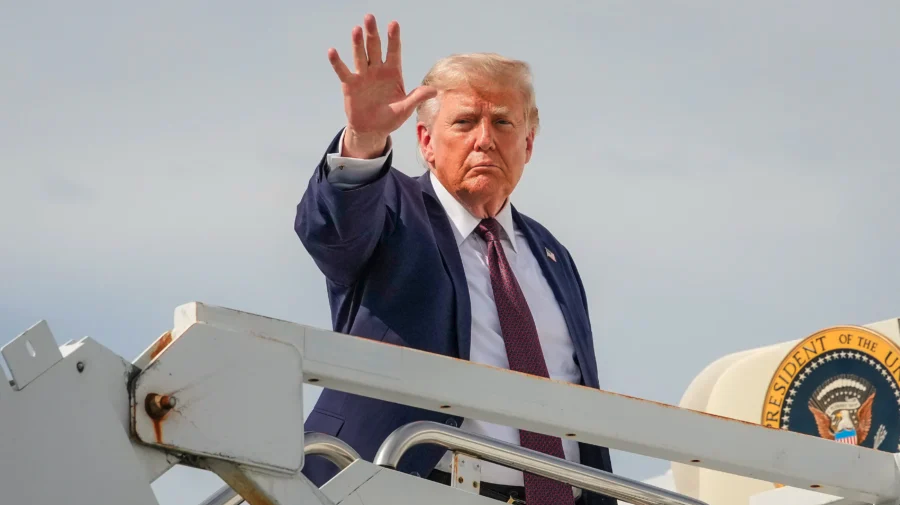
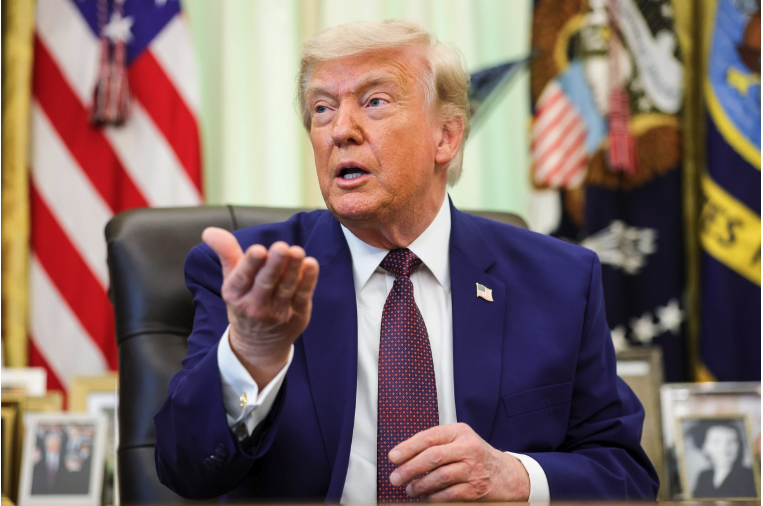
DUBAI/WASHINGTON — President Donald Trump on Sunday rejected Iran’s response to a U.S. proposal for peace talks aimed at ending the war, as two vessels were permitted to pass through the blockaded Strait of Hormuz.
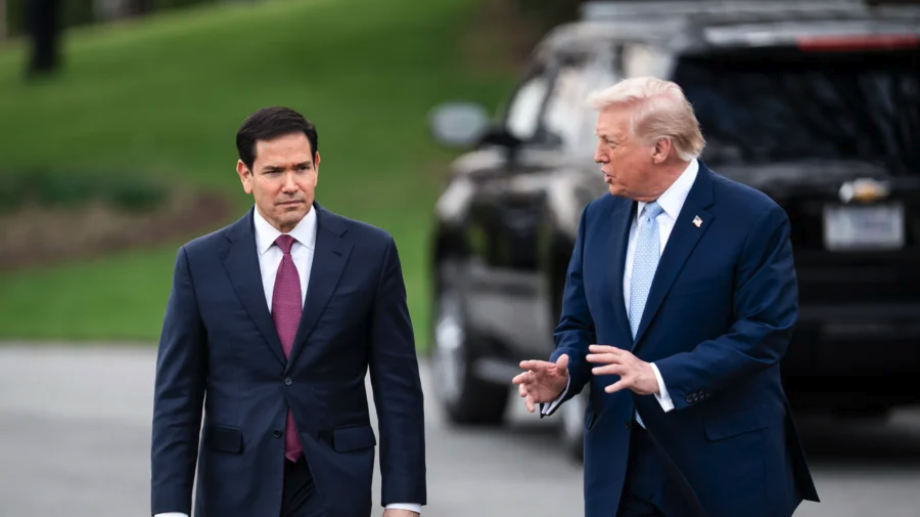
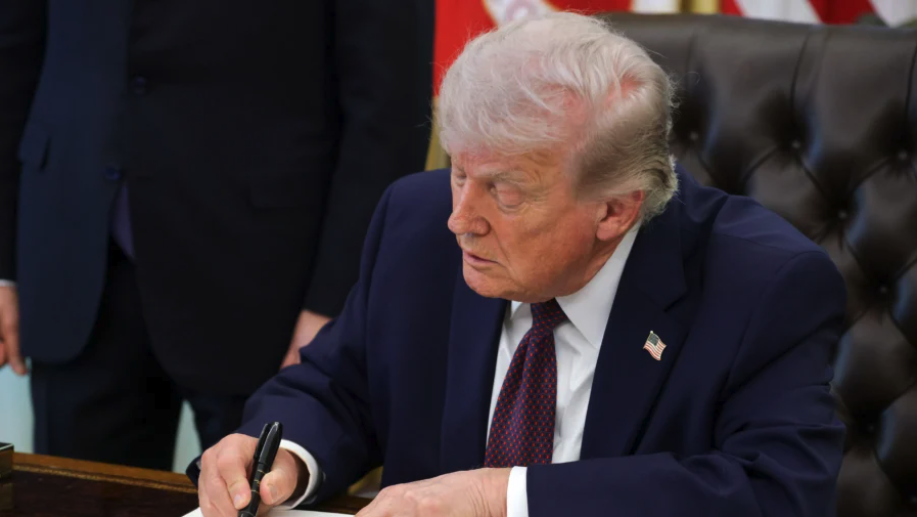
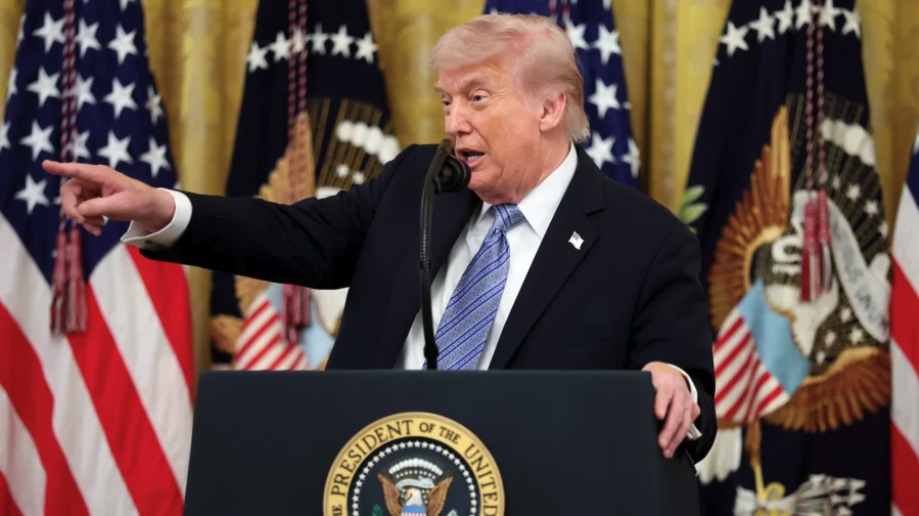
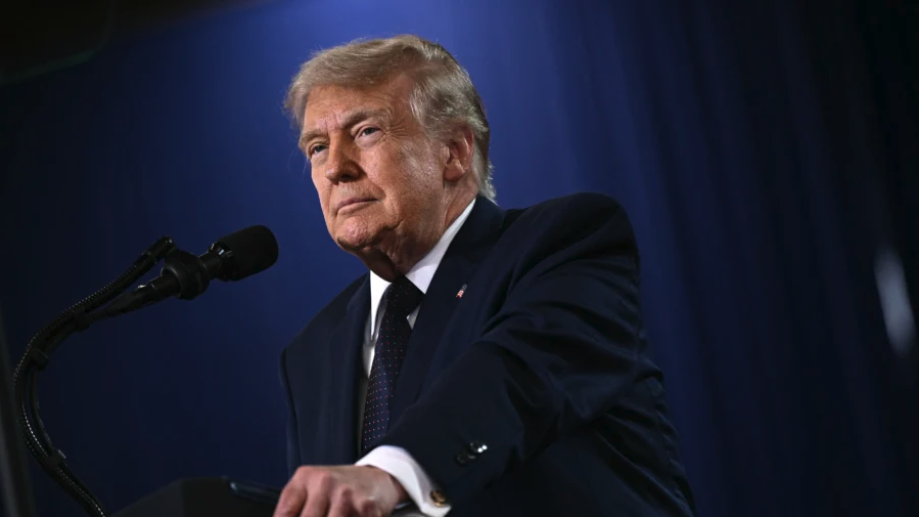
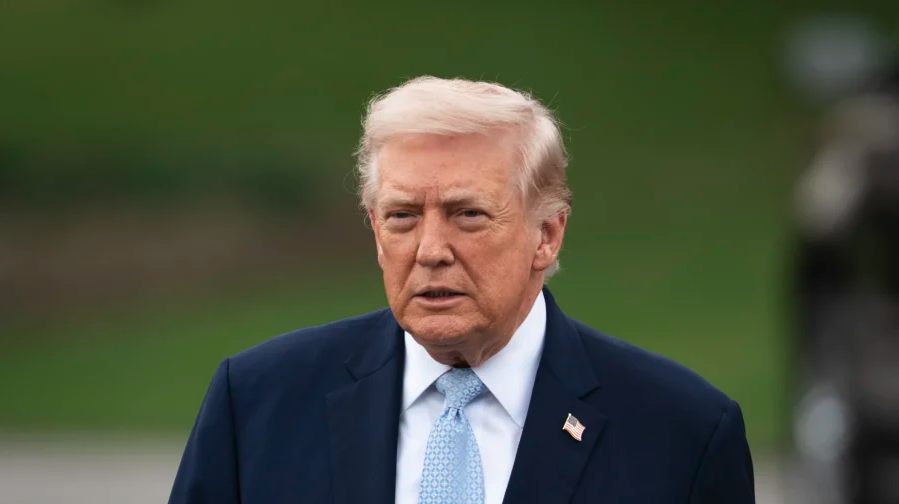
“I have just read the response from Iran’s so-called ‘Representatives.’ I don’t like it — TOTALLY UNACCEPTABLE,” Trump posted on Truth Social, without providing additional details.
Iranian state media reported that Tehran’s response focused on ending the war across all fronts, particularly in Lebanon, and ensuring the safety of shipping through the strait. Iranian state television did not specify how or when the critical waterway would fully reopen.
The response followed a U.S. proposal seeking an end to hostilities before negotiations begin on more contentious matters, including Iran’s nuclear program.
Iran’s semi-official Tasnim news agency said Tehran’s proposal called for an immediate end to the conflict on all fronts, the lifting of the U.S. naval blockade, guarantees against further attacks on Iran, and the removal of sanctions, including the U.S. ban on Iranian oil exports.
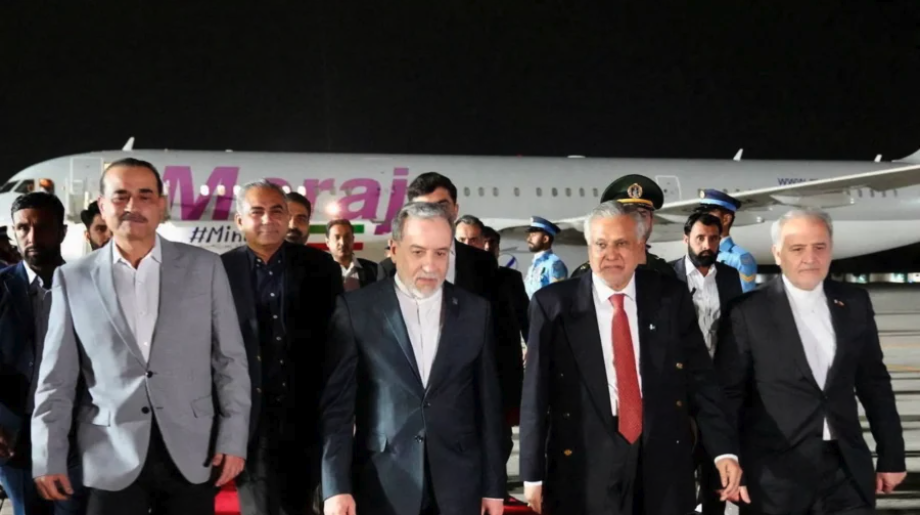
Pakistan, which has been mediating negotiations related to the conflict, forwarded Iran’s response to Washington, according to a Pakistani official. There was no immediate comment from U.S. officials.
Despite a month-old ceasefire and nearly 48 hours of relative calm, hostile drones were detected over several Gulf nations on Sunday, highlighting the continuing instability facing the region.
At the same time, the QatarEnergy-operated vessel Al Kharaitiyat safely passed through the Strait of Hormuz and was headed toward Pakistan’s Port Qasim, according to shipping analytics firm Kpler. It marked the first Qatari liquefied natural gas carrier to transit the strait since the United States and Israel launched military operations on Feb. 28.
Separately, a Panama-flagged bulk carrier bound for Brazil, which had previously attempted to cross the strait on May 4, also completed its transit using a route designated by Iran’s armed forces, Tasnim reported Sunday.
Addressing whether military operations against Iran had concluded, Trump said in remarks aired Sunday: “They are defeated, but that doesn't mean they're done.”
Israeli Prime Minister Benjamin Netanyahu stated that the conflict was not over, saying there was “more work to be done” to remove enriched uranium from Iran, dismantle enrichment facilities, and address Tehran’s proxy forces and ballistic missile capabilities.
Netanyahu told CBS News’ “60 Minutes” that diplomacy would be the preferred method for removing the enriched uranium, though he did not rule out the use of force.
Iranian President Masoud Pezeshkian said in a social media post that Iran would “never bow down to the enemy” and would continue to “defend national interests with strength.”
Despite ongoing diplomatic efforts, threats to regional shipping routes and economic stability remained elevated.
On Sunday, the United Arab Emirates said it intercepted two drones originating from Iran, while Qatar condemned a drone strike targeting a cargo vessel arriving from Abu Dhabi in Qatari waters. Kuwait also reported that its air defense systems intercepted hostile drones entering its airspace.
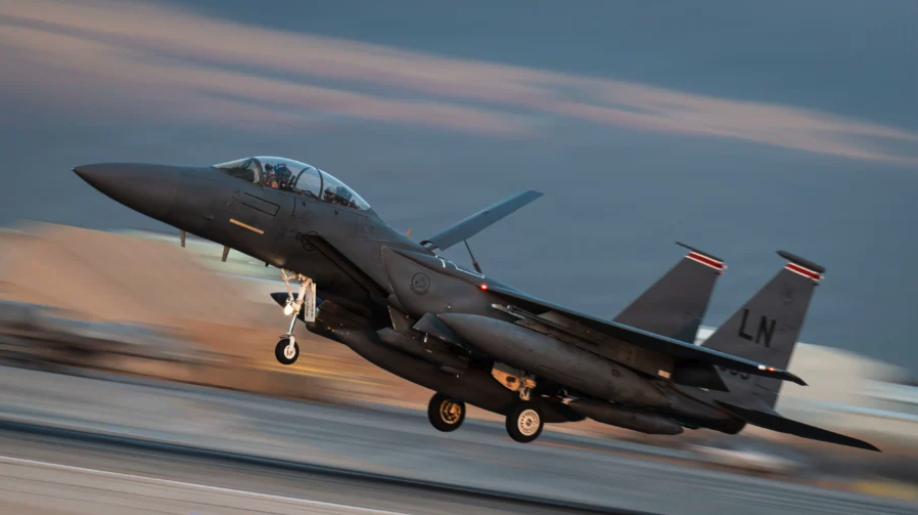
Recent days have seen some of the most intense flare-ups around the Strait of Hormuz since the ceasefire began. The UAE faced renewed attacks on Friday, while sporadic confrontations were reported between Iranian forces and U.S. naval vessels in the strait.
Clashes have also continued in southern Lebanon between Israel and the Iran-backed group Hezbollah, despite a U.S.-brokered ceasefire announced on April 16.
Hostilities between Israel and Hezbollah resumed on March 2 after the Lebanese group opened fire following U.S.-Israeli strikes on Iran. The latest round of Israel-Lebanon talks is scheduled to begin in Washington on May 14.
Although Washington imposed its own blockade on Iranian vessels last month, Tehran has delayed responding to calls for a broader end to the war.
U.S. Energy Secretary Chris Wright told NBC’s “Meet the Press” that the Trump administration was “constantly looking for different ideas” to reduce gasoline prices.
Britain, which has been coordinating with France on a proposal to secure safe maritime transit through the strait once conditions stabilize, announced Saturday that it would deploy a warship to the Middle East in preparation for such a mission. France has taken similar steps.
Iranian Deputy Foreign Minister Kazem Gharibabadi warned on social media that the deployment of British, French, or other foreign warships near the Strait of Hormuz under the pretext of “protecting shipping” would constitute an escalation and would be met with force.
In response, French President Emmanuel Macron said France was prepared to support an international mission, but emphasized that “we have never envisaged a military deployment to re-open Hormuz.”