
Washington and Tehran move closer to finalizing a memorandum aimed at ending the conflict, easing sanctions, and reopening diplomatic negotiations
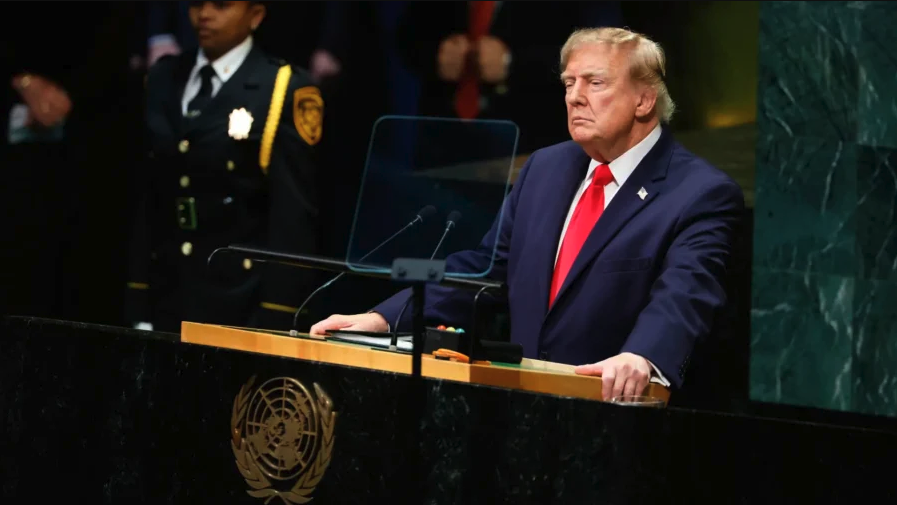
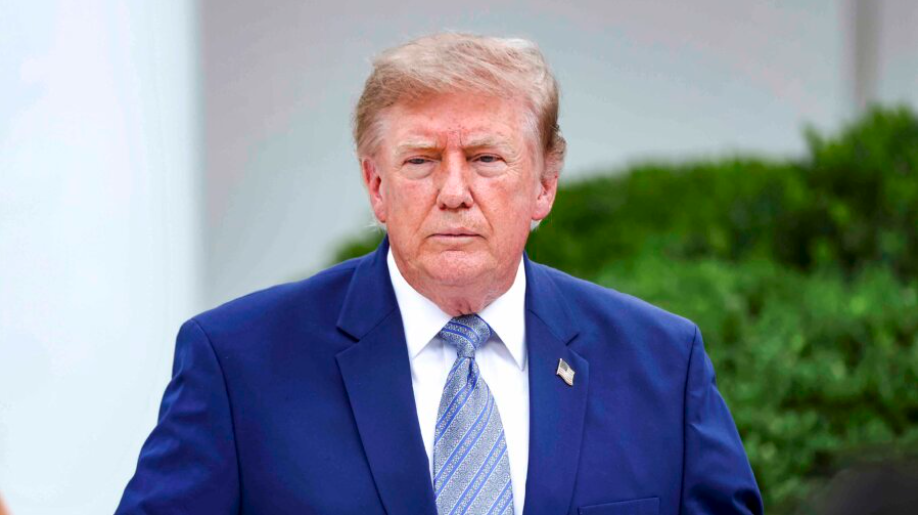
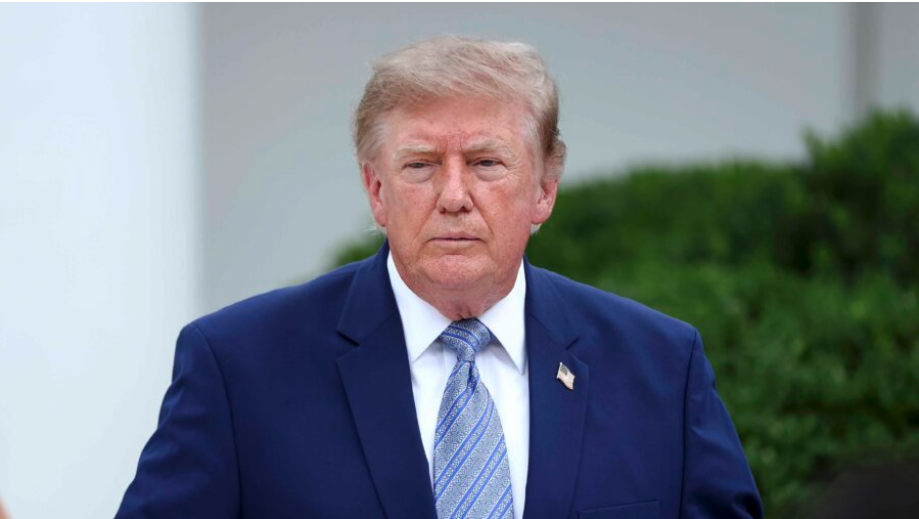
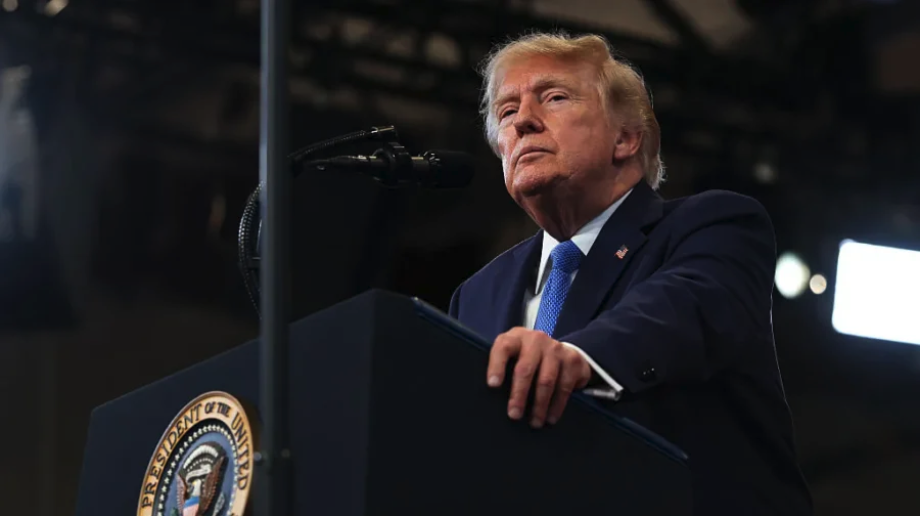
President Donald Trump announced on May 23 that the United States and Iran are close to reaching a “Memorandum of Understanding pertaining to PEACE.”
In a post on Truth Social, Trump said he had concluded discussions with the leaders of Saudi Arabia, the United Arab Emirates, Qatar, Egypt, Bahrain, Jordan, Turkey, and Pakistan regarding efforts to resolve the ongoing armed standoff with Iran.
“An Agreement has been largely negotiated, subject to finalization between the United States of America, the Islamic Republic of Iran, and the various other Countries, as listed,” Trump wrote.
The U.S. president added that several final elements of the agreement remain under discussion.
Trump also revealed that he held a separate phone call with Israeli Prime Minister Benjamin Netanyahu on Saturday, describing the conversation as having “went very well.”
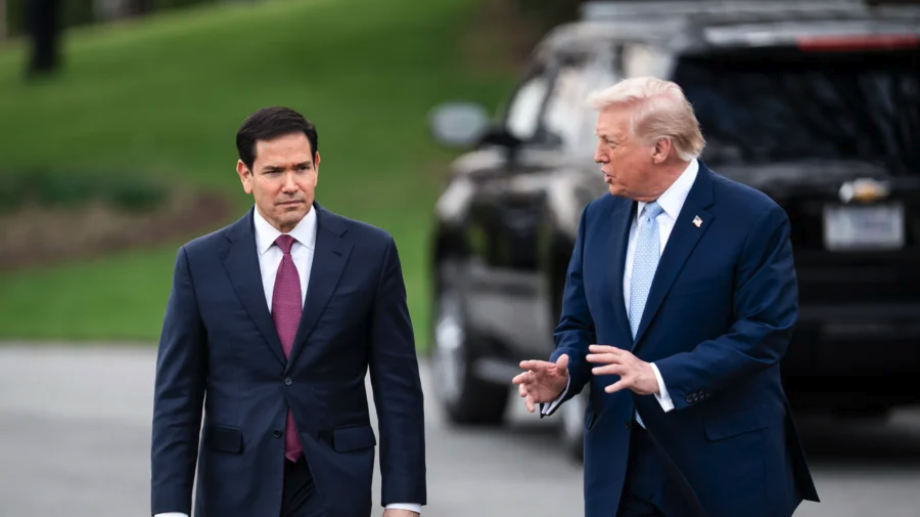
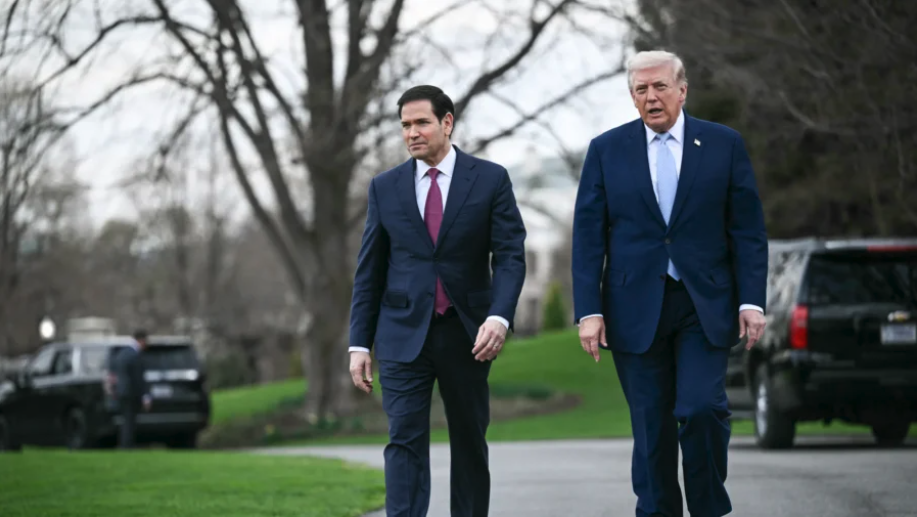
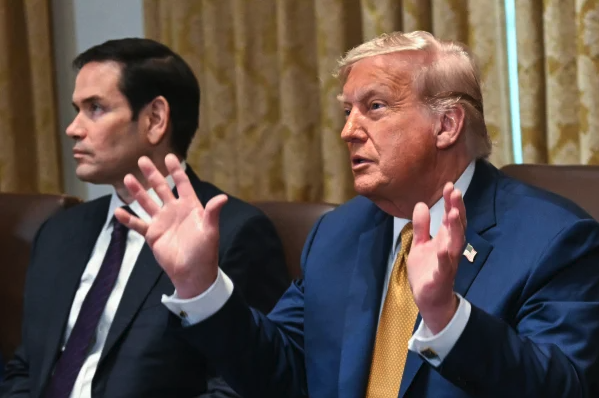
During a visit to India earlier the same day, Secretary of State Marco Rubio told reporters that negotiations with Iran had shown signs of progress.
“There’s been some progress done, some progress made,” Rubio said.
“Even as I speak to you now, there’s some work being done. There is a chance that, whether it’s later today, tomorrow, in a couple of days, we may have something to say,” he added.
Iranian Foreign Ministry spokesman Esmaeil Baqaei said Saturday that Washington and Tehran were moving closer to a mutual understanding aimed at ending the conflict.
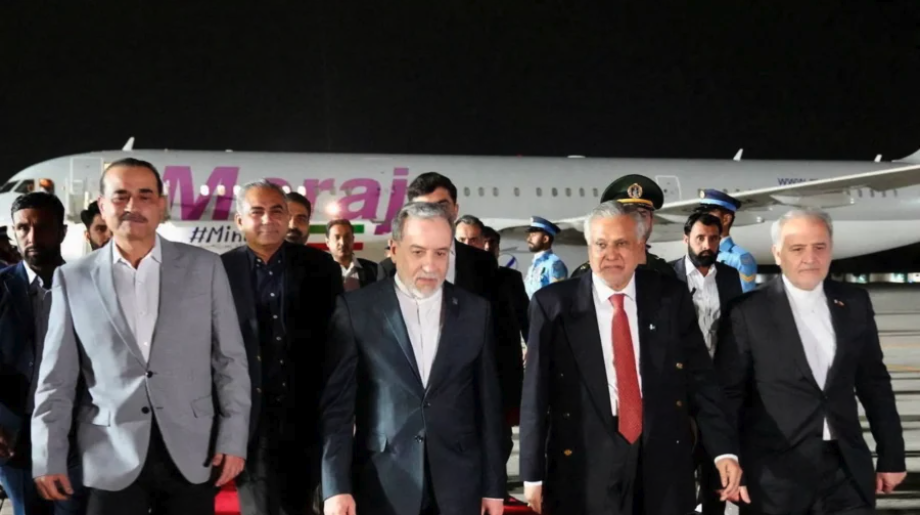
Pakistani Army Chief Asim Munir, who has acted as a key intermediary in the talks, concluded a visit to Tehran on Saturday. Pakistan’s military public relations office described the visit as “short but highly productive,” citing “encouraging progress towards a final understanding.”
Despite growing optimism from both Washington and Tehran, public statements from officials on both sides continued to reflect unresolved tensions.
Rubio reiterated Trump’s position that Iran must never obtain nuclear weapons, stressing that Tehran would need to surrender its stockpiles of highly enriched uranium.
“We need to address that issue; we need to address the issue of enrichment,” Rubio said.
Iran has accumulated a significant stockpile of highly enriched uranium while maintaining that its nuclear program is intended solely for peaceful purposes. Iranian officials have also repeatedly described the country’s nuclear activities and enrichment capabilities as sovereign rights.
Rubio additionally called for the Strait of Hormuz to remain open for safe maritime transit without toll charges for commercial vessels.
Following joint U.S. and Israeli strikes on Iran, Iranian forces began targeting commercial shipping in the Strait of Hormuz as part of a retaliatory campaign. Tehran later moved to formalize its control over the strategic waterway by imposing tolls for safe passage. In response, Trump enacted a U.S. blockade targeting Iranian ports and maritime trade.
Baqaei said the current negotiations are primarily focused on a 14-point memorandum of understanding designed to end the armed conflict, lift the U.S. blockade, and roll back sanctions to facilitate the release of frozen Iranian assets.
He added that the initial memorandum could pave the way for additional negotiations within 30 to 60 days on Iran’s nuclear program and other unresolved disputes.