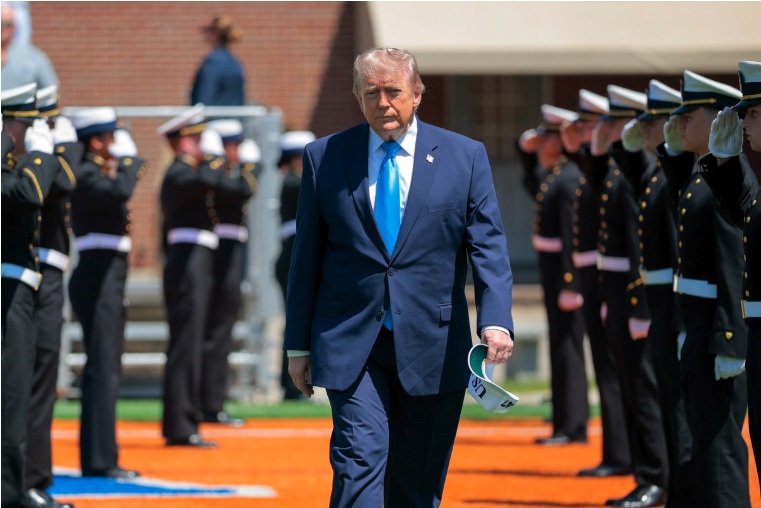
U.S. President says Cuba is “falling apart” as Justice Department unveils charges against former leader Raúl Castro over the 1996 downing of humanitarian aircraft
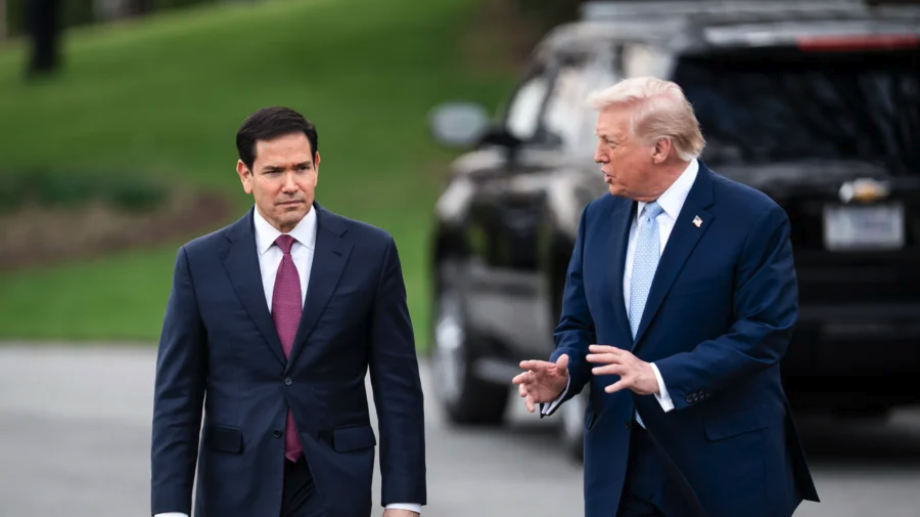
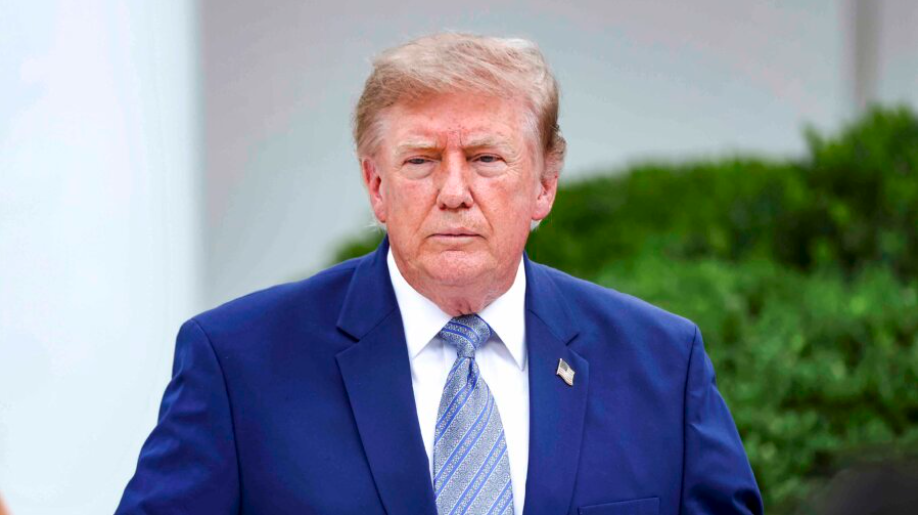
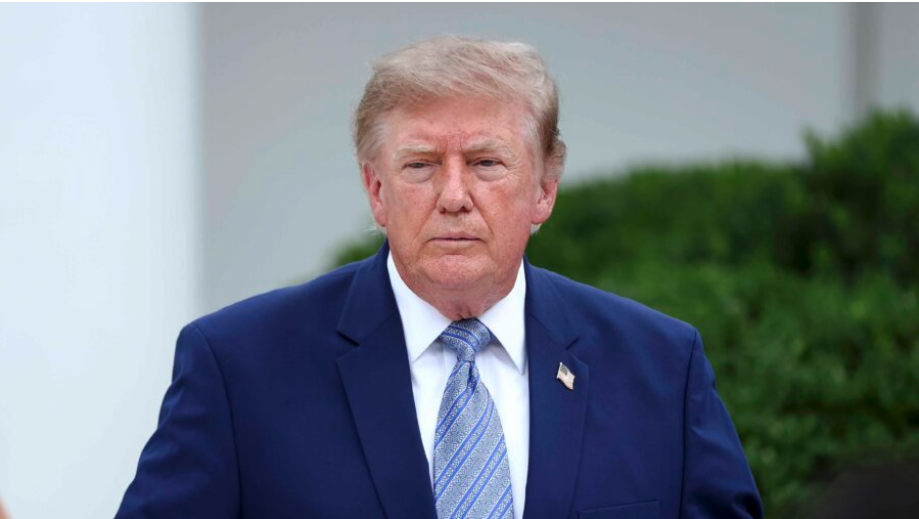
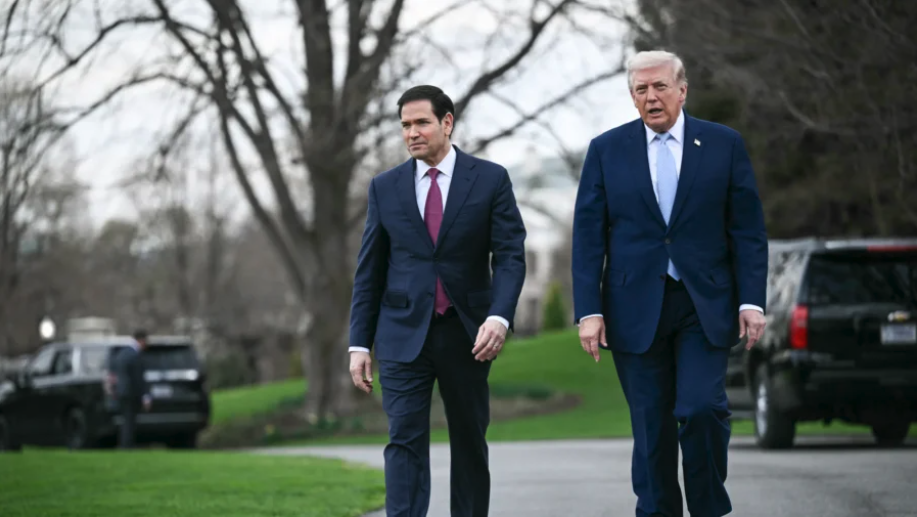
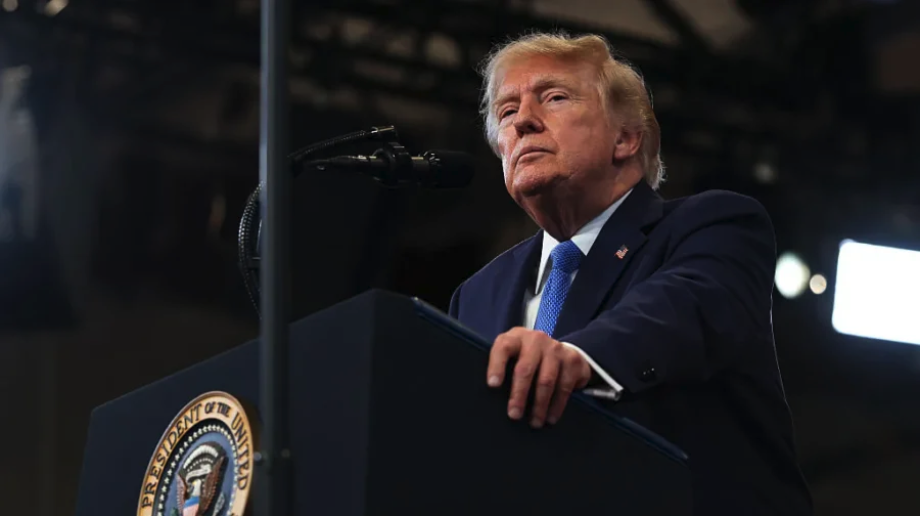
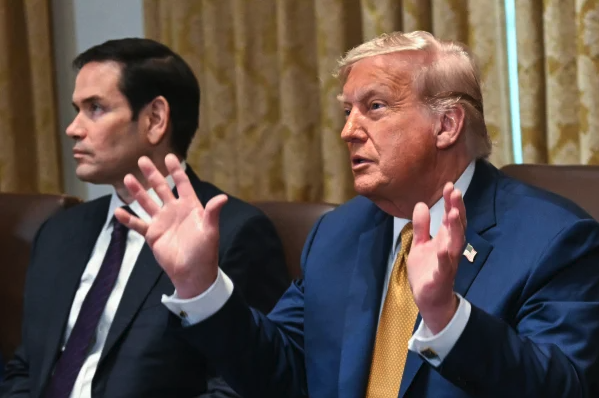
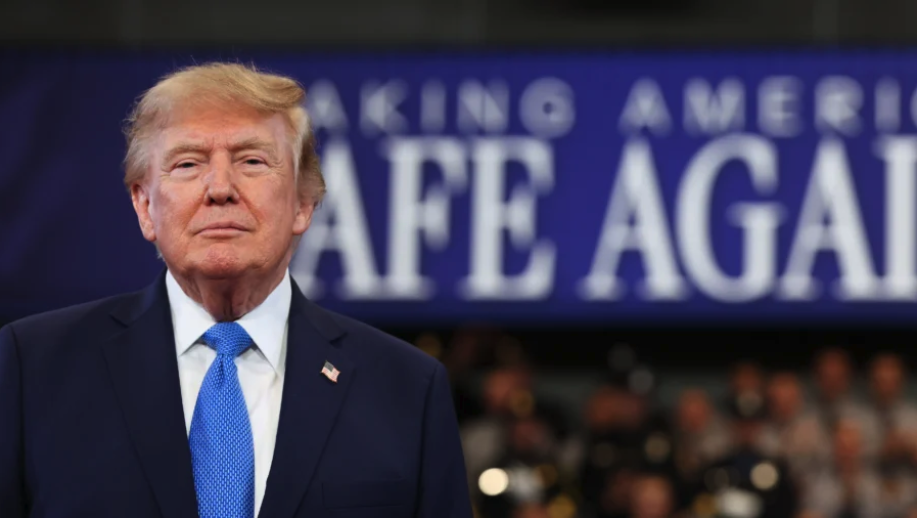
U.S. President Donald Trump said on May 20 that the United States will not escalate actions against Cuba following the Department of Justice’s decision to unseal murder charges against former Cuban President Raúl Castro.
“There won’t be escalation. I don’t think there needs to be,” Trump told reporters. “Look, the place is falling apart. It’s a mess. They’ve sort of lost control. They’ve really lost control of Cuba.”
Hours earlier, the Department of Justice unsealed an indictment charging the 94-year-old Castro in connection with the 1996 killing of four humanitarian aid workers, three of whom were American citizens and the fourth a lawful U.S. resident. Castro faces charges including conspiracy to kill U.S. nationals, two counts of destruction of aircraft, and four counts of murder.
A Miami grand jury also indicted five additional individuals—Cuban military pilots Lorenzo Alberto Perez-Perez, Emilio José Palacio Blanco, José Fidel Gual Barzaga, Raul Simanca Cardenas, and Luis Raul Gonzalez-Pardo Rodriguez—on the same charges.
Trump said Cuban communities in Miami and elsewhere support the move against Castro, the brother of former Cuban dictator Fidel Castro.
“The Cuban population of Miami, and certainly beyond Miami, people that came there that were decimated, whose families were ruined, appreciate what the attorney general just did today,” he said. “This was a big, I think it was a very big moment for people that, not only Cuban Americans, but people that came from Cuba, that want to go back to Cuba, people that want to see their family in Cuba.”
The president added that many Cubans have waited decades for such developments.
“They’ve been looking for this moment for 65 years, so we'll see what happens, but we’re going to, in the meantime, we’re going to have to help them out,” Trump said. “They have no, no way of living. They have no food, they have no electricity, they have no energy at all. But they do have great people, a lot of great people.”
Acting U.S. Attorney General Todd Blanche and U.S. Attorney for the Southern District of Florida Jason Quiñones outlined the indictment during a news conference in Miami, home to a large Cuban exile community.
According to the indictment, Castro, who served as Cuba’s defense minister in 1996, ordered Cuban fighter jets to shoot down two unarmed Brothers to the Rescue civilian aircraft carrying the four victims, who were searching for Cuban refugees at sea.
“The United States and President Trump does not and will not forget its citizens,” Blanche said.
Quiñones added: “For 30 years, the families of these men have waited. The Miami community has waited. Our country has waited.”
The indictment further alleges that Cuba’s intelligence agency directed a network of spies in Florida to monitor Brothers to the Rescue.
In 2006, audio recordings reportedly surfaced in which Castro described to Cuban reporters how he ordered the aircraft to be shot down.
“Four humanitarians were on a noble mission to help those fleeing oppression,” FBI Deputy Director Christopher Raia said during the Miami press conference.
The May 20 indictment marks the most significant legal action so far in the Trump administration’s broader campaign to weaken the Cuban government through prosecution, diplomatic isolation, and economic pressure.
Within hours of his January 2025 inauguration, Trump reversed former President Joe Biden’s decision to remove Cuba from the U.S. list of state sponsors of terrorism. Biden had lifted the designation as part of an agreement under which Cuba pledged to release more than 500 political prisoners.
In early 2026, Trump publicly floated the idea of a “friendly takeover” of Cuba, while his administration expanded sanctions and increased military pressure throughout the year.