

U.S. President says Tehran must surrender or eliminate its uranium stockpile under supervision, reaffirming that Iran will not be allowed a pathway to nuclear weapons
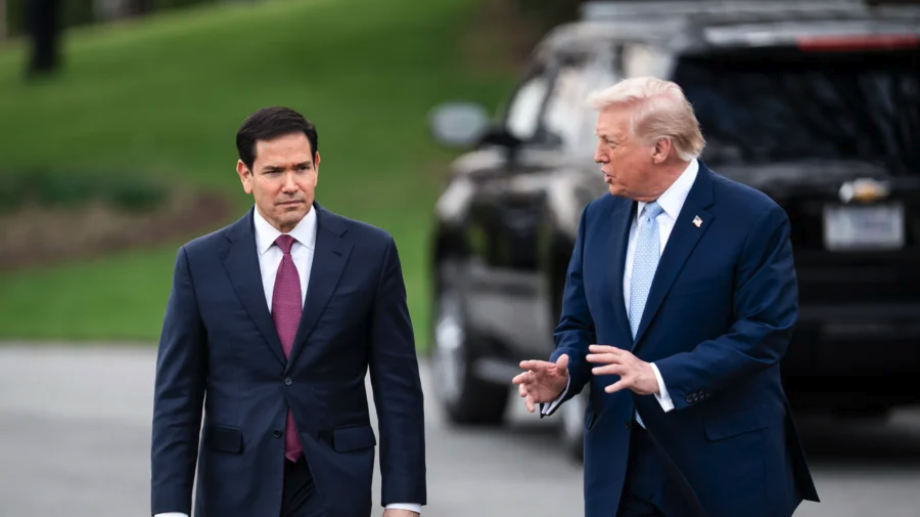
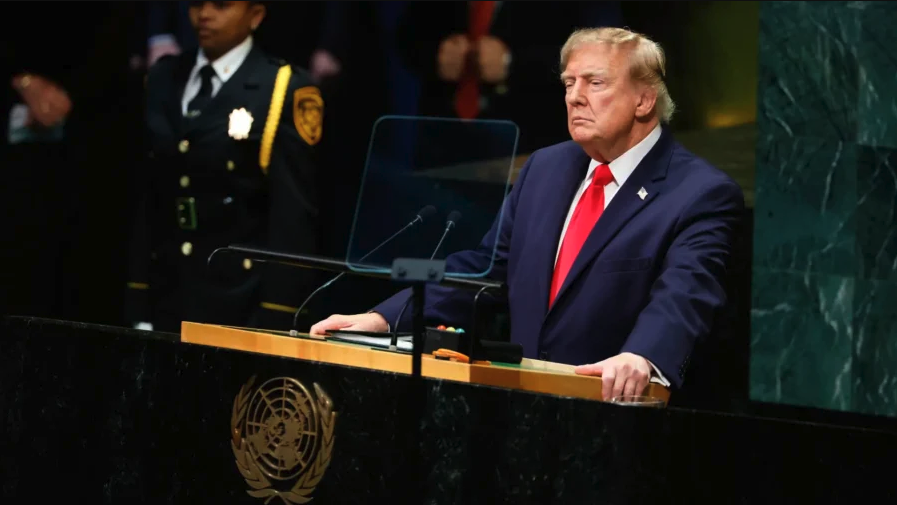
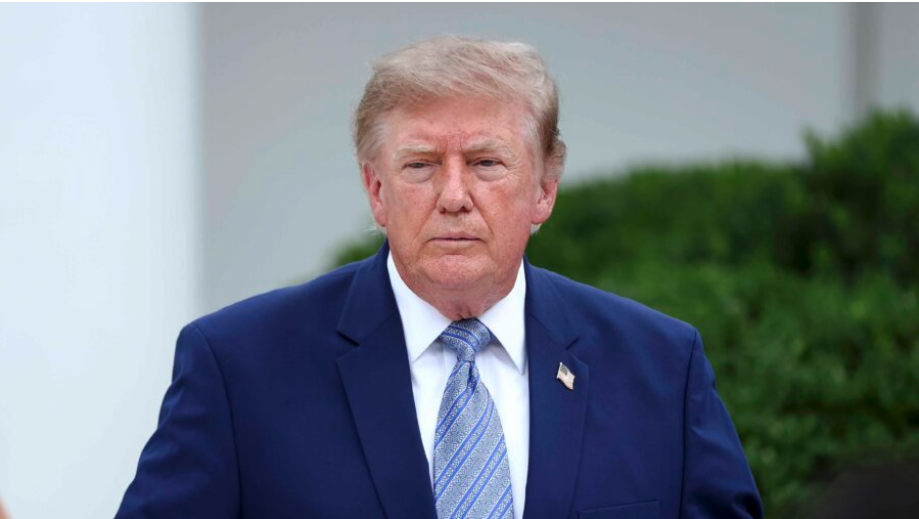
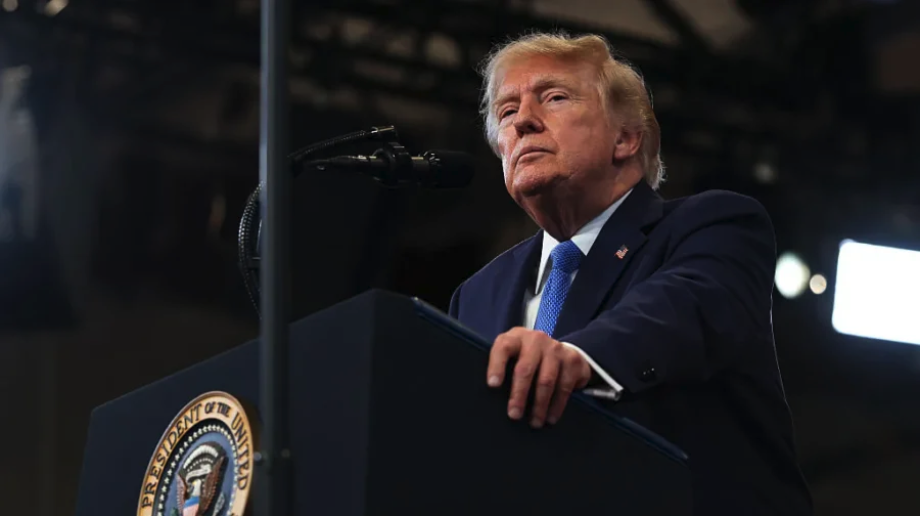
U.S. President Donald Trump on May 25 outlined three possible options for addressing Iran’s stockpile of enriched uranium, reiterating that Tehran will not be permitted to retain any pathway to developing a nuclear weapon as negotiations continue toward a broader peace agreement.
“The Enriched Uranium (Nuclear Dust!) will either be immediately turned over to the United States to be brought home and destroyed or, preferably, in conjunction and coordination with the Islamic Republic of Iran, destroyed in place or, at another acceptable location,” Trump wrote in a post on Truth Social.
He added that the destruction process would take place with the “Atomic Energy Commission, or its equivalent, being witness to this process and event.”
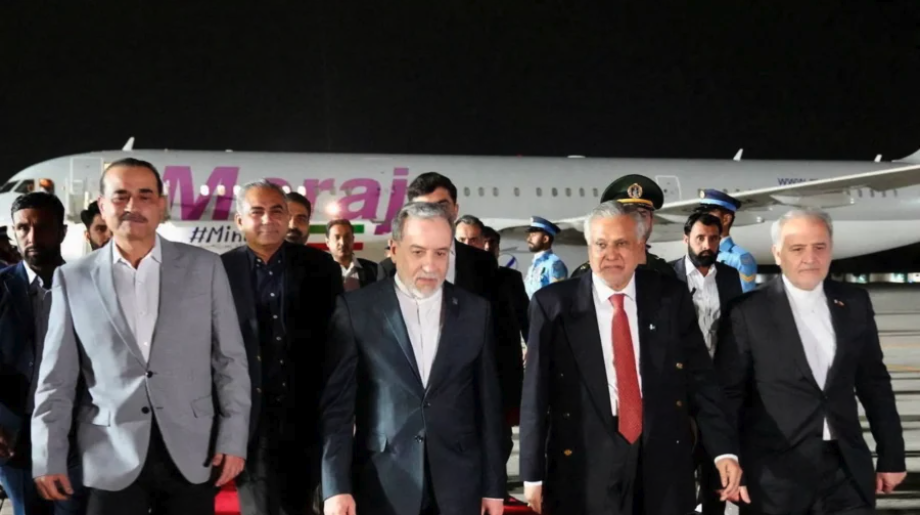
The status of Iran’s enriched uranium stockpile has become one of the most contentious issues in negotiations aimed at diplomatically resolving tensions between Iran on one side and the United States and Israel on the other, while seeking an end to the conflict.
Trump’s remarks appeared to present three scenarios acceptable to Washington: transferring the uranium to the United States for destruction, eliminating it inside Iran under international supervision, or destroying it at a mutually agreed location.
Trump has repeatedly stated that Iran cannot be allowed to acquire a nuclear weapon. Tehran has consistently maintained that its nuclear program is intended exclusively for peaceful purposes, although U.S. and Israeli officials dispute that claim. The International Atomic Energy Agency has also said it could not verify the peaceful nature of Iran’s nuclear activities.
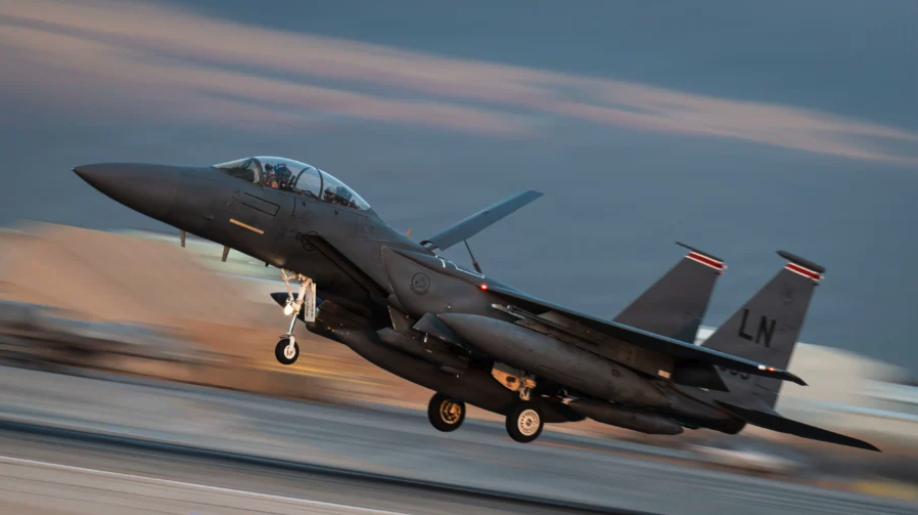
The United States struck a series of sites connected to Iran’s nuclear program in 2025 during what became known as Operation Midnight Hammer. The operation left Iran’s stockpile of enriched uranium buried deep underground, with Trump repeatedly arguing that the material should be excavated and secured to prevent Tehran from using it to develop a nuclear weapon.
Nuclear Material Remains Central to Negotiations
The future of Iran’s uranium stockpile—estimated by some U.S. officials at approximately 900 pounds of highly enriched material—has become a central issue in discussions surrounding any long-term settlement.
Trump told reporters last week that the United States may need to enter Iran to retrieve the buried uranium, suggesting that it would subsequently be destroyed. Israeli Prime Minister Benjamin Netanyahu has expressed a similar position, stating that eliminating Iran’s “nuclear danger” requires removing the enriched material from Iranian territory.
Iranian officials, however, have insisted on retaining the uranium, maintaining that it would be used solely for peaceful civilian nuclear purposes.
Iranian President Masoud Pezeshkian said over the weekend that Tehran was prepared to demonstrate that it does not seek nuclear weapons. Meanwhile, Iranian Foreign Ministry spokesperson Esmail Baghaei told a May 25 press briefing that current negotiations with the United States are focused on “ending the war” and that “at this stage, we are not discussing the details of the nuclear issue.”
Russia has also expressed willingness to take custody of Iran’s enriched uranium for safekeeping. Kremlin spokesperson Dmitry Peskov told reporters last week that Moscow, which operates an extensive nuclear program, is prepared to hold the stockpile and encouraged Tehran and Washington to discuss the proposal, according to Russia’s state-owned TASS news agency.
Trump’s latest comments, however, indicate opposition to transferring the material to another country for storage, emphasizing instead that the uranium must be destroyed.
There was no immediate response from Iran following Trump’s statement.
Earlier, a senior adviser to Iran’s supreme leader warned that Tehran could withdraw from the nuclear Non-Proliferation Treaty if attacks resume, suggesting that renewed U.S.–Israeli strikes could push Iran toward pursuing nuclear weapons.