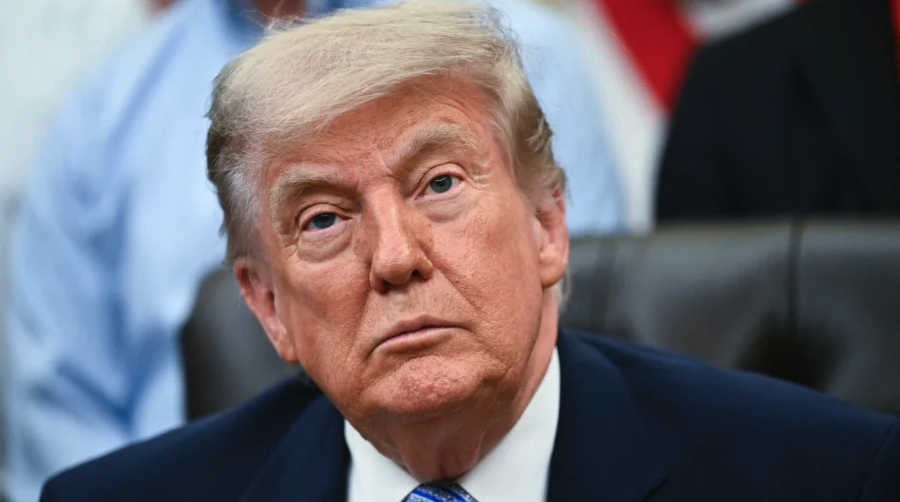
President says Tehran is eager to reach an agreement as Washington presses for uranium removal, reopening of the Strait of Hormuz, and an end to Iran’s nuclear ambitions
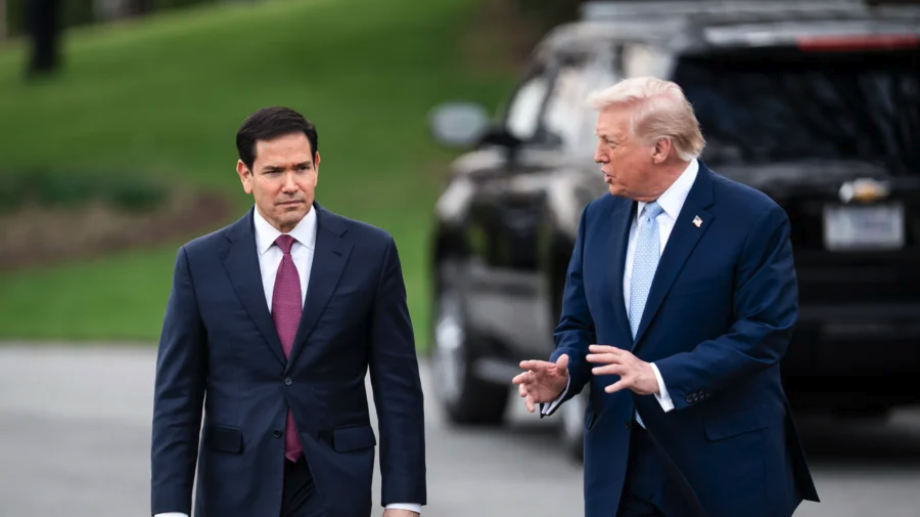
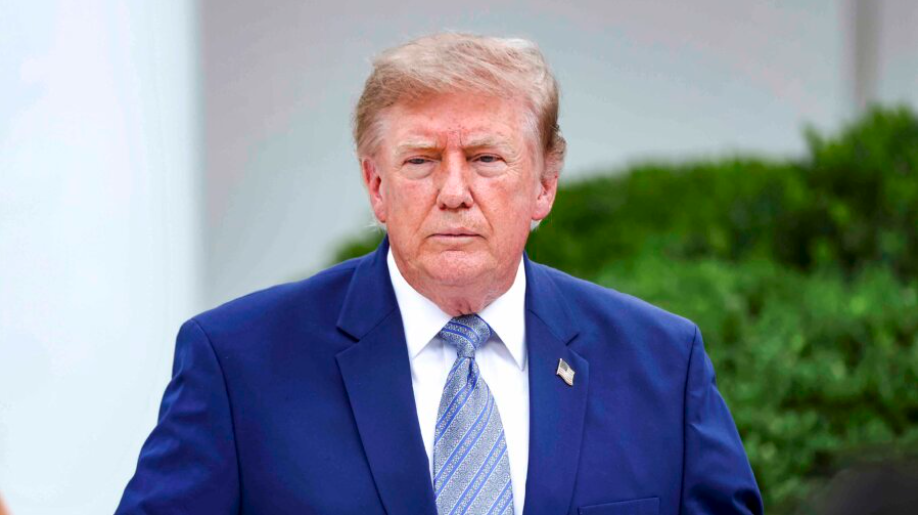
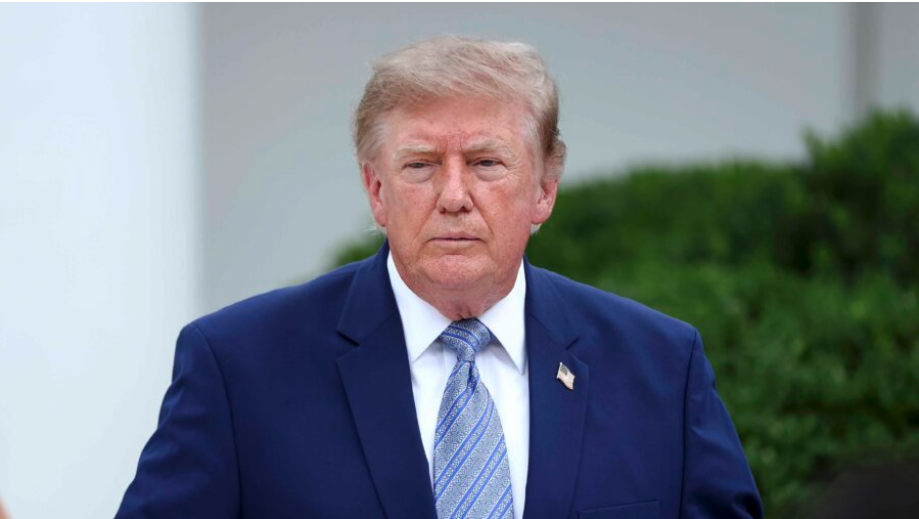
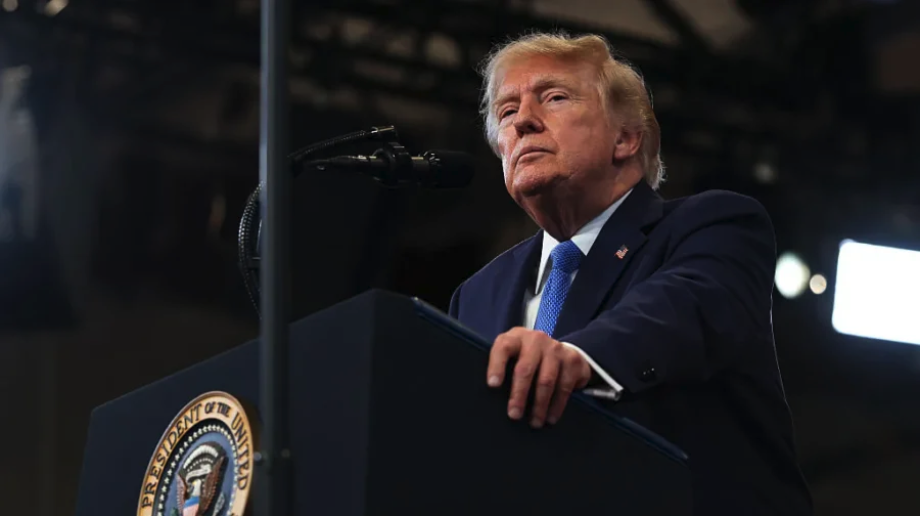
President Donald Trump continued to project confidence in ongoing peace negotiations with Iran, reiterating in a Truth Social post early Monday that “Iran really wants to make a deal.”
Trump criticized what he described as “political hacks” for their negative assessments of the negotiations, arguing that such commentary makes it more difficult to effectively carry out diplomacy.
“Just sit back and relax, it will all work out well in the end - It always does!” Trump wrote.
He added that any eventual agreement would be a “good one” for both the United States and its allies.
Among Washington’s key demands are the complete removal of highly enriched uranium, the immediate reopening of the Strait of Hormuz, and the suspension of Iran’s nuclear program.
In an earlier Truth Social post, Trump also rejected some media coverage of the negotiations, emphasizing that the proposed agreement clearly stipulates that Iran cannot possess a nuclear weapon.
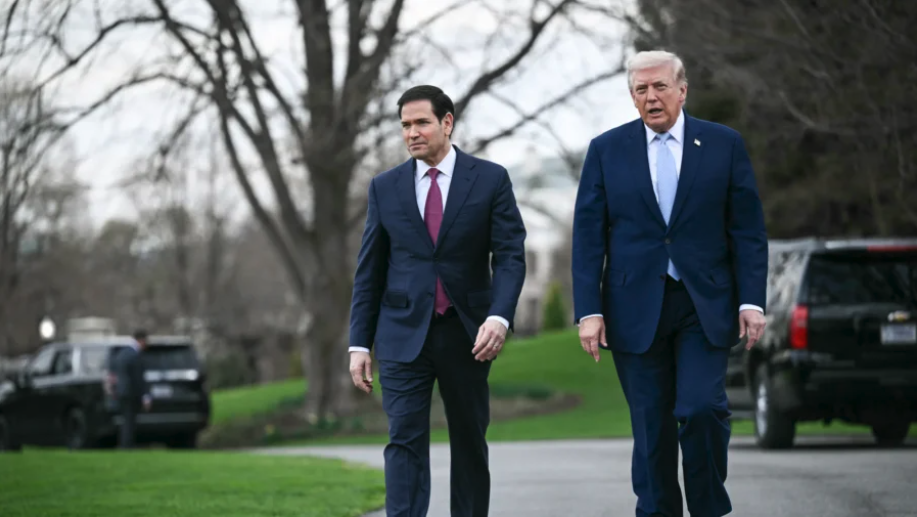
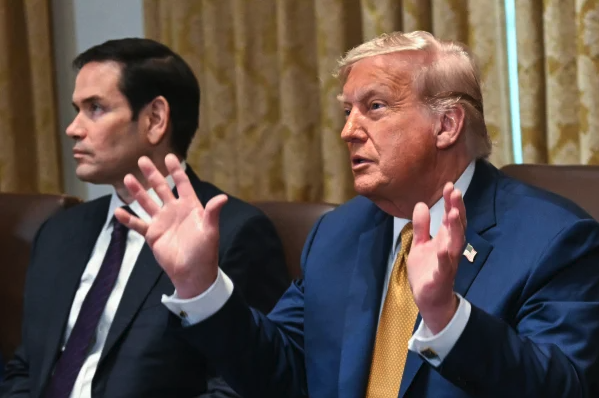
The president’s latest remarks came after a Friday meeting with his national security team, during which he said a “final determination” would be made regarding a deal aimed at ending the conflict.
Despite ongoing diplomatic efforts, the ceasefire between the United States and Iran has faced repeated challenges, with both sides exchanging attacks in recent days.
Military strikes between the two countries resumed over the weekend.
According to United States Central Command (CENTCOM) on Monday, U.S. forces carried out what were described as “self-defense” strikes against Iranian radar and drone facilities after Tehran shot down an American drone. Iran, meanwhile, said it targeted an air base used by U.S. forces in response to the latest American bombardments.
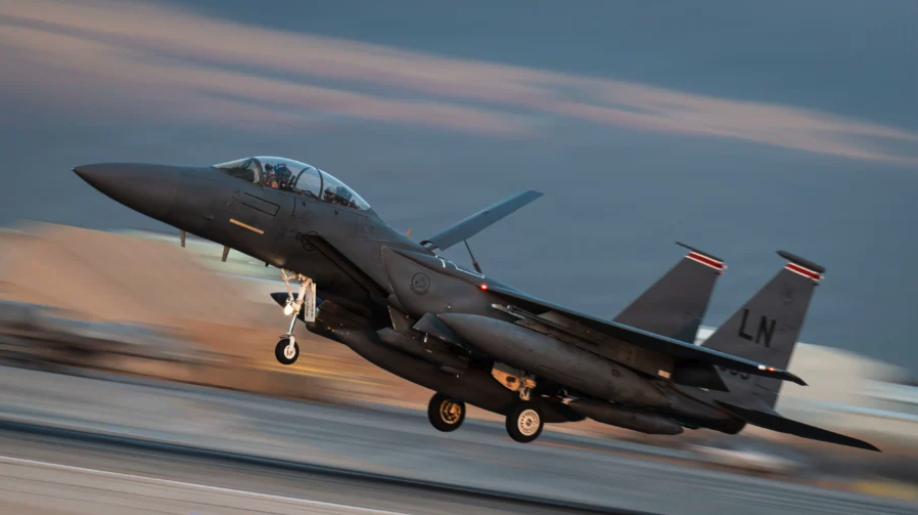
CENTCOM stated that the U.S. strikes conducted on Saturday and Sunday were a response to what it called “aggressive Iranian actions,” including the downing of a U.S. MQ-1 drone operating over international waters. American fighter aircraft subsequently destroyed Iranian air defense systems, a ground control station, and two one-way attack drones that posed a threat to vessels transiting regional waters.
Iranian Foreign Ministry spokesperson Esmail Baghaei accused the United States of “constantly” shifting its positions throughout the negotiations.
“From the beginning, we knew — and we continue to know — that we are negotiating in an atmosphere of mistrust,” Baghaei told reporters.
The United States and Israel launched military operations against Iran on Feb. 28. The conflict has contributed to economic pressure worldwide by driving up energy prices following Iran’s effective closure of the Strait of Hormuz.