U.S. President cites dangers of prolonged military deployment inside Iran, drawing comparison to the failed 1980 hostage rescue mission under Jimmy Carter
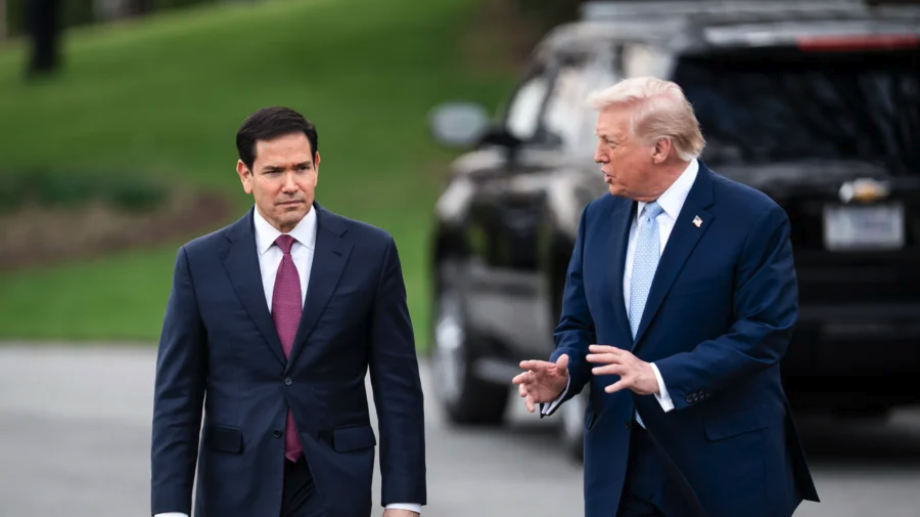
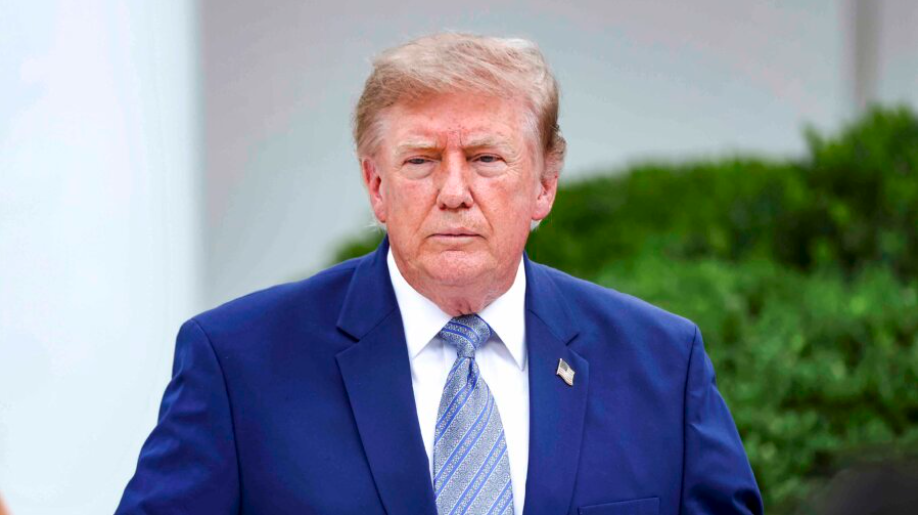
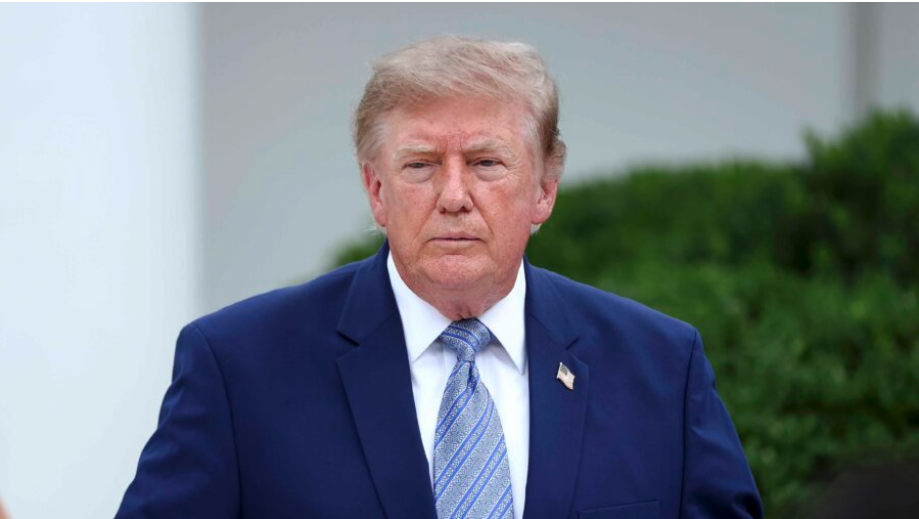
President Donald Trump said on June 4 that he considered authorizing a special operations mission to recover highly enriched uranium stockpiles from Iran, but ultimately decided against it because of the risks involved.
“I didn’t want to be Jimmy Carter,” Trump said.
The remark appeared to reference former President Jimmy Carter and his 1980 decision to launch a military rescue operation for dozens of Americans held hostage in Iran.
That mission, known as Operation Eagle Claw, ended in failure after eight U.S. service members were killed in an accident at a staging site inside Iran.
Trump has repeatedly pointed to preventing Iran from acquiring nuclear weapons as a central justification for U.S. military operations against the country.
Before Trump ordered U.S. strikes on three Iranian nuclear facilities in June 2025, Iran had enriched uranium to 60 percent purity, bringing it closer to weapons-grade nuclear fuel.
Although the strikes damaged the nuclear facilities, concerns have persisted over whether Iran can still access highly enriched uranium believed to be buried beneath the rubble.
Trump told reporters that he and his advisers discussed a mission to retrieve the nuclear material before the joint U.S.-Israeli military campaign against Iran began on Feb. 28.
“We thought about it right at the very beginning, before we did what we did, before we destroyed their entire military,” Trump said.
The president has previously shown a willingness to deploy special operations forces in high-risk missions.
Less than two months before the recent large-scale Middle East operations, Trump approved a covert mission in which elite U.S. troops entered Caracas under the cover of darkness and captured former Venezuelan leader Nicolás Maduro and his wife, Cilia Flores, for criminal prosecution in the United States.
The operation was supported by more than 150 U.S. military aircraft, and seven American troops involved in the raid were injured.
Trump said recovering Iranian nuclear fuel would have been significantly more complicated than the Caracas mission.
“It’s not like Venezuela, like you go in, you’re there for a matter of minutes, and you’re out. … This is different,” he said.
“You’d have to be there for two weeks. You’d need massive equipment. You’d have to airlift the equipment in.”
Trump said a prolonged excavation mission would leave U.S. forces vulnerable to Iranian attacks, increasing the likelihood of American casualties.
“They still had missiles left. That means they would pinpoint you and just keep lobbing them in until one gets through, and people would have gotten killed,” he said.
Instead, Trump said he is pursuing a diplomatic solution under which Tehran would surrender control of its highly enriched uranium.
Last week, Trump described a potential agreement that would allow U.S. personnel to enter Iran, recover buried nuclear materials, and destroy them. No final agreement has been reached so far.