President says Washington would seize and likely destroy Iran’s enriched uranium while military pressure and maritime confrontations continue across the Middle East
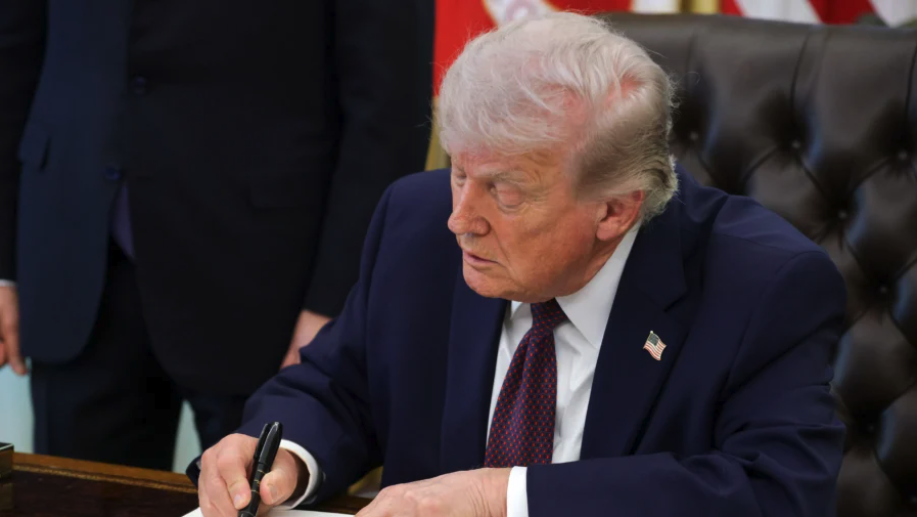
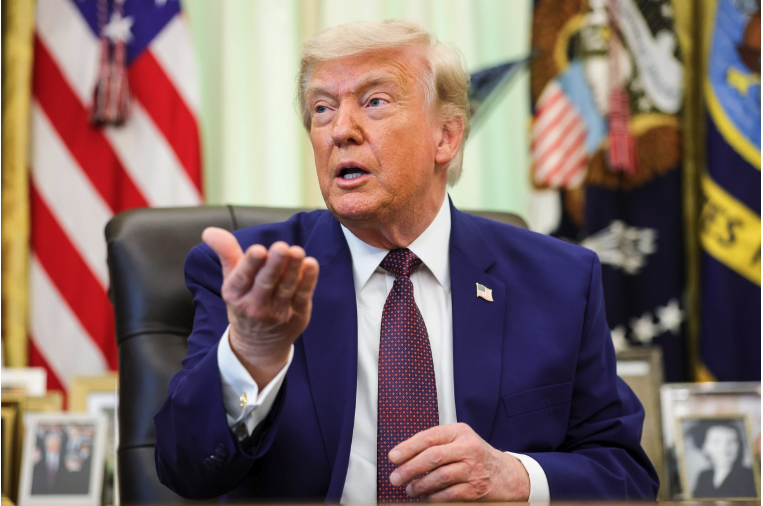
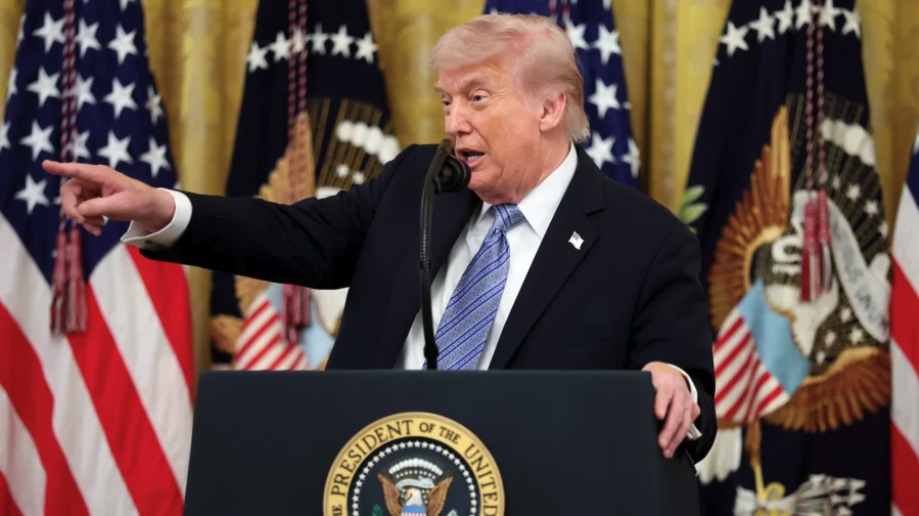
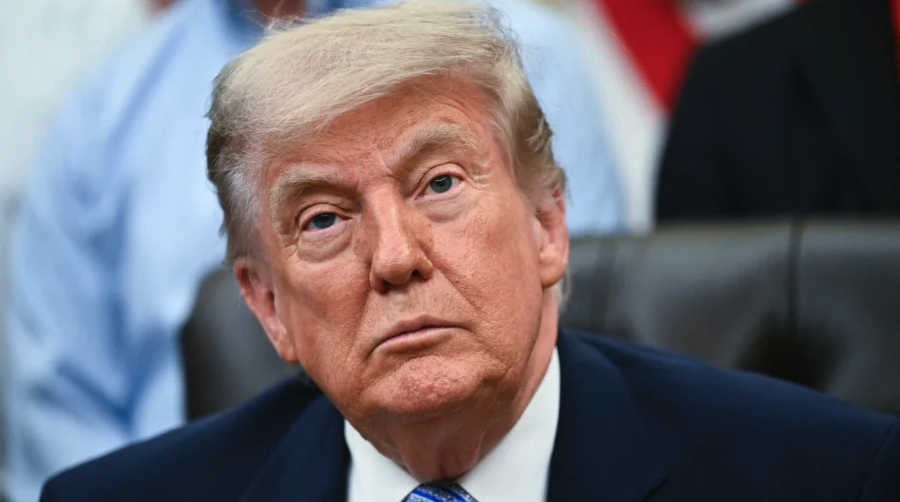
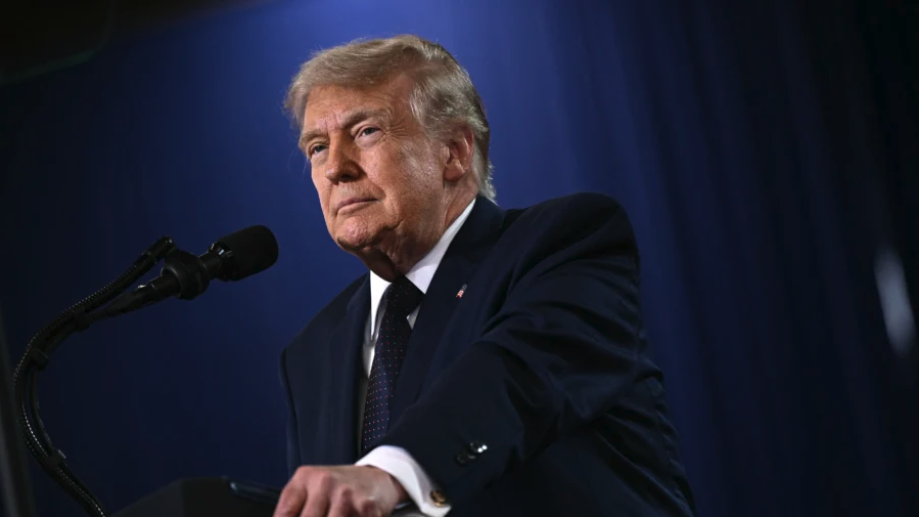
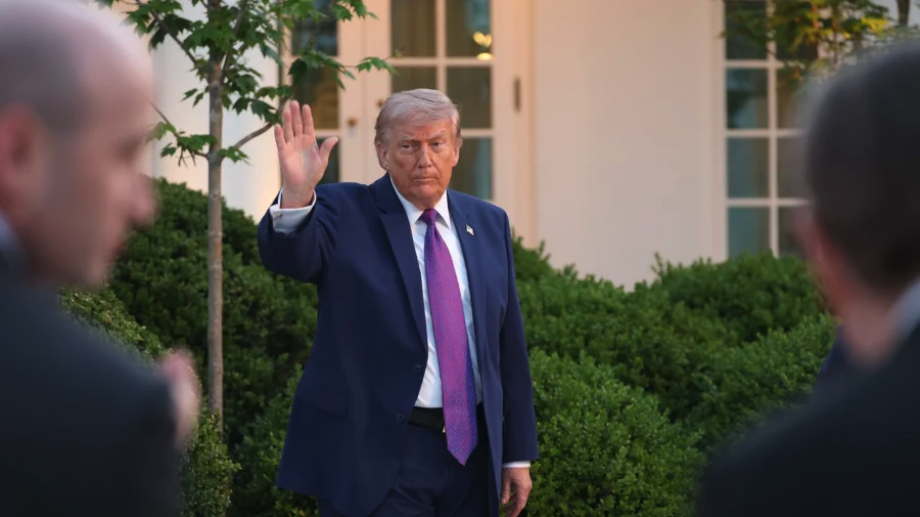
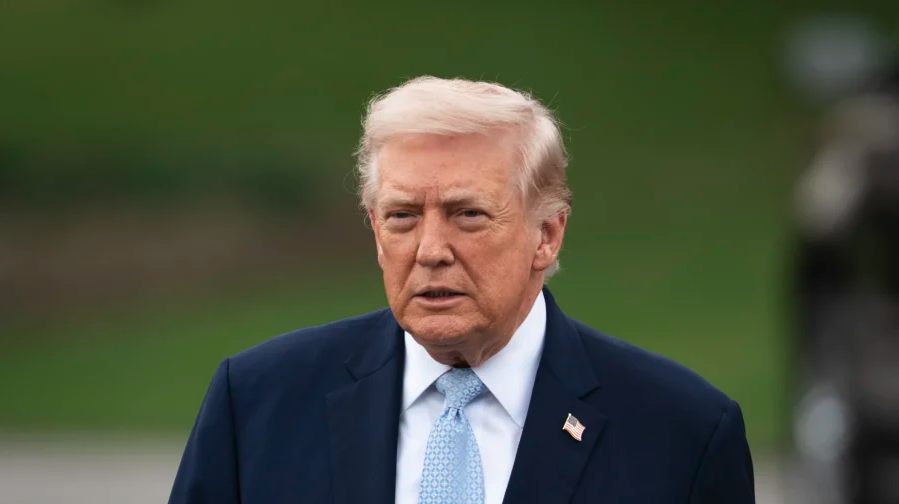
President Donald Trump on Thursday reiterated that the United States should take control of Iran’s buried uranium reserves as part of any agreement ending the conflict with Tehran, suggesting the material would ultimately be destroyed.
“We will get it. We don’t need it. We don’t want it,” Trump said at the White House, referring to the uranium. “We’ll probably destroy it after we get it, but we’re not going to let them have it.”
Iran is believed to possess about 900 pounds of highly enriched uranium, which Trump has cited as one of the reasons behind the U.S. strikes against Iran that began in February. Tehran has consistently maintained that it has the right to enrich uranium and insists the program is intended for peaceful purposes.
Trump previously stated that the uranium is buried beneath rubble following joint U.S.–Israeli strikes last year targeting Iran’s nuclear facilities.
Trump and Vice President JD Vance have both emphasized that Iran must never be allowed to obtain a nuclear weapon. Vance recently told White House reporters that Tehran must also work with the administration “on a process” to ensure the country does not pursue its nuclear program in the future.
Earlier this week, Iran’s Revolutionary Guards warned that any future U.S.–Israeli military strikes would trigger a wider conflict extending beyond the Middle East.
“The regional war that was promised will this time be extended beyond the region, and our crushing blows will bring you to ruin in places you cannot imagine,” the Islamic Revolutionary Guard Corps said through Iran’s semi-official Mehr News agency on May 20.
The ceasefire involving Iran has largely held, although attacks on shipping and Gulf states escalated in early May after Trump announced a naval mission aimed at reopening the Strait of Hormuz before canceling the operation roughly two days later.
This week also saw a new wave of drone attacks targeting Saudi Arabia and the United Arab Emirates. Both countries said the drones originated from Iraq, where Iran-aligned militias operate. Jordan reported shooting down a drone on May 20.
Iran has largely closed the Strait of Hormuz to all vessels except its own since the U.S.–Israeli campaign began in February, resulting in what has been described as the largest disruption to global energy supplies in history.
The United States responded last month by imposing its own blockade on Iranian ports. The U.S. military stated that it has stopped or redirected more than 94 vessels traveling to and from Iran.
In an update on Thursday, United States Central Command (CENTCOM) said it had also disabled four vessels since the blockade began, part of an effort to pressure Tehran into reopening the Strait of Hormuz and agreeing to end the war.
The U.S. military further announced on Wednesday that it boarded an Iranian-flagged oil tanker in the Gulf of Oman suspected of attempting to violate the blockade. CENTCOM said the M/T Celestial Sea was searched and redirected after it was believed to be heading toward an Iranian port.
The incident marked at least the fifth commercial vessel boarded since the Trump administration imposed its blockade on Iranian shipping.