President says military action against Iran was moments away before negotiations delayed planned assault, while regional tensions and oil prices continue to surge
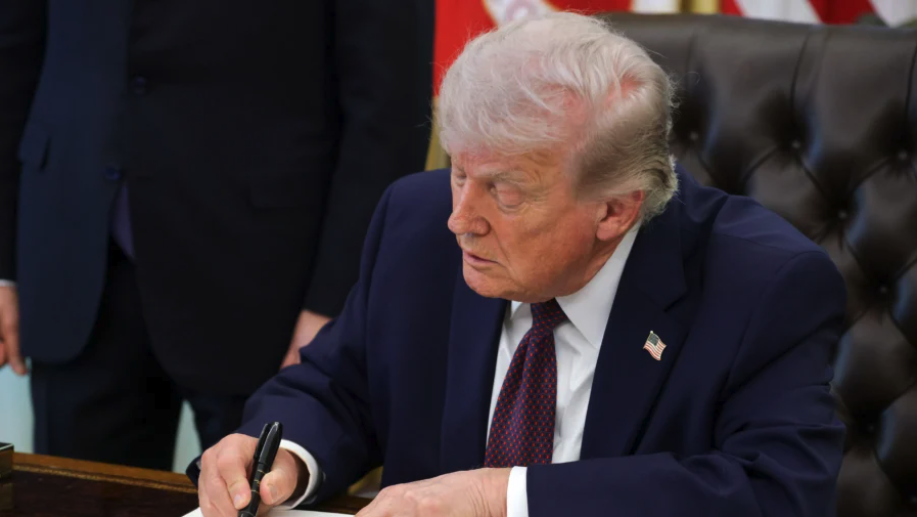
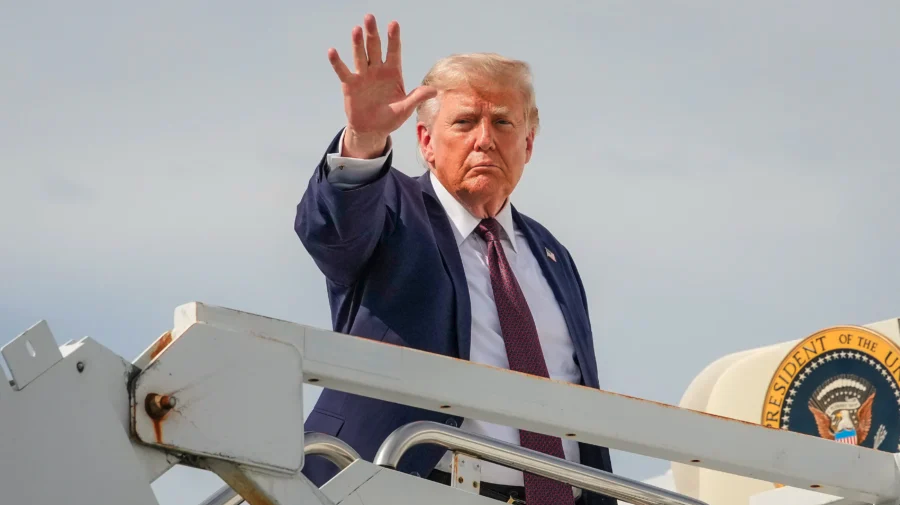
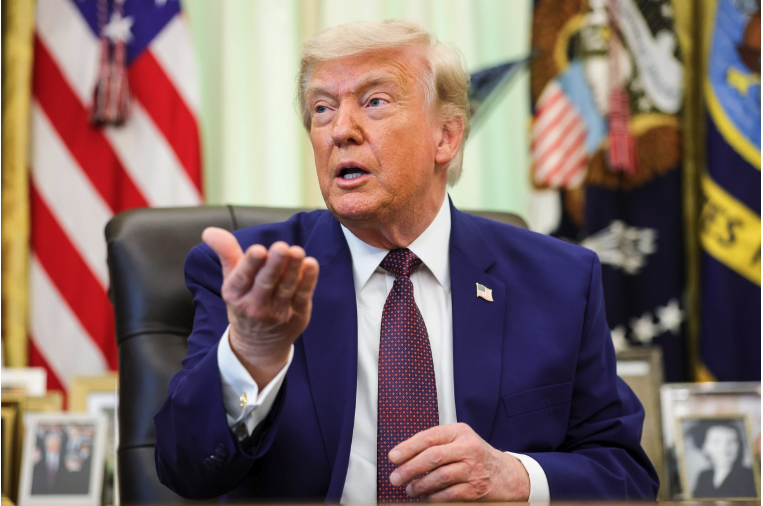
President Donald Trump said on May 19 that he had given Iran “two or three days” to present a proposal for a peace agreement, one day after announcing that he had suspended pre-planned military strikes against the country.
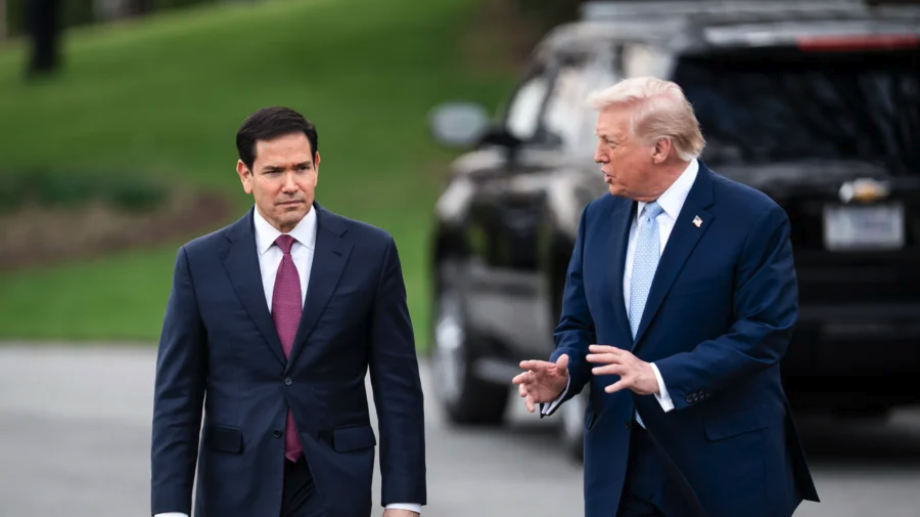
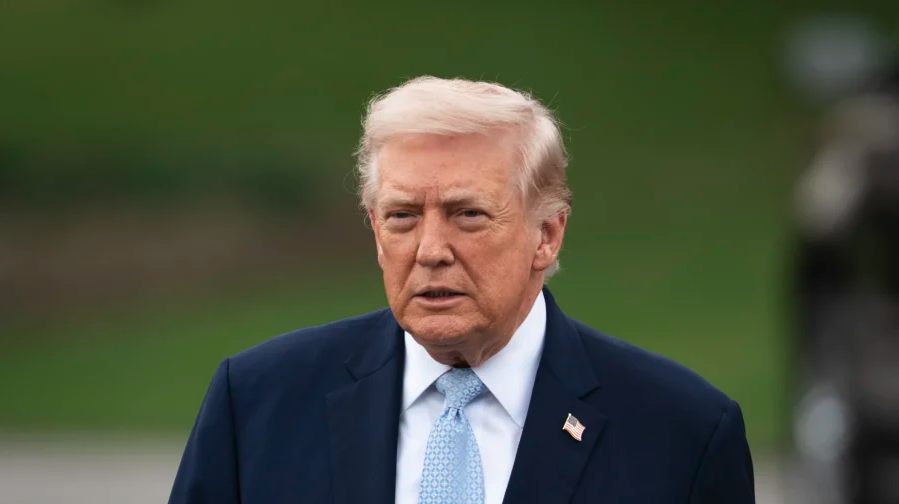
Speaking to reporters near the construction site of the White House ballroom, Trump said the Iranian regime was aware that the United States was preparing for possible military action.
“They knew I was getting ready to attack,” Trump said.
“I didn’t tell them. I never tell anybody when. I never tell anybody when, but they knew that we were very close,” the president added. “I was an hour away from making the decision to go today, and we would probably not be talking about a beautiful ballroom today, we’d be talking about that.”
Trump said he informed Iranian officials that they would have “two or three days, maybe Friday, Saturday, Sunday, something, maybe early next week, a limited period of time” to reach an agreement before U.S. strikes could resume.
“We can’t let them have a new nuclear weapon. If they had a nuclear weapon, they would start with Israel, they would blow it up, and they would blow it up fast,” he said, adding that Iran would also target Saudi Arabia, Kuwait, the United Arab Emirates, and Qatar afterward.
The remarks came hours after Trump stated in a May 18 Truth Social post that he was postponing military strikes planned for Tuesday because “serious negotiations” were underway to end the conflict. He also said the leaders of Saudi Arabia, the UAE, and Qatar had urged him not to launch a new attack on Iran.
Trump had not previously disclosed plans for a Tuesday strike before Monday’s announcement and did not provide details about the operation.
The president wrote that he had instructed the U.S. military “to be prepared to go forward with a full, large scale assault of Iran, on a moment’s notice, in the event that an acceptable Deal is not reached.”
For several weeks, Trump has warned that the ceasefire reached in mid-April could collapse if Iran failed to agree to a deal. Over the weekend, he said, “For Iran, the Clock is Ticking, and they better get moving, FAST, or there won’t be anything left of them.”
In recent days, Trump has also held discussions regarding the Iran conflict with Israeli Prime Minister Benjamin Netanyahu and Chinese leader Xi Jinping.
Meanwhile, Iran and allied groups in Iraq have carried out drone attacks targeting Gulf Arab states during the conflict. The United Arab Emirates recently accused Iran of launching drone and missile strikes despite the ceasefire.
On Sunday, a drone strike caused a fire near the UAE’s only nuclear power plant in what Emirati authorities described as an “unprovoked terrorist attack,” though no direct blame was assigned.
Iranian officials, through the state-run Tasnim News agency, issued renewed warnings to the United States and its allies on Monday.
“If our enemies commit another mistake, we will confront them with power and capabilities far greater” than during the previous conflict, Iranian General Ali Abdollahi said in a statement carried by Tasnim.
The state-run outlet also reported that Iran would open new fronts in the conflict if the U.S. military launches further attacks.
Since the conflict began, shipping through the Strait of Hormuz has been heavily restricted, driving global energy prices sharply higher. As of Tuesday, Brent crude oil had climbed above $110 per barrel, while average gasoline prices in the United States remained around $4.50 per gallon or higher in recent days.