President suggests he may take unprecedented steps against Cuba’s communist regime as Washington intensifies sanctions, military presence, and legal action tied to national security concerns
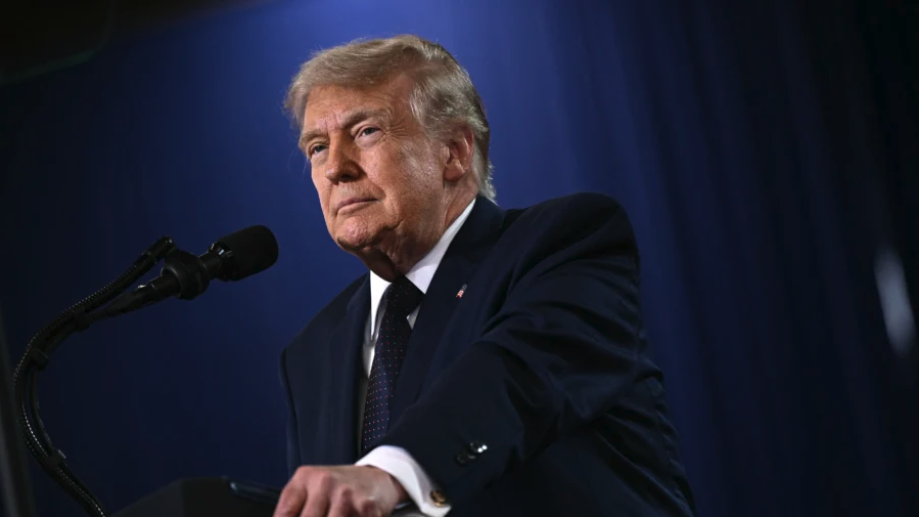
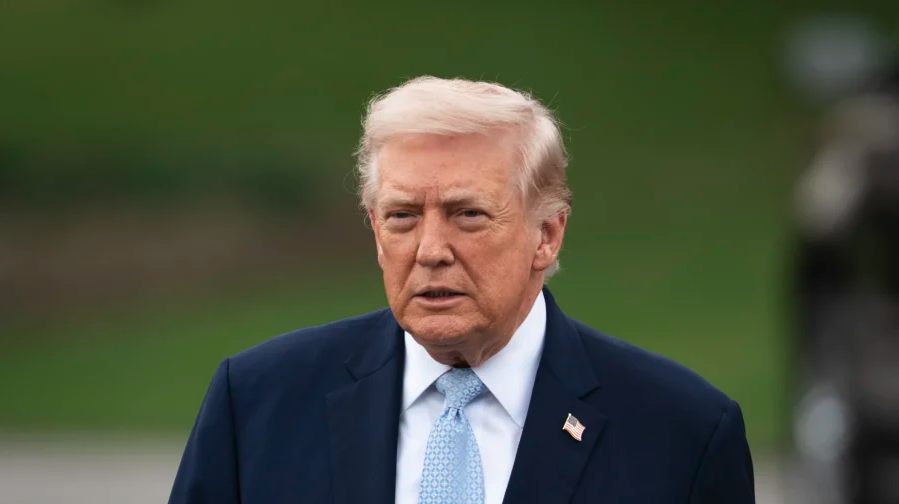
President Donald Trump indicated on May 21 that he intends to intervene in Cuba following the indictment of former communist revolutionary leader Raúl Castro, as the United States continues increasing economic pressure on the Cuban regime.
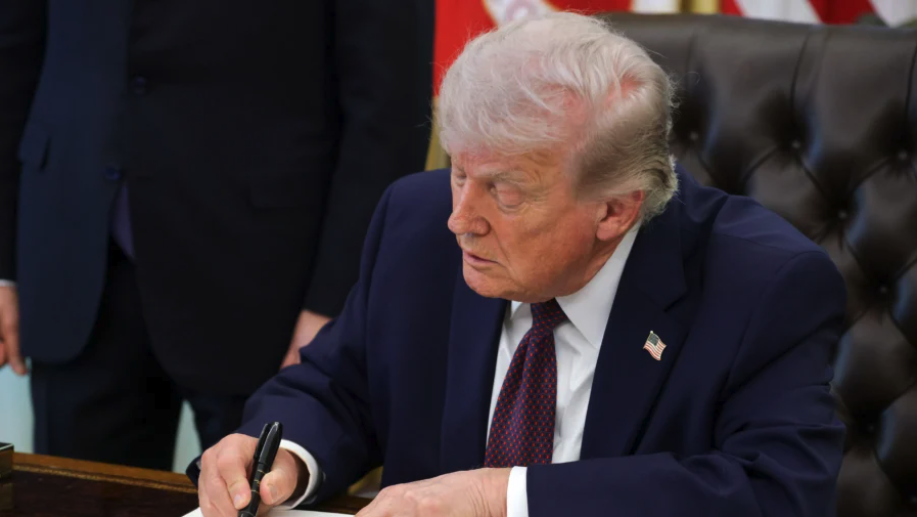
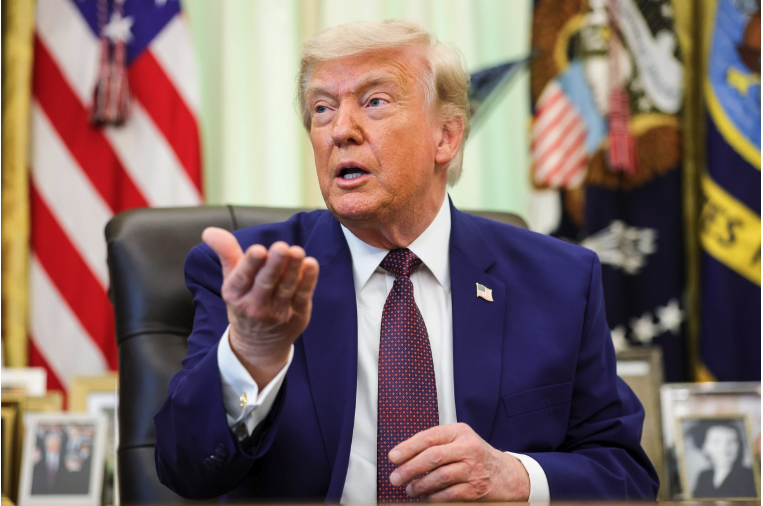
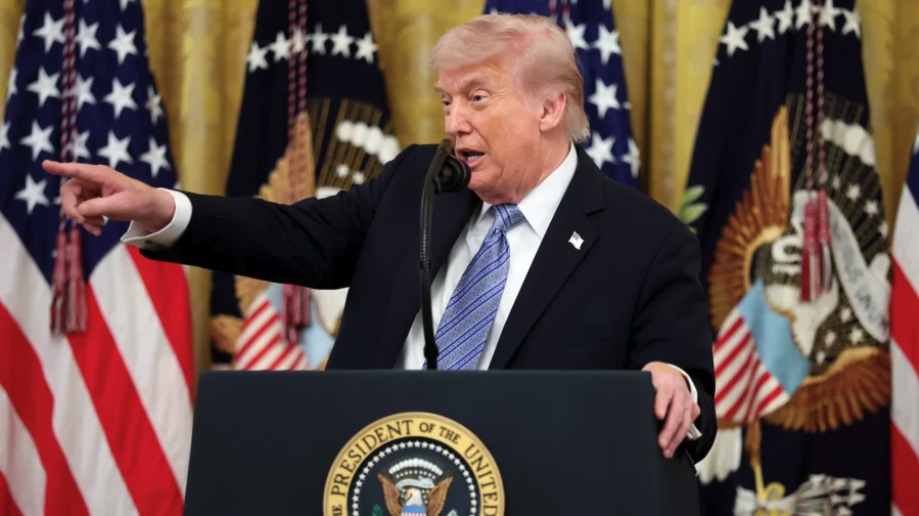
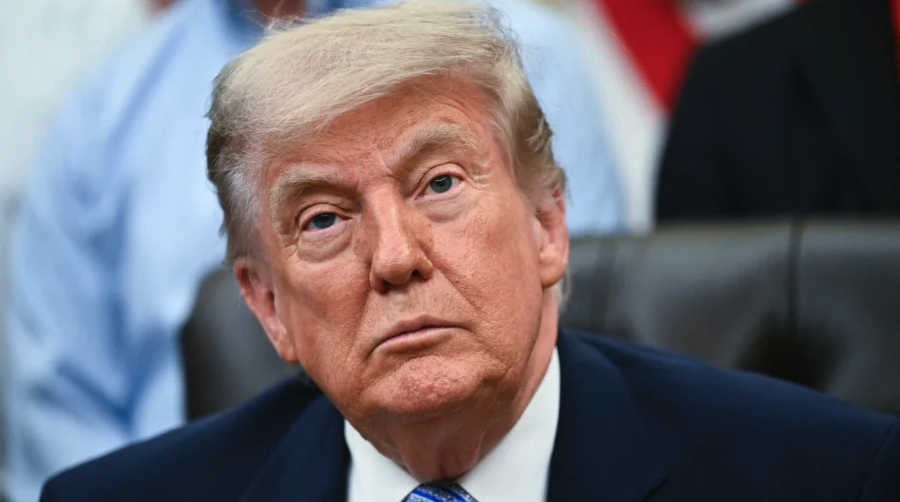
Trump described the Caribbean nation as a “failed country” while answering questions during a press conference in the Oval Office.
“Other presidents have looked at this for 50, 60 years doing something, and it looks like I’ll be the one that does it,” Trump said.
The remarks come as the United States intensifies pressure on the communist government controlling the island nation of approximately 10 million people located just 90 miles south of the Florida Keys.
Since January, the Trump administration has sharply restricted oil shipments to Cuba, triggering fuel shortages, power outages, and rising prices. According to U.S. officials, the objective of the policy is to achieve political and economic liberation, including the removal of current Cuban leader Miguel Díaz-Canel.
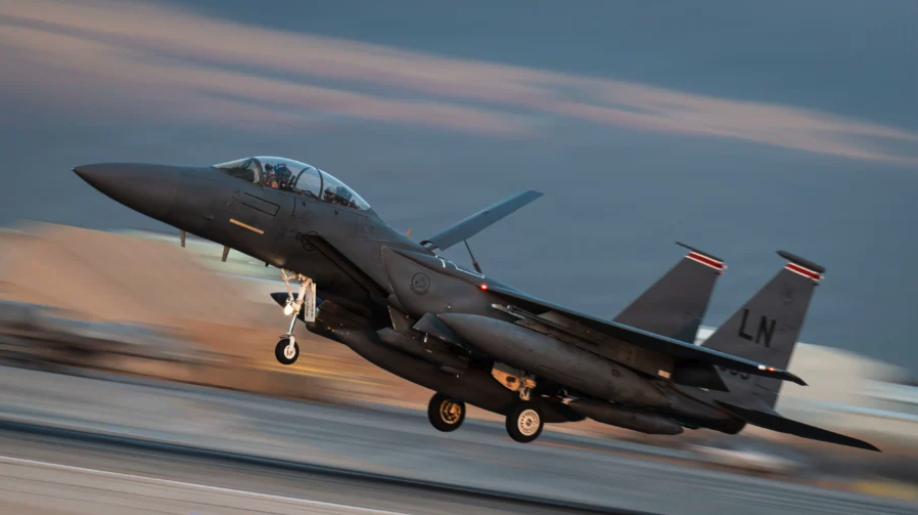
At the same time, the USS Nimitz Carrier Strike Group arrived in the Caribbean on May 20, according to United States Southern Command. The strike group includes the USS Nimitz, the USS Gridley, USNS Patuxent, and Carrier Air Wing 17.
The United States also announced new sanctions on May 18 targeting several Cuban government agencies and senior officials over repression and threats to U.S. national security.
Castro, 94, the younger brother of longtime communist ruler Fidel Castro, was indicted in the United States on murder charges on May 20. Raúl Castro assumed leadership of Cuba in 2006 after Fidel Castro’s health deteriorated and formally became the country’s leader two years later. He remained in power until April 2021, when authority was transferred to Díaz-Canel.
The indictment accuses Castro of involvement in Cuba’s 1996 shootdown of two unarmed civilian aircraft conducting a humanitarian mission to rescue Cubans fleeing the regime. The incident resulted in the deaths of three U.S. citizens and one lawful U.S. resident.
Cuban military pilots allegedly linked to the incident, along with Castro associates including Lorenzo Alberto Perez-Perez, Emilio José Palacio Blanco, José Fidel Gual Barzaga, Raul Simanca Cardenas, and Luis Raul Gonzalez-Pardo Rodriguez, were also indicted.
If convicted, the defendants could face either the death penalty or life imprisonment on charges of murder and conspiracy to kill U.S. nationals.
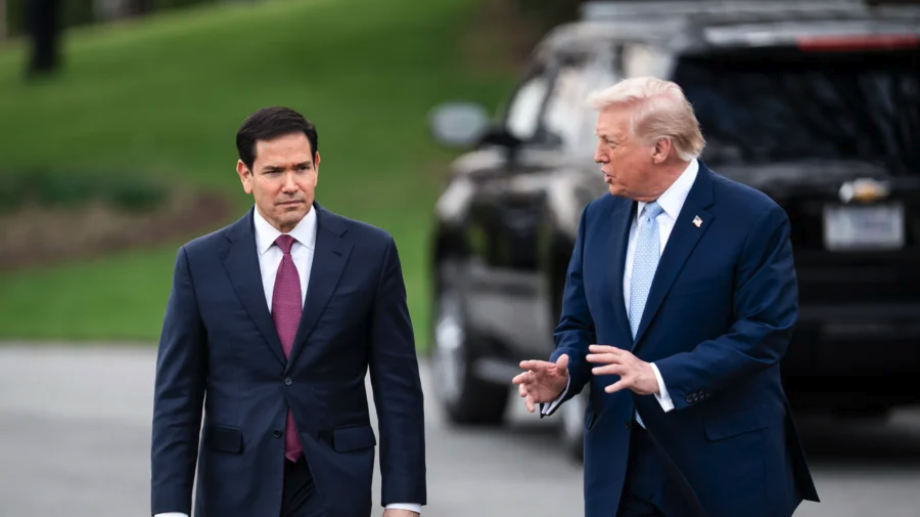
U.S. Secretary of State Marco Rubio, whose parents left Cuba before the 1959 communist revolution, departed Miami for a NATO foreign ministers meeting in Sweden on May 21. He was asked about plans to arrest Castro and the administration’s broader strategy toward Cuba.
“I’m not going to talk about how we’re going to get him here,” Rubio told reporters on the tarmac. “Our preference in Cuba and anywhere in the world is a negotiated diplomatic settlement. ... That’s always our preference.
“But ... if there’s a threat to the national security of the United States, the president not just has the right, he has the obligation to address that national security threat,” Rubio added.
Rubio also announced the arrest of Adys Lastres Morera, sister of the executive president of GAESA, a military-run business conglomerate controlled by the Cuban Revolutionary Armed Forces. Rubio said her permanent resident status had been revoked after authorities learned she was managing real estate assets and living in Florida while assisting Havana’s communist regime.
“I am pleased to announce that today, she was arrested and is now in the custody of U.S. Immigration and Customs Enforcement,” Rubio wrote on X. “There will be nowhere on this Earth - much less in our country - where foreign nationals who threaten our national security can live lavishly.”
Rubio stated that Cuba has long represented a national security threat to the United States and described the country as a leading sponsor of terrorism.
He also said the United States has offered $100 million in humanitarian aid to the Cuban people while sanctions continue to weaken the nation’s economy, adding that the assistance must be distributed through organizations not affiliated with the ruling regime.