President Trump orders “proportional response” following alleged Iranian attack on U.S. military aircraft as tensions threaten ongoing diplomatic negotiations
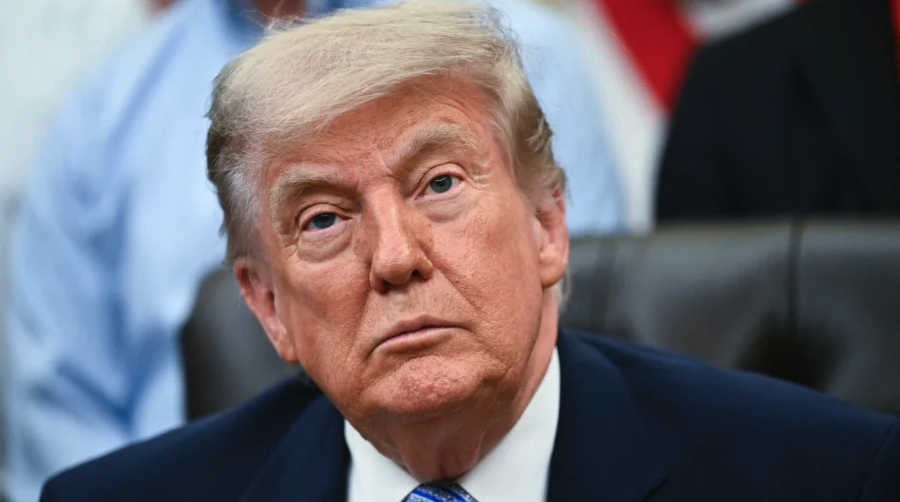
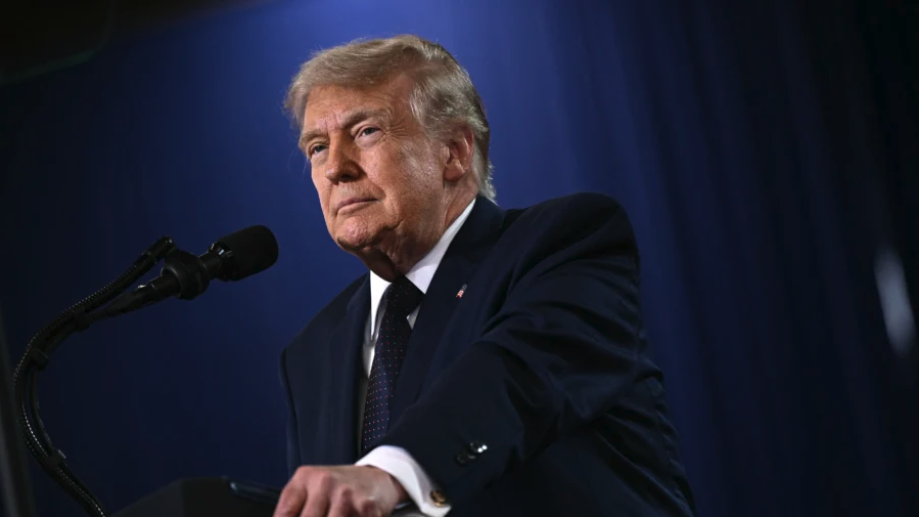
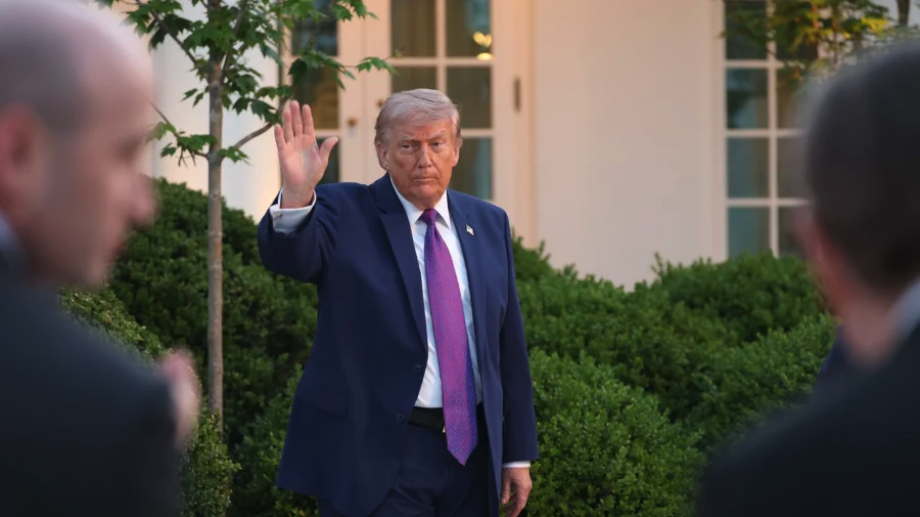
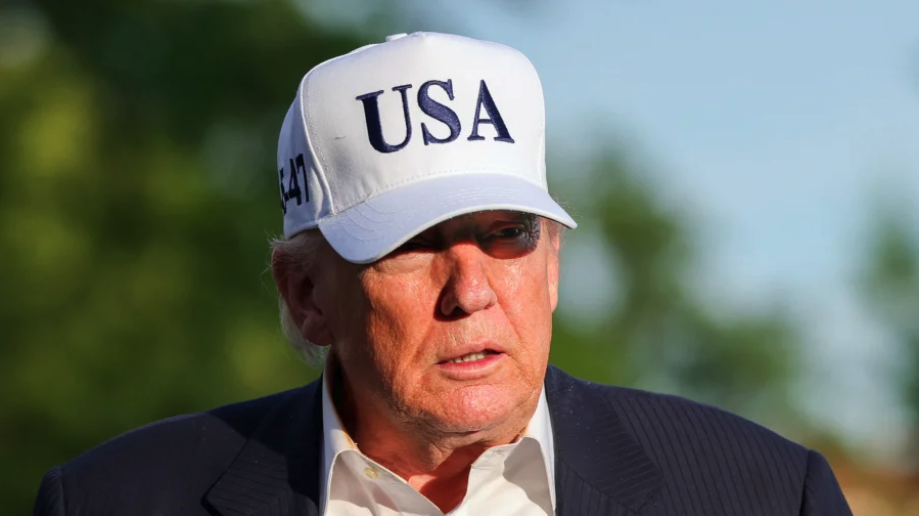
WASHINGTON—The United States launched retaliatory strikes against Iran on June 9 after President Donald Trump accused Tehran of shooting down a U.S. attack helicopter a day earlier.
U.S. Central Command said in a statement that its “forces began launching self-defense strikes against Iran at 5 p.m. ET today at the Commander in Chief’s direction, in response to yesterday’s downing of a U.S. Army Apache helicopter. The mission is a proportional response to unjustified Iranian aggression.”
Earlier in the day, Trump said Iran was responsible for downing the helicopter near the Strait of Hormuz and vowed that the United States would respond.
“I have just been informed by our Great Military that last night the Iranians shot down one of our highly sophisticated Apache Helicopters while patrolling over the Strait of Hormuz,” Trump wrote in a Truth Social post.
“There were two pilots involved, both are safe and uninjured. Nevertheless, the United States must, of necessity, respond to this attack.”
The Army AH-64 Apache helicopter was shot down around the same time Iran announced it had halted attacks on Israel. Tehran had described its weekend strikes on Israel as retaliation for Israeli military operations in Lebanon.
“Should the aggressions and hostile acts continue—including in southern Lebanon—far more severe and crushing measures than before will be forthcoming,” Iran’s military said in a statement carried by state-affiliated media on June 8.
Trump’s pledge to retaliate could further complicate efforts to secure a peace agreement with Tehran. Hours earlier, the president said negotiations were in their “final throes” and emphasized that he preferred diplomacy over further escalation.
“If we do the bombing, you know a lot of people are going to be killed. Who wants to do that? I don’t,” Trump told reporters in New York on Tuesday morning. “We’ll have a signed document that’s actually stronger than doing the bombing.”
A White House official told The Epoch Times that Trump would not rush into accepting an unfavorable agreement with Tehran.
“President Trump holds the cards and has all the time he needs to make the best deal for the United States and the world,” the official said.
Following Trump’s warning of retaliation, Iranian Foreign Minister Abbas Araghchi stated that the Strait of Hormuz is a shared waterway between Iran and Oman and warned that foreign military operations in the area carry significant risks.
“To reduce risk, the best solution is for foreign forces to exit, as soon as possible, an environment which will never be hospitable to a hostile presence,” Araghchi said.
Drone Boat Used in Rescue
Navy Capt. Timothy Hawkins, a spokesperson for U.S. Central Command (CENTCOM), told The Epoch Times that a 24-foot Corsair unmanned surface vessel was the first asset to reach the crew of the downed Apache helicopter. The Corsair drone boat is assigned to Task Force 59, which oversees unmanned systems operations in Middle Eastern waterways.
Hawkins said the drone boat transported the crew to another location, where a rescue helicopter later arrived to evacuate them safely.
CENTCOM previously confirmed that the flight crew had been rescued at 7:33 p.m. ET on Monday, roughly two hours after the helicopter crashed.
Task Force 59 began deploying Corsair drone boats in late March, weeks after U.S. forces initiated combat operations against Iran.
Elements of the Army’s 82nd Airborne Division and the U.S. Air Force also participated in the rescue mission.