








Escalating Military Exchanges Between Washington and Tehran Raise Fresh Questions Over the Durability of Last Week’s Peace Framework and Regional Stability
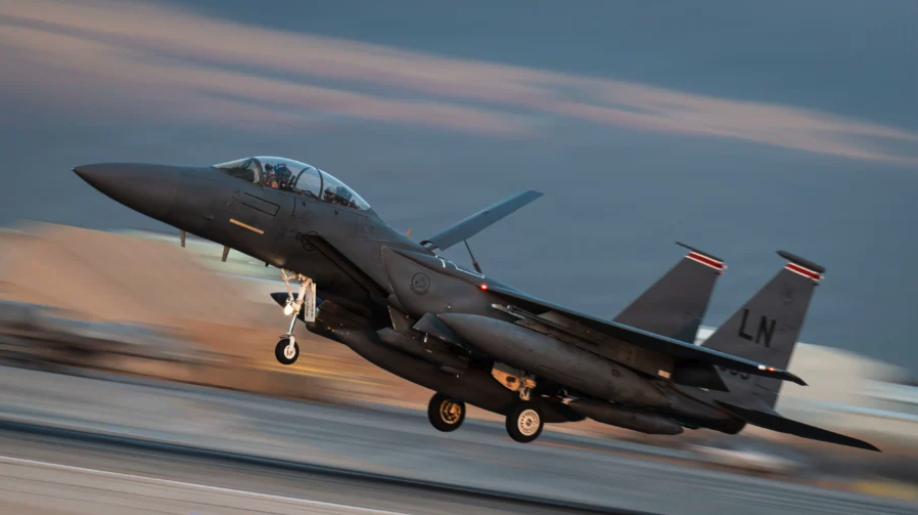
U.S. forces launched a new wave of strikes against Iranian targets on June 27, as continued exchanges between Washington and Tehran tested the resilience of the peace framework adopted by both countries last week.
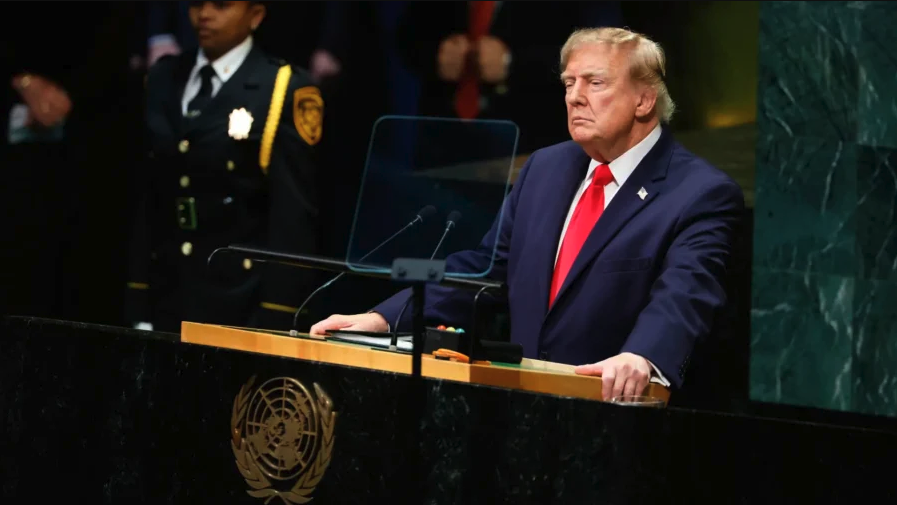
“United States aircraft just struck Iranian missile and drone storage locations, and coastal radar sites, for violating the Cease Fire Agreement, AGAIN!” President Donald Trump wrote in a post on Truth Social.
“It is very possible that they will never learn! There may come a point when we are no longer able to be reasonable, and will be forced to militarily complete the job that we very successfully started. If that happens, the Islamic Republic of Iran will no longer exist!”
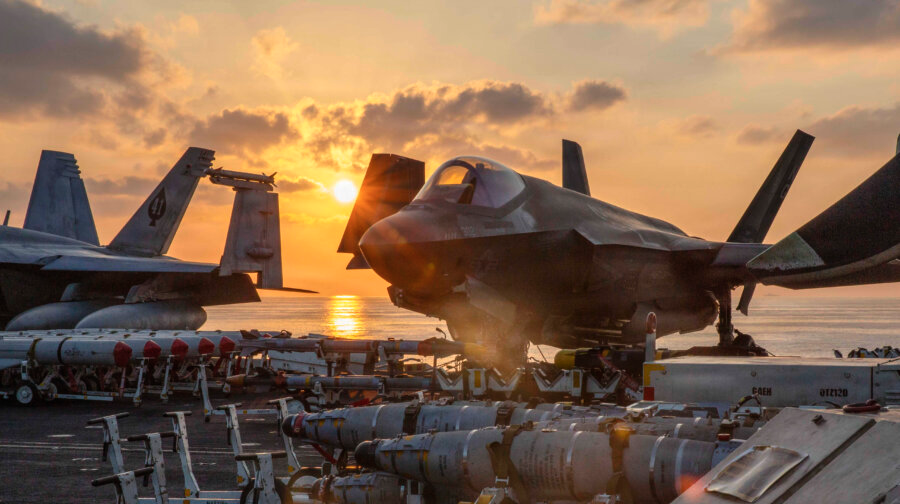
In a statement, the U.S. Central Command (CENTCOM) said U.S. forces targeted Iranian air defense systems, drone storage facilities, minelaying capabilities, communications systems, and surveillance infrastructure in a coordinated wave of strikes carried out on Saturday.
The latest U.S. military action marks another chapter in a series of reciprocal exchanges that have unfolded in recent days.
Regional tensions intensified after an explosive one-way attack drone struck the Singapore-flagged cargo vessel M/V Ever Lovely on June 25. The U.S. government attributed the attack to Iran and responded on June 26 with a series of strikes inside Iranian territory.
“After yesterday’s U.S. strikes in response to the Iranian attack on M/V Ever Lovely, Iran was given a chance to honor the ceasefire agreement but elected not to when its forces launched a one-way attack drone that hit M/T Kiku this morning at 4:30 a.m. ET,” CENTCOM said on Saturday.
Iran’s Islamic Revolutionary Guard Corps also claimed responsibility for attacks targeting U.S. military positions in the region, describing the operations as retaliation for the American strikes conducted on June 26.
The Kingdom of Bahrain also reported that its territory came under attack from Iranian explosive one-way drones on Saturday.
The renewed military exchanges occurred against the backdrop of ongoing disagreements over a long-term regional peace framework.
On June 17, the United States and Iran adopted a 14-point memorandum of understanding designed to resolve the large-scale armed conflict that began after U.S. and Israeli forces launched strikes against Iran on Feb. 28.
The June 17 memorandum called for an immediate cessation of hostilities across the region, including the Israeli military campaign in Lebanon against the Iranian-aligned, internationally designated terrorist organization Hezbollah.
Disputes have also persisted over control of the Strait of Hormuz, a strategically vital maritime chokepoint for global petrochemical exports.
Iranian forces moved to restrict access to the Strait of Hormuz shortly after hostilities erupted on Feb. 28.
Under the June 17 memorandum of understanding, Iran agreed to facilitate “the safe passage of commercial vessels with no charge” through the Strait of Hormuz for a period of 60 days to allow further negotiations. The peace framework also states that Iran and Oman, which occupy opposite sides of the strategic waterway, are to coordinate a long-term mechanism for managing maritime traffic through the strait in consultation with neighboring states.
This week, Iran’s Islamic Revolutionary Guard Corps warned that vessels transiting the Strait of Hormuz must use only routes officially designated by Iran. The organization said the advisory was issued in response to reports that a new shipping lane had been established without prior consultation with Tehran.